


close
Choose Your Site
Global
Social Media
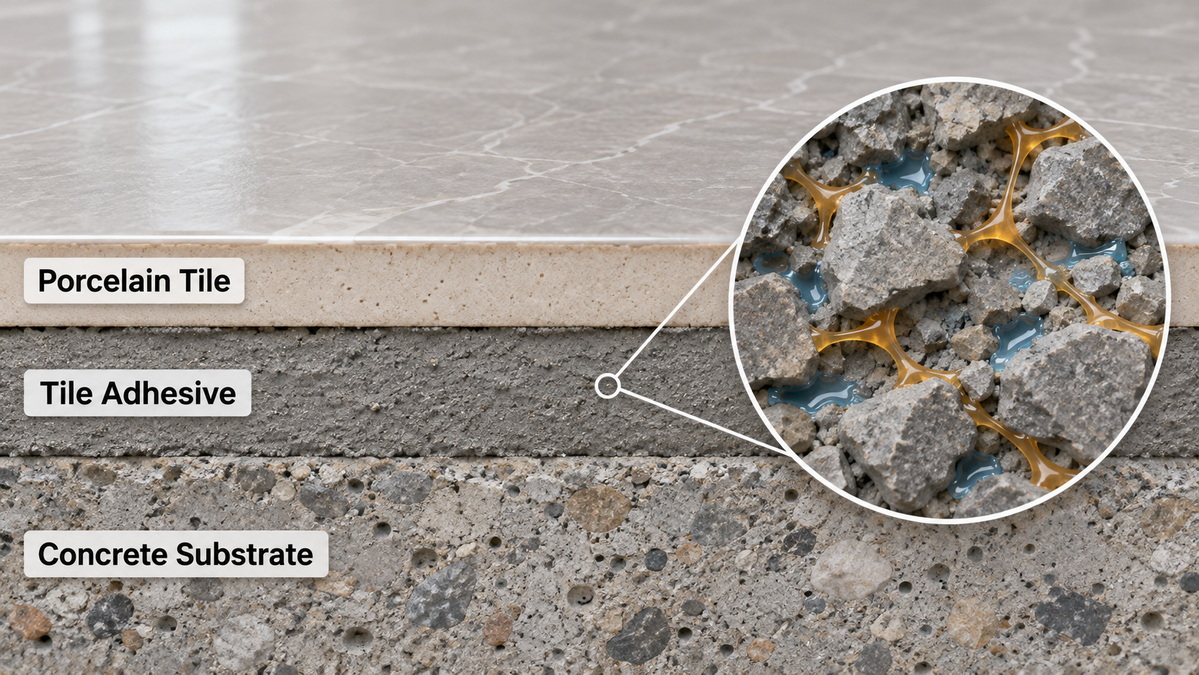
Learn how flexible RDP and HEMC work together to improve tile adhesive adhesion. Explore polymer selection, water retention, open time, controlled formulation trials, and failure diagnosis, with practical guidance for developing consistent cementitious adhesives and evaluating construction-grade HEMC.

Compare 10 Hydroxyethyl Methyl Cellulose manufacturers in China, including Shandong Shengda. Review reported capacity, MOQ disclosures, certification checks, customization, and supplier risks, with a practical guide to sample testing, batch consistency, compliance, and long-term sourcing decisions.

Learn how HEMC modification affects early adhesion in flexible RDP mortar through water retention, wetting, rheology, and hydration. Explore one-day customer feedback, practical formulation trials, troubleshooting, and grade selection for more reliable bonding without assuming higher viscosity is better.

Compare HPMC and HEMC for tile adhesives in hot climates. Explore how cellulose ether grade, water retention, thermal behavior, and mortar rheology affect open time and slip resistance, with practical testing guidance to help manufacturers choose a reliable, cost-effective formulation for hot conditions.

Compare HPMC vs HEMC and discover how cellulose ether chemistry, viscosity, and mixing affect air entrainment in mortar. Explore bubble stabilization, published findings, practical testing, and formulation strategies for balancing workability, water retention, strength, and surface quality.

Compare HPMC vs HEMC to understand how particle size affects dissolution rate, viscosity development, and lump formation. Explore research findings, mixing procedures, troubleshooting steps, and grade-selection criteria for more consistent construction and daily chemical formulations.

Compare HEMC and HPMC shear-thinning behavior through polymer chemistry, flow curves, and practical testing. Learn how to select cellulose ether grades that balance spreading, stability, and recovery in tile adhesives, mortars, wall putties, and household formulations.

Compare HEMC vs HPMC through gelation temperature, water retention, and tile adhesive open time. Learn why grade chemistry and test methods matter, avoid misleading performance assumptions, and use a practical evaluation workflow to select cellulose ethers for demanding dry-mix mortar applications.

This article compares HPMC and HEMC for surface tension reduction and wetting performance in construction and daily chemical applications. It explains the chemical differences between Hydroxypropyl Methyl Cellulose and Hydroxyethyl Methyl Cellulose, evaluates their effects on spreading, viscosity, water retention, workability, and adhesion, and provides practical guidance for selecting the right cellulose ether grade for tile adhesive, wall putty, cement render, skim coat, gypsum plaster, coatings, and personal-care formulations.


