


close
Choose Your Site
Global
Social Media
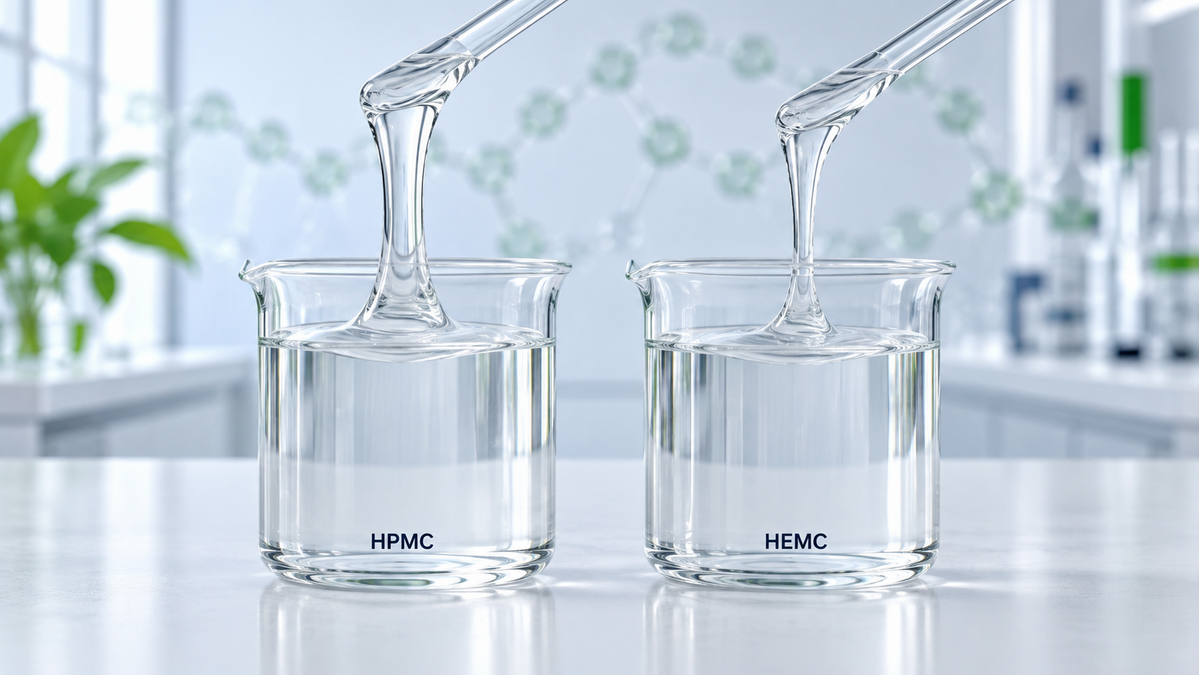
Compare daily chemical grade HPMC vs HEMC for economy brands. Discover how these cellulose ether thickeners influence viscosity, texture, surfactant compatibility, temperature stability, production efficiency, and cost-in-use for detergents, dishwashing liquids, shampoo, body wash, hand soap, and household cleaners.
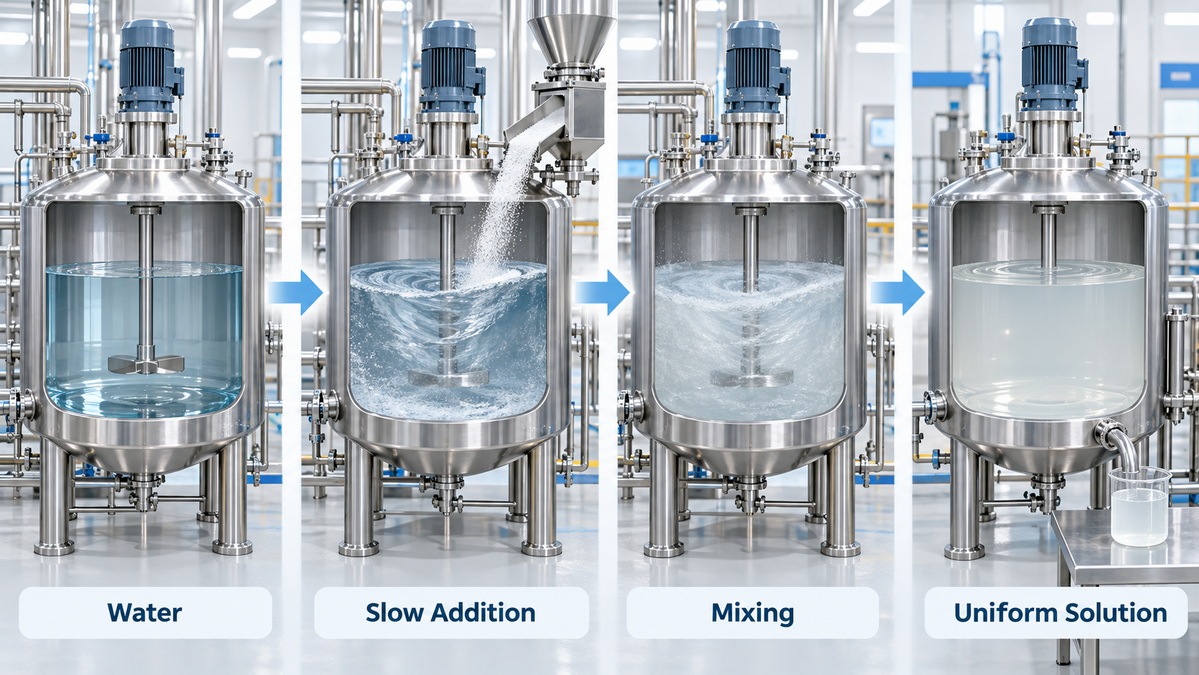
Hydroxypropyl methylcellulose, or HPMC, is primarily dissolved in cold water, where it forms a viscous colloidal solution. Hot water is commonly used for dispersion rather than complete dissolution, followed by cooling for hydration. This guide explains HPMC solvent compatibility, thermal gelation, practical mixing methods, lump prevention, construction applications, personal-care applications, and key grade-selection factors.

Hydroxypropyl methylcellulose (HPMC) is a versatile cellulose ether used in tile adhesive, wall putty, cement render, shampoo, lotion, cream, and cosmetic gel. Learn how HPMC improves water retention, viscosity, rheology, stability, film formation, workability, and product consistency.

Hydroxyethyl Cellulose (HEC) is a multifunctional, water-soluble cellulose ether used in paints, coatings, cosmetics, detergents, construction materials, and specialized formulations. It improves viscosity, water retention, rheology, stability, anti-sag performance, texture, and particle suspension. Selecting the right HEC grade and using a controlled hydration process can improve manufacturing efficiency, storage stability, and end-product performance.

Explore the differences between HEC and HEMC in wet-wipe formulations. Learn how these cellulose ethers influence solution viscosity, liquid retention, non-woven impregnation, controlled release, storage stability, and consumer feel—helping manufacturers select the right polymer for high-performance wet wipes.

Compare HPMC vs HEMC in toothpaste formulations for ribbon stand-up, smooth tube extrusion, abrasive suspension, viscosity control, stability, and manufacturing performance. Learn how to select the right cellulose ether grade through practical rheology testing.

This 2026 guide reviews leading Cellulose HEC manufacturers and suppliers serving Thailand. It compares supplier positioning, production capability, MOQ flexibility, documentation readiness, technical support, and sourcing risks for construction chemicals, coatings, detergents, and personal-care formulations.
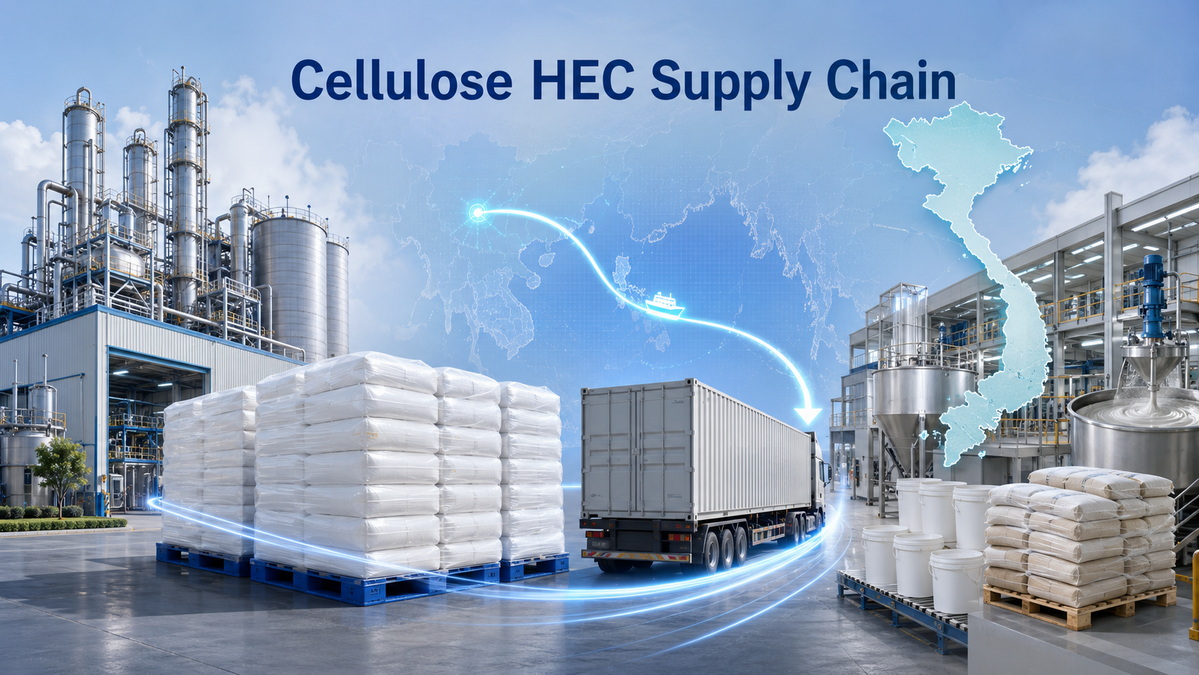
A practical 2026 guide to Cellulose HEC manufacturers and suppliers serving Vietnam. Compare supplier types, production capacity, MOQ expectations, quality systems, technical suitability, logistics considerations, and supplier-verification steps for paints, construction chemicals, detergents, and personal-care applications.

Learn how Hydroxyethyl Cellulose (HEC) dissolves in water, controls viscosity, and improves performance in paints, coatings, cosmetics, detergents, adhesives, and construction materials. Explore HEC properties, dissolution methods, formulation tips, troubleshooting, and supplier guidance.


