Home » Solution » Gypsum/Plaster

Gypsum/Plaster

In the proportioning of building mortar, gypsum, as one of the commonly used cementitious materials, is widely applied in various construction scenarios such as leveling, plastering, self-leveling and interior wall plastering. However, gypsum materials themselves have problems such as short setting time, easy cracking, poor fluidity and easy delamination. Therefore, adding an appropriate amount of functional admixtures becomes particularly crucial.
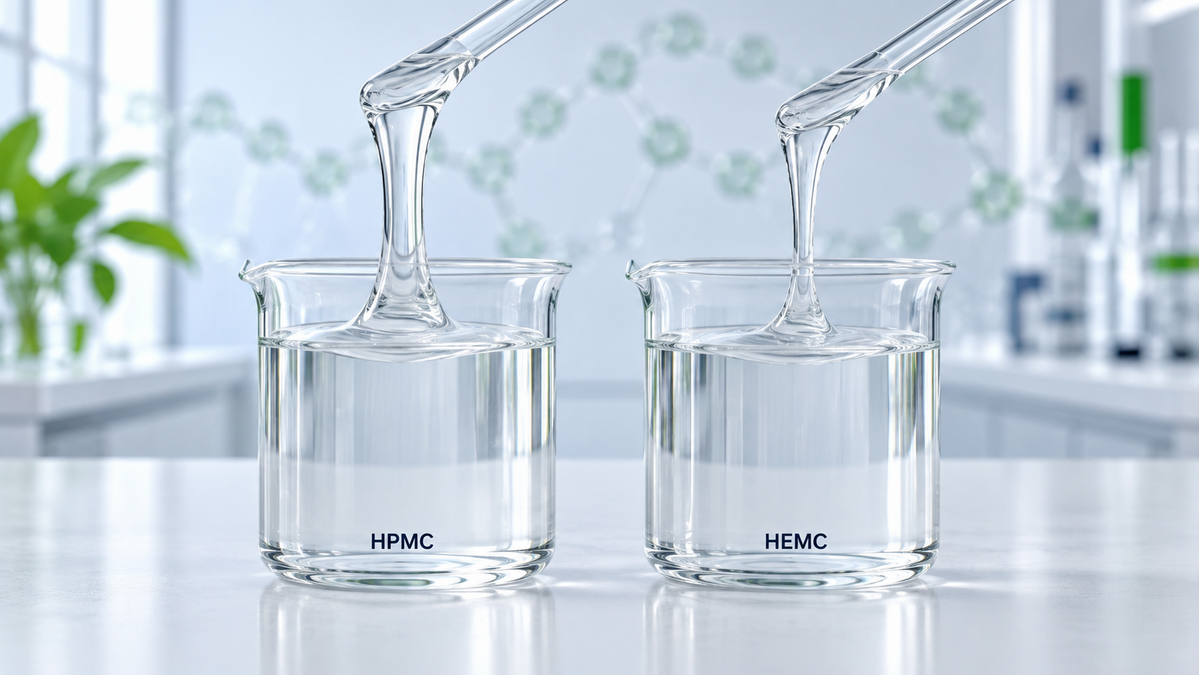
Cellulose, especially hydroxypropyl methyl cellulose (HPMC) and hydroxyethyl methyl cellulose (HEMC), is widely used in gypsum-based products and is one of the most mature gypsum admixtures on the current market.
 
 Improved Water Retention:
Gypsum slurry itself has poor water retention and is prone to rapid water loss under high temperatures or in well-ventilated environments, leading to cracking and decreased strength. Cellulose ethers form a moist protective film within the slurry, effectively delaying water evaporation and ensuring full hydration of the gypsum, thereby reducing the risk of cracking and peeling, and improving final strength.
 
 Improved Workability (Thickening and Anti-Sagging): 
Cellulose ethers significantly increase the consistency and viscosity of gypsum slurry, giving it good thixotropic properties. This makes it easier to apply and less prone to sagging or peeling, making it particularly suitable for thin-layer plastering and puttying.
 
 Enhanced Adhesion: 
Cellulose ethers improve the adhesion strength between gypsum slurry and the substrate (such as walls and gypsum board), allowing the material to adhere more firmly to the base and reducing hollow areas and peeling.
 
 Improved Homogeneity and Flowability: 
In gypsum self-leveling mortar, cellulose ethers help maintain a homogeneous slurry, preventing segregation, while providing suitable flowability for smoother application and a smoother surface.
 
 Retarding Effect: 
Cellulose ethers can appropriately extend the setting time of gypsum, providing a longer working window, especially important in high-temperature environments or for large-area applications.
 
 Air Entraining and Foam Stabilizing Effect: 
Some cellulose ethers have a slight air-entraining effect, introducing micro-bubbles into the slurry, increasing bulk density, improving thermal insulation performance and workability. However, the dosage must be controlled to avoid excessive strength reduction
What Are The Main Raw Materials for Construction Plaster Putty (Expert HPMC Guide).jpg

Discover the main raw materials for construction plaster putty and wall putty, including gypsum, fillers, binders, and cellulose ethers such as HPMC, HEMC, and HEC. Learn how Shandong Shengda New Material Co., Ltd. helps optimize water retention, workability, and surface strength in modern dry mix formulations.

03 February 2026
What Are The Main Ingredients of Shampoo (And How Cellulose Ethers Improve Your Formula).jpg

Discover the main ingredients of shampoo and the functional roles of water, surfactants, thickeners and conditioning agents. Learn how cellulose ethers such as HPMC, HEMC and HEC enhance viscosity, stability, foam and sensory performance in modern personal care formulations.

02 February 2026
Hydroxypropyl Methylcellulose (HPMC) Solubility Complete Guide To Methods, Tips And Best Practices.jpg

Discover how to dissolve hydroxypropyl methylcellulose (HPMC) correctly in water and organic solvents. Learn hot‑water, dry‑mix and solvent‑wetting methods, instant vs non‑treated behavior, troubleshooting tips and best practices for mortar, coatings and personal care.

02 February 2026
Top 10 HPMC Manufacturers in China (2026 Updated Guide).jpg

Discover the top 10 HPMC manufacturers in China and how to choose the right partner for construction, pharmaceutical, food, and personal care applications. Learn about market trends, key applications, buyer checklists, and best practices for using hydroxypropyl methylcellulose.

02 February 2026
The Role of HEC Thickener in Detergent And Shampoo Formulation Guide, Benefits, And Best Practices.jpg

Discover how Hydroxyethyl Cellulose (HEC) improves detergent and shampoo formulations through viscosity control, film forming, and broad compatibility. Learn key properties, formulation tips, and why professional cellulose ether support matters.

02 February 2026
Shampoo Ingredients Explained A Complete Guide for Safe, Effective Hair Care And The Role of HPMC.jpg

Learn what shampoo ingredients do, from water and sulfates to silicones and fiber actives, and see how HPMC, HEMC, and HEC from Shandong Shengda New Material improve thickness, stability, and hair feel in modern personal care formulations.

02 February 2026

Telephone

+86-131-7602-7703
​Copyright © Shandong Shengda New Material Co., Ltd. All Rights Reserved.

Products

Solution

Support

About

Contact Us for Your Needs

Our main products include HPMC, HEMC and HEC.