


close
Choose Your Site
Global
Social Media

Hydroxyethyl Cellulose (HEC) is a multifunctional, water-soluble cellulose ether used in paints, coatings, cosmetics, detergents, construction materials, and specialized formulations. It improves viscosity, water retention, rheology, stability, anti-sag performance, texture, and particle suspension. Selecting the right HEC grade and using a controlled hydration process can improve manufacturing efficiency, storage stability, and end-product performance.

Explore the differences between HEC and HEMC in wet-wipe formulations. Learn how these cellulose ethers influence solution viscosity, liquid retention, non-woven impregnation, controlled release, storage stability, and consumer feel—helping manufacturers select the right polymer for high-performance wet wipes.

Learn how Hydroxyethyl Cellulose (HEC) dissolves in water, controls viscosity, and improves performance in paints, coatings, cosmetics, detergents, adhesives, and construction materials. Explore HEC properties, dissolution methods, formulation tips, troubleshooting, and supplier guidance.
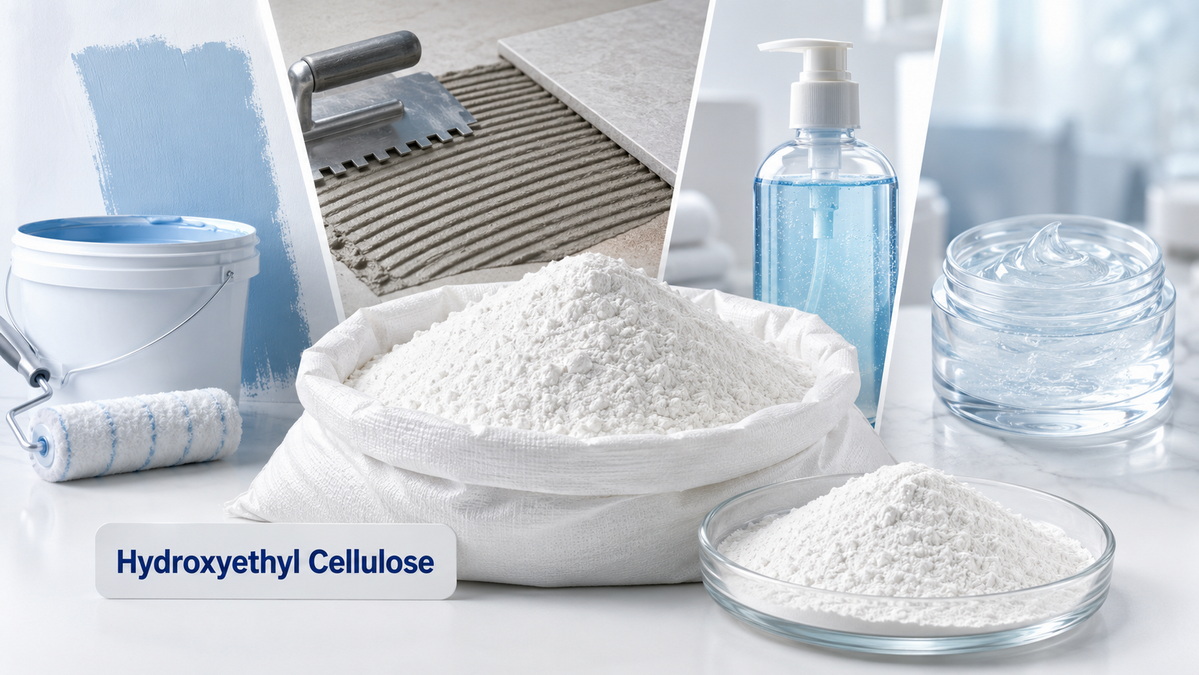
Explore leading hydroxyethyl cellulose manufacturers and learn how to select the right HEC supplier for water-based paints, construction materials, detergents, and personal care. Compare Dow, Ashland, Nouryon, Shin-Etsu, and Shandong Shengda using practical quality, testing, and supply criteria.

Compare HEC vs HPMC for water-based paints, coatings, personal-care products, tile adhesive, wall putty, cement mortar, plaster, and skim coat. Learn their differences in thickening, rheology, water retention, workability, open time, applications, and selection criteria for industrial formulations.
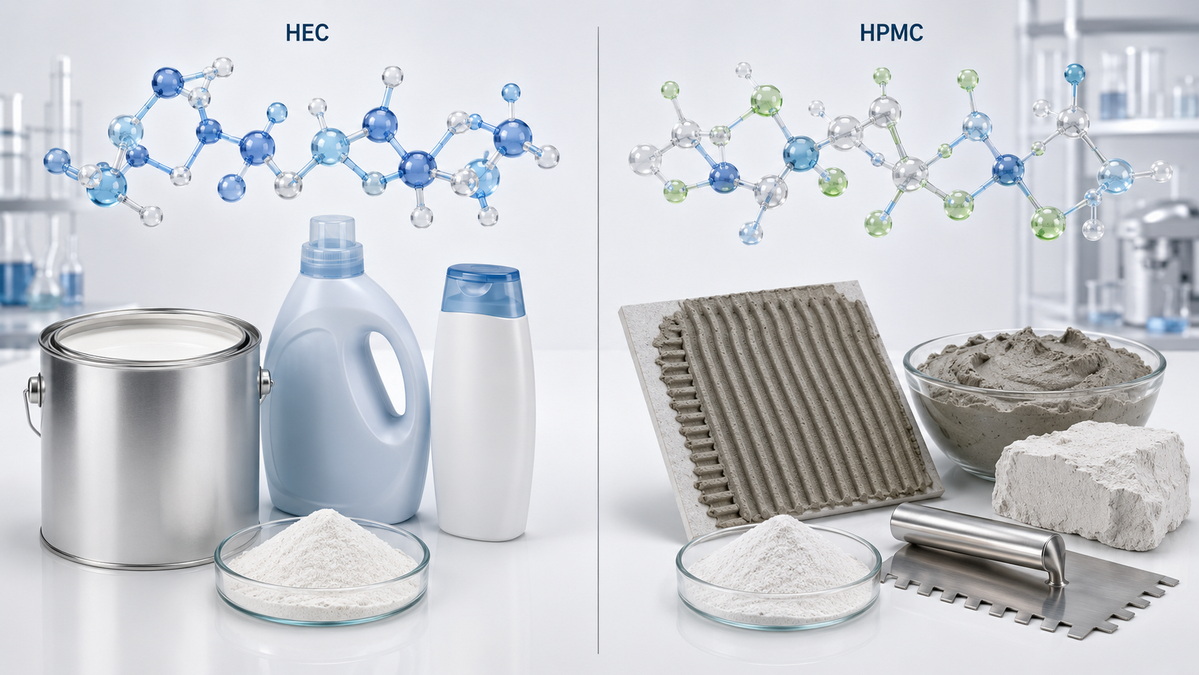
Compare HEC vs HPMC for water-based paint, personal care, tile adhesive, mortar, and dry-mix construction materials. Learn the differences in viscosity, water retention, rheology, solubility, application performance, and grade selection for reliable formulation results.

This guide compares leading Cellulose HEC manufacturers and suppliers serving the Japanese market. It reviews supplier positioning, application strengths, quality documentation, supply flexibility, MOQ considerations, and common procurement risks for coatings, construction chemicals, personal care, and household-product buyers.

Choosing the right Hydroxypropyl Methylcellulose (HPMC) grade requires more than comparing viscosity values. This guide explains how HPMC grades differ in viscosity, substitution, hydration behavior, water retention, particle size, and application performance. It also compares HPMC, HEMC, and HEC for construction and daily chemical formulations, helping formulators and buyers make more reliable material-selection decisions.


