


close
Choose Your Site
Global
Social Media

Does HEC need heating to thicken? Learn how hydroxyethyl cellulose hydrates, why delayed-hydration grades behave differently, and how temperature, pH, and mixing affect viscosity. Get practical preparation steps, troubleshooting guidance, and testing tips for construction and daily-chemical formulations.

Is hydroxyethyl cellulose harmful to the skin? Learn what HEC does in cosmetics, how ingredient safety differs from finished-product safety, and why grade selection, preservation, and testing matter. Explore practical guidance for consumers, formulators, and personal-care manufacturers.
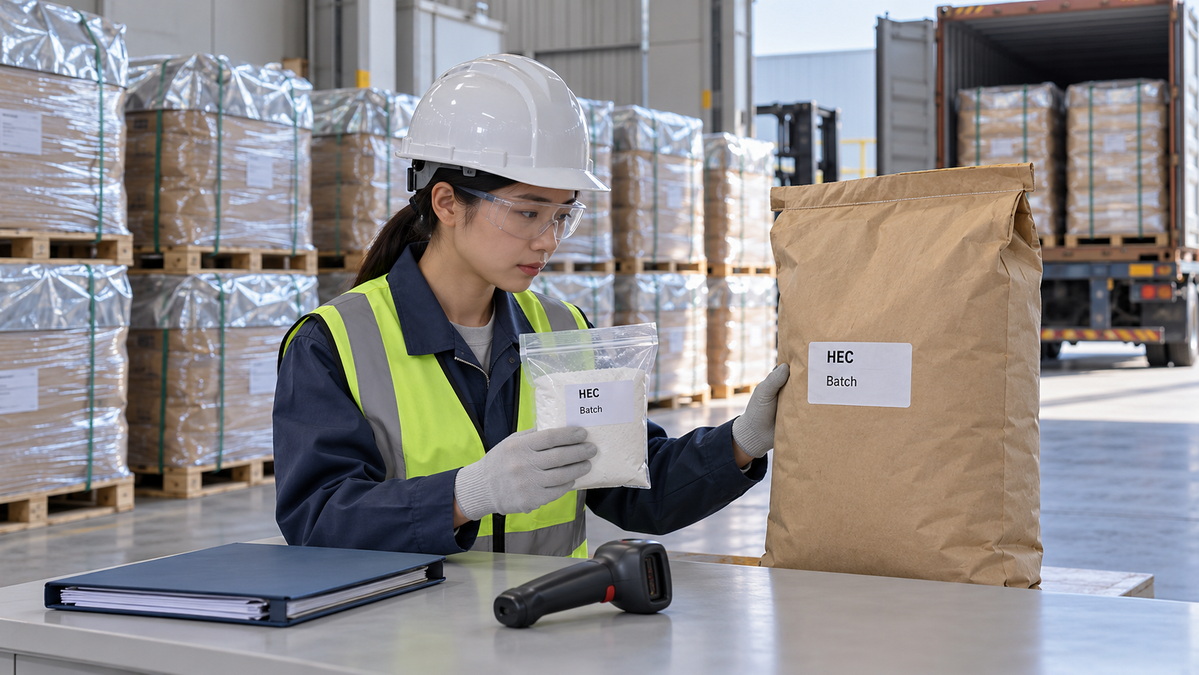
Compare five Cellulose HEC sourcing options for Malaysia, including local suppliers and Shandong Shengda. Review manufacturing identity, capacity claims, MOQ transparency, technical grades, certification checks, sampling, and logistics to select a reliable long-term partner for your next supply contract.

Explore cellulose ethers, their manufacturing process, and the role of hydroxyethyl cellulose in construction and personal care. Learn how to select HEC grades, improve hydration, evaluate formulation performance, and assess sustainability claims with a practical, application-focused approach.

Cellulose is a natural polymer, while hydroxyethyl cellulose is a chemically modified derivative. Discover how they differ, why HEC dissolves in water, how it supports construction and personal care formulations, and what buyers should check when selecting grades and evaluating environmental claims.

This guide reviews leading Hydroxyethyl Cellulose (HEC) manufacturers and suppliers serving France, including French production sites, European brands, and export-oriented alternatives. Compare sourcing strengths, technical fit, certifications, MOQ flexibility, supply risks, and verification steps for coatings, construction, and personal-care formulations.

Hydroxyethyl Cellulose (HEC) is a multifunctional, water-soluble cellulose ether used in paints, coatings, cosmetics, detergents, construction materials, and specialized formulations. It improves viscosity, water retention, rheology, stability, anti-sag performance, texture, and particle suspension. Selecting the right HEC grade and using a controlled hydration process can improve manufacturing efficiency, storage stability, and end-product performance.

Learn how Hydroxyethyl Cellulose (HEC) dissolves in water, controls viscosity, and improves performance in paints, coatings, cosmetics, detergents, adhesives, and construction materials. Explore HEC properties, dissolution methods, formulation tips, troubleshooting, and supplier guidance.
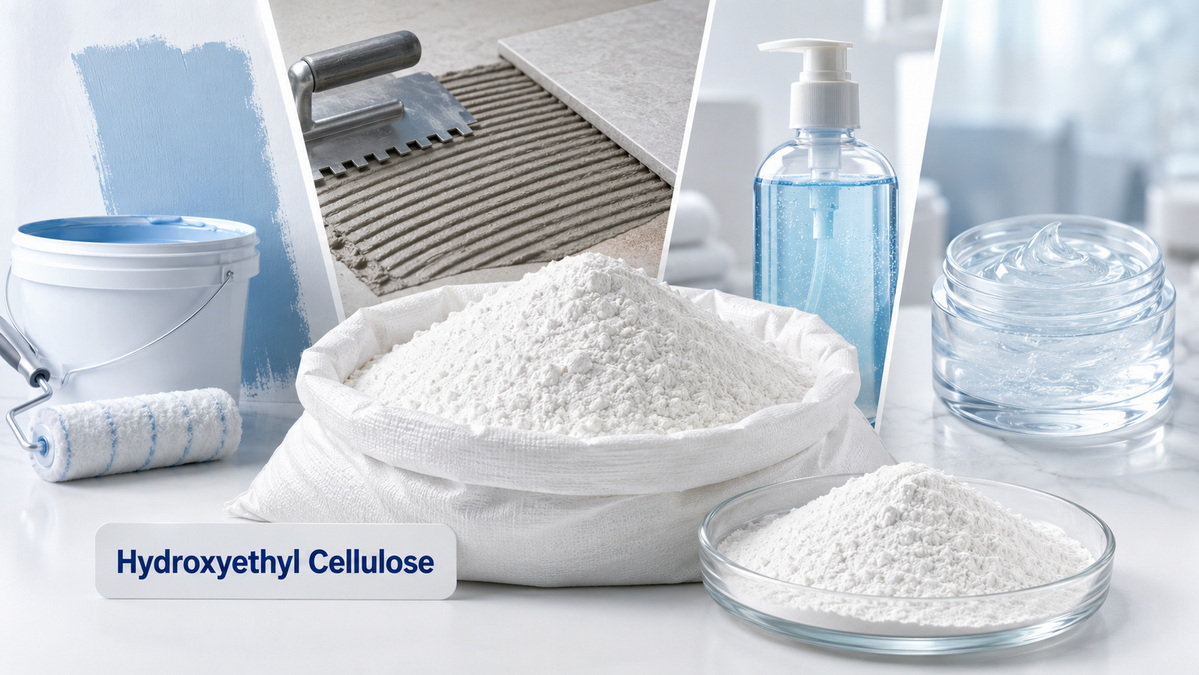
Explore leading hydroxyethyl cellulose manufacturers and learn how to select the right HEC supplier for water-based paints, construction materials, detergents, and personal care. Compare Dow, Ashland, Nouryon, Shin-Etsu, and Shandong Shengda using practical quality, testing, and supply criteria.


