


close
Choose Your Site
Global
Social Media
Views: 222 Author: Rebecca Publish Time: 2026-02-01 Origin: Site


Content Menu
● What Is Hydroxy Ethyl Cellulose HEC
● Core Performance Advantages of HEC
● HEC in Construction Mortars Renders and Cement Based Systems
● HEC in Personal Care and Cosmetics
● HEC in Food and Pharmaceutical Uses
● HEC in Adhesives and Specialty Applications
● Safety Regulatory Status and Environmental Profile of HEC
● Practical Selection Guide Matching HEC Grades to Applications
● Simple Application Workflow How to Use HEC Effectively
● Conclusion and Targeted Call to Action
● FAQ About Hydroxy Ethyl Cellulose
>> Q1 What exactly is Hydroxy Ethyl Cellulose HEC
>> Q2 Is HEC safe for use in personal care food and pharmaceutical products
>> Q3 How does HEC improve cement based mortar performance
>> Q4 Why is HEC often preferred in water based paints
>> Q5 Is Hydroxy Ethyl Cellulose environmentally friendly
Hydroxy Ethyl Cellulose HEC is a multifunctional water soluble cellulose ether widely used as a thickener rheology modifier film former and stabilizer across construction coatings personal care and other industries. This guide explains what HEC is how it works and how end users in different sectors can select and apply it for optimal performance.

Hydroxy Ethyl Cellulose is a non ionic water soluble polymer derived from natural cellulose through etherification with ethylene oxide. Because it is non ionic it is compatible with most ionic and non ionic additives surfactants and salts used in industrial formulations.
Key technical features of HEC include
- High water solubility in cold or hot water
- Excellent thickening and rheology control in aqueous systems
- Good film forming and binding properties
- Suspension stabilization and anti settling effects
- Electrolyte tolerance and pH stability in a wide range typically pH 3 to 11
These properties make HEC a core cellulose ether grade for paints construction products daily chemical formulations and many specialty applications.
From a formulation engineers perspective HEC is chosen not only as a thickener but as a multifunctional performance additive.
Main functional advantages of HEC include
- Rheology control builds desirable viscosity profiles low shear sag resistance high shear brush or roller feel
- Water retention reduces water loss in cement based and gypsum based materials improving hydration and strength development
- Stabilization prevents phase separation pigment settling and syneresis in emulsions and suspensions
- Film formation and binding enhances surface adhesion consistency and appearance of coatings and personal care products
- Workability improvement provides better slip open time and handling characteristics in mortar and adhesive systems
By adjusting molecular weight substitution level and viscosity grade manufacturers can offer HEC products tailored to different industries such as architectural coatings dry mix mortars and personal care formulations.
In construction Hydroxy Ethyl Cellulose is widely used in cement based and gypsum based dry mix products as a thickener and water retention agent.
Typical construction applications include
- Tile adhesives and tile grouts
- Self leveling underlayments SLU and floor compounds
- Repair mortars and skim coats
- Exterior insulation and finish systems EIFS adhesives and basecoats
- Plaster render and joint fillers
Key benefits of HEC in these systems include
- Improved workability smoother creamier mortar with better trowelability and pumpability
- Reduced sagging enhanced vertical hold for tile adhesive and wall putty
- Water retention better cement hydration increased open time and reduced risk of cracks
- Consistency and stability uniform mixing behavior and reduced segregation or bleeding
For tile adhesive choosing a medium to high viscosity HEC grade can significantly improve slip resistance and open time especially in warm and windy application conditions.
Hydroxy Ethyl Cellulose is a cornerstone rheology modifier in water based architectural and industrial coatings. It helps control viscosity flow and leveling while preventing pigment settling.
Key coating types that commonly use HEC include
- Interior and exterior wall paints latex paints
- Primers sealers and undercoats
- Textured coatings and putty coatings
- Water borne industrial primers and topcoats
Main performance contributions of HEC in coatings
- Viscosity control enables target ranges for rolling brushing and spraying
- Sag resistance prevents paint from running on vertical surfaces delivering an even film
- Spatter reduction improves application experience for both do it yourself and professional painters
- Storage stability maintains uniform dispersion and prevents pigment or filler sedimentation
A combination of a higher molecular HEC for low shear stability and a lower molecular associative thickener for high shear control is often used to fine tune application feel and leveling.
In personal care HEC is valued for its ability to create a smooth uniform texture and to stabilize a wide variety of surfactant and emulsion systems.
Typical product categories using HEC
- Shampoos and hair conditioners
- Shower gels and facial cleansers
- Creams lotions and gels
- Toothpastes and oral care gels
- Styling products and leave on treatments
Functional roles of HEC in cosmetics
- Thickening and rheology modification suitable for light lotions rich creams and dense gels
- Stabilization helps maintain stable emulsions and suspensions
- Sensory enhancement contributes to a pleasant non sticky skin feel and slip in hair products
- Clear formulations specific cosmetic grade HEC types support high clarity in gels and shampoos
In a sulfate free shampoo HEC can be combined with mild surfactants to build viscosity stabilize foam and reduce phase separation during storage.
Hydroxy Ethyl Cellulose is also used as a food additive and in certain pharmaceutical formulations where it functions as a thickener stabilizer or binder.
Food applications where approved may include
- Sauces and dressings
- Beverages and syrups
- Low fat or reduced calorie products where texture must be rebuilt
In pharmaceutical and healthcare contexts HEC can be used in
- Topical gels and creams
- Oral suspensions and syrups
- Controlled release matrices and tablet coatings together with other cellulose ethers
In many regions HEC for food and pharmaceutical use must meet strict purity and safety specifications and is used in accordance with local regulations and guidelines.
Beyond mainstream industries Hydroxy Ethyl Cellulose is an important additive in adhesives and multiple specialty sectors.
In adhesives HEC provides
- Enhanced bonding strength through improved wet tack and film formation
- Controlled open time for positioning and assembly
- Better viscosity control for roll brush or bead application
Common adhesive application areas that use HEC
- Packaging and paper lamination
- Woodworking and furniture assembly
- Construction adhesives and sealants
Additional specialty uses of HEC may include
- Oilfield fluids and drilling muds for viscosity and fluid loss control
- Textile printing pastes and finishing agents
- Ceramics and pigments as a binder and suspension aid
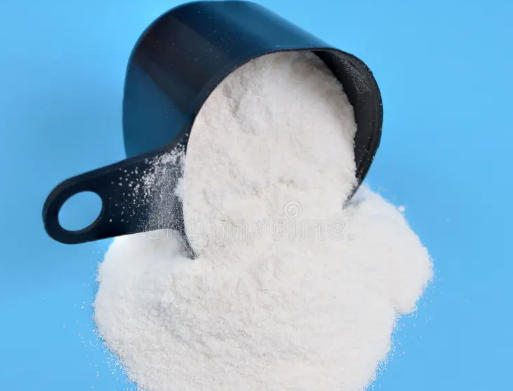
Hydroxy Ethyl Cellulose is generally recognized as safe for certain uses and is widely accepted in personal care food and pharmaceutical products when used within regulatory guidelines.
Key safety and environmental points
- Low toxicity HEC is regarded as having low acute and chronic toxicity in typical industrial and consumer exposures
- Biodegradability as a cellulose derived polymer HEC is considered biodegradable and has a relatively low environmental footprint
- Regulatory acceptance used worldwide in diverse applications under country specific regulations
Formulators should always consult local regulations and material safety data to confirm allowable uses and compliance requirements in their markets.
Different industries require different viscosity levels substitution degrees and solution behaviors. The following table provides a simple guide to typical HEC grade choices.
| Application sector | Typical HEC viscosity range 2 percent solution | Main functions |
|---|---|---|
| Construction dry mix mortars | Medium to high | Water retention workability anti sag |
| Architectural paints and coatings | Low to medium | Rheology control sag resistance stability |
| Personal care shampoos gels | Low to medium | Thickening stabilization sensory feel |
| Food and beverage systems | Low to medium | Texture improvement stabilization |
| Adhesives paper wood building | Medium to high | Viscosity control open time bonding aid |
Selecting the right HEC grade should be done in cooperation with a professional cellulose ether manufacturer that can provide technical data pilot scale testing and formulation recommendations.
To maximize performance correct dispersion and dissolution of Hydroxy Ethyl Cellulose are essential.
A typical application workflow includes
1. Premix with dry components when possible blend HEC uniformly into dry powders such as cement fillers and pigments before adding water
2. Controlled addition to water for liquid systems slowly add HEC under vigorous agitation to avoid lumping and ensure full wet out
3. Hydration time allow sufficient time for HEC to hydrate and develop full viscosity before final adjustment or use
4. Viscosity adjustment fine tune viscosity by adjusting solids content shear conditions or combining with other rheology modifiers
5. Performance testing check sag resistance open time leveling and stability in end use conditions and adjust grade or dosage as needed
If you are developing or upgrading construction materials coatings personal care products food systems adhesives or specialty formulations selecting the appropriate Hydroxy Ethyl Cellulose grade is essential for achieving stable and reliable performance. Shandong Shengda New Material Co Ltd focuses on cellulose ethers including HEC HPMC and HEMC and can provide tailored grades technical support and consistent supply to match your specific application needs.
To obtain detailed product specifications formulation recommendations or samples for lab evaluation please contact our technical team directly through our official website inquiry form or email. Share your industry application and key performance requirements and our experts will recommend suitable HEC grades and support you from formulation design to industrial production.
Contact us to get more information!
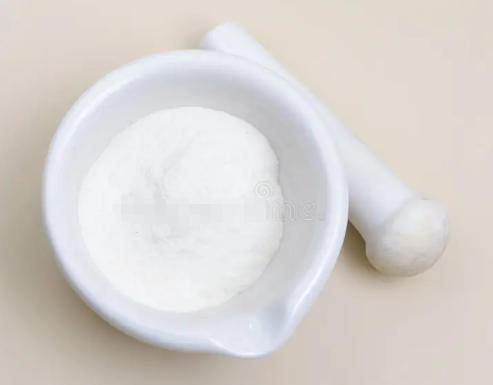
HEC is a water soluble non ionic polymer obtained by chemically modifying natural cellulose with ethylene oxide. It offers strong thickening stabilizing and film forming properties for water based systems and is used in construction coatings personal care food adhesives and many other applications.
HEC is widely used in personal care food and pharmaceutical applications and is generally recognized as safe when used according to relevant regulations and recommended dosage guidelines. It has low toxicity and is accepted by authorities in many regions for appropriate end uses.
In cement based mortars and tile adhesives HEC increases water retention improves workability enhances open time and reduces sagging or slumping on vertical surfaces. These effects support better cement hydration more uniform strength development and a lower risk of cracks and surface defects.
Because HEC is non ionic and highly compatible it offers stable viscosity excellent sag control and good storage stability without strongly interacting with pigments binders or surfactants. As a result many water based paints use HEC to obtain consistent application properties and an even surface appearance.
HEC is derived from cellulose and is biodegradable which contributes to a relatively low environmental impact compared with many purely synthetic polymers. For manufacturers and brand owners seeking more sustainable formulations HEC can play an important role in balancing performance and environmental considerations.


