


close
Choose Your Site
Global
Social Media
Views: 222 Author: Rebecca Publish Time: 2026-02-01 Origin: Site


Content Menu
● What is Hydroxypropyl Methylcellulose (HPMC)?
>> Thickening and Rheology Control
>> Water Retention and Stability
>> Typical HPMC Performance Indicators
● Applications of HPMC Across Industries
● HPMC vs HEMC and HEC: How to Choose the Right Cellulose Ether
>> Overview of HPMC, HEMC, and HEC
● Market Trends and Industry Insights
>> Case Example 1: Tile Adhesive Optimization
>> Case Example 2: EIFS Mortar for Challenging Climates
>> Formulation Tips from Industry Practice
● Safety, Handling, and Regulatory Aspects
● Practical Guidelines for Using HPMC in Formulations
● Why Choose Shandong Shengda New Material Co., Ltd. for HPMC, HEMC, and HEC?
● Clear Call to Action: Work with Shandong Shengda Today
● FAQ
>> 1. What is the difference between HPMC and HEMC?
>> 2. Is HPMC safe for use in food and pharmaceuticals?
>> 3. What viscosity of HPMC is typically used in tile adhesives?
>> 4. How does HPMC improve mortar workability?
>> 5. What should I consider when choosing between HPMC, HEMC, and HEC?
Hydroxypropyl methylcellulose (HPMC) is a versatile cellulose ether widely used across industries for its superior thickening, water retention, and film-forming properties. As a professional manufacturer such as Shandong Shengda New Material Co., Ltd. specializes in HPMC, HEMC, and HEC production, this guide explores its key attributes, real-world uses, and latest trends to help you optimize formulations.
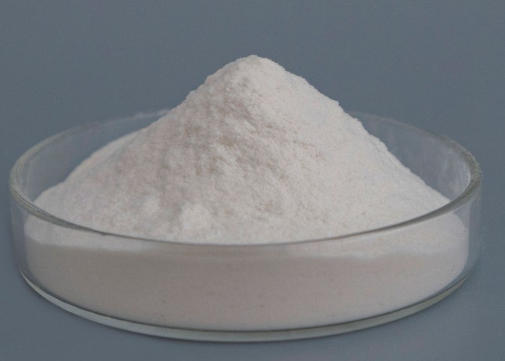
HPMC, or hydroxypropyl methylcellulose, is derived from natural cellulose through chemical modification with methyl and hydroxypropyl groups. This non-ionic polymer exhibits excellent solubility in water and many organic solvents, forming clear, viscous solutions.
It comes in various grades tailored for specific viscosities, from low (for fluid applications) to high (for thick gels). High-purity cellulose raw materials and controlled etherification ensure consistent performance and low impurity levels.
HPMC shows thermoplastic behavior and can be processed at elevated temperatures without significant degradation, which supports its use in a wide variety of industrial formulations.
HPMC stands out due to its multifaceted properties that directly enhance product performance in construction, pharmaceuticals, food, and personal care.
HPMC acts as an efficient thickener, increasing viscosity while maintaining shear-thinning behavior for easy application and excellent workability. The viscosity of aqueous HPMC solutions can be precisely adjusted through molecular weight and substitution level.
This rheological control helps prevent sagging on vertical surfaces, enhances spreadability, and improves the final surface finish of mortars, coatings, and pastes.
HPMC exhibits excellent water retention, reducing evaporation and slowing down water loss in cement-based and gypsum-based systems. This extended water retention improves hydration of binders, supports strength development, and reduces the risk of shrinkage cracks.
In dry-mix mortars and tile adhesives, HPMC helps extend open time and correction time, allowing applicators to work more comfortably and achieve better bonding performance.
When water evaporates, HPMC can form flexible, transparent films with strong adhesion to many substrates. This film-forming ability contributes to improved bonding strength in cementitious materials and provides protective, smooth coatings in pharmaceutical and personal care products.
The balance between flexibility and mechanical strength makes HPMC suitable for tablet coatings, protective colloids, and binder roles in various formulations.
HPMC is stable over a wide pH range and can be used in both acidic and alkaline systems. In construction applications, it maintains performance in the highly alkaline environment of cement and lime.
It also shows good thermal stability in typical processing and service temperature ranges, helping maintain viscosity and performance during mixing, application, and curing.
| Property | Benefit | Typical Range / Feature |
|---|---|---|
| Viscosity range | Flexible thickening design | From low to very high grades |
| Water retention | Longer open time, fewer cracks | High retention in mortars |
| Film-forming ability | Better adhesion and surface quality | Clear, flexible films |
| pH stability | Use in wide formulation conditions | Broad pH compatibility |
| Solubility | Easy dispersion and solution preparation | Cold or hot water soluble |
Understanding how HPMC is produced is important for evaluating quality and consistency. A modern manufacturer like Shandong Shengda New Material Co., Ltd. typically follows a strictly controlled process to ensure stable performance across batches.
1. Raw Material Selection
High-purity refined cotton or wood pulp is selected as the cellulose source. The cellulose purity has a strong influence on the final product's color, odor, and ash content.
2. Alkali Treatment (Alkalization)
The cellulose reacts with an aqueous sodium hydroxide solution. This step swells the cellulose fibers, activates hydroxyl groups, and prepares the material for etherification.
3. Etherification Reaction
The alkalized cellulose is reacted with methyl chloride and propylene oxide under controlled temperature and pressure. During this stage, methyl and hydroxypropyl groups are introduced into the cellulose backbone, forming hydroxypropyl methylcellulose.
4. Neutralization and Washing
After the reaction, by-products and residual salts are removed through multiple washing steps. The product is neutralized to a suitable pH and carefully cleaned to achieve low ash and low impurity levels.
5. Drying and Milling
The wet HPMC is dried under controlled conditions and then milled to obtain a uniform powder with the desired particle size distribution. Proper milling ensures good dispersibility and solution behavior.
6. Sieving and Quality Control
The final powder is sieved and subjected to strict quality testing, including viscosity, moisture, ash content, pH, substitution degree, and microbiological parameters for food and pharmaceutical grades.
Through this process, manufacturers can provide different HPMC grades tuned for construction, pharmaceutical, food, or personal care applications.
HPMC's versatility makes it a key functional ingredient in many industries. Its main roles include thickener, water-retention agent, binder, film-former, stabilizer, and protective colloid.
In the construction industry, HPMC is an indispensable additive for dry-mix mortar products. Typical applications include:
- Tile adhesives and tile grouts
- Cement and gypsum-based plasters and renders
- Self-leveling compounds
- External insulation and finish systems (EIFS) mortars
- Masonry mortars and repair mortars
Key benefits in construction formulations:
- Improved water retention, ensuring proper cement hydration and reducing cracks
- Extended open time and adjustment time for tile adhesives
- Enhanced sag resistance and slip resistance on vertical surfaces
- Better workability, trowelability, and surface smoothness
- Reduced bleeding and segregation in mortars
By selecting suitable viscosity and substitution levels, HPMC can be tailored to achieve the required balance between workability, strength, and final appearance.
In the pharmaceutical field, HPMC is a well-established excipient used in both solid and liquid dosage forms. Its typical roles include:
- Binder in wet granulation for tablets and capsules
- Film-forming polymer for tablet coatings (immediate release and modified release)
- Matrix-forming polymer for controlled or sustained release tablets
- Thickener and stabilizer in suspensions, ophthalmic formulations, and topical gels
Benefits in pharmaceutical applications:
- Non-ionic, inert, and compatible with many active ingredients
- Good film-forming and mechanical properties for robust coatings
- Ability to fine-tune drug release profiles through polymer viscosity and substitution
- Low toxicity and good safety record in oral and topical use
Pharmaceutical-grade HPMC is produced under strict GMP guidelines and must meet pharmacopeial standards regarding purity, viscosity, and microbiological quality.
Food-grade HPMC, often labeled as E464, is widely used as a thickener, stabilizer, and emulsifier in processed foods. Typical uses include:
- Bakery products, especially gluten-free formulations
- Dairy analogues and non-dairy creamers
- Sauces, dressings, and condiments
- Frozen desserts and ice creams
In these applications, HPMC helps improve texture, moisture retention, freeze-thaw stability, and mouthfeel. It can also provide structure in gluten-free dough systems.
In personal care and household products, HPMC is used in:
- Shampoos and conditioners
- Lotions, creams, and gels
- Toothpastes and mouthwashes
- Detergents and cleaning products
Its roles include thickening, stabilization of dispersed phases, and improving sensory properties such as smoothness and spreadability.
Since Shandong Shengda New Material Co., Ltd. supplies HPMC, HEMC, and HEC, it is important for formulators to understand the main differences and select the most appropriate product for each application.
- HPMC (Hydroxypropyl Methylcellulose):
Balanced water retention, thickening, and film-forming properties; widely used in construction, pharmaceuticals, food, and personal care.
- HEMC or MHEC (Hydroxyethyl Methylcellulose):
Similar to HPMC but with hydroxyethyl groups, offering excellent water retention and often better performance in high-temperature or harsh construction environments.
- HEC (Hydroxyethyl Cellulose):
Non-ionic cellulose ether with strong thickening effects, especially suitable for water-based coatings, paints, and some personal care products.
| Feature | HPMC | HEMC | HEC |
|---|---|---|---|
| Main substituents | Methyl, hydroxypropyl | Methyl, hydroxyethyl | Hydroxyethyl |
| Ionic character | Non-ionic | Non-ionic | Non-ionic |
| Water retention | Excellent | Excellent, especially at high temperature | Very good |
| Thermal stability | Good | Very good in harsh conditions | Good |
| Typical applications | Mortars, tile adhesives, pharma, food | Mortars in high-demand environments | Paints, coatings, personal care |
| Film-forming | Strong | Strong | Moderate to strong |
- Choose HPMC for general-purpose construction mortars, tile adhesives, putties, and for pharmaceutical and food applications requiring well-balanced properties.
- Choose HEMC where mortars face higher temperatures or stricter anti-sag requirements, such as external insulation systems or hot climates.
- Choose HEC primarily for water-based paints, coatings, and some cleaning or personal care products where high thickening and good color acceptance are needed.
The global HPMC market has been expanding steadily, driven by growth in construction chemicals, pharmaceuticals, and processed foods. Several clear trends are shaping the industry:
- Rapid urbanization and infrastructure development in Asia-Pacific regions are increasing demand for high-performance dry-mix mortars and tile adhesives.
- Green building and energy-saving requirements are promoting the use of external insulation systems and advanced mortars where HPMC plays a crucial role.
- Pharmaceutical innovation, especially in controlled-release dosage forms, continues to reinforce the importance of high-quality HPMC excipients.
- Sustainability and resource efficiency are encouraging manufacturers to optimize production processes, reduce emissions, and develop grades that support lower VOC and eco-friendly formulations.
For buyers and formulators, partnering with experienced manufacturers that can offer technical support and consistent quality is becoming increasingly important.
A tile adhesive producer introduced a medium-to-high viscosity HPMC grade into its formulation aimed at large-format porcelain tiles. After lab and field testing, the adhesive showed:
- Extended open time and improved wetting of the tile back
- Significantly reduced tile slip on vertical walls
- Improved workability for installers and a smoother final surface
By fine-tuning the HPMC dosage, the company achieved a better balance between anti-sag performance and ease of spreading, while keeping material costs under control.
A mortar manufacturer developing an external insulation and finish system for use in regions with large temperature fluctuations selected a specialized HPMC grade designed for EIFS applications. The benefits included:
- Improved adhesion between insulation boards and base mortar
- Enhanced crack resistance due to better water retention and curing behavior
- Stable performance during cold and warm seasons with reduced risk of surface defects
These improvements helped the system meet local standards and boosted confidence among construction contractors.
- Start with a recommended HPMC dosage range for the application (for example, 0.2–0.5% by weight of dry mix for many mortars) and then fine-tune in the lab.
- Adjust viscosity grade depending on whether you need higher sag resistance (higher viscosity) or easier pumping and leveling (lower to medium viscosity).
- Combine HPMC with other additives such as redispersible polymer powders, defoamers, and setting regulators for more comprehensive performance optimization.
HPMC is generally regarded as a safe and non-toxic material when used as intended. For industrial and professional users, the following points are important:
- Regulatory acceptance: Food-grade HPMC (E464) is approved in many countries as a food additive. Pharmaceutical-grade HPMC is listed in major pharmacopeias and widely used as an excipient.
- Toxicological profile: HPMC is considered non-irritating and non-sensitizing in normal use. It is not expected to be harmful by ingestion in typical food and pharmaceutical levels.
- Handling precautions:
- Avoid excessive dust formation during handling and transferring.
- Provide adequate ventilation or localized exhaust for large-scale operations.
- Use standard personal protective equipment such as dust masks or respirators, gloves, and safety glasses if dust exposure may occur.
- Storage recommendations:
- Store in a cool, dry place away from direct sunlight and moisture.
- Keep bags or containers tightly closed to prevent moisture uptake and contamination.
- Observe first-in, first-out (FIFO) inventory rotation to maintain freshness.
By following recommended handling and storage practices, users can maintain HPMC quality and minimize any occupational exposure risks.
To achieve the best performance from HPMC, it is important to disperse and hydrate it correctly.
1. Dry Blending in Powder Systems
In dry-mix mortars, HPMC is typically premixed with other powdered ingredients. End users only need to add water at the job site. This ensures even distribution and simplifies handling.
2. Pre-Wetting and Dispersion in Liquids
For liquid systems, HPMC can be dispersed in hot water and then cooled to form a smooth solution, or introduced into water under high agitation to minimize lump formation. Some grades are surface-treated to improve dispersibility.
3. Dosage Control
Small changes in dosage can have noticeable effects on viscosity and workability. It is recommended to conduct lab tests and pilot trials to define the optimal addition level for each specific formulation.
4. Compatibility Checks
For complex systems containing salts, surfactants, or other polymers, compatibility tests should be performed to confirm long-term stability and appearance.
By following these guidelines, formulators can fully benefit from the thickening, stabilizing, and stabilizing properties of HPMC.
Shandong Shengda New Material Co., Ltd. is a professional manufacturer dedicated to the research, development, production, and sales of cellulose ethers, including HPMC, HEMC, and HEC. With modern production lines, advanced quality control systems, and an experienced technical team, the company is able to provide customers with:
- A complete portfolio of cellulose ether products for construction, pharmaceutical, food, and personal care industries.
- Stable and reliable quality based on strict raw material selection and standardized manufacturing processes.
- Customized technical support and formulation guidance to help customers optimize performance and cost.
- Flexible packaging and logistics solutions suitable for global export markets.
By partnering with Shandong Shengda, customers can obtain not only high-quality products but also long-term technical cooperation and after-sales service.
If you are looking for a trustworthy supplier of HPMC, HEMC, and HEC for construction, pharmaceuticals, food, or personal care applications, Shandong Shengda New Material Co., Ltd. is ready to support your projects. Contact our team today to discuss your formulation needs, request tailored product recommendations, and obtain free samples for testing. Take the next step to improve your product performance and stability by partnering with a professional cellulose ether manufacturer.
Contact us to get more information!
HPMC (hydroxypropyl methylcellulose) and HEMC (hydroxyethyl methylcellulose) are both non-ionic cellulose ethers. HPMC is modified with methyl and hydroxypropyl groups, while HEMC is modified with methyl and hydroxyethyl groups. In practice, HEMC often shows excellent water retention and may provide better performance under high-temperature or harsh construction conditions. HPMC is widely used for general-purpose mortars, tile adhesives, and many other applications.
Yes. Food-grade HPMC, commonly known as E464, is approved in many countries as a food additive and is used as a thickener, stabilizer, and emulsifier. Pharmaceutical-grade HPMC is widely used as an excipient in tablets, capsules, suspensions, and topical formulations. It has a good safety profile, is considered non-toxic at typical use levels, and is accepted by major regulatory authorities when it meets the relevant purity standards.
Tile adhesives often use medium to high viscosity HPMC grades. Higher viscosity grades provide stronger water retention and better anti-sag performance on vertical surfaces, which is especially important for heavy or large-format tiles. The exact viscosity requirement depends on the specific formulation and application method, so lab trials are recommended to identify the optimal grade and dosage.
HPMC improves mortar workability by thickening the mix, retaining water, and providing a lubricating effect between particles. This results in a smoother, creamier mortar that is easier to spread and shape. At the same time, better water retention supports consistent hydration of the cement, which improves final strength and reduces the risk of cracking. The overall effect is a mortar that is more user-friendly and delivers more reliable performance on site.
When choosing between HPMC, HEMC, and HEC, you should consider the type of product you are formulating and the performance you need. HPMC is a versatile choice for construction mortars, tile adhesives, pharmaceutical excipients, and some food and personal care products. HEMC is particularly suitable for construction mortars exposed to high temperatures or demanding conditions, where extra water retention and anti-sag properties are desired. HEC is commonly used in water-based paints, coatings, cleaning products, and some personal care items where strong thickening and good color acceptance are essential. Working with a manufacturer that can recommend specific grades based on your formulation requirements will help you make the best choice.
1. https://www.hpmcfactory.com/resources/application-and-properties-of-hydroxypropylmethylcellulose-hmpc.html
2. https://www.celotech.com/technology/hydroxypropyl-methyl-cellulosehpmc-properties-that-enables-its-wide-applications/
3. https://www.hpmc.com/company-news/understanding-hpmc-and-its-key-properties.html
4. https://www.kimacellulose.com/what-are-the-industrial-uses-of-hydroxypropyl-methylcellulose.html
5. https://wotaichem.com/the-ultimate-guide-to-hpmc/
6. https://www.kdochem.com/news/understanding-the-different-hpmc-grades-and-their-applications.html
7. https://www.yaguanhpmc.com/news/hpmc-manufacturing-process-overview.html
8. https://www.ihpmc.com/news/production-process-and-flow-of-hpmc/
9. https://www.yaguanhpmc.com/news/hpmc-hydroxypropyl-methyl-cellulosewater-retentionthickener.html
10. https://www.celotech.com/news/advantages-of-hpmc-in-building-materials-and-tile-adhesives/
11. https://www.hpmc.com/company-news/hpmc-uses-in-construction-enhancing-building-materials.html
12. https://pmc.ncbi.nlm.nih.gov/articles/PMC12196896/
13. https://www.meskajoinway.com/technical-blogs/why-can-food-grade-hpmc-be-safely-consumed/
14. https://www.pharmaexcipients.com/news/hpmc-key-excipient/
15. https://www.skyquestt.com/report/hydroxypropyl-methylcellulose-market/market-size
16. https://www.linkedin.com/pulse/hydroxypropyl-methyl-cellulose-hpmc-market-growth-bs44c
17. https://www.linkedin.com/pulse/asia-pacific-construction-grade-hpmc-market-cagr-hg3lc
18. https://www.shengdahpmc.com
19. https://www.shengdahpmc.com/hpmc-manufacturer-supplier/
20. https://www.shengdahpmc.com/hemcmhec/


