


close
Choose Your Site
Global
Social Media
Views: 222 Author: Rebecca Publish Time: 2026-03-14 Origin: Site


Content Menu
● What Is Construction-Grade HPMC and Why It Matters in the Philippines
● How We Structured the HPMC Supplier Evaluation
>> Customer-Centric Evaluation Criteria
● Key Customer Pain Points When Buying HPMC in the Philippines
>> Inconsistent Quality Between Batches
>> Delayed Deliveries and Stock-Outs
>> Misleading “Factory Direct” Claims
● Global Market Context: Why Manufacturer Choice Matters
● Ranking Framework: How to Compare HPMC Manufacturers and Suppliers
● Shandong Shengda New Material: Specialist in Construction-Grade HPMC
● Other Reference Categories of HPMC Manufacturers
>> International Benchmark Producers
>> Competitive Chinese Construction-Focused Manufacturers
● Role of Local Distributors and Suppliers in the Philippines
● What Customers Really Care About on Philippine Job Sites
>> Performance Under Real Conditions
>> Total Cost, Not Just Unit Price
>> Long-Term Partnership and Stability
● Practical Steps to Qualify an HPMC Supplier for Philippine Projects
>> Step 1: Request Comprehensive Technical Documentation
>> Step 2: Run Lab Screening and Small-Scale Trials
>> Step 3: Perform Jobsite Trials Under Local Conditions
>> Step 4: Monitor Consistency Across Shipments
● Sustainability and Regulatory Considerations for Construction-Grade HPMC
● Key Questions to Ask Potential HPMC Partners
● Call to Action: Strengthen Your HPMC Supply Chain
● Frequently Asked Questions (FAQ)
>> 1. What is the main function of HPMC in tile adhesives?
>> 2. Why is water retention so important in the Philippine climate?
>> 3. How can I verify whether an HPMC supplier is a real manufacturer?
>> 4. Does higher viscosity always mean better performance?
>> 5. How does HPMC contribute to sustainability in construction?
Hydroxypropyl Methyl Cellulose (HPMC) has become a critical performance additive in Philippine construction, tile adhesive, skim coat, and personal care formulations, especially under the country's hot and humid climate. Choosing the right HPMC manufacturer or supplier is no longer just a purchasing decision; it directly affects jobsite quality, contractor reputation, and total project cost. This guide provides a practical, expert-level framework for comparing Hydroxypropyl Methyl Cellulose manufacturers and suppliers serving the Philippines, with a particular focus on construction-grade HPMC solutions from China-based producers such as Shandong Shengda New Material Co., Ltd. [mixeonchina]

HPMC is a non-ionic cellulose ether widely used as a water-retaining, thickening, and workability-enhancing additive in cement- and gypsum-based materials. In tile adhesives, plastering mortars, skim coats, and self-leveling compounds, HPMC improves water retention, sag resistance, adhesion, and overall mortar cohesion. For a climate like the Philippines—characterized by high temperature, high humidity, and often porous substrates—strong water retention and adequate open time are essential to avoid tile slip, hollow tiles, cracking, or weak adhesion. [celotech]
Beyond construction, personal care-grade HPMC is also used in shampoos, lotions, and other daily chemical formulations as a safe, film-forming, and rheology-modifying polymer, but this article focuses primarily on construction-grade HPMC used by contractors, dry-mix factories, and distributors. [hpmcfactory]
To create a meaningful ranking and selection guide for HPMC manufacturers and suppliers serving the Philippine market, this article is structured around the real concerns of contractors, mortar producers, and distributors. It combines public market data, application guidelines from established cellulose ether producers, and best-practice B2B content principles. [varn.co]
Based on how professional buyers typically evaluate additives, we focused on six customer-facing dimensions: [hpmc]
1. Product performance on site
- Water retention, workability, anti-sagging, open time, bonding strength.
2. Batch-to-batch stability
- Consistent viscosity and performance across shipments and over time.
3. Technical support and formulation expertise
- Ability to help optimize tile adhesive, mortar, and putty formulas according to local raw materials.
4. Supply reliability and local availability
- Lead times to the Philippines, warehousing, and buffer stock arrangements.
5. Total cost and value
- Not just price per kilogram, but impact on dosage, rework rate, and labor productivity.
6. Reputation and long-term trust
- Case studies, repeat customers, certifications, and transparency in communication.
We also considered global market position and regional strength, since Asia-Pacific accounts for more than half of global HPMC volume and China is a major production base for construction chemicals. [databridgemarketresearch]
Despite a growing supplier base, Philippine buyers repeatedly report several pain points when sourcing HPMC. These issues can become significant cost and risk drivers if not addressed.
Contractors frequently mention that using HPMC from less reliable sources leads to batch variability—even when the grade name and viscosity label appear the same. In practice, this can mean that one batch of tile adhesive has good slip resistance and open time, while another suddenly sags or loses adhesion, forcing on-site teams to adjust water content or rework failed areas. For dry-mix manufacturers, this creates significant formulation instability, more lab testing, and higher quality-control costs. [mixeonchina]
The Philippines relies heavily on imported cellulose ethers, making logistics and inventory critical factors. When an HPMC shipment is delayed or a local distributor runs out of stock, job sites can face unplanned stoppages, leading to project delays and potential contractual penalties. Contractors consistently emphasize the importance of partners who maintain reasonable buffer stocks and can prioritize urgent deliveries, especially during peak construction seasons. [metalexponents]
Another common complaint is the prevalence of exporters or traders who present themselves as “factories” but cannot offer genuine technical support, quality tracking, or long-term stability. These sellers may source from multiple producers, switch origins without notice, or lack application engineers, which makes it difficult for Philippine buyers to keep formulas stable over time. This is where working with a real manufacturer—with its own R&D, production, and application labs—creates a clear advantage. [kemoxcellulose]
The global HPMC market has grown steadily, driven by construction, pharmaceuticals, food, and personal care applications. One analysis estimates the HPMC market at around USD 5.35 billion in 2025, with expectations to reach nearly USD 6.98 billion by 2033, at a compound annual growth rate of about 3–3.5%. Asia-Pacific, led by China, accounts for more than 50% of global HPMC revenue, supported by strong construction activity and efficient manufacturing. [intelmarketresearch]
For Philippine buyers, this means more options but also more complexity: not all producers invest equally in R&D, batch control, and application support. Selecting the right Chinese or regional producer with a proven track record in construction-grade HPMC is critical for long-term competitiveness. [celotech]
To provide a practical decision framework for buyers, we combine the six customer-facing dimensions into a weighted model. While this is not a laboratory benchmark, it reflects how professional procurement teams and technical directors actually choose partners. [toprankmarketing]
- Product performance and batch stability – 40%
Performance and stability directly determine jobsite quality and rework risk, so they carry the highest weight. [hpmcfactory]
- Technical support and formulation capability – 20%
For dry-mix producers and brand owners, the ability to cooperate with application engineers on formulation optimization is essential to differentiate their products. [toprankmarketing]
- Supply reliability and local footprint – 20%
Includes lead times, stock levels, and responsiveness to urgent orders and demand spikes. [tkl.com]
- Pricing and total cost of ownership – 10%
Focuses on cost-effectiveness at realistic dosages rather than lowest unit price. [databridgemarketresearch]
- Reputation, certifications, and transparency – 10%
Looks at ISO systems, application case studies, and openness in communication and problem-solving. [kimacellulose]
As a Chinese manufacturer focused on research, development, production, and sales of cellulose ethers, Shandong Shengda New Material Co., Ltd. is positioned as a solution provider for both construction-grade and daily chemical-grade HPMC. China holds the largest share of the Asia-Pacific HPMC market, and producers located there benefit from scale, raw material access, and mature export infrastructure. [databridgemarketresearch]
From the perspective of Philippine buyers, a specialist like Shandong Shengda can offer clear advantages when it focuses on:
- Dedicated construction-grade HPMC portfolios for tile adhesive, skim coat, plaster, EIFS, and self-leveling compounds, designed for demanding climates.
- Application-driven technical support, including recommended dosage ranges, test data, and assistance in adjusting formulations to local cement, sand, and filler conditions. [mixeonchina]
- Comprehensive product coverage, supplying both building-grade and personal-care-grade cellulose ethers, which helps distributors and manufacturers consolidate sourcing.
By sharing documented case studies, detailed technical data sheets, and clear quality-control procedures, Shandong Shengda can demonstrate the kind of consistent, professional support that construction chemical buyers rely on for high-performance systems. [celotech]
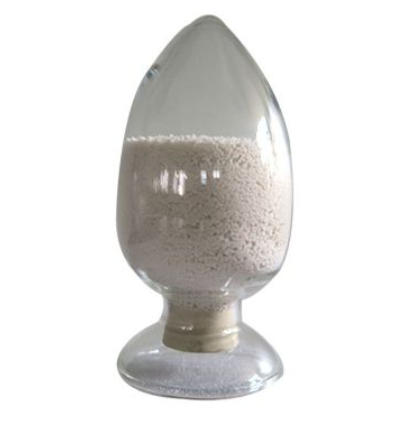
Well-known multinational producers often serve as the performance benchmark in HPMC. They typically offer tightly controlled viscosity ranges, broad technical documentation, and proven applications worldwide. For high-risk or symbolic projects, some Philippine buyers are willing to pay a premium to minimize performance uncertainty. [hpmc]
At the same time, their higher prices and sometimes longer lead times make them less common in cost-sensitive segments. In those segments, competitive Chinese manufacturers with strong quality systems and export experience can deliver more attractive value. [databridgemarketresearch]
Beyond large multinationals, there is a group of specialized Chinese HPMC producers that invest in R&D and export-grade quality with a clear focus on construction. These companies often provide: [hpmcfactory]
- Tailored construction-grade portfolios for different mortar and adhesive systems.
- Flexible grades designed to adapt to local raw material variations.
- Competitive pricing with reliable consistency and documentation.
When these producers can demonstrate long-term supply to Southeast Asia and evidence of performance in climates similar to the Philippines, they become highly attractive mid- to long-term partners. [celotech]
Although manufacturers are often based overseas, end users work directly with local suppliers on a daily basis. These companies handle importation, warehousing, and frontline support, and they strongly influence how smoothly HPMC-based formulations reach the market.
| Role | Buyer Priority | Project Impact |
|---|---|---|
| Local stockist | Inventory levels, lead times, emergency deliveries | Reduces site stoppages and project delays. (metalexponents) |
| Tech-oriented trader | Ability to liaise with manufacturer's lab and R&D | Speeds up problem-solving and formulation optimization. (mixeonchina) |
| Multi-product distributor | Single source for cement additives and polymers | Simplifies procurement and logistics chains. (metalexponents) |
Philippine contractors consistently highlight suppliers who maintain stable stocks of key viscosity grades and provide clear, practical advice for grade selection in tile adhesive, skim coat, and plaster systems. [mackunhardware]
Field feedback from construction chemical users shows that buyers focus less on theoretical parameters and more on real jobsite performance. [mixeonchina]
The most appreciated HPMC solutions are those that deliver:
- Smooth, low-drag troweling for both thin and thick applications.
- Minimal sagging in thick-layer plaster or large-format tile installations. [hpmc]
- Extended open time to allow tile adjustment and repositioning in hot weather. [mixeonchina]
- Reduced cracking and hollowing in skim coats and renders. [hpmc]
These attributes correlate strongly with HPMC's water-retention, rheology, and film-forming properties as described in technical literature on building materials. [hpmcfactory]
Experienced buyers evaluate HPMC based on total cost of ownership rather than headline price alone. A slightly more expensive, stable grade often:
- Requires lower dosage to achieve equivalent or better performance.
- Reduces rejects, callbacks, and rework on site.
- Improves labor productivity and project predictability.
When these factors are calculated, a premium but consistent product frequently yields lower overall cost compared with a cheaper, less predictable alternative. [celotech]
Buyers value relationship stability and prefer partners who can support them over multiple years, not just a single shipment. They look for manufacturers and distributors who respond quickly to issues, share technical insight, and proactively recommend improvements when cement, sand, or regulatory conditions change. [toprankmarketing]
To make this guidance directly actionable, the following step-by-step process can help you qualify and compare HPMC suppliers more systematically.
Ask potential partners to provide:
- Product data sheets with viscosity, moisture, pH, and recommended dosages for tile adhesive, mortar, and skim coat. [hpmcfactory]
- Safety Data Sheets (SDS) compliant with recognized standards.
- Evidence of ISO 9001 / ISO 14001 or comparable certifications. [kimacellulose]
A supplier that cannot provide complete and consistent documentation is unlikely to maintain stable quality over time.
Before full-scale adoption:
1. Test candidate HPMC grades in the lab against your current formulation.
2. Evaluate water retention, workability, open time, and strength at equal dosage. [hpmc]
3. Shortlist one or two grades with the best performance-to-cost ratio.
Test shortlisted grades on real projects, ideally under warm, humid conditions that reflect typical Philippine jobsites. Record: [mixeonchina]
- Applicator feedback (trowel feel, sag, slip, finishing).
- Open time and adhesion when tiles are repositioned.
- Cracking, delamination, and surface quality after curing. [celotech]
Once a grade is selected, track its performance across multiple shipments to confirm batch-to-batch stability. Keep viscosity records and field reports to identify potential drifts early and agree on corrective actions with the supplier. [hpmcfactory]
Sustainability is increasingly important in modern construction, and HPMC producers are starting to address this in their products and processes. [databridgemarketresearch]
- Enhanced durability: Well-designed HPMC-based mortars and adhesives can reduce repair frequency and material waste over a building's lifetime. [celotech]
- Optimized hydration: High water retention supports more complete cement hydration, contributing to improved strength and durability and more efficient resource use. [hpmc]
- Manufacturing improvements: Some producers are investing in more efficient production technologies, better energy utilization, and waste reduction in cellulose ether manufacturing. [databridgemarketresearch]
For Philippine stakeholders involved in green building, infrastructure, or government projects, selecting manufacturers who can document these efforts is an additional way to align with emerging environmental expectations.
When you consolidate all of the above, a practical checklist for discussions with any HPMC manufacturer or supplier includes:
1. Production capabilities
- Do you produce HPMC yourself? What is your annual capacity and main application focus?
2. Application fit
- Which grades do you recommend for Philippine tile adhesive, skim coat, plaster, and other mortars? What viscosity ranges and dosages do you suggest?
3. Technical evidence
- Can you share construction-related case studies in Southeast Asia or similar climates, along with lab test data?
4. Quality control and traceability
- How do you control viscosity, moisture, and impurities? What traceability systems and batch documentation do you provide? [kimacellulose]
5. Supply and logistics
- What is your logistics setup for the Philippines? Do you collaborate with local stockists, and what are typical lead times and minimum order quantities?
For buyers seeking a long-term partner, the best choice is usually a specialized manufacturer with strong export experience combined with a reliable local distributor, balancing performance, cost, and technical support.
If your business depends on tile adhesive, mortar, or skim coat performance in the Philippines, this is the right time to review and upgrade your HPMC supply. Assess your current supplier's consistency, technical support, and responsiveness, then benchmark against leading manufacturers and distributors capable of delivering construction-grade and daily chemical-grade cellulose solutions supported by data and field experience. A stronger HPMC partnership can reduce rework, protect your brand, and enhance results across your project portfolio. [toprankmarketing]
Contact us to get more information!
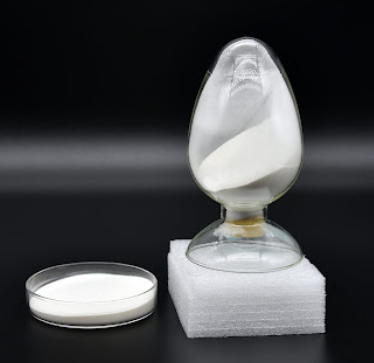
HPMC primarily provides water retention, workability, and sag resistance in tile adhesives, helping ensure proper cement hydration and strong adhesion to a wide range of substrates. [mixeonchina]
In hot and humid climates, mortars can lose water too quickly, causing incomplete hydration, weak adhesion, and cracking; HPMC slows water loss and stabilizes performance under these conditions. [hpmcfactory]
Real manufacturers can usually provide detailed technical data sheets, certifications, and clear production information, while many traders cannot offer the same depth of documentation or technical support. [kimachemical]
Not necessarily; the appropriate viscosity depends on the specific application. Different mortar and adhesive systems require different rheological profiles, so grade selection should always be based on formulation testing rather than viscosity alone. [mixeonchina]
By improving workability, strength, and durability, HPMC helps reduce rework, material waste, and premature failures, which contributes to more efficient use of cement and other construction resources. [databridgemarketresearch]
1. Mixeon – *Key Applications of Hydroxypropyl Methylcellulose (HPMC) in the Construction Industry* – <https://www.mixeonchina.com/key-applications-of-hydroxypropyl-methylcellulose-hpmc-in-the-construction-industry/> [mixeonchina]
2. Celotech – *Application of Hydroxypropyl Methylcellulose in Building Materials* – <https://www.celotech.com/technology/application-of-hydroxypropyl-methylcellulose-in-building-materials/> [celotech]
3. Intel Market Research – *HPMC Market Outlook 2025–2032* – <https://www.intelmarketresearch.com/hpmc-market-14894> [intelmarketresearch]
4. Data Bridge Market Research – *Hydroxypropyl Methylcellulose (HPMC) Market Size & Share* – <https://www.databridgemarketresearch.com/reports/global-hpmc-hydroxypropyl-methylcellulose-market> [databridgemarketresearch]
5. HPMC Factory – *Hydroxypropyl MethylCellulose in Construction Applications* – <https://www.hpmcfactory.com/news-hydroxypropyl-methylcellulose-in-construction-applications.html> [hpmcfactory]
6. HPMC.com – *Construction Grade HPMC Hydroxypropyl Methylcellulose* – <https://www.hpmc.com/company-news/construction-grade-hpmc-hydroxypropyl.html> [hpmc]
7. Kima – *6 FAQ for End Users of Hydroxypropyl Methyl Cellulose (HPMC)* – <https://www.kimachemical.com/news/6-faq-for-end-users-of-hydroxypropyl-methyl-cellulose-hpmc/> [kimachemical]
8. Varn – *How to Write and Review High-Quality SEO Content* – <https://varn.co.uk/insights/how-to-write-eeat-content/> [varn.co]
9. TopRank Marketing – *SEO Guidelines for Experience, Expertise, Authority, and Trust* – <https://www.toprankmarketing.com/blog/eeat-seo-google-guidelines-experience-expertise-authority-trust/> [toprankmarketing]
10. CXL – *Scaling B2B Content with Programmatic SEO* – <https://cxl.com/blog/scaling-content-eeat-programattic-seo/> [cxl]


