


close
Choose Your Site
Global
Social Media
Views: 222 Author: Rebecca Publish Time: 2026-02-03 Origin: Site


Content Menu
● Core Functions of Construction Plaster Putty
● Role of Cellulose Ether in Plaster and Putty
>> What Is HPMC and Why Is It Used?
>> HEMC and HEC in Plaster Putty
● Main Raw Materials for Construction Plaster Putty
>> 1. Building Gypsum Powder – The Structural Base
>> 2. Cellulose Ether Water Retention Agents
>> 3. Binders and Polymer Additives
>> 4. Penetrants (Wetting Agents)
>> 5. Talcum Powder and Mineral Fillers
>> 6. Flexibilizers and Softening Agents
>> 7. Retarders and Setting Time Regulators
● How HPMC, HEMC, and HEC Improve Wall Putty Performance
>> Key Functional Contributions
● Practical Formulation Tips for Plaster Putty Manufacturers
● Why Work with Shandong Shengda New Material Co., Ltd.
● Clear and Targeted Call to Action
● FAQ About Construction Plaster Putty Raw Materials
>> 1. What is the most important raw material in construction plaster putty?
>> 2. Why is HPMC so widely used in wall putty?
>> 3. Can CMC replace HPMC in gypsum putty formulations?
>> 4. How does talcum powder influence plaster putty performance?
>> 5. Why do manufacturers add retarders to gypsum putty?
Construction plaster putty relies on a precise combination of gypsum, fillers, binders, and functional additives, with cellulose ethers such as HPMC, HEMC, and HEC playing a critical role in workability, water retention, and adhesion. In this article, each key raw material is explained in depth, and the role of high performance cellulose ethers from Shandong Shengda New Material Co., Ltd. in modern plaster and wall putty formulations is highlighted.

To design a durable, easy to apply plaster or wall putty, formulators must understand both the main raw materials and how they interact in dry mix systems. In interior and exterior wall putty, gypsum or cement works together with cellulose ether additives like hydroxypropyl methyl cellulose (HPMC), hydroxyethyl methyl cellulose (HEMC), and hydroxyethyl cellulose (HEC) to deliver consistent performance on site.
Construction plaster putty, also called gypsum putty or wall putty, is a fine finishing material used to level, repair, and smooth interior and exterior walls before painting or wallpapering. It is usually supplied as a dry mix powder composed of gypsum, mineral fillers, binders, cellulose ethers, and performance additives; on site it is mixed with water and applied as a thin layer.
Key functions of plaster putty include:
- Providing a smooth, even substrate for coatings.
- Improving surface hardness and impact resistance.
- Reducing defects such as cracking, dusting, or peeling.
High quality cellulose ethers are essential to ensure that this thin layer remains workable during application and strong after curing.
Hydroxypropyl methyl cellulose (HPMC) is a non ionic cellulose ether derived from natural cellulose and modified through controlled chemical processes. It combines the main performance features of methyl cellulose with enhanced solubility, water retention, and thickening, making it a first choice additive for high quality building materials.
Key benefits of HPMC in construction plaster putty include:
- High water retention to prevent too fast drying and insufficient hydration of gypsum or cement.
- Improved workability and plasticity, giving smooth troweling and better blade coating behavior.
- Enhanced adhesion, helping the mortar bond firmly to the wall substrate.
- Slip resistance, especially in vertical applications, due to its controlled thickening effect.
These properties allow plaster putty to maintain water in the system long enough for proper hydration, reducing dusting, peeling, and cracking on the final surface.
Alongside HPMC, hydroxyethyl methyl cellulose (HEMC) and hydroxyethyl cellulose (HEC) are also widely used cellulose ethers in wall putty and plaster formulations. Like HPMC, they act as water retention agents and rheology modifiers, stabilizing the wet mix and improving the final appearance of the putty layer.
In modern dry mix mortars, formulators often fine tune the ratio of HPMC, HEMC, and HEC to balance:
- Water retention versus open time.
- Sag resistance versus ease of spreading.
- Surface smoothness versus anti cracking performance.
Shandong Shengda New Material Co., Ltd. provides tailored cellulose ether grades to meet different formulation targets for gypsum and cement based wall putties.
Building gypsum powder is the primary base material for gypsum putty and is responsible for bond strength and impact resistance. Because it is the backbone of the system, its physical properties are strictly controlled in quality oriented formulations.
Typical quality parameters of gypsum powder include:
- Fineness: 100% passing 120 mesh sieve.
- Initial setting time: not less than 6 minutes.
- Final setting time: less than 30 minutes.
- 2 hour flexural strength: greater than 2.1 MPa.
- 2 hour compressive strength: more than 4.9 MPa.
- Whiteness: greater than 85 for decorative layer putty, and often higher when used under paint or wallpaper.
These values help ensure a smooth, bright surface with adequate mechanical strength for subsequent coatings.
The water retention agent is one of the most critical raw materials in construction plaster putty. It prevents the wall from absorbing water too quickly, protects against rapid drying, and supports the full hydration of gypsum or cement.
Common cellulose based water retention agents include:
- Methyl cellulose (MC).
- Hydroxyethyl cellulose (HEC).
- Hydroxypropyl methyl cellulose (HPMC).
- Carboxymethyl cellulose (CMC).
While CMC has viscosity, it can negatively impact the strength of gypsum, especially the surface strength. In many formulations it needs additional binders to compensate for this effect and avoid surface dusting when coatings are not applied for a long time.
By contrast, MC, HPMC, and HEC can act as powder binders themselves and cause little or no reduction in gypsum strength, allowing high performance putty formulations without separate binder addition in many cases.
In gypsum putty formulations using CMC, a binder must be added to strengthen the surface layer as the putty dries. Typical binders include:
- Gelatinized starch.
- Native or oxidized starch.
- Water soluble polyvinyl alcohol.
- Redispersible polymer powder.
These materials migrate to the surface during drying and build up surface strength, reducing dusting and improving abrasion resistance. Even in HPMC or HEC based systems, small amounts of polymer modifiers are often used to optimize flexibility, adhesion to difficult substrates, and resistance to micro cracks.
A small amount of penetrant is typically added to improve bonding between gypsum putty and the substrate. Common penetrants include anionic and non ionic surfactants that enhance wetting and penetration into porous walls.
Benefits of penetrants in plaster putty include:
- Better contact with cement, concrete, or gypsum base surfaces.
- Reduced risk of debonding or peeling.
- More uniform appearance across different substrates.
Talcum powder is a key filler used to improve the applicability and smoothness of the putty paste. It helps create a fine, easy to scrape slurry and enhances the surface finish after sanding.
Key specifications for talcum powder in quality formulas include:
- Fineness: all passing through 325 mesh sieve.
- Na2O content: less than 0.10%.
- K2O content: less than 0.30%.
Other mineral fillers, such as calcium carbonate or dolomite, may also be introduced depending on cost, target performance, and regional standards.
Because hardened gypsum is inherently soft and brittle, a thick putty layer can easily delaminate or flake at the interface if it lacks flexibility. To solve this, formulators add flexibilizers and softening agents that improve toughness and crack resistance.
Common flexibilizers include:
- Various sulphonates.
- Lignin based fibers.
These additives enhance the flexibility and operational performance of gypsum putty slurry, enabling thicker applications and better impact resistance without compromising handling.
Some cellulose ethers and binders have retarding effects on gypsum, but often the delay they provide is not sufficient to meet the practical working time required on site. For this reason, formulators add a dedicated retarder to precisely control the setting profile.
Advantages of adding a controlled retarder include:
- Adequate open time for mixing, troweling, and surface correction.
- Stable setting behavior across different temperature and humidity conditions.
- Reduced risk of cold joints or patch marks on large wall areas.
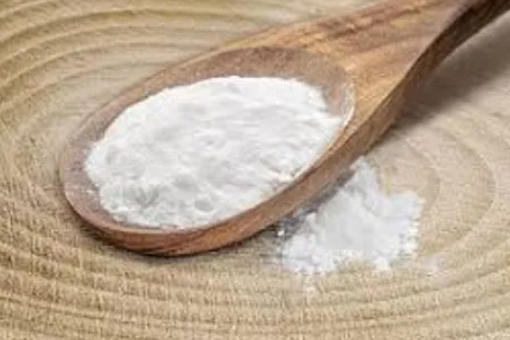
High performance HPMC, HEMC, and HEC grades from Shandong Shengda New Material Co., Ltd. are engineered specifically for construction plaster putty and dry mix mortar applications. In these systems, cellulose ether acts simultaneously as a thickener, water retention agent, and workability enhancer.
Core functional contributions include:
- Water retention: Keeps water in the putty layer, preventing too fast absorption by the wall and supporting complete hydration of gypsum or cement.
- Rheology control: Provides a smooth, creamy consistency for easy blade coating and improved trowelability.
- Sag resistance: Increases viscosity to reduce slippage of the fresh layer on vertical surfaces.
- Surface appearance: Enhances leveling, reduces pinholes, and contributes to a uniform, fine surface after drying and sanding.
Cellulose ether products such as HPMC, HEMC, and HEC are widely used in:
- Interior and exterior wall putty, both powder and paste.
- Gypsum plaster and gypsum based skim coats.
- Cement based plasters and repair mortars.
- Tile adhesives and self leveling compounds.
- Interface agents, fillers, caulks, and coatings.
For each of these applications, the right viscosity, substitution type, and particle size of cellulose ether must be selected to match the desired performance on site.
For manufacturers looking to optimize their own construction plaster putty raw material formulations, the following practical guidelines are helpful.
1. Control gypsum quality: Maintain consistent fineness and setting times to ensure uniform behavior across batches.
2. Select the right cellulose ether: Choose HPMC, HEMC, or HEC grades with appropriate viscosity and gel temperature for the climate and installation method.
3. Balance water retention and workability: Too high water retention can prolong drying, while too low water retention can cause dusting and poor adhesion.
4. Combine cellulose ethers and binders carefully: Avoid over reliance on CMC when gypsum surface strength is critical, and consider HPMC based systems to reduce dusting.
5. Fine tune penetrant and flexibilizer dosage: Use laboratory and field trials to optimize adhesion and crack resistance without increasing cost unnecessarily.
By working closely with an experienced cellulose ether manufacturer, it is possible to adjust formula parameters efficiently and accelerate product development.
Shandong Shengda New Material Co., Ltd. is a specialized manufacturer focusing on the research, development, production, and sales of cellulose ethers for building materials. The company's main products include HPMC, HEMC, and HEC, which are widely used in dry mix mortars, interior and exterior wall putty powders, self leveling materials, adhesives, caulks, interface agents, and coatings.
Advantages of choosing Shengda's cellulose ether solutions include:
- High water retention and dispersion, ensuring stable performance in demanding job site conditions.
- Good fineness and easy dissolution, reducing mixing time and improving consistency in dry mix production.
- Application specific grades optimized for plaster putty, tile adhesive, self leveling materials, and other construction products.
The technical team can support customers in selecting the best HPMC, HEMC, or HEC grade for specific formulations and market requirements.
If you are developing or upgrading your construction plaster putty or wall putty products and need reliable cellulose ether solutions, now is the time to cooperate with a dedicated specialist. Contact Shandong Shengda New Material Co., Ltd. to discuss your current formulations, request tailored technical recommendations, and obtain HPMC, HEMC, or HEC samples for laboratory and field testing. For detailed product specifications and direct contact information, please visit the official website at https://www.hpmcfactory.com or reach out to the sales and technical support team for one to one assistance.
Contact us to get more information!
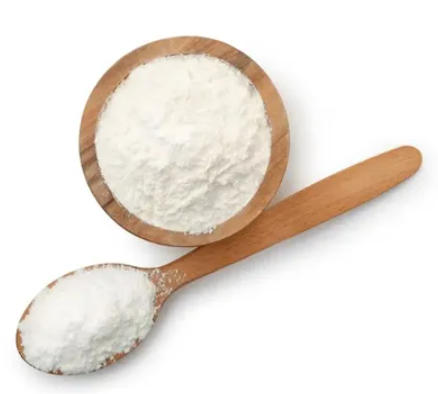
The core raw material is building gypsum powder, which provides the structural backbone, bond strength, and impact resistance of gypsum based putty. Its fineness, setting time, and strength parameters directly influence the final performance of the wall surface.
HPMC offers excellent water retention, thickening, and workability, helping to prevent rapid drying, improving adhesion, and providing a smooth, easy to trowel slurry in both gypsum and cement systems. These features make it a key additive in high performance putty formulations.
CMC can provide viscosity but tends to reduce the surface strength of gypsum, especially when the putty layer is exposed for a long time without a coating. In many cases, additional binders are required to compensate for this effect, while HPMC and HEC generally do not weaken gypsum strength and can act as powder binders themselves.
Fine talcum powder helps improve scraping behavior and surface smoothness, making the putty easier to apply and sand. Its controlled fineness and low alkali content also help avoid negative reactions, contributing to a stable and uniform decorative surface.
Although some cellulose ethers slightly delay setting, a dedicated retarder is often needed to achieve sufficient open time and stable setting behavior under different temperature and humidity conditions. Proper retarder dosage helps applicators finish large wall areas without cold joints or visible patch marks.


