


close
Choose Your Site
Global
Social Media
Views: 222 Author: Rebecca Publish Time: 2026-02-02 Origin: Site


Content Menu
● What Are the Main Ingredients in Shampoo
>> Main ingredient categories in shampoo
● Water The Foundation of Every Shampoo
● Surfactants and Sulfates How Shampoo Actually Cleans
>> What are sulfates in shampoo
● Conditioning Agents Silicones and Fiber Actives
>> Fiber active ingredients for damaged hair
● Thickeners Sodium Chloride and Functional Polymers
>> Why sodium chloride is used
● Pearlizing and Appearance Modifiers in Shampoo
● Stabilizers and Suspending Agents Why High Quality Shampoos Do Not Need Shaking
● Daily Chemical Grade HPMC A Multi Functional Ingredient in Shampoos
>> Functional benefits of HPMC in shampoo
● HEC and HEMC in Personal Care Formulations
● How Cellulose Ethers Compare to Carbopol and Salt
>> Viscosity technologies in shampoo
● Practical Tips for Consumers Reading Shampoo Labels
● Formulation Tips for R and D Teams Using HPMC in Shampoos
● Where to Use HPMC, HEMC, and HEC in Personal Care
● Take the Next Step with Shandong Shengda New Material Co Ltd
● FAQs About Shampoo Ingredients and Cellulose Ethers
>> Q1 What are sulfates in shampoo and are they always bad
>> Q2 Why do some shampoos feel more moisturizing than others
>> Q3 What is the difference between HPMC thickening and salt thickening in shampoo
>> Q4 Can cellulose ethers such as HPMC, HEMC, and HEC be used in clear shampoos
>> Q5 How can I tell if my shampoo contains silicones
Shampoo may look simple in the bottle, but its ingredients are carefully designed to clean, protect, and condition your hair while offering a pleasant user experience. Understanding these shampoo ingredients helps consumers choose better products and helps formulators optimize performance with functional cellulose ethers such as HPMC.

Most modern shampoos contain a core set of components including water, surfactants, conditioners, thickeners, stabilizers, and functional additives. Each group plays a specific role in cleansing, sensory feel, viscosity, and stability throughout the product life cycle.
- Water as solvent and carrier
- Primary and secondary surfactants for cleansing
- Conditioning agents for softness, slip, and anti frizz
- Thickeners and rheology modifiers for texture and suspension
- Pearlizing and opacifying agents for appearance
- Preservatives and stabilizers for microbial and physical stability
- Fragrance, color, and marketing actives for sensory and claim support
Water is usually the first ingredient on a shampoo label because it makes up the largest portion of the formula by weight. It dissolves and disperses surfactants, polymers, and conditioning agents, helping create a pourable texture and comfortable feel on the hair and scalp.
Key roles of water in shampoo:
- Acts as the main solvent for most ingredients
- Helps create foam and spread the product along the hair shaft
- Influences rinse off speed and the after feel on hair and skin
Purified water is preferred to minimize contamination risk and to support consistent product quality batch after batch.
Surfactants are the primary cleansing agents in shampoo and are responsible for removing sebum, dust, and styling residues. They reduce surface tension so that water can interact with oils and impurities, allowing them to be lifted from the hair and rinsed away.
Sulfates are a specific family of anionic surfactants that have been widely used because of their strong cleansing power and abundant foam. They are effective at deep cleaning but can feel too intense for some hair and scalp types, especially with frequent washing.
Typical functions of sulfate surfactants:
- Provide intense cleansing, useful for oily scalps or heavy styling build up
- Generate rich, stable foam for a satisfying washing experience
- Help distribute other ingredients evenly throughout the hair
In response to changing consumer needs, many brands now offer low sulfate or sulfate free systems to improve mildness while maintaining acceptable cleaning performance.
Modern shampoo is not only about cleaning, it is often the first conditioning step in a hair care routine. To reduce roughness, tangling, and frizz, formulators include conditioning agents such as silicones and specialized fiber active ingredients.
Ingredients ending in “cone” are typically silicones, widely used to improve combability and sensory feel. Silicones form a thin coating on the hair surface, reducing friction and giving hair a smooth, slippery touch after rinsing.
Main benefits of silicones:
- Provide smoother feel and easier detangling
- Enhance shine and surface gloss
- Reduce frizz and help control flyaways
Fiber active ingredients are especially important in shampoos designed for damaged, color treated, or frequently styled hair. These materials interact with the hair fiber or cuticle to improve the appearance and feel of weakened areas.
Typical roles of fiber actives:
- Help reinforce stressed cuticles
- Improve the look of split or rough ends
- Support claims such as repair, strength, or anti breakage
Viscosity is one of the first aspects consumers notice when they pour shampoo into their hand. Thicker products are often associated with richness and concentration, so viscosity control is a key design parameter for any shampoo formula.
Sodium chloride, or common salt, is a classic and economical way to thicken many anionic surfactant systems. By modifying micelle structure, it can convert a very fluid solution into a pleasant, easy to control texture for daily use.
However, salt has limitations in complex, mild, or sulfate free systems and may influence mildness at higher levels. For these reasons, advanced rheology modifiers such as cellulose ethers and carbomers are frequently selected to complement or replace salt.
Visual appearance plays a major role in how people judge product quality on the shelf and in the bathroom. Many conditioning shampoos use pearlizing agents to create an attractive, creamy, pearly look that suggests nourishment and care.
Glycol distearate is a common pearlizing agent that provides this iridescent appearance while contributing to a richer sensorial perception.
Benefits of pearlizing agents:
- Deliver a silky, pearly appearance in the bottle and during dispensing
- Support positioning such as nurturing, moisturizing, or repairing
- Contribute to opacity and a creamier visual impression
Quality shampoos are formulated to stay homogeneous without a “shake well before use” instruction. Stabilizers and suspending agents keep oils, actives, and visual elements evenly dispersed during storage and use.
Carbopol, a type of cross linked acrylic polymer, is often used to adjust rheology and support suspension in personal care products. It helps maintain uniform distribution of ingredients from the first dose to the last.
Main functions of stabilizing polymers:
- Maintain homogeneous distribution of particles or droplets
- Control viscosity and flow behavior for consistent dosing
- Prevent phase separation and settling over shelf life
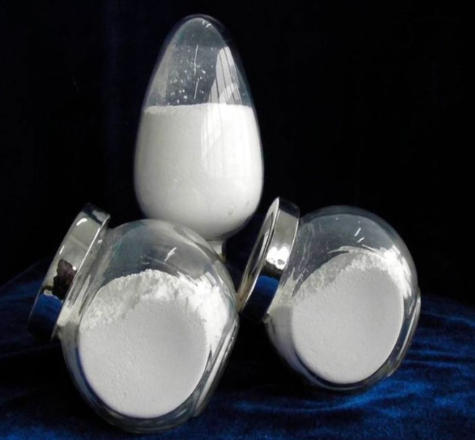
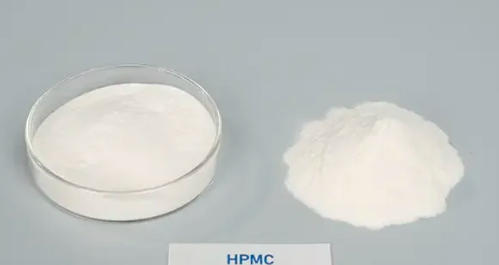
As a specialist in cellulose ether technology, Shandong Shengda New Material provides daily chemical grade hydroxypropyl methylcellulose, HPMC, optimized for personal care applications including shampoos and shower gels. HPMC is a white or slightly yellow, odorless, tasteless, non toxic powder that dissolves in cold water and certain organic solvents to form a transparent, viscous solution.
HPMC offers a combination of rheology control and film forming functions that improve both processing performance and end user experience. It shows surface activity, high transparency, and strong stability, and its dissolution behavior is largely unaffected by pH in typical cosmetic systems.
Key performance advantages:
- Thickening and viscosity control providing a stable, pleasant texture without relying solely on salt
- Anti freezing effect helping formulas remain stable at low temperatures and reducing phase separation
- Water retention improving moisture retention on hair and skin during and after washing
- Good film forming leaving a light, uniform film that supports smoothness and protection of hair and skin surfaces
Because of these properties, daily chemical grade HPMC is especially suitable for:
- Transparent or translucent shampoos and body washes
- Mild and sulfate reduced systems that need alternative thickening strategies
- Premium formulations where sensorial quality and stability are critical
Beyond HPMC, cellulose ethers such as HEC, hydroxyethyl cellulose, and HEMC, hydroxyethyl methyl cellulose, also play important roles in modern personal care formulations. Each type provides specific rheology and compatibility advantages in different surfactant environments.
Typical advantages of HEC and HEMC:
- Efficient thickening at relatively low usage levels
- Good compatibility with anionic, amphoteric, and nonionic surfactants
- Contribution to rich, cushiony foam and improved spreadability on hair and skin
By selecting the appropriate cellulose ether or combination, formulators can fine tune clarity, flow, and conditioning for various shampoo concepts and target groups.
When designing shampoo texture and stability, formulators often compare salt, acrylic polymers, and cellulose ethers to determine the best solution for a specific project. Each thickening technology has its own strengths and limitations that influence performance, cost, and sensory profile.
| Thickener type | Main functions | Key advantages | Typical limitations |
|---|---|---|---|
| Sodium chloride | Viscosity adjustment in anionic surfactant systems | Simple, inexpensive, easy to handle | Limited performance in sulfate free or complex systems, potential impact on mildness |
| Carbopol acrylic polymer | Rheology modification and suspension | Strong thickening power and excellent suspension, suitable for clear gels | Requires neutralization and careful pH control, may be sensitive to electrolytes |
| HPMC, HEMC, HEC | Thickening, water retention, film forming, stability | Broad pH tolerance, pleasant feel, stable viscosity, support for transparent formulas | Require proper dispersion and hydration, dosage optimization is necessary |
Combining different technologies can provide synergistic effects, balancing stability, clarity, and flow with manufacturing practicality.
Ingredient lists can seem complex, but a few basic principles make them easier to understand. With this knowledge, consumers can choose products that match their hair type, scalp condition, and sensory preferences.
How to read a shampoo label more confidently:
1. Check the first three to five ingredients to understand the base, usually water plus primary surfactants.
2. Look for silicones ending in “cone” if you prefer more slip, shine, and easier detangling.
3. Notice pearlizing agents such as glycol distearate if you like a creamy, pearly appearance in your shampoo.
4. If you have a sensitive scalp, consider formulas described as mild, gentle, or sulfate free and look for polymers like HPMC or HEC that provide thickening and conditioning support.
5. For damaged or color treated hair, choose shampoos labeled as repair or strengthening that contain fiber actives and conditioning polymers.
For formulators and brand owners, the way cellulose ethers are selected and processed has a direct impact on final shampoo quality. Good handling practices help unlock the full potential of daily chemical grade HPMC in both clear and creamy systems.
Recommended practices when working with HPMC:
- Disperse HPMC uniformly in water under moderate agitation before adding high electrolyte ingredients
- Allow sufficient hydration time to achieve full viscosity and avoid undissolved particles
- Combine HPMC with secondary thickeners or controlled amounts of salt where needed to fine tune flow behavior
- Validate low temperature stability, taking advantage of the inherent anti freezing performance of HPMC
- Test compatibility with the chosen surfactant package and conditioning agents to confirm clarity and long term stability
These steps support a smooth transition from lab scale development to stable, commercial products.
Shandong Shengda New Material Co., Ltd. focuses on research, development, production, and sales of cellulose ethers tailored for daily chemical applications. Our HPMC, HEMC, and HEC grades are designed to enhance a wide range of personal care products, not only shampoos.
Typical application areas include:
- Shampoos and two in one cleansing systems
- Shower gels and bath formulations
- Facial cleansers and liquid soaps
- Styling products that benefit from film forming and flexible hold
With the right cellulose ether solutions, brands can deliver consistent viscosity, improved sensorial properties, and superior stability to meet demanding market expectations.
If you are developing or upgrading shampoo and daily chemical formulations, partnering with a professional cellulose ether manufacturer will support reliable performance and consistent quality. Shandong Shengda New Material Co., Ltd. supplies high quality HPMC, HEMC, and HEC specifically optimized for shampoos, shower gels, and other personal care products, supported by technical guidance and stable production capacity.
Contact our team now to request free samples of daily chemical grade cellulose ethers, discuss application requirements for your hair care products, and obtain tailored recommendations based on your target market and formulation system. We are ready to work with you to build high performance, stable, and user friendly shampoo solutions that stand out in competitive global markets.
Contact us to get more information!
A1 Sulfates are strong anionic surfactants that deliver deep cleaning and rich foam, but they may feel too aggressive for some hair and scalp types with frequent use. Many people with sensitive or very dry hair choose low sulfate or sulfate free shampoos to achieve a milder cleansing experience.
A2 More moisturizing shampoos usually contain higher levels of conditioning agents, polymers, and milder surfactants, along with film formers like HPMC that help retain water on hair and skin. The overall balance of surfactants, oils, silicones, and polymers determines how soft and conditioned the hair feels after washing.
A3 HPMC not only thickens the formula but also improves stability, water retention, and film forming on hair and skin surfaces. Salt mainly adjusts viscosity in certain surfactant systems and can be less effective in complex or sulfate free formulas, while also having possible effects on mildness at higher levels.
A4 Yes, suitable grades of HPMC, HEMC, and HEC can form transparent or highly translucent solutions when properly dispersed and hydrated. They are widely used in clear shampoos and shower gels to provide viscosity, stability, and a pleasant sensory profile.
A5 You can check the ingredient list for names ending in “cone”, such as dimethicone or amodimethicone, which indicate silicone based conditioning agents. These ingredients help improve slip, shine, and detangling performance, especially in damaged or chemically treated hair.


