


close
Choose Your Site
Global
Social Media
Views: 222 Author: Rebecca Publish Time: 2026-02-02 Origin: Site


Content Menu
● What Is HPMC Solubility and Why It Matters
● Key Properties of HPMC Solubility
● Surface‑Treated vs Non‑Surface‑Treated HPMC in Water
>> Surface‑Treated (Instant) HPMC
>> Non‑Surface‑Treated (Hot‑Soluble) HPMC
● Hot Water Dissolution Method (For Non‑Surface‑Treated HPMC)
>> Standard 70–85 °C Hot Water Method
>> Two‑Stage Hot–Cold Water Method
● Dry Powder Mixing Method for Mortar and Putty
● Organic Solvent Wetting and Water/Alcohol Systems
>> Organic Solvent Wetting Method
>> Water/Alcohol Mixture for Hand Sanitizer and Personal Care
● Solubility in Common Organic Solvents
● Typical Application Scenarios and Best‑Practice Dissolution
>> Building Mortar, Tile Adhesive and Wall Putty
>> Daily Chemicals and Hand Sanitizers
● Troubleshooting HPMC Dissolution Problems
● Expert Best Practices for Formulators
● Why Work With a Professional HPMC Manufacturer
● Clear Action Call: Optimize Your HPMC Solubility With Us
● Frequently Asked Questions (FAQ)
>> 1. Why does my HPMC form lumps instead of dissolving?
>> 2. Can I dissolve HPMC in pure ethanol or IPA?
>> 3. What is the best method for dissolving HPMC for dry‑mix mortar?
>> 4. How long should I stir surface‑treated HPMC in cold water?
>> 5. Does pH affect HPMC solubility?
Hydroxypropyl methylcellulose (HPMC), also known as hypromellose, is a water‑soluble cellulose ether widely used in construction, coatings, pharmaceuticals and personal care, and its performance strongly depends on how it is dissolved and hydrated.

HPMC is soluble in cold water and in selected polar organic solvents such as methanol, ethanol, isopropyl alcohol (IPA) and acetone, but it is not soluble in hot water above its gelation temperature.
Correct dissolution affects viscosity build‑up, workability, water retention and film‑forming performance in dry‑mix mortar, tile adhesive, putty, coatings, tablets and hand sanitizer gels.
- Cold‑water solubility: HPMC disperses and dissolves in cold water to form clear or slightly turbid viscous solutions, with viscosity depending on grade and concentration.
- Thermo‑gelation: In hot water, typically above 60–70 °C, HPMC becomes insoluble and forms a reversible gel which redissolves upon cooling.
- pH tolerance: It is soluble in water over a wide pH range of about 3–11, which supports diverse formulations.
- Organic solvent behavior: HPMC is soluble or swellable in polar organic solvents or water–solvent mixtures but is generally insoluble in non‑polar solvents and in pure ethanol.
There are two main HPMC solubility types in water: surface‑treated (instant) HPMC and non‑surface‑treated (hot‑soluble) HPMC.
Surface‑treated HPMC is modified with a crosslinking agent, commonly glyoxal, which delays hydration in cold water.
- When added to cold water, it quickly disperses without immediate viscosity, then thickens after about 1–2 minutes of stirring as the surface treatment is destroyed and the polymer hydrates.
- This delayed solubility minimizes clumping and is ideal for applications requiring rapid dispersion but controlled viscosity build‑up, such as paints, putties and some liquid detergents.
Non‑surface‑treated HPMC dissolves directly when wet but can form surface gels and agglomerates if added straight into cold water.
- In cold water, the outer layer rapidly hydrates to a transparent gel that blocks water penetration, causing “fish‑eyes” and very slow dissolution.
- It is therefore more efficiently dissolved in hot water, where it first disperses while insoluble, then dissolves on cooling.
Because HPMC is insoluble in hot water but soluble upon cooling, hot water methods disperse the polymer first and dissolve it later as the mixture cools.
1. Heat water: Add the required amount of water into a container and heat it to about 70–85 °C.
2. Disperse HPMC: Under slow stirring, gradually add the required HPMC; the powder will float and then form a uniform slurry.
3. Cool while stirring: Continue stirring as the slurry cools to room temperature; during cooling, HPMC becomes water‑soluble and viscosity gradually increases to the target level.
To improve efficiency or handle higher viscosity grades, a split water approach is often used.
- Add 1/3–2/3 of the total water as hot water at about 70–85 °C, disperse HPMC to obtain a smooth hot slurry, then add the remaining portion as cold or ice water and keep stirring until fully cooled and dissolved.
Practical tips for plant operators:
- Use medium stirring speed to avoid air entrainment while ensuring uniform dispersion.
- Prefer top‑entry agitators with propeller or turbine impellers in larger tanks to maintain consistent shear.
- Filter the final solution if gel particles remain to guarantee quality for coatings or construction additives.
The dry powder mixing method is widely used by manufacturers of wall putty and dry‑mix mortar.
- HPMC powder is blended with other dry components such as cement, fillers and redispersible polymer powders using a mixer; a typical ratio of co‑powders to HPMC is about 3:1 to 7:1 in the preblend, depending on process design.
- When water is later added on site, each particle of HPMC is already dispersed throughout the system, leading to fast, lump‑free dissolution and consistent viscosity build‑up.
Advantages for dry‑mix products:
- Better dispersion of HPMC and additives.
- Reduced risk of clumping and “fish‑eyes” during mixing at the job site.
- More stable product quality across different construction teams.
Using an organic solvent to disperse or wet HPMC before hydration is another effective dissolution route, especially for liquid detergents, coatings and personal care.
- HPMC is first pre‑dispersed or humidified in a polar solvent such as ethanol, isopropanol or glycols, sometimes in oil systems, and then water is added to complete dissolution.
- Because the polymer is well separated at the wetting stage, it dissolves more easily and avoids agglomeration when water is introduced.
Hand sanitizer gels typically contain less than 40% water and more than 60% alcohol, so thickener selection and solubility behavior are critical.
For HPMC in water/alcohol mixtures:
1. Charge ethanol or isopropanol into the mixing vessel.
2. Slowly add HPMC or other detergent thickener while stirring until a homogeneous suspension is obtained.
3. Gradually add cold water to trigger hydration and viscosity development, adjusting shear to avoid foaming.
HPMC shows good solubility in higher‑water alcohol blends, while in anhydrous ethanol it remains essentially insoluble or only swells.
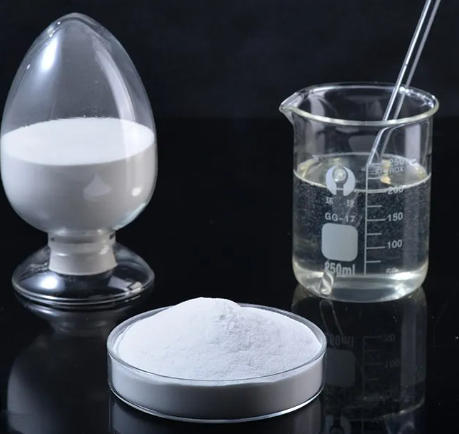
Different grades of HPMC show varying solubility in organic solvents, but some general rules apply.
| Solvent / System | HPMC Solubility Behavior | Typical Application Notes |
|---|---|---|
| Cold water | High solubility, viscous solution or gel | Main medium in building materials, pharmaceuticals and personal care. |
| Hot water (>60–70 °C) | Forms reversible gel, insoluble until cooled | Used for hot dispersion then cooling to dissolve. |
| Ethanol (pure) | Low to insoluble, may only swell | Limited use; better in water–ethanol mixtures. |
| Ethanol–water mixtures | Moderate solubility with higher water content | Coatings, personal care and sanitizer gels. |
| Isopropanol (IPA) | Soluble in appropriate mixtures or at certain ratios | Wetting agent and co‑solvent in detergents and gels. |
| Acetone | Insoluble or slightly swellable; better in blends | Used with water or other co‑solvents for films. |
| Non‑polar solvents (alkanes) | Insoluble | Not suitable as primary solvents. |
Optimizing HPMC solubility can significantly improve end‑product performance in different industries.
- Use non‑surface‑treated HPMC grades for strong, immediate viscosity and water retention once dissolved.
- Prefer dry powder mixing in factory‑produced mortars to ensure uniform dispersion and easy job‑site mixing.
- For lab solutions or liquid admixtures, apply the hot‑water dispersion and cooling method to avoid lumps and viscosity loss.
- Surface‑treated HPMC is advantageous for water‑based paints and coatings because it disperses quickly without clumps and then gradually builds viscosity, improving storage stability and application feel.
- Adjust pH to within the optimal solubility range, roughly pH 3–11, for stable solutions or latex formulations.
- For high‑alcohol systems such as hand sanitizer gel, employ water–alcohol mixture methods with controlled addition of water to balance solubility and clarity.
- HPMC functions as a detergent thickener, improving viscosity, transparency and suspension of actives.
When HPMC does not dissolve as expected, typical issues can usually be traced back to temperature, mixing or solvent composition.
- Clumping or fish‑eyes: Caused by adding non‑surface‑treated HPMC directly into cold water without dispersion; the outer layer hydrates and creates a gel shell that traps dry material inside.
- Slow viscosity build‑up: Often related to surface‑treated HPMC where soaking time, pH or mixing energy are insufficient.
- Unexpected gelation: Happens when temperature rises above the gelation point during dissolution, especially in hot environments.
- Pre‑disperse in hot water, dry powders or organic solvent as recommended for the grade used.
- Check water/solvent ratio, ensuring enough water is present in alcohol‑rich systems for proper hydration.
- Verify grade selection, surface‑treated versus non‑treated, against formulation and process conditions.
Formulators and process engineers can follow several best‑practice principles to maximize performance from HPMC.
- Match HPMC grade and viscosity to the final application, for example higher viscosity for tile adhesive, moderate for putty, and tailored grades for coatings and personal care.
- Standardize dissolution operating procedures, including temperature, mixing time and order of addition, across production lines to minimize batch‑to‑batch variation.
- Run laboratory viscosity curves versus temperature and solvent composition to optimize conditions before industrial scale‑up.
- Design formulations with the correct pH and co‑solvent system to keep HPMC fully hydrated and stable throughout shelf life.
Working with a specialized cellulose ether manufacturer allows you to fine‑tune HPMC solubility behavior for your exact application, including surface treatment level, substitution pattern and viscosity grade.
- Technical teams can recommend custom dissolution procedures, troubleshooting support and tailored grades for construction, coatings, pharmaceuticals and daily chemicals.
- Stable quality, narrow viscosity tolerances and consistent substitution patterns ensure predictable solubility, hydration and performance in large‑scale production.
If you are developing or upgrading formulations that rely on HPMC solubility, from dry‑mix mortar and tile adhesive to coatings, tablets or hand sanitizer gels, partnering with an experienced cellulose ether producer will help you achieve stable, high‑performance results.
Contact our technical team today to discuss your current formulation challenges, request application‑specific HPMC grades and obtain detailed dissolution guidelines and free samples, so you can accelerate product development and improve consistency in your production lines.
Contact us to get more information!
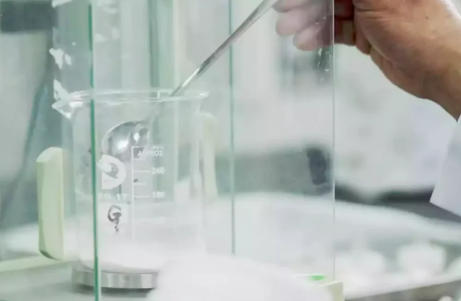
Lumps usually appear when non‑surface‑treated HPMC is added directly to cold water, causing the surface to hydrate rapidly and create a gel shell that traps dry material inside.
Using hot water dispersion, dry powder mixing or organic solvent wetting prevents this fish‑eye formation and promotes uniform dissolution.
HPMC is generally insoluble in pure ethanol and shows limited solubility in pure alcohols, although it may swell or form suspensions.
Good dissolution is obtained in water–alcohol mixtures with sufficient water content, as used in coatings and hand sanitizers.
For construction mortars and wall putty, the most efficient approach is dry powder mixing, where HPMC is blended with other dry powders and dissolved later when water is added on site.
This method yields fast, lump‑free hydration and stable rheology in field application.
Surface‑treated, instant HPMC typically requires a soaking and stirring period of around 2 minutes or more before viscosity begins to rise significantly.
Adequate agitation and appropriate pH will help the surface treatment break down and allow full hydration.
Yes, HPMC is soluble in water over a broad pH range of about 3–11, outside of which solubility and stability can decrease.
Maintaining pH within this range helps to secure consistent viscosity and solution clarity over time.


