


close
Choose Your Site
Global
Social Media
Views: 222 Author: Rebecca Publish Time: 2026-02-02 Origin: Site


Content Menu
● What Is HPMC and Why Manufacturer Choice Matters
● Global and China HPMC Market Snapshot (2025–2033)
● Key Applications of HPMC by Industry
>> Construction and Building Materials
>> Pharmaceuticals and Nutraceuticals
>> Food, Personal Care, and Other Uses
● How This Top 10 List Was Compiled
● Top 10 China HPMC Manufacturers (2026 Edition)
>> 1. Hao Shuo – High‑Capacity Construction‑Focused HPMC
>> 2. Shandong Shengda New Material Co., Ltd. – Integrated Cellulose Ether Supplier
>> 3. Ashland – Global Specialty HPMC Partner With China Footprint
>> 4. Dow – High‑Performance Construction and Industrial HPMC
>> 5. Cellulose Solutions – Custom Cellulose Ether Formulations
>> 6. Merck Group – High‑Purity Pharma and Biotech HPMC
>> 7. Zhejiang Jianye Chemical – Chinese Cellulose Ether Specialist
>> 8. Nouryon – Sustainable Specialty HPMC Solutions
>> 9. Wuxi Daqiao Chemical Co., Ltd. – Customer‑Oriented HPMC Supplier
>> 10. Huber Engineered Materials and JRS Pharma – Specialized HPMC Excipients
● Quick Comparison of Representative HPMC Manufacturers
● How to Evaluate and Choose a China HPMC Manufacturer
● Emerging Trends in the HPMC Market (2026 and Beyond)
● Practical Checklist for HPMC Buyers
● Best Practices for Using HPMC in Construction Mortars
● Partner With a Trusted China HPMC Manufacturer
● Frequently Asked Questions (FAQ)
>> 1. What is the main difference between HPMC and HEMC in construction mortars?
>> 2. How do I choose the right viscosity grade of HPMC for tile adhesive?
>> 3. Is HPMC safe for use in food and pharmaceutical products?
>> 4. Why is China a leading exporter of HPMC?
>> 5. How can I verify the reliability of a China HPMC manufacturer before placing a large order?
Hydroxypropyl methylcellulose (HPMC) has become a strategic additive for construction, pharmaceuticals, food, and personal care, and China now leads global HPMC production in both capacity and exports. For buyers and formulators, choosing the right China HPMC manufacturer directly affects product performance, regulatory compliance, and long‑term supply security.

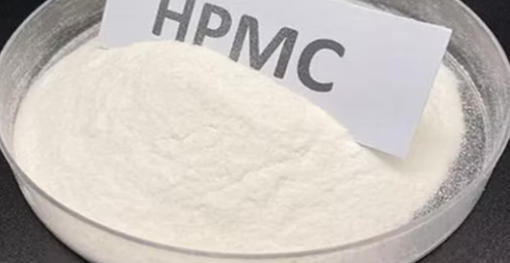
Hydroxypropyl methylcellulose is a water‑soluble cellulose ether derived from natural plant cellulose and modified with hydroxypropyl and methyl groups to obtain tailored solubility and rheological behavior. In practice, HPMC works as a thickener, water‑retention agent, binder, film‑former, and stabilizer in cement mortars, tablets, capsules, eye drops, bakery products, and cosmetics.
Because HPMC performance depends on viscosity, degree of substitution, and purity, consistent quality from a reliable manufacturer is critical to achieve stable workability in mortars, robust tablet hardness and release, or clean labels in food and personal care. Manufacturers with strong R&D and process control can also supply customized grades, such as low‑dust, fast‑dispersing, delayed‑solubility, or specific viscosity bands, that significantly improve line efficiency and final product quality.
The global HPMC market was valued at around USD 5.3–5.4 billion in 2025 and is projected to reach about USD 7.3 billion by 2033–2034, reflecting a steady CAGR of roughly 3–3.2%. Construction remains the largest end‑use segment, accounting for a major share of total HPMC consumption, followed by pharmaceuticals, food, and personal care.
Asia‑Pacific holds more than half of global HPMC revenue, with China as the dominant producer, thanks to cost‑efficient manufacturing, strong raw‑material availability, and rapidly growing domestic construction and pharmaceutical industries. Demand for food‑grade and pharma‑grade HPMC is rising faster than industrial grades, driven by health‑oriented foods and advanced dosage forms such as controlled‑release tablets and innovative capsule technologies.
In construction, HPMC is widely used in dry‑mix mortar, tile adhesives, skim coat or putty, self‑leveling compounds, and gypsum‑based plasters. It provides water retention, improved open time, sag resistance, and better trowelability, which reduce cracking, increase adhesion strength, and enhance overall jobsite productivity.
Pharma‑grade HPMC serves as a binder, film‑coating polymer, matrix former for sustained‑release tablets, and capsule shell material in hard HPMC capsules. Its non‑ionic, non‑toxic profile and excellent biocompatibility make it an essential excipient in oral solid dosage forms, ophthalmic formulations, and controlled‑release systems.
In food applications, HPMC functions as a thickener, emulsifier, and stabilizer in baked goods, beverages, dairy analogues, and meat products, helping improve texture and prevent phase separation. In cosmetics and personal care, it enhances viscosity, stabilizes emulsions, and forms flexible films in creams, lotions, shampoos, and gels, while also contributing to a cleaner ingredient list compared with some purely synthetic polymers.
This list focuses on manufacturers that demonstrate production scale, quality systems, application support, and international presence. The main evaluation criteria include:
- Documented production capacity and process automation
- ISO, GMP, or equivalent quality and environmental certifications
- Product range across HPMC grades for construction, pharma, food, and personal care
- Export track record and compliance with major regulatory markets
- Technical service capability, including formulation and laboratory support
The companies below are arranged in a logical reading order, not by strict ranking, because different buyers will prioritize different parameters such as pharma compliance, price positioning, or construction specialization.
Hao Shuo operates with modern manufacturing lines and a daily HPMC capacity reported up to 200 tons, positioning it among high‑output producers in the China market. Its products cover a wide viscosity spectrum and are mainly oriented to construction, building materials, coatings, synthetic resins, textiles, agriculture, and cosmetics.
The company emphasizes process control and has passed ISO9001‑2000 quality management certification, which supports consistent batch‑to‑batch performance in cement‑based systems. For buyers of tile adhesive, EIFS, or ready‑mix mortar, Hao Shuo's combination of scale and construction know‑how can reduce raw‑material risk and simplify multi‑grade sourcing.
Shandong Shengda New Material focuses on cellulose ethers including HPMC, HEMC, and HEC, allowing customers to source a complete additive portfolio for dry‑mix mortars, water‑based coatings, and polymer‑modified systems from one supplier. Vertical integration in R&D, production, and application testing helps Shandong Shengda design customized grades that address specific problems such as slump, workability window, or anti‑sag behavior in challenging climates.
With a professional technical team and continuous improvement of filtration, drying, and milling steps, Shandong Shengda can supply construction‑grade, detergent‑grade, and selected food or cosmetic‑oriented grades, giving international buyers flexibility to expand into new formulations without switching vendors.
Ashland is a well‑known global supplier of cellulosic polymers and HPMC, serving pharmaceuticals, personal care, food, and construction clients worldwide. Its HPMC products are recognized for tight viscosity control, strong regulatory documentation, and robust performance in critical pharma and food formulations.
Although Ashland is not a purely domestic Chinese company, its presence and partnerships in China allow local and international buyers to access global‑standard grades with local technical support, which is crucial for complex oral dosage and premium cosmetic applications.
Dow is a long‑established chemical leader with HPMC and other cellulose ethers tailored to construction, coatings, and industrial applications. Its products are engineered for high water retention, open time control, and excellent slump resistance, helping high‑performance mortars and tile adhesives meet demanding jobsite and climate conditions.
Dow also prioritizes sustainability and process optimization, aiming to reduce VOC levels and improve life‑cycle profiles of finished products, which is increasingly important in green building projects and environmentally focused regulations.
Cellulose Solutions specializes in cellulose derivatives including HPMC, offering tailored grades for construction, coatings, and other industries. The company is known for its customer‑specific formulations, which can fine‑tune viscosity, dissolution rate, and setting behavior to match local raw materials and climate conditions.
This customization capability is particularly valuable to mortar producers who work with regionally variable cement and sand types and need stable performance without excessive trial‑and‑error during scale‑up or on job sites.
Merck manufactures specialty chemicals and excipients, including high‑purity HPMC grades for healthcare, biotech, and advanced industrial uses. Its HPMC offerings are backed by extensive documentation, regulatory support, and quality systems that satisfy stringent pharma and biotechnology requirements.
For companies developing controlled‑release tablets, ophthalmic solutions, or sterile formulations, Merck's HPMC provides reliable performance and traceable supply that are needed for global regulatory submissions and lifecycle management.
Zhejiang Jianye Chemical focuses on cellulose derivatives such as HPMC and supplies mainly to construction, pharmaceutical, and personal care industries. The company emphasizes quality control and responsive customer service, making it a competitive option for buyers who need reliable mid‑to‑high‑grade construction HPMC with flexible order sizes.
Its location within a developed Chinese chemical manufacturing region provides logistical advantages and access to upstream suppliers, which helps support on‑time delivery and stable supply for export customers.
Nouryon is a global specialty chemicals company that offers HPMC products designed for construction, personal care, and other industrial uses. It promotes sustainable production practices, focusing on energy efficiency and reduced environmental footprint while maintaining performance across applications.
This positioning is attractive for multinational brands that must meet internal sustainability targets and increasingly strict expectations from building owners, regulators, and end consumers.
Wuxi Daqiao Chemical has built a reputation for high‑quality HPMC products supported by a customer‑first approach and continuous investment in advanced production equipment. Its portfolio serves construction, pharmaceutical, and other sectors, with particular strength in dry‑mix mortar and tile adhesive applications.
For regional distributors and mortar factories seeking stable quality and direct technical support from China, Wuxi Daqiao offers a practical balance between cost, performance, and service responsiveness.
Huber Engineered Materials provides engineered ingredients, including HPMC, to food, pharmaceutical, and construction industries, with strong emphasis on consistent performance and application‑specific functionality. JRS Pharma is a leading supplier of pharmaceutical excipients, offering HPMC grades that meet strict regulatory and quality demands for tablets and nutraceuticals.
For pharma and nutraceutical manufacturers requiring global documentation support, validated processes, and harmonized grades across regions, these suppliers provide high‑reliability options that integrate smoothly into regulated production environments.
| Manufacturer | Main Focus | Typical Strengths | Best For |
|---|---|---|---|
| Hao Shuo | Construction and industrial | High capacity, ISO9001 certification, broad construction grades | Large‑volume mortar and tile adhesive producers |
| Shandong Shengda | Cellulose ethers (HPMC, HEMC, HEC) | Integrated portfolio, customization for dry‑mix and coatings | Buyers wanting one supplier for multiple cellulose ethers |
| Ashland | Pharma, personal care, construction | Tight specifications, strong regulatory and global support | High‑value pharma, food, and cosmetics projects |
| Dow | Construction and industrial | Advanced rheology control, strong reputation for durability | Premium construction systems and performance mortars |
| Zhejiang Jianye Chemical | Construction, pharma, personal care | Cost‑effective Chinese supply with solid quality management | Price‑sensitive but quality‑focused importers |
| Nouryon | Specialty chemicals | Sustainability and innovation, international presence | Brands with strict environmental and social requirements |
| Wuxi Daqiao Chemical | Construction, pharma | Customer‑oriented service, continuous equipment upgrades | Regional distributors and small‑to‑mid mortar plants |
When shortlisting HPMC suppliers, buyers should apply structured selection criteria to balance performance, cost, and risk. The following points are especially important for technical and purchasing teams.
1. Confirm application fit
- Construction: check grades designed for tile adhesive, self‑leveling, EIFS, repair mortar, or gypsum‑based products.
- Pharma and food: review excipient grade, compliance with relevant pharmacopeias, and applicable food regulations.
2. Review quality and compliance
- Look for ISO9001, ISO14001, and, where relevant, GMP or excipient‑specific certifications.
- Ask for certificates of analysis, stability data, and microbiological profiles for sensitive applications.
3. Check technical support capability
- Ensure the supplier can provide formulation advice, laboratory testing, and troubleshooting for your systems.
- For construction, ask for recommended dosage ranges, compatibility guidance with redispersible polymers, and climate‑specific application tips.
4. Assess supply security and logistics
- Review production capacity, backup lines, and raw‑material sourcing to minimize disruption risks.
- For global buyers, verify export experience, documentation handling, and typical lead times.
5. Compare total cost of ownership
- Consider not only price per kilogram but also dosage efficiency, scrap reduction, and impact on line speed or complaint rate.
- Evaluate whether the supplier can offer stable pricing and long‑term cooperation to support your planning.
From 2025 to 2033, the HPMC market is expected to grow steadily, driven by three structural pillars: pharmaceuticals, food, and sustainable building materials. Food‑grade HPMC is forecast to show one of the fastest growth rates as plant‑based and health‑focused foods expand worldwide.
In construction, green building codes and energy‑efficient envelopes are pushing formulators toward low‑VOC, high‑performance additives such as HPMC that improve durability and reduce maintenance. On the pharmaceutical side, growth in HPMC capsules and advanced oral dosage forms will favor suppliers who can combine excipient innovation with robust regulatory and technical support.
To help technical and procurement teams work together efficiently, the following checklist can be used when preparing requests for quotation and evaluating HPMC vendors.
- Product definition
- Define viscosity range and tolerance.
- Specify target application, such as tile adhesive, self‑leveling compound, tablet binder, capsule, or food thickener.
- Clarify substitution requirements and any special dissolution behavior.
- Quality and documentation
- Request quality and environmental certificates.
- Confirm certificate of analysis parameters, testing methods, and microbiological limits for pharma or food.
- Ask for regulatory statements, such as compliance with relevant regional or international standards.
- Technical and service
- Check availability of lab‑scale testing and formulation guidance.
- Confirm options for on‑site or remote troubleshooting.
- Discuss sample availability, lead times, and standard packaging sizes.
- Supply and logistics
- Review annual capacity and typical production utilization.
- Confirm backup plants or alternative grades in case of shortages.
- Clarify export packaging, palletization standards, and transport stability.
Correct handling of HPMC on site is as important as selecting the right grade, especially for tile adhesives and putty. The following steps can help contractors and dry‑mix producers maximize performance.
1. Dry mixing first
Always premix HPMC thoroughly with other dry components such as cement, fillers, sand, and polymer powders to ensure uniform distribution and avoid localized over‑thickening.
2. Controlled water addition
Add water gradually while mixing to reach the target consistency, allowing HPMC to fully hydrate and develop viscosity for optimal workability and adhesion.
3. Respect open time and curing
Follow recommended open time and curing conditions to avoid premature drying and cracking, particularly in hot or windy weather.
4. Climate‑specific adjustments
In hot climates, consider higher‑retention grades or slightly higher dosages. In cold or damp conditions, select grades that balance water retention with reasonable setting time to avoid delays.
If you are planning a new mortar line, upgrading tablet or capsule formulations, or seeking a more sustainable thickener for food and cosmetics, this is the right time to reassess your HPMC supplier strategy. By partnering with a professional cellulose ether manufacturer such as Shandong Shengda New Material Co., Ltd., you gain access to HPMC, HEMC, and HEC solutions, application‑driven R&D, and reliable export support tailored to your market.
Contact our technical team now to discuss your formulations, request free HPMC samples, or schedule a customized grade recommendation for your next construction, pharmaceutical, or personal care project. Together, we can design cellulose ether solutions that enhance performance, reduce risk, and support the long‑term success of your products.
Contact us to get more information!
HPMC generally offers strong water retention and workability, while HEMC can provide better performance in some gypsum‑based systems and specific climate conditions. Many modern mortars use blends to balance cost, open time, and mechanical properties.
Higher viscosities typically improve sag resistance and open time, while medium grades favor easier mixing and spreading. Manufacturers usually recommend a viscosity window based on your cement type, filler system, tile size, and desired workability.
Food‑ and pharma‑grade HPMC is considered non‑toxic, non‑ionic, and biocompatible, and it is widely used as a thickener, stabilizer, and excipient. Correct grade selection and compliance with local regulations are essential, especially for products sold in multiple regions.
China combines large‑scale chemical manufacturing, access to cellulose raw materials, and strong domestic demand from construction and pharmaceutical sectors. This environment supports competitive costs, continuous capacity expansion, and a mature export infrastructure.
Request certificates such as ISO or GMP, ask for certificates of analysis and detailed technical data sheets, and test samples in your own formulations. For larger or long‑term projects, consider audits, third‑party inspections, or pilot orders before committing to full‑scale supply.


