


close
Choose Your Site
Global
Social Media
Views: 222 Author: Rebecca Publish Time: 2026-02-02 Origin: Site


Content Menu
● How Cosmetic Chemists Design Shampoo Formulations
● Key Shampoo Ingredients And Their Functions
>> 1. Water: The Primary Carrier
>> 2. Surfactants: The Main Cleansing Agents
>> 3. Thickeners And Rheology Modifiers
>> 5. Conditioning Agents And Modifiers
>> 6. Preservatives And Special Additives
● The Role Of Cellulose Ethers In Shampoo
>> Daily Chemical Grade HPMC In Personal Care
● How HPMC, HEMC And HEC Perform In Shampoo Systems
● From Lab Beaker To Commercial Shampoo
● How Surfactants And Cellulose Ethers Work Together
● Practical Formulation Considerations For Cellulose Ethers
● Wider Use Of Detergent Grade Cellulose Ethers
● Clear Action Call: Partner With A Professional Cellulose Ether Manufacturer
● FAQ
>> 1. Why is water the largest ingredient in shampoo?
>> 2. What makes surfactants effective cleansers in shampoo?
>> 3. How does HPMC improve shampoo performance?
>> 4. Are cellulose ethers compatible with different surfactant systems?
>> 5. Can the same HPMC grade be used in shampoos and other daily chemical products?
When you scan theCellulose Etheraisle, you see endless promises of shine, volume and moisture, but the real story is in the shampoo formulation ingredients listed on the back label. Understanding these ingredients is essential for creating safe, effective and stable formulations that meet modern consumer expectations in the personal care market.

At its core, a shampoo is a carefully balanced blend of water, surfactants, thickeners, conditioning agents, preservatives and special additives that work together to cleanse and protect hair. Cosmetic chemists design these formulas to meet specific targets for viscosity, foam, mildness, appearance and overall sensory feel during and after washing.
Before any ingredient is selected, cosmetic chemists clearly define what the finished shampoo should look and feel like from a user perspective.
- Aesthetic targets include thickness, color, transparency and overall appearance in the bottle.
- Performance targets cover cleansing power, foam volume and quality, scalp and eye mildness, ease of rinsing and after-feel on hair.
- Consumer testing with target users helps refine expectations for foam richness, fragrance, slip and conditioning effects.
Once these attributes are set, small lab batches are prepared in beakers using ingredients listed under the INCI (International Nomenclature of Cosmetic Ingredients) system to ensure regulatory compliance and clear labeling.
A modern shampoo relies on several functional groups of ingredients, each with a specific role in delivering the final performance that consumers experience.
Water is usually the largest component in shampoo, typically making up 70–80% of the overall formulation. Shampoos generally use deionized water, which has been specially treated to remove ions and particles that could destabilize the formula or react with other ingredients.
Water sources can include underground wells, lakes or rivers, which are then processed to achieve cosmetic-grade quality suitable for personal care production.
Surfactants are the detergents that remove sebum, dirt and styling residue from hair and scalp during washing.
- They are surface active agents, meaning they can interact with both oil and water phases in the system.
- Their molecular structure includes an oil-compatible part and a water-soluble part, allowing them to form micelles that trap oily dirt in the center.
- Once micelles form, they can be easily rinsed away with water, leaving hair clean and refreshed.
Surfactants are commonly derived from fatty acids found in plant or animal sources such as coconut oil, palm kernel oil and soybean oil. Widely used primary surfactants in shampoos include ammonium lauryl sulfate, sodium lauryl sulfate and sodium lauryl ether sulfate.
The viscosity of a shampoo strongly influences user perception of quality, dosage control and ease of dispensing from the bottle. To achieve the desired thickness and flow behavior, formulators use several types of thickeners and rheology modifiers.
Traditional options include the following materials.
- Alkanolamides, which can both boost foam and increase viscosity to some extent.
- Methyl cellulose and other cellulose derivatives obtained from plant cellulose to build body and improve texture.
- Sodium chloride, which can increase viscosity in compatible surfactant systems when used at optimized levels.
For more advanced, stable and mild formulations, cellulose ethers such as hydroxypropyl methylcellulose (HPMC), hydroxyethyl methylcellulose (HEMC) and hydroxyethyl cellulose (HEC) are widely used as next generation rheology modifiers in personal care products.
Consumers often associate rich, creamy foam with strong cleaning, even though foam volume does not directly equal cleansing efficiency. Foam boosters are included to adjust lather appearance and feel.
- They stabilize bubbles to create a dense and stable lather during washing.
- They improve spreadability of the shampoo through the hair and across the scalp.
- They enhance the sense of luxury and care during use by improving sensory attributes.
Certain surfactant blends and alkanolamides act as foam boosters while simultaneously contributing to viscosity and overall texture.
Because cleansing can remove natural oils from hair, shampoos often incorporate ingredients that condition hair and improve manageability.
These modifiers and conditioning agents can provide several benefits such as reducing static and frizz, improving combability on wet or dry hair and adding softness, slip and shine. In many modern shampoos, film forming polymers and cellulose ethers support these effects by forming a thin, uniform layer on hair fibers, helping to retain moisture and protect the cuticle surface.
To keep the product safe and stable throughout its shelf life, preservatives are required to prevent microbial growth in the water rich environment of a shampoo. In addition to preservatives, formulators may include colorants, pearlescent agents, fragrances and various functional actives.
These special additives can deliver visual appeal, pleasant scent, anti dandruff benefits, scalp soothing effects or support claims related to damage repair and color protection, depending on the specific formula concept.
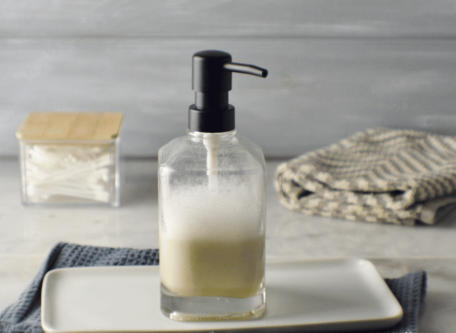
Cellulose ethers play a crucial role in modern shampoo formulations by improving rheology, stability and sensory performance. For manufacturers such as Shandong Shengda New Material Co., Ltd., cellulose ethers like HPMC, HEMC and HEC are core ingredients that upgrade the overall quality of hair care products.
Daily chemical grade hydroxypropyl methylcellulose (HPMC) is a white or slightly yellow powder that is odorless, tasteless and non toxic, making it well suited for use in shampoos and body washes.
Its key functional properties in shampoo and shower gel formulations include the following.
- It dissolves in cold water and certain organic solvents to form a transparent viscous solution, which is convenient for processing.
- It exhibits surface activity that contributes to improved wetting and spreading on hair and skin during application.
- It provides high transparency and strong solution stability, which helps create clear or translucent systems with consistent viscosity.
- Its dissolution in water is not affected by pH, supporting stable performance across typical shampoo pH ranges used in the market.
In finished personal care products, HPMC offers a combination of benefits. It provides thickening and rheology control, enabling a smooth, easy to pour texture that stays stable during storage. It also offers anti freezing effects, helping maintain product stability in low temperature environments during transport and warehousing. In addition, it supports water retention on hair and skin and shows good film forming properties that enhance smoothness and after feel.
Detergent grade HPMC extends these advantages across a wide range of personal care and oral care products, including shampoos, body washes, facial cleansers, lotions, creams, gels, toners, conditioners, styling products, toothpastes, mouthwashes and toy bubble water.
Different cellulose ethers share some core performance advantages, but each has its own typical profile in shampoo applications.
| Ingredient | Main function in shampoo | Key benefits for formulators | Typical product types |
|---|---|---|---|
| HPMC | Thickener, film former, stabilizer | Stable viscosity, anti freezing effect, moisture retention, pH insensitive solubility and high clarity in solution. | Shampoos, shower gels, facial cleansers, conditioners, lotions and styling gels. |
| HEMC | Thickener and rheology modifier | Salt tolerant viscosity build, good water retention and smooth flow behavior in various surfactant systems. | Daily care shampoos, 2 in 1 shampoos and moisturizing body washes. |
| HEC | Thickener and suspending agent | Excellent clarity in surfactant solutions, pleasant slip and stable foam profile. | Transparent shampoos, kids shampoos and mild facial cleansers. |
By selecting the right combination of HPMC, HEMC and HEC, formulators can fine tune viscosity, clarity, foam behavior and conditioning properties to match the positioning and performance targets of each shampoo line.
After an initial formula is created, the development process moves from small scale trials to full production. The typical path involves several stages that ensure the shampoo performs consistently from batch to batch.
1. Lab development, where ingredients are blended in beakers following defined procedures and then evaluated for appearance, viscosity, foam and basic stability.
2. Stability testing, where samples are stored under different temperatures and conditions to observe color, phase separation, viscosity changes and fragrance stability over time.
3. Pilot scale up, where the manufacturing process is reproduced in larger vessels using industrial mixers while maintaining similar shear conditions and addition order.
4. Full scale production, where final process parameters are fixed and quality control tests are used to check that each batch meets defined specifications for key properties.
At every stage, cellulose ethers such as HPMC help maintain consistent rheology and improve formula robustness across temperature fluctuations and distribution conditions.
The interaction between surfactants and cellulose ethers is central to achieving a balanced shampoo that cleans well and feels pleasant to use.
Surfactants derived from fatty acids, commonly from coconut oil, palm kernel oil and soybean oil, self assemble into micelles that encapsulate oils and dirt on hair and scalp. Cellulose ethers then build a network structure in the aqueous phase that controls the mobility of these micelles, directly influencing thickness, flow and foam behavior in the finished product. Film forming polymers such as HPMC can also deposit on hair surfaces during washing and rinsing, forming a thin layer that improves smoothness, reduces friction and supports styling.
When incorporating cellulose ethers like HPMC, HEMC and HEC into shampoo formulations, formulators typically pay attention to several practical aspects to ensure stable and efficient production.
- Hydration procedure, because cellulose ethers should be dispersed uniformly in water under good agitation to avoid lumps and to allow full hydration.
- Addition stage, which is usually in the aqueous phase preparation step, with the exact timing depending on grade, viscosity level and surfactant system.
- Viscosity targeting, which involves adjusting dosage to reach the desired viscosity and flow profile at room temperature and at storage temperatures.
- Compatibility checks, carried out in both sulfate and sulfate free surfactant bases, and in systems containing salts, conditioning agents, actives and fragrances.
By working closely with an experienced cellulose ether supplier, formulators can choose optimized grades tailored to their hair care portfolio and process conditions.
Beyond classic shampoo formulas, detergent grade HPMC is widely used across daily chemical and personal care categories, reflecting its versatility and reliability.
Common applications include body washes and shower gels, where it builds viscosity, improves foam texture and helps prevent phase separation in surfactant systems. Facial cleansers and gels benefit from gentle thickening, enhanced slip and stable clarity, while lotions and creams use HPMC to stabilize emulsions, enhance spreadability and improve moisture retention. In conditioners and styling products, it contributes to film formation and texture control, and in toothpastes and mouthwashes it stabilizes suspensions and delivers a consistent mouthfeel. It is also used in toy bubble solutions to optimize bubble formation and stability in use.
If you are developing or upgrading shampoo, body wash or facial cleanser formulations and want more stable viscosity, better foam quality and improved sensorial performance, choosing the right cellulose ether supplier is a critical step. Shandong Shengda New Material Co., Ltd. focuses on the research, development, production and sales of HPMC, HEMC and HEC for daily chemical applications and can support your projects from lab trials to full scale production. Contact our technical and sales team now to request product samples, discuss suitable grades for your formulations and obtain professional formulation guidance tailored to your specific processing conditions and market requirements.
Contact us to get more information!
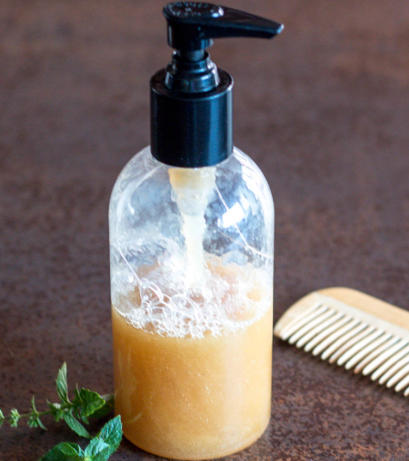
Water serves as the main carrier for surfactants, polymers and active ingredients, typically accounting for 70–80% of the formula, and it also helps control viscosity and ease of application on hair.
Surfactants contain an oil loving part and a water loving part, which allows them to form micelles that surround oily dirt and sebum so that these impurities can be rinsed away easily with water.
HPMC thickens the formula, stabilizes foam, offers anti freezing properties and forms a thin film on hair and skin that supports moisture retention and provides a smoother, more pleasant after feel.
Cellulose ethers such as HPMC, HEMC and HEC are designed to work in a wide range of anionic and amphoteric surfactant bases, including traditional sulfate systems and newer sulfate free formulas used in modern shampoos.
Detergent grade HPMC can be used in multiple products, including shampoos, body washes, facial cleansers, lotions, creams, gels, toners, conditioners, toothpastes, mouthwashes and toy bubble solutions, which helps simplify raw material management for manufacturers.


