


close
Choose Your Site
Global
Social Media
Views: 222 Author: Rebecca Publish Time: 2026-02-22 Origin: Site


Content Menu
● What Is Hydroxypropyl Methyl Cellulose (HPMC)?
● Applications of HPMC Across Industries
>> 3. Food and Cosmetic Industry
● Market Overview of HPMC in the United Kingdom
● Leading Hydroxypropyl Methyl Cellulose Manufacturers and Suppliers in the United Kingdom
>> 1. Shandong Shengda New Material Co., Ltd.
>> 2. Celotech Chemical Co., Ltd.
>> 3. Ashland Global Holdings Inc.
>> 5. ChemPoint and Local Distributors
● Key Factors to Consider When Choosing an HPMC Supplier
● Benefits of Using High-Quality HPMC in Construction Materials
● Global Supply Chain Cooperation Between the UK and China
● Sustainability and Future Outlook
● FAQ About Hydroxypropyl Methyl Cellulose (HPMC)
>> 1. What is the primary function of HPMC in construction materials?
>> 2. Is HPMC safe for use in food and pharmaceuticals?
>> 3. Can HPMC be customized for specific industrial formulations?
>> 4. How should HPMC be stored to maintain stability?
>> 5. How does HPMC differ from HEMC and HEC?
The demand for Hydroxypropyl Methyl Cellulose (HPMC) has been rising rapidly across the globe, especially in the construction, pharmaceutical, food, and cosmetics industries. As a key cellulose ether derivative, HPMC offers remarkable thickening, water retention, film formation, and bonding properties. This makes it an essential ingredient in tile adhesives, wall putty, cement mortars, capsules, and coatings.
The United Kingdom, with its strong industrial foundation and growing emphasis on sustainable building materials, has become a significant hub for both distributors and end-users of HPMC. In this article, we explore the top Hydroxypropyl Methyl Cellulose manufacturers and suppliers in the UK, understand the role of HPMC in various industries, and highlight what makes certain suppliers stand out in terms of quality, innovation, and global partnerships.

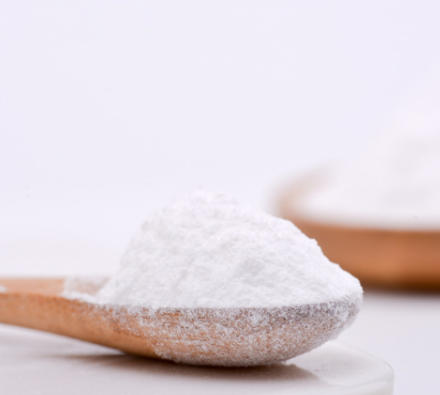
Hydroxypropyl Methyl Cellulose, commonly known as HPMC, is a non-ionic cellulose ether derived from natural refined cotton or wood pulp through chemical modification. It is a white or off-white powder that dissolves in cold water to form a clear or slightly cloudy solution.
- Excellent water retention capability
- Superior film formation and adhesion performance
- Stable viscosity in wide pH and temperature ranges
- Compatibility with various building materials and additives
- Biodegradable and non-toxic composition
Because of these properties, HPMC is widely used as a performance-improving additive in construction materials, pharmaceutical capsules, detergents, and food emulsifiers.
The construction sector is the largest consumer of HPMC worldwide. Its main functions in building materials include water retention, thickening, and improving workability. HPMC enhances the performance of:
- Tile adhesives and joint fillers
- Ready-mixed mortars and skim coats
- Cement and gypsum-based wall putty
- Plaster and exterior insulation finishing systems (EIFS)
By controlling water evaporation and improving bonding strength, HPMC ensures longer open time and smoother surface finishing in construction work.
In the pharmaceutical field, HPMC is widely applied as a binder, film former, and controlled-release agent. It is the main raw material for producing vegetarian capsules, which are heat-stable and free of animal-derived components. HPMC capsules also provide consistent dissolution and bioavailability, making them a preferred choice for modern drug formulation.
As a food additive, HPMC acts as a stabilizer, thickener, and emulsifier. It helps in forming gels, improving texture, and maintaining moisture in bakery and dairy products. In the cosmetics industry, it contributes to lotions, shampoos, and creams by enhancing smoothness and viscosity.
For paints and coatings, HPMC plays a vital role in preventing pigment sedimentation and enhancing surface leveling. It improves suspension stability and ensures uniform pigment distribution.
The UK market for HPMC has seen continual growth due to expanding demand in green building and renovation projects. As the nation's construction policies focus on energy efficiency and sustainable materials, cellulose ethers such as HPMC are increasingly preferred over synthetic polymers.
The pharmaceutical and cosmetic sectors in the UK also contribute significantly to HPMC demand. With the increasing consumer preference for natural, plant-based, and biodegradable ingredients, HPMC aligns perfectly with evolving market trends.
Importantly, the UK market features both domestic producers and global suppliers that maintain strong distribution networks across Europe.
Below are some of the leading HPMC suppliers and manufacturers operating in or supplying to the UK market. These companies represent a mix of local distributors and global producers that contribute to the high-quality supply chain of cellulose ether products.
Shandong Shengda New Material Co., Ltd. is recognized worldwide as a professional manufacturer specializing in the research, development, and production of cellulose ethers, including HPMC (Hydroxypropyl Methyl Cellulose), HEMC (Hydroxyethyl Methyl Cellulose), and HEC (Hydroxyethyl Cellulose).
With advanced production lines, consistent quality control, and strong export capacity, Shengda provides stable-grade HPMC that meets the requirements of construction, pharmaceutical, and cosmetic industries. Its products are known for high viscosity stability, uniform particle size, and reliable water retention performance.
The company's commitment to technological innovation and sustainable manufacturing has made it a trusted partner for UK distributors sourcing large-volume HPMC products for industrial applications.
Celotech is another globally recognized cellulose ether manufacturer that offers a wide range of HPMC grades for different applications. With dedicated technical support and customization options, it provides tailored solutions for construction and coatings industries.
Celotech's UK partners ensure fast logistics and reliable customer service, allowing clients to source consistent-quality HPMC at competitive prices.
Ashland is a long-established chemical technology leader known for its high-performance cellulose derivatives. Its Benecel™ HPMC line serves pharmaceutical and personal care sectors in the UK and Europe. The company emphasizes advanced polymer design and strict regulatory compliance for global market acceptance.
Dow, one of the world's largest chemical companies, supplies HPMC and related cellulose ethers used in paints, coatings, construction chemicals, and pharmaceutical excipients. Its HPMC variants are known for excellent reproducibility and functional consistency across large-scale batches.
UK-based distributors such as ChemPoint and several regional trading companies provide on-demand HPMC products from international manufacturers. These suppliers ensure smaller batch availability, localized stock, and technical advisory support for construction firms, pharmaceutical developers, and chemical formulators.
When selecting an HPMC manufacturer or supplier, several important aspects influence overall quality and cost performance:
- Purity and consistency of viscosity and substitution level
- Particle size distribution and ease of dispersion in water
- Compliance with relevant European and international standards (EN, ISO, USP)
- Technical support including formulation assistance and sample testing
- Logistics and lead time, especially for large-volume orders
Reliable suppliers often provide detailed technical data sheets and certifications to ensure their HPMC meets industry-specific requirements.
High-grade HPMC directly affects the performance of construction mixtures. Some notable benefits include:
- Enhanced water retention, reducing dry shrinkage cracks
- Improved workability and spreadability of mortars
- Better adhesion and bonding strength on various substrates
- Extended open and correction time for tile adhesives
- Uniform consistency without segregation or lumping
These advantages not only improve the durability of the final structure but also reduce on-site labor costs and errors.
The supply chain network for HPMC increasingly reflects strong cooperation between UK distributors and Chinese cellulose ether manufacturers. Chinese producers like Shandong Shengda New Material Co., Ltd. hold major advantages in:
- Cost-effective large-scale production
- Advanced chemical synthesis technologies
- Strict quality control and R&D innovation
- Rapid international logistics and after-sales support
This synergy strengthens the UK's access to reliable, high-quality HPMC materials while enabling global standardization of cellulose products.
The future of HPMC production and application lies in sustainable practices. As industries focus on reducing volatile organic compounds (VOCs) and embracing biodegradable additives, HPMC plays a vital role as an eco-friendly, plant-derived polymer alternative.
In construction, HPMC enhances energy efficiency by retaining water and preventing premature curing. In pharmaceuticals, it enables greener formulations. With rising environmental regulations in the UK, demand for HPMC and similar cellulose ethers will likely grow steadily through 2030.
The United Kingdom continues to be a significant destination for global HPMC manufacturers and suppliers, driven by diverse industrial needs and sustainability priorities. Companies like Shandong Shengda New Material Co., Ltd., along with other international producers, have contributed to shaping a robust cellulose ether market that values quality, innovation, and environmental responsibility.
By choosing verified suppliers and understanding application-specific requirements, UK businesses can achieve both high performance and long-term reliability using Hydroxypropyl Methyl Cellulose products.
HPMC functions mainly as a water-retaining and thickening agent, improving workability, adhesion, and consistency in materials like tile adhesives, plaster, and mortar.
Yes. HPMC is non-toxic, non-allergenic, and biodegradable, making it safe for both pharmaceutical and food applications. It meets international safety standards such as USP and EP.
Absolutely. Many manufacturers offer custom viscosity grades and particle sizes to match the needs of construction, coating, or pharmaceutical processes.
HPMC should be kept in sealed packaging, stored in a dry and ventilated area, away from heat and moisture, to preserve its viscosity and dispersion properties.
While all three are cellulose ethers, HPMC combines methyl and hydroxypropyl groups for higher water retention and thermal stability, whereas HEMC uses hydroxyethyl groups and HEC is purely hydroxyethyl-based, resulting in different viscosity and solubility profiles.


