

close
Choose Your Site
Global
Social Media
Views: 222 Author: Rebecca Publish Time: 2026-03-19 Origin: Site


Content Menu
● Why HPMC Supplier Choice Matters in Saudi Arabia's Construction and Personal Care Markets
● Methodology – How This HPMC Supplier Ranking Was Built
● Customer‑Centric Evaluation Criteria for HPMC Suppliers
>> On‑Site Product Performance and Application Behavior
>> Quality Consistency, Viscosity Control, and Complaint Rate
>> Technical Support, Formulation Expertise, and Local Service
>> Supply Reliability, Local Stock, and Lead Times
>> Price, Cost‑in‑Use, and Contract Flexibility
>> Brand Reputation and Long‑Term Customer Loyalty
● 2026 Tiered Ranking Framework for HPMC Manufacturers and Suppliers Active in Saudi Arabia
>> Tier 1 – Integrated HPMC Producers with Strong Technical and Regional Support
>> Tier 2 – Specialized Chinese HPMC Manufacturers with Growing Saudi Presence
>> Tier 3 – Regional Traders, Niche Brands, and Emerging Players
● Deep‑Dive Insight – Climate‑Ready HPMC Solutions for Saudi Applications
>> High‑Temperature Challenges in Saudi Construction
>> Example – High Gel Temperature HPMC Grades
● Practical Step‑by‑Step Guide to Choosing the Right HPMC Supplier in Saudi Arabia
>> 7‑Step Supplier Selection Checklist
>> Key Questions to Ask HPMC Suppliers
● Where Shandong Shengda New Material Fits in the Saudi HPMC Landscape
● Call to Action – Building Stronger HPMC Partnerships for Saudi Growth
● FAQ – Top HPMC Manufacturers and Suppliers in Saudi Arabia
>> Q1: Which industries in Saudi Arabia consume the most HPMC?
>> Q2: What characteristics make an HPMC supplier suitable for Saudi Arabia's climate?
>> Q3: Are Chinese HPMC manufacturers a good option for Saudi buyers?
>> Q4: How should procurement teams compare prices between different HPMC suppliers?
>> Q5: What steps should be completed before fully switching to a new HPMC supplier?
Saudi Arabia's rapidly growing construction and personal care sectors are driving strong demand for reliable Hydroxypropyl Methyl Cellulose (HPMC) suppliers that can combine performance, consistency, and robust service. For buyers, choosing the right HPMC partner directly affects mortar quality, on‑site efficiency, product stability, and brand reputation. This in‑depth guide blends customer‑oriented criteria with a structured ranking framework to help contractors, dry‑mix plants, and distributors identify top HPMC manufacturers and suppliers serving the Saudi market.

In the GCC region, the construction industry is the dominant end‑user of HPMC, especially in cement‑based mortars, tile adhesives, plasters, self‑leveling compounds, and wall putties. In hot, dry climates like Saudi Arabia, HPMC's water retention, workability enhancement, and crack‑resistance are critical to ensure durable structures and reduced rework. At the same time, daily chemical applications such as shampoos, detergents, and personal care products increasingly rely on consistent HPMC grades for rheology control, suspension, and long‑term stability.
Because of this dual demand, buyers are moving beyond a narrow focus on price. They evaluate suppliers on technical support, quality consistency, delivery reliability, documentation quality, and long‑term partnership potential. A supplier that can support both construction and daily chemical applications with tailored grades offers additional strategic value for Saudi customers.
To build a ranking that reflects real customer needs and practical decision processes, this guide combines market information, technical factors, and user‑centric criteria. The approach focuses on the following elements:
- Data sources: Regional market information, supplier product portfolios, distributor descriptions, and publicly available company profiles for construction‑grade and daily chemical‑grade HPMC.
- Key evaluation dimensions:
- Product performance and application behavior.
- Batch‑to‑batch consistency, viscosity control, and gel‑temperature stability.
- Technical service strength, including lab support and on‑site guidance.
- Supply reliability, local or regional stock, and typical lead times into Saudi Arabia.
- Price positioning, cost‑in‑use, and flexibility in commercial terms.
- Brand reputation, experience with Saudi or GCC customers, and long‑term cooperation cases.
- Regional focus: Suppliers serving Saudi Arabia directly from production sites or via GCC distribution networks, with particular emphasis on solutions adapted to high‑temperature environments.
This structured approach aims to provide B2B readers with a transparent, replicable framework they can apply to their own supplier assessments.
Saudi contractors and dry‑mix producers primarily evaluate HPMC based on how it behaves in real jobsites and high‑temperature production environments. The most important performance factors include:
- Water retention in hot, dry climates to prevent premature drying, shrinkage, and surface cracking.
- Workability and trowelability of tile adhesives, plasters, and putties under varying site conditions.
- Open time and slip resistance, especially for vertical tile applications and large‑format tiles.
- Final strength, adhesion, and surface finish of mortars and coatings.
Suppliers that offer climate‑adapted HPMC grades with suitable gel temperatures and optimized particle size distribution tend to receive higher satisfaction ratings, because they enable more stable on‑site performance and fewer complaints from contractors.
For large dry‑mix plants and coatings manufacturers, consistency is just as important as top‑end performance. Frequent fluctuations in viscosity, substitution degree, or gel temperature can lead to variable mortar behavior, higher internal QC workload, and potential site issues.
Leading HPMC manufacturers typically:
- Operate advanced production lines with stable process control.
- Maintain tight QC protocols on viscosity and other key parameters.
- Provide clear specifications and batch‑wise quality reports.
- Respond quickly and systematically to quality incidents or field claims.
Suppliers with a track record of stable quality and low complaint rates are better positioned to support Saudi customers in scaling up production and serving demanding projects.
Real‑world feedback from professional buyers shows that technical support is a decisive factor when customers:
- Upgrade formulations for higher performance.
- Localize products for hot climates.
- Switch from one HPMC supplier to another.
Top‑tier suppliers provide:
- Application‑focused technical teams that understand mortar design, daily chemical formulations, and regional climate challenges.
- Joint lab work to optimize recipes for tile adhesives, wall putty, EIFS systems, and self‑leveling compounds.
- Guidance on dosage, mixing sequences, compatibility with redispersible powders, starch ethers, defoamers, and other additives.
When production and site teams can reach knowledgeable technical staff quickly and receive concrete, actionable recommendations, the perceived value of the supplier increases significantly.
Saudi Arabia's construction pipeline includes large‑scale infrastructure, housing, and industrial projects that require predictable material supply. Buyers therefore pay close attention to:
- Availability of regional warehouses or distribution partners in GCC.
- Typical lead times from production sites to Saudi plants.
- Ability to maintain buffer stocks during peak construction seasons.
- Transparency on shipping schedules and contingency planning.
Suppliers that combine competitive manufacturing locations with well‑organized regional logistics are often preferred, because they minimize the risk of production stoppages and project delays.
Professional procurement teams focus on cost‑in‑use, not just the nominal price per ton of HPMC. A slightly higher‑priced but more efficient grade can:
- Reduce dosage in formulations.
- Enhance workability and surface quality, reducing rework.
- Lower complaint rates and warranty costs on projects.
Alongside technical performance, buyers also value:
- Medium‑ to long‑term contract pricing for budget stability.
- Flexible minimum order quantities and multi‑grade supply combinations.
- Commercial terms that reflect long‑term partnership rather than one‑off transactions.
Reputation in the GCC market is built over time through consistent supply, visible customer successes, and transparent communication. For many Saudi buyers, the following aspects influence perceived reliability:
- References in regional projects or cooperation with well‑known dry‑mix plants and contractors.
- Documented case studies and technical papers.
- Presence at industry events, seminars, and professional forums.
Suppliers that demonstrate long‑term commitment to the region, rather than opportunistic selling, tend to build stronger customer loyalty.

The following tiered framework describes the typical profiles of HPMC suppliers serving Saudi Arabia. It combines global majors, specialized manufacturers, and regional traders into a clear structure that buyers can adapt to their own screening process.
Tier 1 suppliers are usually large integrated producers with substantial R&D capabilities, robust QC systems, and established track records in GCC construction and personal care markets. They often support multiple industries, including construction, pharmaceuticals, and daily chemicals, and frequently partner with regional distributors or large project owners.
Typical characteristics:
- Extensive HPMC portfolios covering tile adhesives, plasters, putties, EIFS, self‑leveling compounds, coatings, and other applications.
- Proven performance in hot climates, sometimes with dedicated high‑gel‑temperature grades.
- Well‑staffed technical teams capable of supporting application labs and major projects in the region.
Global companies frequently cited in cellulose ether and construction additive segments—including well‑known multinational chemical producers—often fall into this tier and are referenced in regional market analyses.
Tier 2 suppliers are professional HPMC manufacturers, often based in China, that combine modern production facilities with competitive pricing and targeted application expertise. They are increasingly active in the Saudi and broader GCC markets and tend to focus on construction and personal care uses.
A representative example is Shandong Shengda New Material Co., Ltd., a cellulose ether producer focusing on building‑grade and daily chemical‑grade HPMC. The company operates advanced production lines in Shandong and emphasizes stable quality and mid‑ to high‑grade construction applications. Publicly available information highlights:
- A broad viscosity range that can support tile adhesive, plaster, putty, and daily chemical products.
- Modern equipment and quality systems introduced from international suppliers.
- A positioning as a solution provider for global construction and personal care markets, with experience in climate‑sensitive regions.
Other Chinese manufacturers explicitly targeting Saudi and Middle East buyers with HPMC offerings also exemplify this tier.
Tier 2 suppliers are especially attractive to:
- Medium and large dry‑mix plants looking for a balance between performance and cost.
- Distributors seeking flexible OEM or private‑label options.
- Buyers who need more technical interaction than traders typically provide, but want more competitive pricing than some global majors.
Tier 3 comprises trading houses, smaller brands, and new market entrants that import HPMC into Saudi Arabia, often with limited in‑house technical resources.
Common traits include:
- Competitive pricing but variable documentation depth and application support.
- Narrow grade portfolios focused on a limited number of applications.
- Suitability mainly for non‑critical applications or small‑volume users.
When working with Tier 3 suppliers, it is important to have a structured evaluation and trial process to manage risks related to consistency, traceability, and long‑term availability.
In regions where summer temperatures frequently exceed 40 °C, mortars and tile adhesives can lose water faster than intended, leading to shrinkage, poor adhesion, reduced open time, and surface cracking. Contractors also report challenges with rapid stiffening and reduced workability on façades and large‑format tile installations.
These issues are major drivers of interest in HPMC grades optimized for high temperatures, which can maintain workable consistency longer, support adequate cement hydration, and reduce the risk of defects.
To address these challenges, some manufacturers, including specialized Chinese producers, have developed high‑gel‑temperature HPMC specifically for hot climates. Typical benefits include:
- Gel temperatures engineered for enhanced stability under elevated temperatures.
- Extended open time and improved anti‑slip properties on vertical surfaces.
- Better resistance to premature water loss and plastic shrinkage cracking.
Saudi buyers evaluating new suppliers should confirm whether suitable grades exist, request detailed technical data, and run structured trials under local climate conditions.
1. Define your applications and critical performance targets (e.g., long open time tile adhesive, high‑build plaster, highly pumpable self‑leveling compound, stable daily chemical products).
2. Shortlist suppliers with documented experience in GCC or other high‑temperature markets.
3. Review product documentation, QC certifications, and the viscosity and gel‑temperature ranges relevant to your formulations.
4. Conduct structured lab trials followed by controlled plant and job‑site tests, comparing dosage, workability, strength, adhesion, and surface appearance.
5. Evaluate the responsiveness and depth of technical support, including ability to help optimize your formulations.
6. Compare cost‑in‑use, considering dosage, production efficiency, complaint reduction, and warranty costs, rather than price per ton alone.
7. Negotiate clear supply and quality agreements covering specifications, delivery terms, technical support, and complaint handling.
- What is your annual HPMC capacity, and how much is dedicated to construction‑grade and daily chemical‑grade products?
- How do you ensure batch‑to‑batch viscosity and gel‑temperature consistency, and what QC tools do you use?
- Which references or case stories can you share from customers in GCC or similar high‑temperature regions?
- Where are your warehouses or distribution partners located for serving Saudi Arabia, and what are typical lead times?
- What level of technical assistance can you provide during formulation changes, product launches, or large project trials?
Shandong Shengda New Material Co., Ltd. is a Chinese manufacturer specializing in non‑ionic cellulose ethers, including building‑grade and daily chemical‑grade HPMC for global customers. The company operates advanced production facilities in Shandong and positions itself as a partner for comprehensive cellulose ether solutions.
Information from public sources highlights several strengths relevant to Saudi buyers:
- A wide viscosity spectrum that can cover tile adhesives, plasters, putties, and various daily chemical products.
- Modern equipment and quality control systems, introduced from international suppliers, with emphasis on stable and reliable HPMC grades.
- A strategic focus on construction and personal care applications, aligning well with Saudi demand for both building materials and daily consumer products.
For Saudi customers looking for a technically capable and cost‑competitive partner, Shandong Shengda fits the Tier 2 profile: a specialized manufacturer with strong construction focus, growing involvement in climate‑sensitive markets, and the ability to build structured, long‑term cooperation.
For project owners, dry‑mix plants, coatings manufacturers, and distributors in Saudi Arabia, the next logical step is to translate this framework into concrete action:
- Benchmark current HPMC suppliers against the criteria described above.
- Shortlist at least one Tier 1 or Tier 2 supplier for comparative trials.
- Run structured evaluations focusing on performance, consistency, cost‑in‑use, and technical support quality.
Manufacturers such as Shandong Shengda New Material Co., Ltd. are actively serving global construction and daily chemical markets with building‑grade and personal care‑grade HPMC solutions. Engaging such suppliers early can help Saudi buyers secure reliable, climate‑adapted materials and build a resilient supply chain for the coming decade of growth.
For organizations considering a supplier switch or new product launches, this is an ideal time to open discussions, request tailored grades for local conditions, and develop long‑term partnership models aligned with Saudi market requirements.
Contact us to get more information!
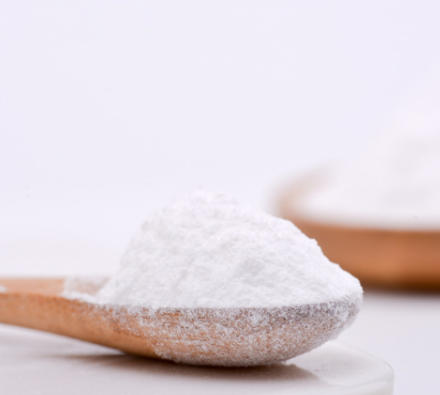
The largest consumer is the construction sector, especially cement‑based mortars, tile adhesives, plasters, wall putties, and self‑leveling compounds. Coatings, pharmaceuticals, and daily personal care products also represent growing demand segments.
Suitable suppliers offer HPMC grades with strong water retention and appropriate gel temperature for hot climates, backed by consistent quality control, documented performance in similar regions, and reliable delivery into Saudi Arabia.
Yes. Specialized Chinese manufacturers like Shandong Shengda combine competitive pricing with technical capability, wide viscosity ranges, and growing experience in serving climate‑sensitive markets, making them attractive options for Saudi customers.
Procurement teams should evaluate cost‑in‑use by considering dosage, production efficiency, defect rates, and warranty or complaint costs. A slightly higher price per ton may translate into lower total cost if performance is more consistent and efficient.
Before switching, buyers should run lab and production trials, gather structured feedback from production and job‑site teams, verify quality and certification documentation, and establish clear agreements covering specifications, delivery, and technical support.
1. BlueWeave Consulting – *GCC Hydroxypropyl Methylcellulose (HPMC) Market* (Construction segment importance and regional demand structure).
2. Yibang Chemical – *Building Green in Hot Climates: HPMC Solutions for the Middle East Market* (High‑temperature challenges and benefits of HPMC in mortars).
3. Kima Chemical – *HPMC for Construction* (Functions of HPMC in tile adhesives, plasters, and other mortars).
4. Shandong Shengda New Material Co., Ltd. – Company and product information (HPMC, building‑grade and daily chemical‑grade cellulose ether solutions).
5. Hebei Yulan Chemical Technology Co., Ltd. – Market communication targeting HPMC supply into Saudi Arabia and the Middle East.
6. Ken Research – *Saudi Arabia Hydroxypropyl Cellulose Market* (Regional market dynamics and presence of cellulose ether suppliers).


