


close
Choose Your Site
Global
Social Media
Views: 222 Author: Rebecca Publish Time: 2026-02-27 Origin: Site


Content Menu
● Understanding Hydroxypropyl Methyl Cellulose (HPMC)
>> Key Characteristics of HPMC:
● The Russian HPMC Market Overview
● Top HPMC Manufacturers and Suppliers in Russia
>> 4. EuroChem Trading Division
● Leading Global Producer Supporting Russian Market: Shandong Shengda New Material Co., Ltd.
>> Advantages of Shandong Shengda HPMC Products:
● Why Russian Companies Prefer Imported HPMC
● Key Factors When Choosing an HPMC Supplier in Russia
● The Role of HPMC in Russian Construction Chemistry
● Future Outlook of the HPMC Industry in Russia
● FAQ About HPMC Manufacturers and Suppliers in Russia
>> 1. What is the role of HPMC in construction materials?
>> 2. Why is Shandong Shengda a leading supplier for Russian clients?
>> 3. How can Russian manufacturers benefit from imported HPMC?
>> 4. What are the common grades of HPMC available in Russia?
>> 5. Is HPMC environmentally friendly?
The growing demand for Hydroxypropyl Methyl Cellulose (HPMC) in the global construction, pharmaceutical, and personal care markets has driven a steady increase in suppliers across both Asia and Europe. Russia, strategically linking Europe and Asia, has emerged as one of the most promising regions for HPMC distribution and manufacturing. As industries emphasize cost efficiency, product performance, and sustainable material sourcing, Russian manufacturers and foreign suppliers have begun to collaborate more closely.
This article explores the top HPMC manufacturers and suppliers in Russia, analyzing their production strengths, product categories, and market competitiveness. It also highlights leading international producers like Shandong Shengda New Material Co., Ltd., who play a key role in providing reliable cellulose ether products such as HPMC, HEMC, and HEC for Russian industries.

Before reviewing Russian suppliers, it's essential to understand what HPMC is and why it remains a vital ingredient across industries.
HPMC, or Hydroxypropyl Methyl Cellulose, is a non-ionic cellulose ether derived from refined cotton or wood pulp. Through a series of etherification processes, cellulose reacts with methyl chloride and propylene oxide to form a water-soluble polymer with outstanding viscosity, film-forming, and bonding properties.
- Excellent water retention capacity
- Superior film-forming abilities
- Consistent viscosity and dispersion
- Thermal gelation, providing stability in formulation
- Biodegradable and non-toxic nature
- Construction: Used in tile adhesives, wall putty, joint fillers, and self-leveling compounds.
- Pharmaceutical: Used as a binder, thickener, and controlled-release agent.
- Food and Cosmetics: Serves as a stabilizer, emulsifier, and thickening agent.
Because of these properties, HPMC has become one of the most sought-after cellulose ethers in modern industrial applications, including both manufacturing and product formulation.
In Russia, the HPMC market has experienced significant growth over the past decade. This growth is fueled by the booming construction materials industry and an increasing shift toward environmentally friendly additives. The Russian Federation's infrastructure investments, driven by both government and private initiatives, have created a strong demand for HPMC-based dry mix mortars and coatings.
While local production capacity is still developing, Russia increasingly relies on imported HPMC from major Asian suppliers. Many construction chemical companies in Moscow, St. Petersburg, and regions like Tatarstan and Samara source HPMC directly from Chinese manufacturers known for consistent quality and competitive pricing.
Headquarters: Moscow, Russia
Overview: Polimax Group is one of the leading suppliers of construction chemicals and additives in Russia. The company provides a full range of cellulose ethers, including HPMC, HEC, and MHEC, to support the dry mix mortar and adhesive industries.
Key Strengths:
- Local distribution warehouses for rapid delivery
- Partnerships with multiple Asian producers
- Technical support for formulations
Target Markets: Tile adhesives, plasters, cement-based coatings, and wall putty products.
Location: Dzerzhinsk, Nizhny Novgorod Region
Profile: Akrilan LLC manufactures polymer dispersions and industrial binders but has expanded its supply channels to include cellulose ethers such as Hydroxypropyl Methyl Cellulose (HPMC) for the building materials industry.
Advantages:
- Integrated production of polymer systems and additives
- Custom formulation and R&D support
- Increasing network of distributors across Russia
Akrilan's adoption of HPMC aligns with the wider market shift toward advanced performance additives in construction chemicals.
Headquarters: Samara, Russia
Krata specializes in chemical ingredients for paints, coatings, and construction. The firm supplies HPMC and HEMC sourced from certified global manufacturers and provides customized technical support for mortar producers.
Why It Stands Out:
- High-quality, consistency-tested cellulose ethers
- Bulk delivery options for industrial applications
- Excellent customer service reputation in local markets
Location: Moscow, Russia
Profile: While EuroChem is known for fertilizers, its trading divisions supply chemical raw materials such as cellulose ethers to construction sectors. Its import partnerships include HPMC and HEMC grades commonly used in cement-based products.
Competitive Features:
- Large import logistics network
- Cross-industry chemical sourcing capabilities
- Technical consultation and client-specific grade selection
Headquarters: Saint Petersburg, Russia
Overview: Chemical Alliance is a distributor of functional chemicals with a growing portfolio of cellulose ether products including HPMC and HEC. It serves both large-scale construction chemical producers and small factories seeking cost-effective additives.
Key Services:
- Consistent supply of HPMC in multiple viscosity grades
- Local storage and quick domestic delivery
- Close technical cooperation with overseas suppliers
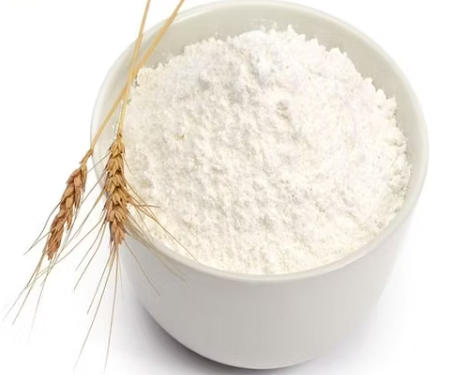
One of the most respected and consistent HPMC producers serving the Russian market is Shandong Shengda New Material Co., Ltd. Based in Shandong, China, the company is a professional manufacturer specializing in Hydroxypropyl Methyl Cellulose (HPMC), Hydroxyethyl Methyl Cellulose (HEMC), and Hydroxyethyl Cellulose (HEC). Its advanced production technology, combined with strict quality control, has earned recognition from international distributors and construction chemical manufacturers in Europe, the Middle East, and Russia.
- High purity and stable viscosity
- Consistent water retention performance
- Excellent compatibility with cement-based materials
- Tailored grade customization for tile adhesive and wall putty formulations
- Reliable export packaging and punctual delivery
The company's HPMC is widely used in construction materials, coatings, detergents, pharmaceuticals, and personal care products, serving as a versatile cellulose ether solution for multiple applications. For Russian importers and mortar producers, partnering with such a trusted supplier ensures consistent quality and reliable technical support.
Although Russia continues to develop its domestic chemical industry, imports from specialized Asian manufacturers such as Shandong Shengda maintain a strong presence. The reasons include:
- Advanced Production Technology: China's leading producers operate modern facilities with automated control systems for precise HPMC specifications.
- Cost Efficiency: Competitive pricing models enable Russian distributors to maintain profitability while offering premium performance.
- Stable Supply Chain: Established logistics networks ensure consistent product availability even under market fluctuations.
- Comprehensive Technical Support: Export-oriented suppliers provide engineering-grade consultation for construction chemical formulations.
These advantages make imported HPMC from China a strategic choice for Russian firms aiming to enhance product quality without increasing costs.
Selecting the right HPMC supplier can greatly influence production efficiency and product performance. Industrial buyers should evaluate several important criteria:
1. Product Consistency: Ensure the HPMC grade maintains uniform viscosity and moisture content across batches.
2. Technical Data and Certificates: Review test reports, SDS, and quality certificates for compliance with international standards.
3. Application Support: Work with partners offering formulation guidance for local environmental and climatic conditions.
4. Pricing Transparency: Seek suppliers providing stable and transparent pricing contracts.
5. Logistic Capability: Local warehousing and timely distribution minimize delays in production.
The construction additives sector in Russia increasingly depends on HPMC for improving mortar performance. Its function in dry-mix systems includes water retention, open time adjustment, anti-sag properties, and overall workability enhancement. In cold climates, as often found in parts of Russia, HPMC helps prevent premature setting, improving bond strength between layers.
Russian builders also use HPMC in self-leveling compounds, rendering mortars, and gypsum-based plasters, where it improves consistency and smoothness. The transition to more environmentally sustainable materials also favors HPMC, as it is biodegradable, non-toxic, and derived from renewable cellulose sources.
Russia's cellulose ether market is expected to expand steadily in the coming years. The country's ongoing construction upgrade projects, coupled with an increasing shift towards high-performance cements and adhesives, will sustain demand. Growing cooperation between Russian distributors and Asian producers—particularly from China—will further stabilize supply.
Moreover, innovation in bio-based chemistry and sustainable raw material development could encourage domestic production of HPMC and related cellulose ethers in Russia. However, until then, imported high-quality HPMC from manufacturers like Shandong Shengda New Material Co., Ltd. will remain vital for consistent product performance.
The Russian market for Hydroxypropyl Methyl Cellulose (HPMC) continues to grow as industries evolve toward advanced material applications. Local companies such as Polimax, Akrilan, Krata, and Chemical Alliance have significantly strengthened the distribution network, while global leaders like Shandong Shengda New Material Co., Ltd. ensure stable supply and dependable quality.
For construction chemical producers, selecting the right HPMC supplier means better formulation performance, reduced waste, and higher customer satisfaction. As the Russian cellulose ether market expands, the synergy between domestic distributors and trusted Asian manufacturers will define the next phase of sustainable growth in this sector.
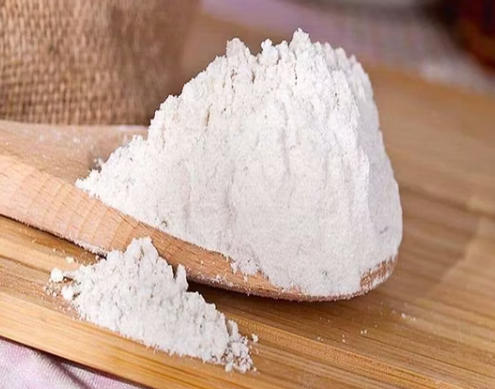
HPMC acts as a water-retaining agent, thickener, and binder in cement-based mortars, tile adhesives, and wall putties. It improves workability, adhesion, and open time, ensuring high consistency and reduced cracking.
Because of its advanced manufacturing technology, reliable quality, and flexible customization, Shandong Shengda New Material Co., Ltd. provides top-grade HPMC and HEMC that meet Russian construction standards and environmental conditions.
Imported HPMC offers better product consistency, higher purity, and technical adaptation to demanding weather and building conditions. It also ensures continuous supply during peaks in market demand.
Common viscosity grades include low (50,000 mPa·s), medium (100,000 mPa·s), and high (200,000 mPa·s) types. These grades serve different applications such as adhesives, renders, or self-leveling flooring compounds.
Yes. HPMC is derived from natural cellulose sources, biodegradable, non-toxic, and suitable for eco-friendly construction and consumer goods applications.


