


close
Choose Your Site
Global
Social Media
Views: 222 Author: Rebecca Publish Time: 2026-02-21 Origin: Site


Content Menu
● What is Hydroxypropyl Methyl Cellulose (HPMC)?
● The HPMC Industry Landscape in Germany
● Top HPMC Manufacturers and Suppliers in Germany
>> 1. Ashland Specialty Ingredients GmbH
>> 2. Dow Deutschland Anlagengesellschaft mbH
>> 3. Shin-Etsu Chemical GmbH Europe
>> 5. Hercules GmbH (Part of Ashland Group)
>> 6. Lotte Fine Chemicals Europe GmbH
>> 7. Shandong Shengda New Material Co., Ltd. (Germany Market Supply)
● Quality and Regulatory Standards for HPMC in Germany
● Applications of HPMC in Different Industries
>> Construction and Building Materials
>> Pharmaceutical and Medical Applications
>> Food, Cosmetics, and Paints
● Market Trends and Future Outlook
● How to Choose a Reliable HPMC Supplier in Germany
● FAQs about HPMC Manufacturers in Germany
>> 1. What makes German HPMC manufacturers stand out internationally?
>> 2. Are German HPMC grades suitable for pharmaceutical use?
>> 3. Can international buyers source HPMC directly from Germany?
>> 4. How does Shandong Shengda New Material Co., Ltd. serve the German market?
>> 5. What are the key industries driving HPMC demand in Germany?
Germany stands at the forefront of Europe's chemical and materials manufacturing sector, known for its precision engineering, advanced quality systems, and eco-conscious production methods. Within this industrial ecosystem, Hydroxypropyl Methyl Cellulose (HPMC) manufacturing thrives as one of the leading branches of cellulose ether production. This article explores the top HPMC manufacturers and suppliers in Germany, their specialties, product quality standards, and the strategic importance of HPMC in the modern chemical and construction markets.
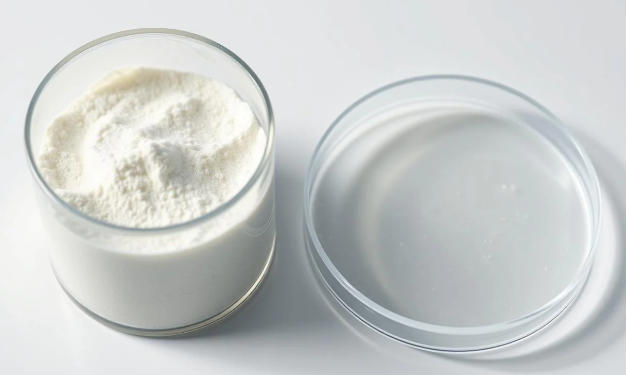
Hydroxypropyl Methyl Cellulose, commonly abbreviated as HPMC, is a non-ionic cellulose ether derived from natural polymer materials such as refined cotton. Through a series of chemical processes—etherification with propylene oxide and methyl chloride—the product gains unique properties such as high water retention, thickening ability, and film-forming capacity.
These attributes make HPMC a core additive in industries including:
- Construction materials (tile adhesives, mortar, self-leveling compounds)
- Pharmaceuticals (tablet coating, controlled release)
- Food production (stabilizer and emulsifier)
- Daily chemical industry (detergents, toothpaste, cosmetics)
- Paints and coatings (dispersion and viscosity control)
In construction, HPMC enhances workability, water retention, and adhesion of cement-based materials. For pharmaceuticals, its thermal gelation property allows precise control over drug release.
Germany's chemical manufacturing heritage supports a network of top-tier cellulose ether producers. The market features large multinational chemical corporations alongside specialized producers focusing on HPMC, HEMC (Hydroxyethyl Methyl Cellulose), and HEC (Hydroxyethyl Cellulose).
Key market drivers include:
- Strong demand from the European building materials industry
- High pharmaceutical-grade cellulose ether requirements
- Emphasis on sustainable production and environmental compliance
- Steady export of cellulose ether products to other EU nations and Asia
Germany's precise engineering and strict environmental standards have positioned it as a premium supplier of HPMC and related cellulose ethers globally.
Below are some of the leading HPMC manufacturers and trusted suppliers headquartered or operating in Germany.
Headquarters: Düsseldorf, Germany
Ashland is a globally recognized supplier of specialty chemicals, including HPMC. In Germany, its manufacturing network caters to pharmaceutical, personal care, and construction material clients across Europe. The company offers high-quality HPMC grades such as Pharmacoat® and Benecel™, known for their consistency, solubility, and compliance with global pharmacopoeia standards.
Ashland emphasizes sustainability and innovation, utilizing renewable cellulose sources and environmentally friendly processing lines.
Headquarters: Schwalbach, Germany
Dow is another global powerhouse in cellulose ether technology. Its German branch plays a major role in distributing METHOCEL™ HPMC grades for adhesives, coatings, and drug formulation.
Dow's HPMC series stands out for its versatility—providing controlled viscosity, thermal gelation, and superior film formation. Its R&D efforts focus on improving eco-efficiency and tailoring HPMC molecular weights to match customer-specific performance requirements.
Headquarters: Wiesbaden, Germany
A Japanese-origin group with a strong German operation, Shin-Etsu Europe supplies Tylose® branded HPMC and HEMC to the construction, food, and cosmetics markets.
Shin-Etsu's Tylose HPMC line is known for its superior water retention capacity and stability under diverse conditions. Their German technical centers provide formulation support for mortar, tile adhesives, and gypsum-based plasters.
Headquarters: Wiesbaden, Germany
SE Tylose is a joint venture between Shin-Etsu Chemical Co. and another European division focusing entirely on cellulose ethers. It's one of the largest HPMC producers in Europe, offering a wide portfolio of methyl cellulose, hydroxyethyl methyl cellulose, and hydroxypropyl methyl cellulose under the Tylose® brand.
Their products cater to:
- Building and construction applications
- Food and cosmetic formulations
- Paint, coating, and paper manufacturing
SE Tylose is also known for its strict quality assurance system and environmental sustainability initiatives that align with EU directives on chemical safety.
Before merging with Ashland, Hercules was a pioneer in cellulose ether manufacturing. The German facility continues to serve specialized markets under Ashland's umbrella, providing HPMC grades used in high-performance construction materials.
These HPMC types improve adhesion strength, open time, and workability—critical in modern tile adhesives and plasters.
Headquarters: Frankfurt, Germany
Lotte Fine Chemicals has made significant progress in cellulose ether products, including HPMC and HEMC, through Korean-German cooperation. Their MeCellose™ HPMC portfolio emphasizes quality uniformity, thermal stability, and high viscosity control.
Applications include dry-mix mortars, water-based paints, and capsule production, reflecting Lotte's deep commitment to multi-industry service.
While headquartered in China, Shandong Shengda New Material Co., Ltd. has become a reliable HPMC exporter to Germany and Europe. The company specializes in HPMC, HEMC, and HEC production for construction, coatings, and pharmaceuticals.
Its HPMC grades are widely appreciated by German importers and distributors due to consistent quality, customized viscosity ranges, and cost efficiency. With ISO and CE certifications, Shengda integrates advanced manufacturing with international delivery efficiency—supplying many EU buyers directly.
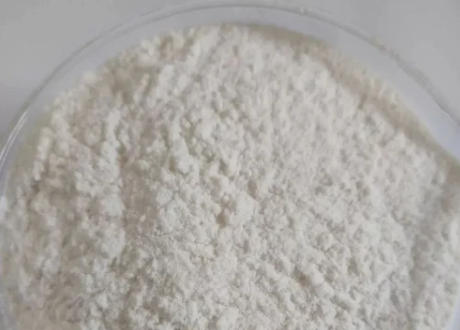
German HPMC producers operate under rigorous ISO 9001 and GMP-certified systems to ensure product safety, purity, and performance. Additionally, all exported and domestically sold cellulose ethers comply with the European REACH regulation, establishing chemical safety across all value chains.
Most manufacturers also maintain pharmaceutical-grade certifications such as:
- USP/NF, EP, and JP compliance
- FDA approval for excipient-grade HPMC
- Environmental certifications like ISO 14001
These standards make German-produced or distributed HPMC ideal for high-end applications requiring traceability and strict quality assurance.
In Germany's booming construction sector, HPMC is vital in:
- Tile adhesives and grouts (improves bonding and open time)
- Plaster and renders (enhances water retention and smoothness)
- Cement-based self-leveling compounds
- Exterior insulation and finishing systems (EIFS)
Example: When used in tile adhesive, HPMC retains water to allow cement hydration, improves adhesion, and gives masons better handling during installation.
Germany's pharmaceutical manufacturers use high-purity HPMC in:
- Tablet coating and film formation
- Controlled drug release systems
- Capsules and ophthalmic solutions
Because HPMC is inert, non-toxic, and biocompatible, it ensures safe and effective release control in modern medicines.
HPMC's thickening, stabilizing, and emulsifying functions make it a common additive in sauces, creams, and cosmetic emulsions. In paints and coatings, it prevents pigment sedimentation and improves viscosity.
The German HPMC market continues to expand, driven by sustainability and global infrastructure growth. Emerging trends include:
- Shift toward bio-based raw materials
- Demand for low-carbon-footprint cellulose ethers
- Development of intelligent HPMC grades suitable for 3D construction printing
- Expansion of international supply partnerships with Asian manufacturers
Given this, both German producers and high-quality exporters like Shandong Shengda are strategically positioned to meet growing industrial demands.
Selecting the right HPMC supplier involves assessing several critical factors:
1. Product Quality: Check viscosity grades, purity, and batch consistency.
2. Certifications: Ensure compliance with ISO, REACH, and GMP standards.
3. Technical Support: Look for a company offering laboratory testing and formulation guidance.
4. Delivery Capability: Verify supply reliability and lead time.
5. Price Competitiveness: Balance cost efficiency with quality performance.
Trusted distributors in Germany often source directly from established manufacturers or long-term international partners.
Germany remains an essential hub for Hydroxypropyl Methyl Cellulose manufacturing and supply across Europe. Supported by technological excellence, strict environmental policies, and diversified industrial applications, German producers offer some of the world's best-quality HPMC products.
Whether you choose a multinational corporation like Ashland or Dow, a specialized cellulose ether maker like SE Tylose, or a global exporter such as Shandong Shengda New Material Co., Ltd., you can rely on consistent performance, sustainability, and innovation in every product batch.
As global demand for eco-friendly additives grows, HPMC stands as a versatile, efficient, and sustainable solution bridging construction, pharmaceutical, and chemical industries.
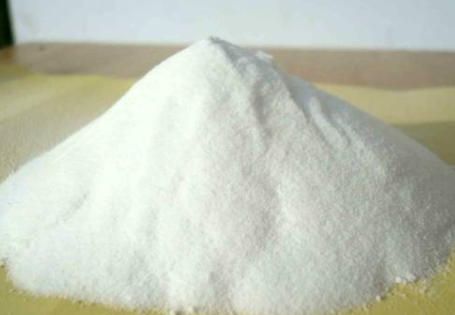
German producers combine precision technology, strict quality control, and environmentally compliant production methods. Their products meet international standards such as EP, USP, and REACH.
Yes. Many are manufactured under GMP standards and comply with major pharmacopoeia guidelines, making them fit for medical and pharmaceutical applications.
Absolutely. Most German manufacturers operate global export networks and maintain logistics channels throughout Europe, Asia, and North America.
Shandong Shengda offers a stable supply of HPMC, HEMC, and HEC to German distributors, focusing on consistent viscosity, dispersion quality, and cost-effective solutions.
The largest consumers include the construction, pharmaceutical, cosmetics, and coating industries—each relying on HPMC's specific viscosity and water-retaining properties.


