


close
Choose Your Site
Global
Social Media
Views: 222 Author: Rebecca Publish Time: 2026-01-31 Origin: Site


Content Menu
● What Is Hydroxyethyl Cellulose (HEC)?
● How to Choose a Reliable HEC Manufacturer
● Top 10 Global Hydroxyethyl Cellulose Manufacturers
>> 1. Dow (Dow Chemical Company)
>> 2. Ashland Global Holdings Inc.
>> 3. Shin‑Etsu Chemical Co., Ltd.
>> 4. Nouryon
>> 6. CP Kelco
>> 8. SE Tylose
>> 10. Hecules (Combizell Brand)
● Where Shandong Shengda New Material Fits In
● Quick Overview of Leading HEC Suppliers
● Practical Steps to Select the Right HEC Supplier
● Expert Tips for Working With HEC in Formulations
● When to Consider Shandong Shengda as Your HEC Partner
● Call to Action: Partner With a Dedicated Cellulose Ether Expert
● Frequently Asked Questions (FAQ)
>> 1. What is the main difference between HEC and HPMC in construction applications?
>> 2. How do I know which HEC viscosity grade to choose?
>> 3. Can I use the same HEC grade in both paints and detergents?
>> 4. What documents should I request from an HEC manufacturer before approval?
>> 5. Why do many formulators choose Chinese cellulose ether manufacturers?
Hydroxyethyl cellulose (HEC) is a key cellulose ether used to control viscosity, water retention, and stability in paints, construction chemicals, personal care products, and oilfield fluids. Choosing the right HEC manufacturer directly affects product performance, cost, and long‑term supply security.

Hydroxyethyl cellulose is a non‑ionic, water‑soluble cellulose ether made by modifying natural cellulose with hydroxyethyl groups. It is widely used as a thickener, rheology modifier, stabilizer, and film‑former in water‑based systems.
Key advantages of HEC in formulations:
- Good salt and pH tolerance in many water‑based systems.
- Excellent water retention and sag resistance in construction applications.
- Stable viscosity over time in paints, coatings, and detergents.
- Compatibility with a wide range of binders and additives.
Typical applications of HEC:
- Architectural paints and industrial coatings.
- Cement‑based tile adhesives, wall putty, and dry‑mix mortars.
- Household detergents, cleaners, and personal care products.
- Oilfield drilling fluids and completion fluids.
Before looking at the top HEC manufacturers, it is important to understand how to evaluate a supplier.
Main criteria to consider:
1. Product portfolio and grades
- Availability of multiple viscosity grades.
- Tailored grades for construction, paint, detergent, or oilfield use.
2. Quality systems and certifications
- ISO quality and environmental management certifications.
- Batch‑to‑batch consistency, documented certificates of analysis, and technical data sheets.
3. Technical support and R&D capability
- Ability to recommend the right grade for your formula.
- Application labs that can help optimize rheology and workability.
4. Capacity, lead time, and supply security
- Sufficient annual capacity and backup lines or plants.
- Stable raw material sourcing and long‑term cooperation potential.
5. Global service network
- Local or regional distributors, warehouses, and technical teams.
- Experience with export documentation, regulations, and logistics.
A practical example: A tile adhesive producer in Europe will typically prioritize consistent water retention, open time, and anti‑slip performance from the HEC, as well as compliant documentation and reliable lead time.
The following companies are widely recognized in the cellulose ether field and supply hydroxyethyl cellulose or closely related cellulose ether solutions for global markets.
Dow is one of the world's largest specialty chemical companies and produces HEC under established brands such as Cellosize, widely used in paints, construction, and personal care. Dow focuses strongly on product development, application support, and global supply capability.
Why many buyers choose Dow:
- Extensive rheology modifier portfolio, including HEC and other cellulose ethers.
- Technical centers in major markets for paint and building materials.
- Strong reputation for consistent quality and regulatory support.
Ashland produces a wide range of cellulose ethers, including hydroxyethyl cellulose under the Natrosol brand. Natrosol grades are widely used in water‑based paints, detergents, and personal care formulations.
Key strengths:
- Deep experience in rheology control for paints and coatings.
- Application‑driven technical service to optimize viscosity and leveling.
- Strong positioning in both industrial and consumer product formulations.
Shin‑Etsu is a Japanese chemical group known for cellulose ethers used in construction, pharmaceuticals, and coatings. The company offers hydroxyethyl cellulose and related cellulose ethers with tight quality control.
Highlights:
- High purity and consistent performance in demanding applications.
- Global production and supply network for key markets.
- Strong R&D and collaboration with large industrial customers.
Nouryon produces cellulose ethers under the Bermocoll brand and supplies HEC and other derivatives for construction and paints. Its products are widely recognized for performance in dry‑mix mortars and water‑based coatings.
Advantages:
- Established position in construction chemicals and decorative paints.
- Grades designed for open time, water retention, and workability in mortars.
- Comprehensive technical and regulatory support in multiple regions.
Kima Chemical is a Chinese manufacturer specializing in cellulose ethers, including hydroxyethyl cellulose and hydroxypropyl methyl cellulose (HPMC). The company supplies construction, paint, coating, and detergent applications worldwide.
Key features:
- Wide cellulose ether product range, including HEC, HPMC, and MHEC.
- Focus on cost‑effective grades for tile adhesive, putty, and gypsum‑based materials.
- Active in global export markets with documented technical support.
CP Kelco is a global hydrocolloids producer with expertise in cellulose derivatives and other biopolymers. Its portfolio covers a range of rheology modifiers for food, personal care, and industrial applications.
Strengths:
- Strong background in biobased, sustainable ingredients.
- Multi‑industry experience across pharma, personal care, and food.
- Comprehensive application knowledge and joint‑development capabilities.
Lotte Fine Chemical, part of the LOTTE Group in South Korea, offers cellulose ethers including hydroxyethyl cellulose marketed under the Hecellose brand. Its HEC is used in construction, paints, adhesives, and various industrial formulations.
Benefits:
- Competitive, high‑quality products serving Asia, Europe, and North America.
- Strong supply chain and distribution network in key regions.
- Focus on innovation and long‑term partnerships with formulators.
SE Tylose is a Germany‑based specialist in cellulose ethers for construction, paint, pharmaceutical, and food industries. The company provides HEC and other cellulose ethers with a long track record of performance.
Why Tylose is trusted:
- Well‑known brand recognition in dry‑mix mortar and coatings.
- Strong quality systems and technical support infrastructure.
- Product range covering both technical and regulated applications.
Daicel, headquartered in Japan, supplies specialty chemicals and cellulose derivatives for diverse markets. Its cellulose ether line is used in construction, coatings, and other industrial segments.
Key points:
- Diversified chemical portfolio with stable corporate backing.
- Focus on tailored solutions for specific customer requirements.
- Reliable exporter to multiple regions.
Hecules produces cellulose ethers under the Combizell brand, including hydroxyethyl cellulose (HEC), hydroxyethyl methyl cellulose (HEMC), and hydroxypropyl methyl cellulose (HPMC). These products are used in construction materials, coatings, and related fields.
Highlights:
- Integrated cellulose ether product family for different applications.
- Grades formulated for water retention, thickening, and workability.
- Suitable for customers seeking one supplier for multiple cellulose ethers.
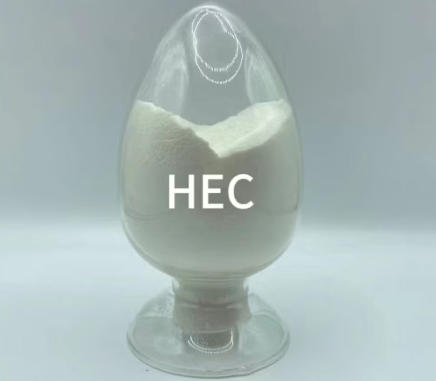
Shandong Shengda New Material Co., Ltd. is a professional manufacturer focused on research, development, production, and sales of cellulose ethers such as HPMC, HEMC, and HEC. The company provides cellulose ether solutions for construction materials, household chemicals, and other industrial applications.
Core strengths of Shandong Shengda:
- Complete cellulose ether product line, including architectural and daily chemical grades of HPMC, HEMC, and HEC.
- Advanced production lines integrating traditional process control with intelligent automation to ensure consistent quality.
- Significant annual production capacity that supports stable supply for large and medium‑sized customers.
- Technical team able to customize cellulose ether solutions for tile adhesive, wall putty, self‑leveling, detergents, and more.
In the global cellulose ether landscape, Shandong Shengda is an emerging, export‑oriented manufacturer offering competitive pricing and technical support alongside established multinational brands.
| Manufacturer | Main HEC / Cellulose Ether Brands | Key Application Focus | Notable Strengths |
|---|---|---|---|
| Dow | Cellosize and other rheology modifiers | Paints, coatings, construction, personal care | Global R&D and strong application labs |
| Ashland | Natrosol HEC | Paints, detergents, personal care | Deep rheology expertise |
| Shin‑Etsu | Cellulose ethers for construction and pharma | Construction, pharmaceuticals, coatings | High purity and consistent quality |
| Nouryon | Bermocoll | Dry‑mix mortars, paints | Strong presence in construction chemicals |
| Kima Chemical | HEC, HPMC, MHEC, and related ethers | Construction, paints, coatings | Competitive pricing and export orientation |
| CP Kelco | Cellulose derivatives and hydrocolloids | Food, personal care, industrial uses | Biobased and sustainability‑focused solutions |
| Lotte Fine Chemical | Hecellose | Construction, paints, adhesives | Strong Asian and global distribution network |
| SE Tylose | Tylose cellulose ethers | Construction, paint, pharma, food | Trusted European brand with strong technical support |
| Daicel | Cellulose ether product line | Construction, coatings | Specialty solutions for tailored requirements |
| Hecules (Combizell) | Combizell HEC, HEMC, HPMC | Construction materials, coatings | Integrated cellulose ether product family |
| Shandong Shengda New Material | HPMC, HEMC, HEC, and related products | Tile adhesives, mortars, putties, detergents | Complete line, automation, export‑oriented service |
To move from a long list to a shortlist of suppliers, you can follow these five practical steps:
1. Define application and performance targets
- Clarify whether your main use is paints, cement‑based mortars, detergents, or oilfield fluids.
- Identify critical parameters such as water retention, open time, leveling, splash resistance, or salt tolerance.
2. Request technical data and samples
- Ask for detailed technical data sheets, safety data sheets, typical viscosity curves, and recommended dosage.
- Test several viscosity grades and substitution levels in your own formulation.
3. Evaluate lab and field performance
- Run lab tests for viscosity, sag resistance, workability, and stability.
- If possible, perform small field trials with end users such as contractors, painters, or cleaning staff.
4. Check audits, certifications, and logistics
- Confirm quality certifications, quality control procedures, and batch traceability.
- Evaluate shipping time, minimum order quantities, and stock practices.
5. Develop long‑term cooperation
- Once performance is proven, negotiate volume‑based pricing and technical support agreements.
- Consider dual‑sourcing from a global brand plus a cost‑effective Asian producer to manage risk.
Getting the most from hydroxyethyl cellulose depends on how you disperse, hydrate, and combine it with other additives.
Best practices:
- Pre‑disperse HEC in cold water or in a suitable non‑solvent medium to avoid lumping.
- Add HEC under good agitation and allow sufficient hydration time before measuring viscosity.
- Combine HEC with other rheology modifiers to fine‑tune flow and leveling.
- Adjust pH and temperature according to supplier recommendations for optimal hydration.
- Compare new HEC grades in parallel with your existing benchmark product.
For cement‑based materials, pay special attention to the following:
- Water retention and open time for tile adhesive and EIFS mortars.
- Slip resistance and anti‑sag properties on vertical surfaces.
- Compatibility with redispersible polymer powders (RDP) and other admixtures.
Shandong Shengda New Material is a strong option if you are looking for an integrated cellulose ether supplier covering HPMC, HEMC, and HEC from a single factory. With automated production and a focus on construction and daily chemical applications, the company can support both performance and cost optimization.
You may consider Shandong Shengda if you:
- Need tailor‑made HPMC, HEMC, or HEC solutions for tile adhesives, wall putties, or detergents.
- Want to balance cost and quality through cooperation with a specialized Chinese manufacturer.
- Require stable, large‑volume supply with technical support for formulation adjustment.
If you are currently evaluating hydroxyethyl cellulose suppliers for paints, construction materials, detergents, or other industrial applications, working with a manufacturer that focuses on cellulose ethers will help you reduce formulation risk and accelerate product development. Shandong Shengda New Material Co., Ltd. offers a full range of HEC, HPMC, and HEMC grades, supported by experienced technical teams and modern production facilities.
Contact Shandong Shengda New Material Co., Ltd. today to request samples, discuss your specific formulation requirements, and explore long‑term cooperation opportunities tailored to your market and application.
Contact us to get more information!
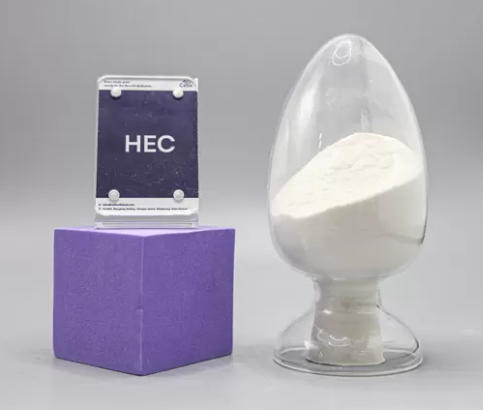
HEC is typically used as a thickener and water‑retention agent in water‑based systems, while HPMC often provides stronger water retention and improved workability in cement‑based mortars and tile adhesives. In many construction formulations, HEC is chosen for viscosity control in liquid products, and HPMC is preferred for dry‑mix mortars that require open time and sag resistance.
You should select the viscosity grade based on the target application and the flow characteristics you need. For example, higher viscosity grades are often used when strong thickening and sag resistance are required, while lower viscosity grades are chosen for easier pumping and leveling. Suppliers usually provide viscosity ranges and recommended dosages in the technical data sheet to help you select the right grade.
Some versatile HEC grades can perform well in multiple systems, but for optimal performance, many manufacturers offer application‑specific grades tuned for paints, detergents, or oilfield fluids. Using a grade designed for your specific end use can improve stability, appearance, and handling properties. It is best to test each grade in your own formulation before finalizing.
You should obtain at least the technical data sheet (TDS), safety data sheet (SDS), and certificates of analysis (COA) for the relevant grades. It is also advisable to request information about quality certifications, quality control procedures, and regulatory compliance for your target markets. These documents will help you assess product consistency, safety, and suitability for your application.
Many formulators choose Chinese cellulose ether manufacturers because they offer competitive pricing, rapidly expanding production capacity, and increasingly strong technical service. Modern plants and improved quality systems have made it easier to balance cost, quality, and supply security. For global buyers, this creates opportunities to cooperate with specialized producers while maintaining performance standards.
1. https://www.kimachemical.com/news/top-10-hydroxyethyl-cellulose-manufacturers/
2. https://www.kimachemical.com/about-us-2/
3. https://www.kimacellulose.com/industry-news/
4. https://www.shengdahpmc.com
5. https://sdshengda.en.made-in-china.com
6. https://tenessy.com/discover-the-best-cellulose-ether-manufacturers-worldwide/
7. https://www.drymix.info/industry-directory/cellulose-ether/
8. https://www.pharmacompass.com/manufacturers-suppliers-exporters/hydroxyethyl-cellulose


