


close
Choose Your Site
Global
Social Media
Views: 222 Author: Rebecca Publish Time: 2026-03-03 Origin: Site


Content Menu
● 1. Shandong Shengda New Material Co., Ltd.
● 3. LOTTE HPMC (China Division)
● 4. Tai'an Synthetic Materials Co., Ltd.
● 5. Yantai Ming Chemical Co., Ltd.
● 6. Zhongtai Chemical Co., Ltd.
● 7. Henan Tieling Construction Materials Co., Ltd.
● 9. CNPC Nanjing Chemical Integration
● 10. Shangyu Cellulose Co., Ltd.
● Understanding the Role of HPMC in Construction Materials
● Why Choose a Chinese HPMC Manufacturer
● Quality Indicators When Choosing HPMC
● FAQ About HPMC in Construction
>> 1. What is HPMC and how is it made?
>> 2. Why is HPMC important in tile adhesives?
>> 3. Can HPMC be customized for different climates?
>> 4. What is the difference between HPMC and HEMC?
>> 5. How should HPMC be stored and handled?
In the rapidly evolving construction materials industry, Hydroxypropyl Methylcellulose (HPMC) plays a crucial role in improving performance across a wide range of cement-based and gypsum-based applications. As global demand for HPMC continues to rise, Chinese manufacturers have become major suppliers of high-quality HPMC products used in tile adhesives, coatings, mortars, and self-levelling compounds. This article explores the top 10 construction-grade HPMC manufacturers in China known for their consistent quality, technical innovation, and international service capabilities.

Shandong Shengda New Material Co., Ltd. is a professional and leading manufacturer specializing in the research, development, production, and sales of cellulose ethers, notably HPMC (Hydroxypropyl Methylcellulose), HEMC (Hydroxyethyl Methylcellulose), and HEC (Hydroxyethyl Cellulose). Based in Shandong Province, the company has developed a solid reputation in both domestic and international markets as a reliable supplier of construction-grade HPMC.
The company's HPMC products are widely applied in construction materials such as tile adhesives, wall putty, external insulation systems, self-leveling compounds, and gypsum products. Shandong Shengda prioritizes product stability by using advanced automated production lines and strict quality control systems. Its R&D team is focused on customizing HPMC grades that provide superior water retention, workability, and bonding strength for different construction needs.
With a customer base covering Asia, Europe, Africa, and South America, Shandong Shengda New Material Co., Ltd. continues to expand its influence in the global building materials market, delivering trustworthy HPMC solutions for long-term value.
Shandong Head Co., Ltd. is one of the pioneering Chinese producers of cellulose ethers, including HPMC and HEMC, for construction and industrial use. With more than two decades of experience, the company integrates production, research, and international trade, operating modern production facilities that comply with ISO9001 standards.
Their construction-grade HPMC products help enhance thickening, water retention, and setting time control in mortars and cement systems. The brand is well-known in overseas markets, particularly in Europe and the Middle East.
Although originally headquartered in South Korea, LOTTE Chemical's Chinese division has significantly expanded its HPMC production capacity to meet regional demands. With advanced chemical synthesis technology and strict environmental management, LOTTE provides reliable and high-purity HPMC suitable for all kinds of construction mix applications, ensuring stable viscosity and consistent performance.
Tai'an Synthetic Materials Co., Ltd. has achieved strong recognition for producing HPMC and MC (Methyl Cellulose) products that are designed for dry-mix mortars, plaster, grout, and tile adhesives. The company's modern factory in Shandong Province follows global quality management systems to ensure stable performance across multiple viscosity grades. Their HPMC products deliver excellent water retention and superior film-forming properties that meet the needs of advanced construction formulations.
Yantai Ming Chemical Co., Ltd. provides a full range of cellulose ether materials, including HPMC, tailored for the construction, coating, and detergent industries. In the construction sector, their HPMC grades enhance cement hydration, improve workability, and reduce cracking in wall putty and tile adhesive systems. With technology imported from Europe, their R&D team continues to optimize HPMC molecular design for improved thermal gelation and dispersion.
Zhongtai Chemical is a diversified large-scale enterprise active in multiple chemical fields, including HPMC production for construction materials. The company operates under a philosophy of green production and sustainability. Its HPMC products are mainly used in dry powder mortars and thermal insulation systems, providing high water retention and excellent open time. Zhongtai's automated batch systems ensure consistent quality for every shipment, which supports its strong reputation among global distributors.
Henan Tieling Construction Materials Co., Ltd. specializes in producing cellulose derivatives, particularly HPMC, HEMC, and CMC (Carboxymethyl Cellulose). Its HPMC products feature good solubility, excellent thickening ability, and improved adhesion for cement and gypsum-based materials. The company emphasizes customized formulations for specific climate conditions, making its products suitable for export to diverse regions with varying temperatures and humidity.
Lando Chem Inc. integrates chemical research and production focusing on cellulose ethers and redispersible polymer powders (RDP). Their HPMC grades are engineered for use in high-end dry-mix construction products, rendering mortars, and joint fillers. The company's international business operations have expanded steadily across 40 countries, driven by strict product testing and fast logistics support.
As one of the subsidiaries of China National Petroleum Corporation (CNPC), Nanjing Chemical Integration has developed a strong industrial foundation for polymer materials, including HPMC for construction. Their products combine high chemical purity and uniform viscosity levels, ensuring consistent results in wall coatings, cement-based screeds, and tile adhesives. Supported by CNPC's research institutes, their HPMC series meets global standards for professional applications.
Shangyu Cellulose Co., Ltd. operates with advanced technology for HPMC synthesis, focusing on environmentally friendly production techniques. Their construction-grade HPMC is designed for high performance in tile adhesives, EIFS (External Insulation Finishing Systems), and joint compounds. The company's core advantage lies in its high molecular substitution control, which ensures balanced water retention and workability for cement-based materials used in sophisticated construction projects.
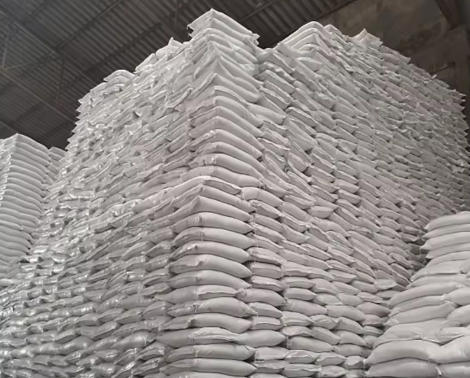
HPMC (Hydroxypropyl Methylcellulose) is a non-ionic cellulose ether derived from natural polymer cellulose. It functions as a thickener, water retainer, and binder in dry-mix construction materials. Its importance comes from several features:
- Water Retention: HPMC slows the evaporation of water from cement and gypsum-based mixtures, ensuring proper hydration and strength development.
- Workability: It improves the smoothness and spreadability of mortars and tile adhesives, helping to achieve consistent application.
- Slump Resistance: HPMC's thickening property prevents material segregation and sagging during vertical applications.
- Adhesion Enhancement: It enhances bonding performance between substrates and building materials.
- Setting Time Control: HPMC can moderate the setting rate, offering better open time and adaptability to various weather conditions.
These characteristics make HPMC a crucial additive for construction materials focused on sustainability, efficiency, and durability.
China's dominance in the HPMC industry is not a coincidence. Several factors contribute to this strength:
- Cost Efficiency: Competitive raw material sourcing and economies of scale allow Chinese manufacturers to offer high-quality products at fair prices.
- Technological Advancement: Many factories utilize fully automated systems with digital monitoring to maintain product uniformity.
- Strong Supply Chain: Large-scale logistics networks help ensure timely global deliveries.
- Customization: Chinese producers can quickly adapt HPMC grades according to local construction conditions and client specifications.
For international buyers, partnering with an experienced and certified Chinese HPMC manufacturer ensures access to reliable material support for construction innovation.
When selecting HPMC for construction, these quality indicators are critical:
- Viscosity Stability: Ensure consistent viscosity to maintain predictable performance.
- Purity: Low ash content means fewer impurities that can affect cement hydration.
- Water Retention Value: High retention ensures stronger final strength and smoother workability.
- Dispersion Rate: Fast-dissolving HPMC is easier to handle in production and mixing processes.
- Compatibility: HPMC should work well with polymers, cement, and gypsum without causing phase separation.
These metrics determine product performance across diverse construction environments.
China has solidified its global leadership in HPMC production for construction applications, delivering stable quality and innovative engineering solutions. Among these manufacturers, Shandong Shengda New Material Co., Ltd. stands out for its research-driven approach, advanced manufacturing technology, and broad international footprint. Their consistent supply of HPMC, HEMC, and HEC supports modern construction projects that prioritize quality, performance, and sustainability. Whether for tile adhesives, wall putty, renders, or self-leveling mortar, choosing a trusted Chinese HPMC partner ensures your construction products achieve superior results.
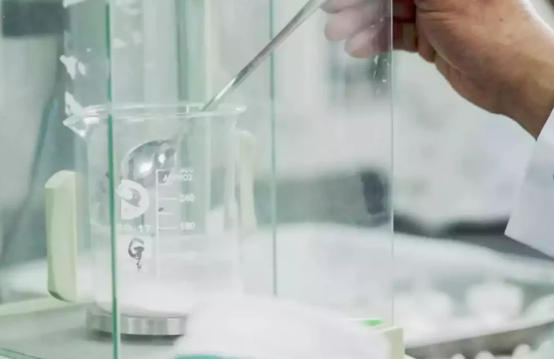
HPMC (Hydroxypropyl Methylcellulose) is produced through the chemical modification of natural cellulose. The process involves etherification with methyl chloride and propylene oxide, creating a water-soluble polymer with excellent thickening and stabilizing properties.
HPMC is crucial in tile adhesives because it enhances water retention, improves open time, and increases bonding strength between the tile and substrate. This leads to fewer installation issues and longer-lasting results.
Yes. Manufacturers like Shandong Shengda New Material Co., Ltd. can tailor HPMC formulations to withstand various temperatures and humidity levels, ensuring consistent performance in hot, cold, or humid environments.
While both are cellulose ethers used in construction, HPMC offers better temperature stability and gel strength, while HEMC (Hydroxyethyl Methylcellulose) provides improved workability and tolerance under different thermal conditions.
HPMC should be stored in a cool, dry environment away from moisture and direct sunlight. When mixing, it should be added slowly to water at the proper temperature to prevent clumping and ensure full hydration.


