


close
Choose Your Site
Global
Social Media
Views: 222 Author: Rebecca Publish Time: 2026-01-31 Origin: Site


Content Menu
● What Is Hydroxypropyl Methylcellulose (HPMC)?
● Key Functional Properties of HPMC
>> 1. Viscosity and Thickening Ability
>> 2. Water Retention and Setting Time Control
>> 3. Film-Forming and Binding
>> 4. Stabilization and Emulsification
● Major Application Fields of HPMC
>> HPMC in the Construction Industry
>> HPMC in Food and Food Processing
>> HPMC in Personal Care and Home Care
● How to Select the Right HPMC Grade for Construction
>> Example: HPMC Optimization in Tile Adhesive
● Comparison: HPMC vs HEMC vs HEC
>> Cellulose Ether Overview Table
● Case Insight: HPMC in Sustainable Construction
● Why Work With a Professional Cellulose Ether Manufacturer
● Practical Tips for Using HPMC in Your Formulation
● Take the Next Step With Shandong Shengda New Material
● Frequently Asked Questions (FAQ)
>> 1. What is the main difference between HPMC and HEMC in construction applications?
>> 2. How does HPMC dosage affect the setting time of cement-based materials?
>> 3. Is HPMC safe for use in food and pharmaceuticals?
>> 4. Why is non-ionic character important for HPMC performance?
>> 5. What support can Shandong Shengda New Material provide for new HPMC users?
Hydroxypropyl methylcellulose (HPMC) is a versatile cellulose ether widely used in construction, pharmaceuticals, food, and personal care due to its unique thickening, film-forming, and water-retention properties. For buyers, formulators, and contractors, understanding HPMC grades, functions, and selection criteria is critical to achieving consistent product performance and cost-effective formulations.
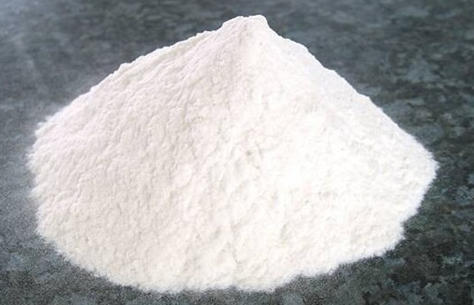
HPMC is a non-ionic, water-soluble cellulose ether derived from natural cellulose that has been chemically modified with methoxy and hydroxypropyl groups. These substitutions give HPMC its characteristic solubility, viscosity-building ability, and film-forming behavior that make it valuable across multiple industries.
- Soluble in cold water, forming clear or slightly opalescent solutions.
- Exhibits reversible thermal gelation: solutions gel upon heating and return to liquid on cooling.
- Non-ionic nature provides compatibility with a wide range of additives, salts, and other polymers.
In practical terms, HPMC works as a multifunctional excipient or additive that can thicken, retain water, stabilize, improve workability, and form protective films depending on the application.
Understanding HPMC's core properties helps you choose the right grade for your formulation.
HPMC is available in a wide viscosity range, typically from about 400 to 200,000 mPa·s (cps) measured in standard aqueous solutions. Higher molecular weight, or higher degree of polymerization, leads to higher solution viscosity and stronger thickening performance.
- Higher viscosity grades provide better water retention, sag resistance, and anti-slip behavior in mortars and tile adhesives.
- Lower viscosity grades improve flow and pumpability where easier handling is needed.
The apparent viscosity of HPMC solutions is also shear-thinning: under shear, viscosity decreases, which improves workability during mixing and application.
HPMC strongly binds water in cementitious and gypsum systems, reducing bleed water and preventing rapid evaporation. This water-retention effect:
- Improves cement hydration and final strength development.
- Enhances open time and workability of mortars and tile adhesives.
- Helps control setting time: higher viscosity and higher dosage generally delay setting more significantly.
Studies on cement-based materials show that low-dosage, low-viscosity HPMC can maintain setting close to control mixes, while higher-viscosity, higher-dosage grades can markedly extend setting time.
HPMC forms transparent, flexible films when solutions are dried, which is crucial in coatings, pharmaceutical tablets, and food applications.
- In pharmaceuticals, it acts as a binder in tablets and as a coating polymer for controlled release.
- In food, it can create protective or texturizing films and serve as a vegetarian alternative to gelatin.
These film-forming characteristics enhance cohesion and surface protection in many formulations.
HPMC functions as a stabilizer and emulsifier in liquid formulations.
- Prevents phase separation in creams, lotions, and shampoos by increasing viscosity and stabilizing emulsions.
- Improves suspension stability of pigments and fillers in paints and coatings.
HPMC's versatility allows one material to serve many industries with application-specific grades.
In dry-mix mortars and other building materials, HPMC is a critical performance additive.
Typical applications include:
- Tile adhesives and tile grouts.
- Cement and gypsum plasters.
- Skim coats and wall putties.
- Self-leveling compounds and grouts.
- External insulation finishing systems, or EIFS.
Key benefits in construction include:
- Improved workability with smoother mixing, troweling, and finishing.
- Enhanced water retention for better curing, reduced shrinkage, and fewer cracks.
- Sag resistance and anti-slip so tiles stay in place on vertical surfaces.
- Extended open time, providing more time for tile adjustment and installation.
Laboratory and field research indicates that adding HPMC increases viscosity and reduces flowability while enhancing deformability; high-viscosity grades show stronger effects at equal dosages.
HPMC is a key excipient in oral solid dosage forms.
- Used as a binder, disintegrant, and matrix former in tablets.
- Employed as a film-coating polymer for immediate and controlled-release dosage forms.
- Provides moisture protection, taste masking, and controlled drug release by tailoring viscosity and substitution patterns.
Because HPMC is non-ionic, biocompatible, and widely recognized as safe, it has become one of the most important cellulose-derived pharmaceutical polymers.
In the food industry, HPMC is used as an additive with multiple roles.
- Functions as a thickener, emulsifier, and stabilizer in processed foods.
- Enhances texture, mouthfeel, and consistency while helping prevent phase separation.
- Serves as a vegetarian alternative to gelatin in certain applications.
Regulatory approvals and long-term use support its safety when used within recommended limits.
HPMC is also widely used in daily chemical and personal care products.
- Thickener and stabilizer in shampoos, body washes, and liquid soaps.
- Film-former in lotions, creams, and hair care products to improve texture and feel.
- Rheology modifier in detergents and cleaning formulations.
Its non-ionic character supports compatibility with surfactants and a wide pH range.
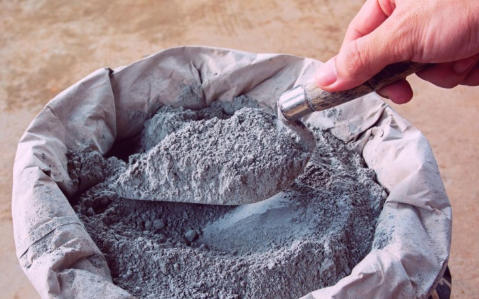
Formulators and contractors often face the practical question: which HPMC grade should I choose for my mortar or tile adhesive?
1. Viscosity grade
- Low to medium viscosity for pumpable, self-leveling systems.
- Medium to high viscosity for tile adhesives, renders, and putties that need strong sag resistance.
2. Degree of substitution and substitution pattern
- Tailored methoxy and hydroxypropyl substitution affect gel temperature, solubility, and water retention.
3. Setting time and open time requirements
- If fast setting is needed, use lower-viscosity grades and optimized dosage.
- For extended open time or hot climates, apply higher-viscosity or modified grades.
4. Environmental conditions
- Temperature, humidity, substrate absorption, and wind all influence water demand and HPMC dosage in jobsite conditions.
- Start with a medium-viscosity HPMC designed for tile adhesives at around 0.3–0.4 percent dosage by weight of dry mix, as an illustrative starting point.
- Evaluate open time, slip resistance, and workability under typical site conditions.
- Fine-tune with slightly higher viscosity or slightly higher dosage if tiles slip or open time is too short; reduce viscosity or dosage if setting becomes too slow or workability is compromised.
For buyers handling multiple cellulose ethers, distinguishing HPMC, HEMC, and HEC is essential.
| Property / Feature | HPMC (Hydroxypropyl Methylcellulose) | HEMC (Hydroxyethyl Methylcellulose) | HEC (Hydroxyethyl Cellulose) |
|---|---|---|---|
| Ionic character | Non-ionic | Non-ionic | Non-ionic |
| Main substituents | Methoxy plus hydroxypropyl | Methoxy plus hydroxyethyl | Hydroxyethyl only |
| Water solubility | Excellent in cold water | Excellent in cold water | Excellent in cold water |
| Thermal gelation | Pronounced gelation on heating | Thermal gelation with different range | Limited gelation |
| Typical construction uses | Tile adhesive, plaster, putty, EIFS | External insulation, renders, dry-mix mortars | Paints and water-based coatings |
| Key strengths | Strong water retention, sag resistance, workability | Good water retention with distinct rheology profile | Excellent thickening in paints and detergents |
| Other industries | Pharmaceuticals, food, personal care | Detergents and household chemicals | Paints, personal care, oilfield |
This overview helps decision-makers align each cellulose ether with the most suitable application and performance profile.
Growing emphasis on sustainable and durable construction has increased the use of advanced HPMC formulations.
- In sustainable concretes and mortars, HPMC improves water management, reducing microcracking and enhancing durability.
- By stabilizing mixes with supplementary cementitious materials, HPMC helps achieve consistent performance while lowering clinker content.
Recent technical reviews highlight HPMC as a key component in modern, performance-based cementitious systems, supporting both mechanical performance and service life.
Partnering with a specialized HPMC supplier ensures stable quality, technical support, and consistent supply for your projects and formulations.
Shandong Shengda New Material Co., Ltd. is a professional manufacturer committed to the research, development, production, and sales of water-soluble polymer compounds such as HPMC, HEMC, and HEC.
Key strengths include:
- Independent research and development capabilities and complete product lines for architectural-grade and daily-chemical-grade cellulose ethers.
- Adjustable HPMC viscosity range from about 400 to 200,000 cps to match diverse application needs.
- Annual HPMC production capacity of around 60,000 tons, supporting reliable global supply.
- Strict quality testing for viscosity, ash, and moisture content in line with relevant standards to ensure batch-to-batch consistency.
With extensive experience in tile adhesives, wall putties, mortars, and household chemicals, Shengda provides both products and technical service for customers in Asia, Europe, Latin America, the Middle East, and Africa.
For formulators and buyers, a structured approach helps unlock HPMC's full value.
1. Clearly define your target performance
Focus on workability, sag resistance, open time, early strength, or a combination, because each target will guide different HPMC selections.
2. Match viscosity grade to application
Start with typical viscosity ranges for tile adhesive, plaster, or putty, then refine based on internal lab testing and field feedback.
3. Optimize dosage
Recognize that small dosage changes can significantly affect setting behavior and rheology, so adjust gradually and document each step.
4. Evaluate under real jobsite or production conditions
Test materials at realistic temperature, humidity, mixing method, and water quality to avoid surprises during large-scale use.
5. Work closely with your supplier's technical team
Experienced manufacturers can recommend suitable grades and provide formulation guidance tailored to your target markets and performance requirements.
If you are a distributor, formulator, or contractor looking for reliable HPMC, HEMC, or HEC for construction, pharmaceuticals, food, or daily chemical applications, choosing a proven partner is essential. Shandong Shengda New Material Co., Ltd. is ready to support you with tailored cellulose ether solutions, technical guidance, and stable supply to help you achieve consistent product performance and strengthen your position in global markets. Contact our technical and sales team now to discuss your requirements, request samples, or develop a customized cellulose ether solution for your next project.
Contact us to get more information!
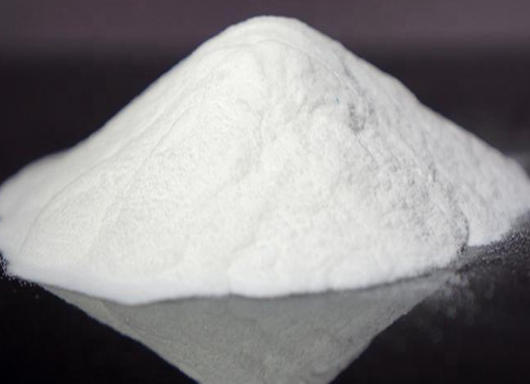
HPMC and HEMC are both non-ionic cellulose ethers, but they differ in substitution groups and rheological behavior, which affects water retention and thermal gelation characteristics. In practice, HPMC is widely used in tile adhesives and mortars, while HEMC is popular in external insulation and certain renders where specific workability profiles are required.
At low dosages, especially with low-viscosity grades, HPMC can keep setting time close to that of reference mixes. As dosage and viscosity increase, HPMC typically prolongs setting time by improving water retention and thickening, which must be balanced against project schedule requirements.
HPMC has a long history of use as a thickener, stabilizer, and film-forming polymer in both food and pharmaceutical products and is generally recognized as safe when used within regulatory limits. It is widely used in oral dosage forms and processed foods due to its biocompatibility, non-ionic nature, and functional versatility.
The non-ionic character of HPMC provides broad compatibility with salts, cationic and anionic additives, and many other polymers in complex formulations. This stability helps maintain consistent viscosity and performance even in systems with varying ionic strength or pH.
Shandong Shengda New Material Co., Ltd. offers product selection guidance, sample provision, and formulation suggestions tailored to specific applications such as tile adhesives, wall putties, mortars, and daily chemical products. With advanced production lines and strict quality control, the company helps customers ensure stable performance and comply with target market requirements.
1. https://pmc.ncbi.nlm.nih.gov/articles/PMC12196896/
2. https://www.hpmc.com/recommend-products/hpmc-cellulose.html
3. https://www.vrg.org/blog/2018/07/02/food-ingredient-info-hydroxypropyl-methylcellulose/
4. https://www.kimacellulose.com/what-is-hpmc-in-the-construction-industry.html
5. https://redox.com/products/hydroxypropyl-methylcellulose-hpmc/
6. https://sdshengda.en.made-in-china.com
7. https://www.sciencedirect.com/science/article/abs/pii/S235271022402638X
8. https://www.celotech.com/news/application-and-property-of-hpmc/
9. https://www.linkedin.com/company/shandongshengda
10. https://www.kimacellulose.com/what-effect-does-hpmc-have-on-the-setting-time-of-cement-based-materials.html
11. https://www.kdochem.com/news/understanding-the-different-hpmc-grades-and-their-applications.html
12. https://www.shengdahpmc.com
13. https://www.celotech.com/news/viscosity-properties-of-hydroxypropyl-methylcellulose-hpmc/
14. https://www.sciencedirect.com/science/article/pii/S2352554125003316
15. https://www.shengdahpmc.com/hpmc-manufacturer-supplier/


