


close
Choose Your Site
Global
Social Media
Views: 240 Author: Shengda Publish Time: 2026-07-21 Origin: Site


Content Menu
● What Hypromellose Is Used For
● Possible Reactions by Product Type
>> Eye Dropsand Ophthalmic Products
>> Oral Supplements and Medicines
>> Cosmetics and Personal Care
>> Industrial and Construction Use
● Rare Allergy and Sensitivity
● Why HPMC Remains Widely Used
● FAQs
>> 1. Does hypromellose have side effects?
>> 2. Can HPMC cause an allergic reaction?
>> 3. Is hypromellose safe for long-term use?
>> 4. Why does my eye feel irritated after using hypromellose drops?
>> 5. What should I do if I suspect HPMC is causing symptoms?
>> 6. Is HPMC the same in all products?
Hypromellose, also called hydroxypropyl methylcellulose or HPMC, is a cellulose-derived ingredient used in a wide range of products. It appears in artificial tears, tablets, capsules, food systems, cosmetics, and some industrial materials because it helps thicken, stabilize, coat, and retain moisture. In general, it is regarded as a low-risk ingredient and is widely used in formulations designed for daily or repeated use.
Even so, no ingredient is completely free of unwanted reactions for every person. A small number of users may notice mild discomfort, and in rare cases, true hypersensitivity can occur. The likelihood of a reaction depends on the route of exposure, the amount used, the final formulation, and the person's own sensitivity history. 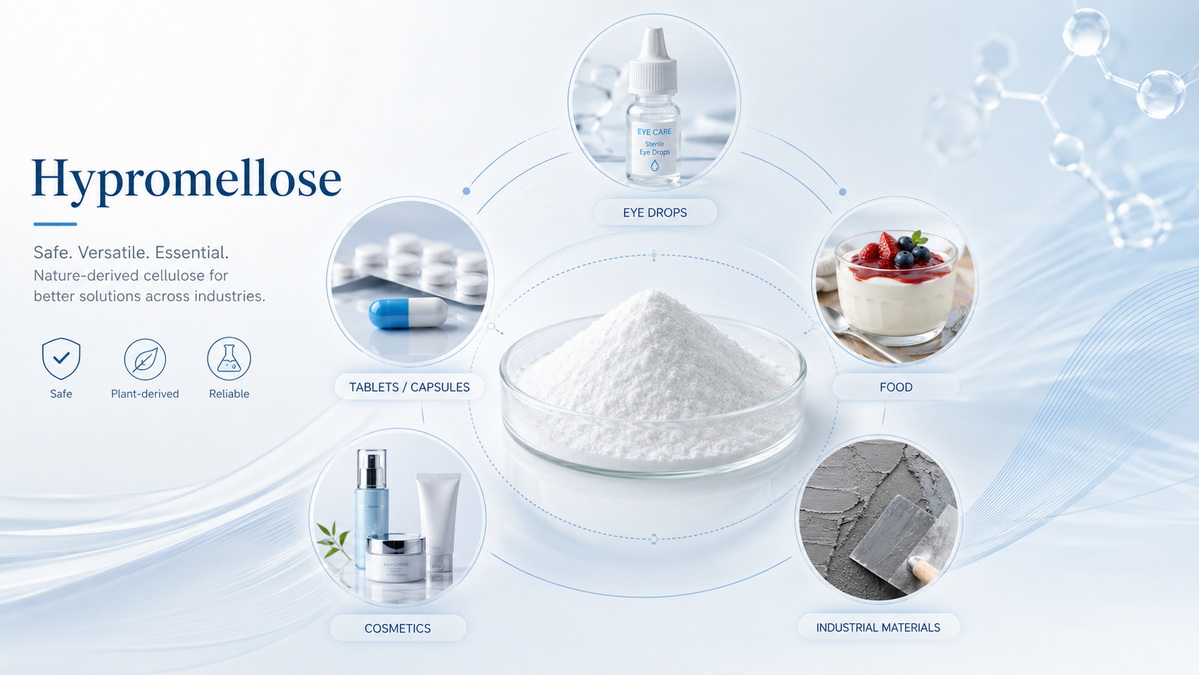
Hypromellose is valued for its versatility and stable performance. In eye products, it is commonly used to help relieve dryness and irritation by improving lubrication on the ocular surface. In foods and supplements, it may serve as a coating agent, thickener, or capsule material. In industrial and construction products, it contributes to water retention, workability, and consistency.
Because it performs so many functions, HPMC is often chosen as a practical ingredient in both consumer and industrial markets. Its broad acceptance comes from its functional reliability, plant-based origin, and generally favorable safety profile. 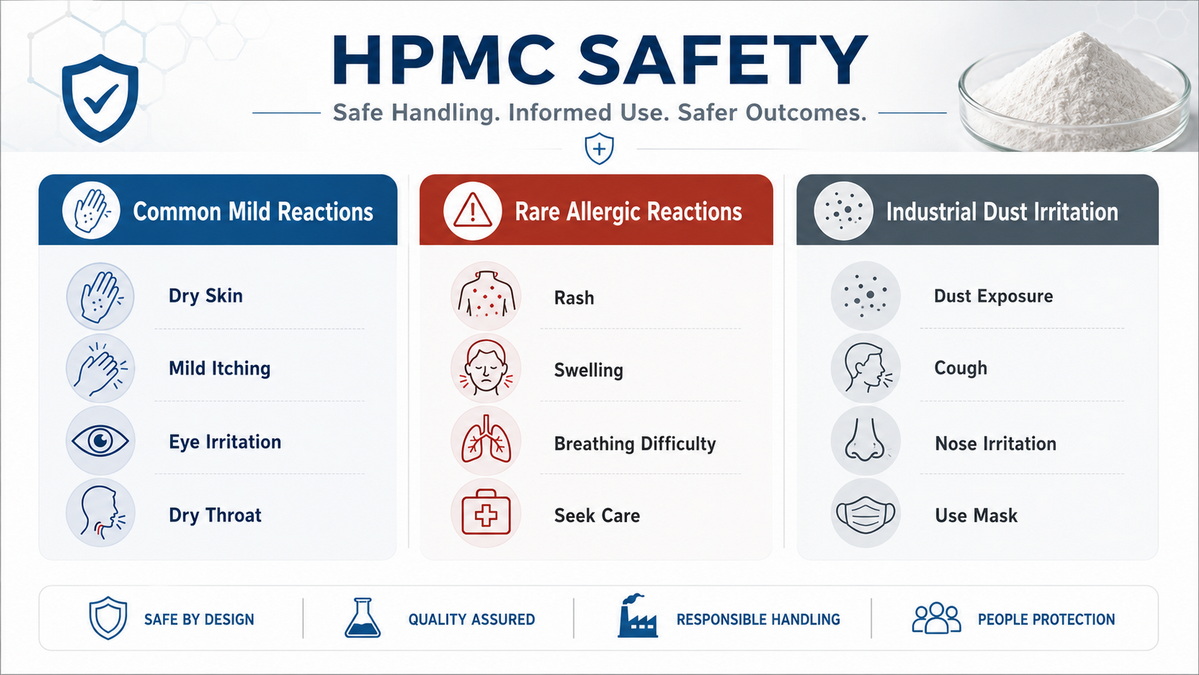
For most users, side effects are uncommon and usually mild. The most frequently described issues are temporary irritation, brief discomfort, or symptoms that may actually be caused by other ingredients in the same product. In ophthalmic use, mild stinging, blurred vision, or a sticky feeling around the eyelashes may appear, but these effects are generally short-lived.
In oral use, some people may report digestive discomfort such as bloating or nausea, though this is not typical for the majority of users. Because HPMC is often one ingredient within a larger formula, it is important not to assume that every reaction is caused by hypromellose alone.
Hypromellose eye drops are widely used to relieve dry eye symptoms and improve comfort. The most common unwanted effects are mild and temporary, such as eye irritation, blurred vision, or a sticky sensation after application. These symptoms usually do not last long and often improve as the eye adjusts to the product.
If irritation becomes persistent, worsens, or is accompanied by eye pain or vision changes, the product should be stopped and the user should seek professional advice.
When HPMC appears in tablets, capsules, or supplements, the most likely issue is not a direct toxic effect but a rare sensitivity reaction or mild digestive discomfort. Recent evidence has shown that HPMC can, in uncommon cases, trigger immediate allergic symptoms after oral exposure.
This matters because excipient sensitivity is easy to overlook. A person may react to multiple products that share the same inactive ingredient, even when the active ingredients are different.
In cosmetics and personal care products, HPMC is typically used to improve texture, suspension, and product feel. Reactions are uncommon, but mild skin irritation can still happen in individuals with sensitive skin or when the full formulation contains preservatives, fragrances, or other reactive ingredients.
In industrial settings, HPMC is usually handled as a powder or added into formulations. The main concern here is not ingestion or allergy from normal product use, but dust exposure during mixing or handling. Without proper protection, fine particles may irritate the eyes, nose, or respiratory tract.
Although uncommon, true allergy to HPMC has now been documented. A 2026 case report described urticaria and angioedema after oral exposure to a product containing hydroxypropyl methylcellulose, showing that immediate hypersensitivity is possible.
This does not mean the ingredient is dangerous for the average user. It does mean that persistent or repeated reactions should be taken seriously, especially when the same symptom appears across more than one product. In practice, this is one reason clinicians consider excipient allergy when a patient reacts in ways that are hard to explain.
Some people may be more likely to notice problems with HPMC-containing products. These groups include individuals with a history of excipient reactions, users with unexplained symptoms after multiple medications or supplements, and people with very sensitive eyes or skin.
Sensitivity can also be influenced by the whole product formula. Preservatives, active ingredients, dyes, and processing residues may contribute to discomfort, even when HPMC itself is not the only cause. For this reason, product-specific evaluation is always more useful than general assumptions. 
HPMC has a strong safety reputation because it is used under established regulatory frameworks in food and pharmaceutical applications. Codex lists hydroxypropyl methylcellulose under food additive INS 464, and the U.S. regulation for food additives allows safe use within the applicable conditions.
For dry eye care, WHO-related expert review materials describe hypromellose as a safe and effective ocular surface lubricant, with only mild and transient stinging or burning reported by some users.
This is one of the reasons HPMC remains a common choice in both medical and consumer products.
If you are using a product containing hypromellose, a few simple steps can reduce the chance of problems:
1. Read the ingredient list carefully, especially if you have a history of allergies.
2. Use the product only as directed.
3. Stop using it if you notice unusual itching, swelling, rash, eye pain, or breathing difficulty.
4. Do not assume one reaction proves HPMC is the cause; review the full formula.
5. Seek medical help quickly if symptoms become severe or spread beyond mild irritation.
If you are a manufacturer or buyer, it is equally important to match the HPMC grade to the application. Eye, food, pharmaceutical, cosmetic, and construction uses each require different technical expectations, so grade selection should be based on the intended end use and compliance needs.
The continued popularity of HPMC is easy to understand. It is stable, adaptable, plant-derived, and effective in a broad range of formulations. These qualities make it useful for both product development and large-scale manufacturing.
In many cases, HPMC offers a good balance between performance and tolerability. That is especially important in products designed for frequent use, such as eye drops, oral dosage forms, and personal care products.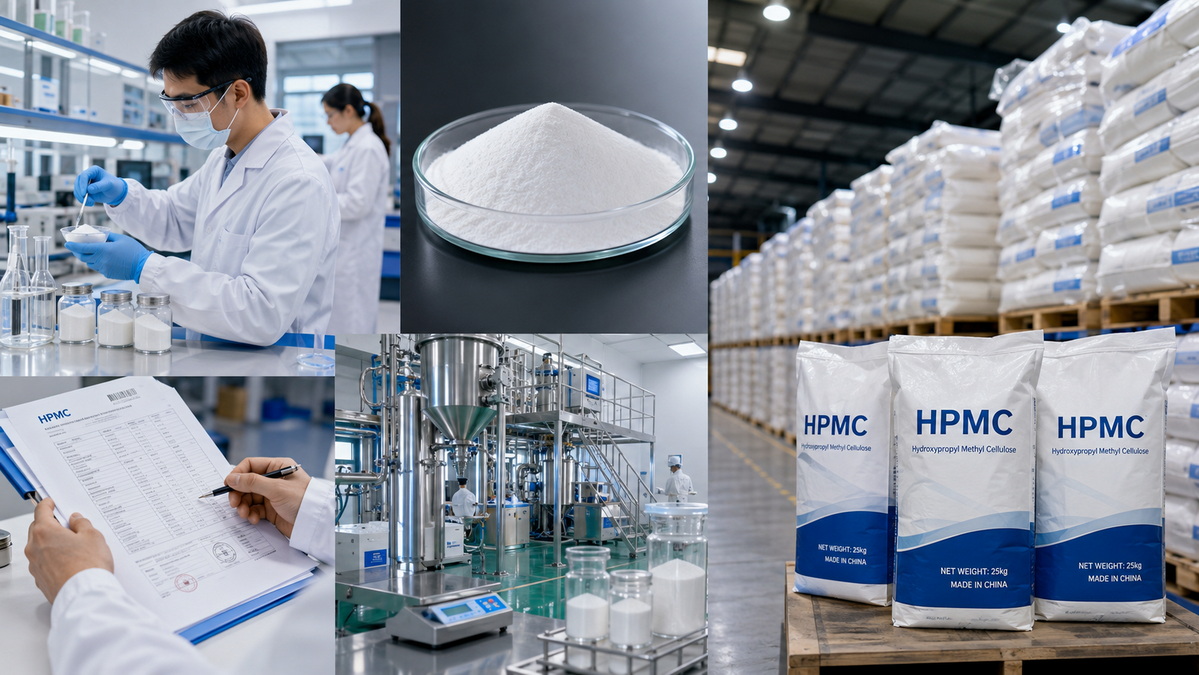
Most people do not experience side effects from hypromellose. When symptoms do occur, they are usually mild and short-lived, such as eye irritation, blurred vision, or minor digestive discomfort.
Yes, but it is rare. A recent case report confirmed that oral exposure to HPMC can trigger urticaria and angioedema in sensitive individuals.
It is generally considered safe when used appropriately in products such as eye drops, foods, and medicines. Long-term tolerance is common, but individual sensitivity should still be considered.
A short period of stinging, burning, or blurred vision can happen after application. If the irritation continues or gets worse, the product should be stopped and checked by a professional.
Stop using the product and review the ingredient list. If symptoms include swelling, hives, or breathing difficulty, seek medical help immediately.
No. HPMC can be used in many different grades and formulations. A grade suitable for construction is not the same as one intended for food or pharmaceutical use.
1. Mayo Clinic. Hypromellose (ophthalmic route) - Side effects & dosage. https://www.mayoclinic.org/drugs-supplements/hypromellose-ophthalmic-route/description/drg-20064245 [mayoclinic]
2. FAO/WHO Codex GSFA Online. Hydroxypropyl methyl cellulose (INS 464). https://www.fao.org/gsfaonline/additives/details.html?id=65 [fao]
3. U.S. eCFR. 21 CFR 172.874 — Hydroxypropyl methylcellulose. https://www.ecfr.gov/current/title-21/chapter-I/subchapter-B/part-172/subpart-I/section-172.874 [ecfr]
4. PubMed. Hydroxypropyl methylcellulose-induced urticaria and angioedema: a case report. https://pubmed.ncbi.nlm.nih.gov/41792785/ [pubmed.ncbi.nlm.nih]
5. PMC. New Challenges in Drug Allergy: the Resurgence of Excipients. https://pmc.ncbi.nlm.nih.gov/articles/PMC9308858/ [pmc.ncbi.nlm.nih]
6. DrugBank. Hypromellose. https://go.drugbank.com/drugs/DB11075 [go.drugbank]
7. WHO Expert Committee review material. Hypromellose safety and effectiveness in dry eye disease. https://cdn.who.int/media/docs/default-source/essential-medicines/2023-eml-expert-committee/expert-reviews/a19_hypromellose_rev2 [cdn.who]
8. Safety Data Sheet example. Hydroxypropyl methyl cellulose (HPMC). https://www.redox.com/wp-content/sds/1677.pdf [redox]
9. Original source article. Does hypromellose have side effects?. https://www.ihpmc.com/news/does-hypromellose-have-side-effects/ [ncbi.nlm.nih]


