


close
Choose Your Site
Global
Social Media
Views: 222 Author: Rebecca Publish Time: 2026-02-01 Origin: Site


Content Menu
● What Is HPMC Powder and Why It Matters
● China HPMC Powder Market and Application Trends
● HPMC vs HEMC vs HEC: How to Choose the Right Cellulose Ether
>> Main Functional Differences
● Construction‑Grade China HPMC Powder: Key Performance Benefits
>> 1. Water Retention and Open Time
>> 2. Workability and Slip Resistance
>> 3. Crack Resistance and Durability
>> 4. Environmental and Safety Profile
● HPMC Grades and Viscosity: Matching Powder to Your Application
>> Common Construction HPMC Viscosity Ranges
● Surface‑Treated vs Non‑Surface‑Treated HPMC
● Why Work with a Professional China HPMC Manufacturer
● Shandong Shengda and WOTAIchem: Cellulose Ether Solutions for Global Buyers
● Importing HPMC from China: Practical Steps for Distributors and OEM Brands
● Dealer and Agency Support from China HPMC Suppliers
● Clear Call to Action: Start Your HPMC Cooperation Project Today
● FAQs about China HPMC Powder
>> 1. What is China HPMC powder mainly used for?
>> 2. How do I choose the right HPMC grade for tile adhesive?
>> 3. What is the difference between HPMC and HEC in construction?
>> 4. Is HPMC considered environmentally friendly?
>> 5. What support can I expect when importing HPMC from China?
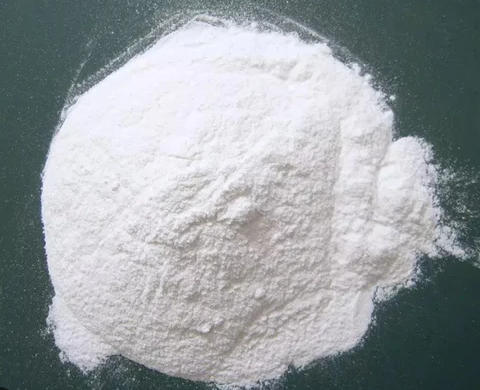
China HPMC powder has become a key cellulose ether for modern construction, coatings, and daily chemical products, and choosing a reliable China HPMC manufacturer directly affects your formulation performance, cost, and long‑term supply security. As a professional cellulose ether producer, Shandong Shengda New Material focuses on HPMC, HEMC, and HEC solutions tailored to tile adhesives, mortar, wall putty, paints, and personal care applications.

Hydroxypropyl methyl cellulose (HPMC) is a non‑ionic cellulose ether derived from refined plant cellulose and chemically modified to provide water retention, thickening, film‑forming, and stabilizing functions. In construction and coatings, HPMC improves workability, open time, sag resistance, and surface finish, which are critical for high‑quality tile adhesives, wall putty, and renders.
In personal care and household products, HPMC functions as a safe rheology modifier and stabilizer, helping shampoos, lotions, detergents, and toothpaste maintain stable viscosity and user‑friendly texture. Because of its plant origin and favorable safety profile, HPMC is widely accepted as an environmentally friendly, low‑toxicity ingredient across industries.
China has become one of the most important HPMC production bases, supplying large volumes of cellulose ethers to global construction, coatings, pharmaceutical, and daily chemical markets. With the rapid development of dry‑mix mortars, energy‑saving building systems, and green construction standards, demand for construction‑grade HPMC continues to grow.
Key application segments for China HPMC powder include:
- Tile adhesives and grouts: Improved water retention, slip resistance, and open time.
- Wall putty and skim coat: Better cohesion, crack resistance, and smoothness.
- Renders and plaster: Enhanced workability and resistance to sagging.
- Self‑leveling compounds: Controlled flow and segregation resistance.
- Paints and coatings: Thickening, leveling, and improved film formation.
For professional formulators, understanding the differences between HPMC, HEMC, and HEC is essential for optimizing performance and cost.
| Cellulose ether | Ionic type | Typical main uses | Key strengths |
|---|---|---|---|
| HPMC | Non‑ionic | Cement‑based mortars, tile adhesive, putty, renders, self‑leveling, tablets, food, personal care | Excellent water retention, thermal gelation, workability, cost‑effective in construction. |
| HEMC | Non‑ionic | ETICS/EIFS, tile adhesive, gypsum‑based systems, high‑temperature or hot‑climate projects | Very strong water retention and open time, particularly in hot or dry environments. |
| HEC | Non‑ionic | Paints, high‑build coatings, detergents, oilfield fluids | Excellent thickening in waterborne systems and high‑salt or surfactant‑rich environments. |
HPMC is generally preferred in cement‑based construction materials, thanks to its combination of workability, water retention, and cost‑effectiveness versus HEC. HEMC is often selected where extremely long open time and improved adhesion are needed, especially in hot climates or large‑area façade projects.
In modern dry‑mix mortars, construction‑grade HPMC is an indispensable additive that directly affects the job‑site experience and finished quality.
HPMC significantly improves water retention in cementitious systems, preventing premature water loss into porous substrates and the environment. This ensures proper cement hydration, better early‑age strength, and allows workers a longer open time for adjustment and reworking of tiles or putty layers.
By modifying the rheology of mortar, HPMC provides a smooth, creamy consistency that is easy to mix, spread, and trowel. In tile adhesives, this translates into improved slip resistance and better initial grab, so tiles stay in place even on vertical surfaces.
HPMC enhances cohesion and flexibility in mortars, contributing to better crack resistance and long‑term durability under thermal and mechanical stresses. This is especially important in thin‑layer applications such as skim coat and decorative putty, where micro‑cracking can quickly affect appearance and performance.
Because HPMC is derived from renewable plant‑based cellulose, it is considered non‑toxic and environmentally friendly when formulated correctly. It does not release harmful volatile substances during or after construction and aligns with green building and low‑VOC system requirements.
Different construction systems require different viscosity ranges and substitution levels to achieve optimal performance. China HPMC manufacturers typically supply low‑, medium‑, and high‑viscosity grades, often between about 300 and 100,000 mPa·s for construction use.
| Viscosity level | Typical range (mPa·s) | Typical uses |
|---|---|---|
| Low | ~300–4,000 | Self‑leveling compounds, spray mortars, areas needing good flow. |
| Medium | ~20,000–60,000 | Tile adhesives, normal wall putty, gypsum plasters, renders. |
| High | ~75,000–100,000+ | High‑thickness mortars, façade putty where high water retention and sag resistance are needed. |
Selecting the right viscosity requires balancing water retention, workability, and pumping or spraying behavior for your specific formulation and application method. Professional manufacturers can help fine‑tune viscosity, substitution type, and particle size distribution to match your regional raw materials and job‑site conditions.
China HPMC powder is typically available as surface‑treated and non‑surface‑treated grades, each designed for different mixing and setting behaviors.
- Surface‑treated HPMC delays initial dissolution in alkaline systems, improving open time and anti‑lumping behavior during dry‑mix and job‑site mixing.
- Non‑surface‑treated HPMC hydrates more quickly, suitable for systems where rapid viscosity build‑up is desired and mixing conditions are well controlled.
Choosing between these types depends on your mixing equipment, binder system, and desired open time. Many tile adhesives and machine‑spray mortars favor surface‑treated grades to improve consistency at scale.
When you import HPMC from China, working with a professional, large‑scale manufacturer directly impacts quality stability, technical support, and regulatory compliance.
A strong HPMC manufacturer should provide:
- Robust production capacity to support long‑term, stable supply.
- Multiple factories and flexible packaging such as 25 kg bags, 500 kg and 1 MT pallets.
- Advanced process control to monitor each batch and ensure consistent viscosity, moisture, and substitution levels.
- International certifications to support your internal audits and customer requirements.
- Application‑driven R&D with in‑house labs and experienced engineers who understand tile adhesives, mortars, coatings, and personal care systems.
As a specialized cellulose ether manufacturer, Shandong Shengda New Material builds on years of production and formulation experience in HPMC, HEMC, and HEC. Through brand platforms such as WOTAIchem, the company provides HPMC powders optimized for tile adhesives, wall putty, gypsum plasters, renders, and powder coatings.
Key strengths you can leverage include:
- Wide grade portfolio covering construction, coating, and other industrial grades with viscosity ranges from a few hundred to about 100,000 mPa·s.
- Customization capability to tailor HPMC formulations to local cement, fillers, and climate conditions in your target market.
- Integrated supply chain with multiple factories, adequate annual capacity of cellulose ethers, and flexible delivery terms such as FOB, CIF, and CFR.
For importers and regional distributors, a structured sourcing and cooperation process minimizes risks and shortens your time‑to‑market.
1. Define application and performance targets
Clarify whether your focus is tile adhesive, putty, self‑leveling, coatings, or personal care, and set clear targets for open time, sag resistance, water retention, and other key indicators.
2. Select preliminary grades and request samples
Work with the manufacturer to choose 2–3 candidate HPMC grades, including viscosity and surface treatment types, and test them against your local binder and aggregates.
3. Run lab and field trials
Evaluate mixing behavior, water demand, pot life, adhesion, crack resistance, and surface finish in both controlled lab tests and real job‑site conditions.
4. Optimize dosage and formulation
Fine‑tune cellulose ether dosage and combine HPMC with HEMC or HEC if necessary to achieve the best balance of performance and cost.
5. Finalize specifications and cooperation model
After successful trials, formalize grade specifications, packaging, and quality protocols, and agree on cooperation terms, pricing bands, and territory arrangements where applicable.
Many leading China HPMC manufacturers provide structured dealer assistance and multiple agency models to support regional growth. These can include exclusive territorial agencies, project‑based cooperation, or OEM and private label solutions with tailored formulas and branding.
Such programs usually offer:
- Preferential pricing and rebate structures.
- Technical training, formulation support, and joint on‑site visits.
- Marketing content, product documentation, and test method development.
For distributors and OEM brands, this reduces technical risk and helps build differentiated, high‑performance product lines quickly in the local market.
If you are looking for stable, high‑performance China HPMC powder for construction, coatings, or daily chemical applications, now is the right time to evaluate a professional manufacturer partnership. By working directly with an experienced cellulose ether producer such as Shandong Shengda New Material and its WOTAIchem brand, you can secure consistent product quality, reliable supply, and dedicated technical support for your regional projects.
Contact our team to share your current formulations, performance targets, and market requirements, and request tailored HPMC, HEMC, and HEC samples for testing. Our engineers can help you select the right grades, optimize dosage, and design a cooperation model that supports your long‑term business growth in tile adhesives, wall putty, gypsum systems, coatings, and related applications.
Contact us to get more information!
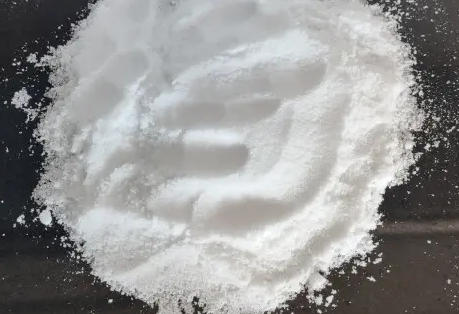
China HPMC powder is mainly used in cement‑based tile adhesives, wall putty, renders, self‑leveling compounds, and waterborne paints, as well as in some pharmaceutical and personal care formulations.
For tile adhesive, you typically need a medium‑ to high‑viscosity construction grade with good water retention and slip resistance. Your supplier can recommend specific viscosity ranges and surface treatment based on your regional cement and climate.
Both are cellulose ethers, but HPMC offers better thermal gelation and is usually more cost‑effective for cement‑based mortars, while HEC is more common in paints and high‑salt or surfactant‑rich systems.
Yes, HPMC is derived from plant‑based cellulose and is regarded as a non‑toxic, environmentally friendly additive that does not release harmful substances during construction when properly formulated.
Professional China HPMC manufacturers typically offer technical formulation support, grade selection guidance, flexible packaging and delivery terms, and dealer or agency programs to help you develop your local market.
1. https://wotaichem.com/china-hpmc-powder/
2. https://wotaichem.com/hpmc/
3. https://wotaichem.com/powder-coating/
4. https://wotaichem.com/hydroxypropyl-methyl-cellulose-supplier/
5. https://www.hpmc.com/company-news/construction-grade-hpmc-hydroxypropyl.html
6. https://www.hpmc.com/company-news/why-is-hpmc-a-more-cost-effective-alternative-to-hec.html
7. https://www.kimacellulose.com/different-grades-of-hpmc.html
8. https://www.yibangchemical.com/news/hec-vs-hpmc-whats-the-difference-and-which-should-you-use/
9. https://www.kdochem.com/news/understanding-the-different-hpmc-grades-and-their-applications.html
10. https://hnxbntech.com/blog-detail/comparing-hemc-with-other-cellulose-ethers-in-industrial-applications
11. https://wotaichem.com/hpmc-grades-breakdown/


