


close
Choose Your Site
Global
Social Media
Views: 222 Author: Rebecca Publish Time: 2026-02-20 Origin: Site


Content Menu
● What Is HPMC and Why It Matters
● Raw Material Source: From Plant Cellulose to Refined Cotton
● Is HPMC Natural or Synthetic?
● How HPMC Is Manufactured: Key Process Stages
>> 1. Cellulose Pretreatment and Alkalization
>> 2. Etherification with Methyl and Hydroxypropyl Groups
>> 3. Neutralization, Washing, and Purification
>> 4. Drying, Milling, and Sieving
● HPMC Structure, Substitution, and Performance
● Major Application Fields of HPMC
>> HPMC in Building and Construction Materials
>> HPMC in Pharmaceuticals and Nutraceuticals
>> HPMC in Food, Personal Care, and Other Industries
● HPMC vs. Other Cellulose Ethers (HPMC, HEMC, HEC)
● Quality and Regulatory Considerations
● Practical Tips for Formulators Using HPMC
● Where HPMC Really Comes From: A Summary View
● Call to Action: Get Tailor‑Made HPMC, HEMC, and HEC Solutions
>> 1. Is HPMC safe for use in pharmaceuticals and food?
>> 2. What is the main difference between HPMC and HEMC in construction mortars?
>> 3. Can HPMC be considered a natural ingredient?
>> 4. Why does viscosity grade matter when choosing HPMC?
>> 5. How should HPMC be added to dry‑mix mortars?
Hydroxypropyl methylcellulose (HPMC) is a synthetic cellulose ether produced from purified plant cellulose through a controlled etherification process, giving it unique thickening, water retention, and film‑forming functions for construction, pharmaceutical, food, and coating applications.
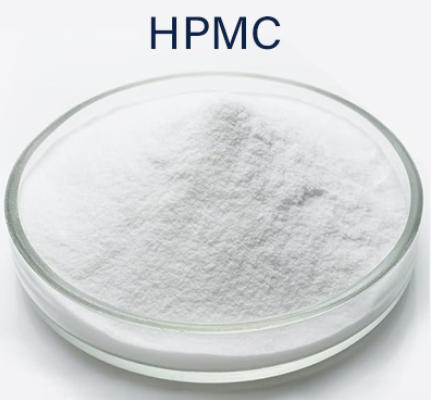
Hydroxypropyl methylcellulose is a non‑ionic, water‑soluble cellulose ether obtained by chemically modifying natural cellulose with methyl and hydroxypropyl groups. This modification greatly improves its solubility, viscosity control, and film‑forming ability compared with native cellulose.
HPMC is widely used as a thickener, binder, water‑retention agent, stabilizer, and film former in construction mortars, pharmaceutical tablets and capsules, food, personal care products, and various industrial formulations.
HPMC ultimately comes from plant‑derived cellulose, typically sourced from wood pulp or cotton fibers. Cellulose is a natural polysaccharide built from glucose units and forms the structural framework of plant cell walls.
To make it suitable for etherification, producers usually:
- Select high‑purity wood pulp or refined cotton with stable cellulose content.
- Mechanically process it (opening, crushing, grinding) to achieve controlled particle size.
- Wash and chemically purify it to remove lignin, hemicellulose, and residual impurities, improving reactivity and product consistency.
This purified cellulose, often called “refined cotton,” is the starting backbone for HPMC production.
HPMC is often described as “plant‑based,” but technically it is a synthetic polymer derived from natural cellulose.
- The carbon skeleton originates from renewable plant cellulose.
- Etherification with propylene oxide and methyl chloride converts it into a chemically modified polymer with new functional groups.
- Because of this controlled chemical modification, regulatory bodies classify HPMC as a synthetic cellulose derivative, even though its base material is natural.
For end users, this means HPMC combines a renewable origin with the reliability and performance of an engineered excipient or additive.
First, purified cellulose is converted into alkali cellulose to make it reactive for etherification.
Typical steps include:
- Size reduction of refined cotton or pulp to a controlled particle size range.
- Impregnation with aqueous sodium hydroxide to form alkali cellulose, swelling the fiber and activating hydroxyl groups.
- Aging under controlled temperature and time to stabilize the reactivity profile.
This stage strongly affects degree of substitution, viscosity, and uniformity in the final product.
The core transformation is an etherification reaction where hydroxyl groups on cellulose are partially substituted by methyl and hydroxypropyl groups.
In common industrial routes:
- Alkali cellulose is reacted with methyl chloride to introduce methoxyl groups (methylation).
- It is also reacted with propylene oxide to introduce hydroxypropyl groups (hydroxypropylation).
- Reaction conditions such as temperature, pressure, time, and reagent ratio are precisely controlled to achieve target substitution levels.
Some processes separate methylation and hydroxypropylation steps, while others use one‑step slurry or similar methods to improve efficiency and homogeneity.
After etherification, the reaction mass contains salts, unreacted reagents, and by‑products.
Producers typically:
- Neutralize residual alkali and remove salts.
- Wash repeatedly with water or suitable solvents to reduce inorganic salts, organics, and residual monomers to within specification.
- Filter and press the product to remove liquid phase and concentrate the polymer.
This stage is critical for meeting food, pharmaceutical, or construction‑grade purity standards.
Purified wet HPMC is converted into a free‑flowing powder suitable for industrial use.
Typical finishing operations include:
- Controlled drying to the specified moisture content to ensure storage stability.
- Milling or grinding to obtain the required particle size distribution for consistent dispersion in end applications.
- Sieving and blending to achieve uniform viscosity and performance between batches.
Quality control tests, including viscosity, substitution levels, moisture, ash, and pH, are performed at multiple checkpoints to ensure batch‑to‑batch consistency.
HPMC is based on the linear cellulose backbone with a fraction of its hydroxyl groups replaced by methoxyl and hydroxypropyl substituents. These substitutions:
- Increase water solubility and allow cold‑water dispersion.
- Provide tunable viscosity grades for different application needs.
- Enhance film‑forming, adhesive, and stabilizing properties.
By adjusting substitution levels, manufacturers can design grades optimized for tile adhesives, self‑leveling compounds, dry‑mix mortars, tablet coatings, or capsule shells.
In dry‑mix mortar and related systems, HPMC plays a key functional role.
Typical uses include:
- Cement‑based plastering mortars: improved workability, sag resistance, and water retention, resulting in higher mechanical strength and better surface finish.
- Tile adhesives: enhanced open time, slip resistance, and adhesion, especially for large‑format tiles and low‑absorption substrates.
- Wall putty and skim coats: better smoothness, crack resistance, and easier application.
- Self‑leveling compounds and external insulation systems: improved flow, leveling, and overall durability.
These effects help contractors achieve consistent quality on site, reduce defects, and extend the service life of building envelopes.
In the pharmaceutical sector, hydroxypropyl methylcellulose, also known as Hypromellose, is a multifunctional excipient approved by major regulatory agencies.
Key roles include:
- Binder and matrix former in controlled‑release tablets, enabling sustained drug release.
- Film‑coating polymer for taste masking, moisture protection, and product identification.
- Capsule shell material, especially in vegan and gelatine‑free formulations.
- Thickener and stabilizer in ophthalmic and oral liquid formulations.
HPMC is valued for its biocompatibility, low toxicity, and wide regulatory acceptance, making it a standard excipient in modern dosage form design.
Beyond construction and pharmaceuticals, HPMC is also used as:
- A thickener and stabilizer in certain food systems and food supplements.
- A film‑forming agent and rheology modifier in cosmetics, shampoos, and personal care products.
- A binder and protective colloid in coatings, inks, and specialty chemicals.
Its versatility and safety profile explain its rapid adoption in many high‑value formulation markets.
For formulators, understanding how HPMC compares with other cellulose ethers such as HEMC and HEC helps in selecting the optimal grade.
| Property / Aspect | HPMC (Hydroxypropyl Methylcellulose) | HEMC (Hydroxyethyl Methylcellulose) | HEC (Hydroxyethyl Cellulose) |
|---|---|---|---|
| Main substituents | Methoxyl + hydroxypropyl groups | Methoxyl + hydroxyethyl groups | Hydroxyethyl groups only |
| Ionic character | Non‑ionic | Non‑ionic | Non‑ionic |
| Typical solubility behavior | Good cold‑water solubility, reversible gelation on heating | Similar to HPMC with slightly different gel temperature range | Excellent water solubility, no thermal gelation |
| Key strengths | Strong film‑forming, high water retention, broad viscosity range for construction and pharmaceuticals | Very good water retention and workability in building materials, good open time | Excellent thickening and clarity in aqueous systems, popular in coatings and personal care |
| Common applications | Dry‑mix mortars, tile adhesives, tablets, coatings, capsules | Dry‑mix mortars, plasters, insulation systems, putties | Paints, personal care, detergents, certain water‑based systems |
Selecting between these ethers depends on the target viscosity, film strength, water retention, gel temperature, and clarity required in the final formulation.
In many markets, HPMC must meet stringent pharmacopoeial or industrial standards, such as USP, EP, JP, or industry‑specific specifications.
Important quality parameters typically include:
- Degree of substitution and molar substitution within defined ranges.
- Viscosity at standard concentrations and temperatures.
- Moisture, ash, pH, and purity limits for salts and organic residues.
- Microbial limits for pharmaceutical or food grades.
Regulators recognize HPMC as a safe excipient or additive when it conforms to these detailed specifications.
Formulators in construction, pharmaceutical, or industrial applications can maximize HPMC performance by focusing on grade selection and handling.
1. Choose the right viscosity grade
- Low viscosity for sprayable or pumpable systems.
- Medium to high viscosity for trowel‑applied mortars or controlled‑release matrices.
2. Consider substitution pattern and gel temperature
- Different substitution levels influence water retention, open time, and heat resistance.
3. Optimize dispersion
- Prefer dry blending HPMC with other powder components before adding water in mortars.
- In liquid systems, disperse under good agitation to avoid lumping and ensure full hydration.
4. Test compatibility
- Evaluate interactions with cement, gypsum, polymers, or active ingredients to avoid unexpected viscosity drift or setting behavior.
By following these principles, users can obtain more stable, efficient, and cost‑effective formulations based on HPMC.
From a value‑chain perspective, HPMC comes from:
- Natural origin: sustainably sourced wood pulp or cotton cellulose.
- Chemical innovation: etherification with methyl chloride and propylene oxide to create a high‑performance cellulose ether.
- Process control: advanced purification, drying, and milling to deliver consistent grades for diverse high‑value applications.
For manufacturers and formulators, HPMC is both a plant‑based and precision‑engineered polymer that can significantly improve product performance and reliability in multiple industries.
If you are developing high‑performance mortars, coatings, tablets, food products, or personal care formulations, choosing a specialized cellulose ether manufacturer is the most effective way to secure stable quality and reliable supply.
Shandong Shengda New Material Co., Ltd. can support you with:
- Customized HPMC grades optimized for water retention, workability, setting behavior, and film‑forming properties in construction and industrial products.
- HEMC and HEC solutions tailored to your viscosity and application requirements in building, coating, and personal care sectors.
- Technical service for formulation adjustment, laboratory evaluation, on‑site trials, and long‑term performance optimization.
Contact our technical team today to discuss your HPMC, HEMC, and HEC requirements, request product samples, and obtain formulation recommendations for your target markets.
Contact us to get more information!
Yes. HPMC is widely accepted as a safe excipient and additive when it complies with the applicable pharmacopoeial or food‑grade standards. It has a long history of use in tablets, capsules, and certain food systems, and is valued for its low toxicity and good tolerance in human applications.
Both HPMC and HEMC are non‑ionic cellulose ethers used to improve water retention and workability in cement‑based or gypsum‑based mortars. HPMC contains hydroxypropyl and methyl groups, while HEMC contains hydroxyethyl and methyl groups, which leads to differences in gel temperature, open time, and application feel on site.
HPMC originates from natural plant cellulose but undergoes chemical modification through etherification with methyl and hydroxypropyl groups. For this reason, it is formally classified as a synthetic cellulose derivative, although its base raw material is renewable and plant‑derived.
Viscosity grade has a direct impact on the flow, workability, and film strength of the final product. Lower viscosity HPMC is suitable for sprayable or pumpable systems, while higher viscosity grades are preferred where sag resistance, build, or controlled release are critical, such as in tile adhesives or matrix tablets.
The best practice is to add HPMC as a dry powder and blend it thoroughly with cement, fillers, and other additives before water is introduced. This ensures uniform dispersion, reduces the risk of lump formation, and allows the polymer to hydrate evenly during mixing, giving more consistent water retention and workability on site.
1. https://www.kimachemical.com/news/where-does-hydroxypropyl-methylcellulose-come-from/
2. https://www.hpmcproducer.com/news/hydroxypropyl-methylcellulose-hpmc-manufacturing-process-overview/
3. https://www.kimachemical.com/news/hpmc-manufacturing-process
4. https://www.kimacellulose.com/hydroxypropyl-methylcellulose-hpmc-manufacturing-process-overview.html
5. https://hpmc.funahai.com/en/photo/Production-process-of-HPMC.html
6. https://www.celotech.com/technology/application-of-hydroxypropyl-methylcellulose-in-building-materials/
7. https://www.hpmc.com/recommend-products/hpmc-uses.html
8. https://www.pharmaexcipients.com/news/hpmc-key-excipient/
9. https://pmc.ncbi.nlm.nih.gov/articles/PMC12196896/
10. https://www.ams.usda.gov/sites/default/files/media/Hydroxpropyl%20Methylcellulose%20TR.pdf
11. https://www.kimachemical.com/news/is-hydroxypropyl-methylcellulose-natural-or-synthetic


