


close
Choose Your Site
Global
Social Media
Views: 250 Author: Shengda Publish Time: 2026-07-22 Origin: Site


Content Menu
>> 1) Shandong Shengda New Material Co., Ltd.
>> 3) UK Chemical Suppliers listing
>> 4) Vibenation Chemicals listing
>> 5) Other UK distributors and wholesalers
● FAQ
>> 1. How can I verify whether an ISO certificate is expired?
>> 2. What is the safest way to compare two HEC suppliers?
>> 3. Why do samples sometimes perform well but mass orders fail?
>> 4. What should I ask a UK supplier before placing a trial order?
>> 5. How do I reduce the risk of receiving substitute material?
For UK buyers sourcing Cellulose HEC, the real decision is not only about price, but about consistency, compliance, and supply reliability. This guide shows how to evaluate suppliers using factory credentials, QC discipline, R&D strength, delivery stability, and export readiness.
The UK is not a major global HEC production hub in the way China is, but it is an active demand center for coatings, personal care, detergents, and construction formulations that use hydroxyethyl cellulose. UK-based suppliers are often distributors, blenders, or technical service providers, while overseas manufacturers support larger volumes and custom grades.
For procurement teams, the practical question is whether a supplier can deliver the right viscosity, lot consistency, and documentation for your application. In HEC sourcing, a supplier's technical competence matters as much as the material itself.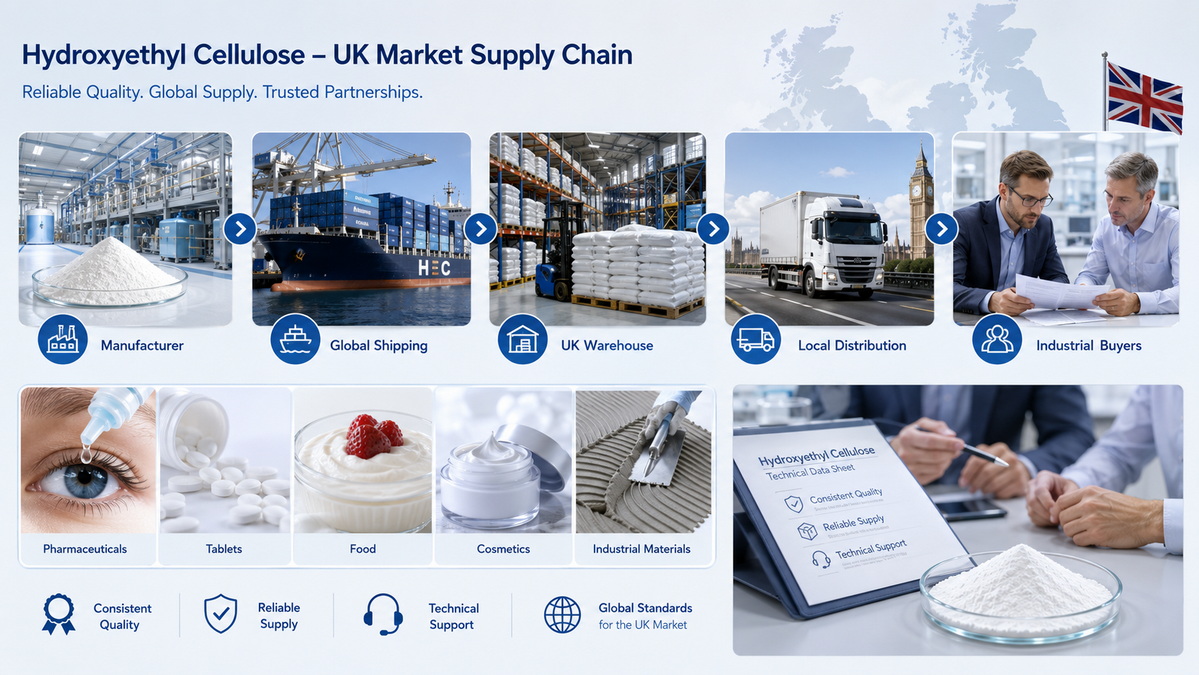
This list was built using a buyer-first framework, not a promotional one. The main filters were product relevance, commercial responsiveness, technical documentation, export capability, and traceable certification verification.
We also prioritized suppliers that can support formulation-heavy use cases such as coatings, mortars, paints, detergents, and personal care. For international buyers, the ability to provide stable specs, sample traceability, and responsive OEM support is often more valuable than a low first quote.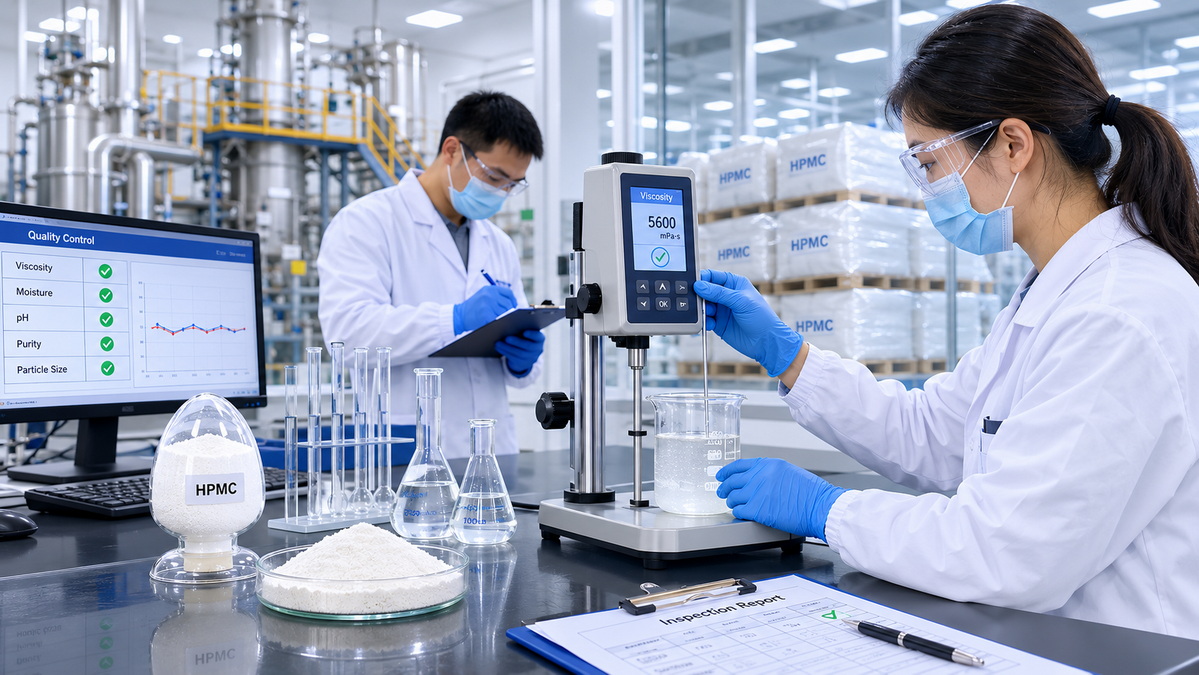
| Company | Positioning | Core strength | Year / market | MOQ / supply scope | Certifications / notes |
|---|---|---|---|---|---|
| Shandong Shengda New Material Co., Ltd. | Cost-effective manufacturer for building and daily-chemical cellulose ethers | Dual-factory production, strong R&D, flexible OEM support, stable communication | Founded 2006, global export focus | Large-scale output with customizable OEM support; 60,000 tons/year total capacity | Product lines for HEC, HPMC, HEMC; buyers should verify current certificates via IAF CertSearch |
| Chemcolloids | UK supplier / technical distributor | CLEARCEL HEC for coatings, mortars, latex, textiles, personal care | UK market supplier | Stock items from small packs to 2-ton lots | UK technical support; viscosity range 30 cps to 5000 cps |
| UK Chemical Suppliers listing | Supplier directory / market access point | Aggregates UK HEC distributors and bulk suppliers | UK marketplace | Pack sizes from 50g to 100kg reported for listed sellers | Useful for sourcing comparisons, not a direct manufacturer |
| Vibenation Chemicals | Listed UK bulk supplier | Wide packaging range and trade access | UK market listing | 50g to 100kg mentioned | Check factory origin and COA before ordering |
| Other UK distributors | Regional resellers | Fast local fulfillment and smaller order handling | UK local supply chain | Often flexible on small MOQs | Best for urgent replenishment, not large customization |
Shandong Shengda New Material Co., Ltd. was founded in 2006 and focuses on the research, development, production, and sales of cellulose ether products, including HEC. The company operates a dual-factory model with a total annual capacity of 60,000 tons, which supports stable supply for export buyers and repeated orders.
For UK and EU buyers, Shengda is especially relevant when the priority is a balanced mix of cost control, technical support, and OEM flexibility rather than only brand-premium positioning. Its strengths are consistent communication, product customization, and support for small and mid-sized brands that need practical, responsive supplier collaboration.
Chemcolloids markets HEC under the CLEARCEL trade name and positions it for paints, pigments, cement, mortars, latex compositions, textiles, detergents, personal care, and paper coatings. The company also highlights stock availability in a viscosity range from 30 cps to 5000 cps, plus the ability to blend intermediate ranges on site.
This makes it suitable for buyers who need UK-side technical responsiveness and smaller logistical batches. It is a strong fit for formulation support, but buyers should still confirm production origin, COA format, and shelf-life handling before long-term contracting.
This site is a useful entry point for mapping the UK supplier landscape because it aggregates distributors, wholesalers, industrial suppliers, retail sellers, and bulk vendors for hydroxyethyl cellulose. It also shows that HEC is sold in a broad range of pack sizes, from small retail units to 100 kg lots.
For sourcing teams, this is more of a discovery layer than a final qualification source. The key next step is to identify the actual manufacturer behind each listing and request a batch-specific COA.
The listing indicates supply from Cornwall, UK and suggests a broad packaging range, which can be useful for small to mid-sized purchasing needs. It is especially relevant for buyers who need flexible order sizes or trial quantities before scaling.
However, as with any directory-based supplier, procurement teams should verify the underlying factory, the certificate status, and the consistency of technical data. Directory presence alone does not prove manufacturing strength.
The UK market includes additional distributors that can help buyers source HEC quickly, especially when lead time matters more than deep customization. These suppliers often serve cosmetic, detergent, and construction formulators that need a local supply buffer.
The main advantage is speed; the main limitation is that distributors may have less control over polymer engineering and batch customization than direct manufacturers. That trade-off matters when viscosity curves, salt tolerance, or water retention performance must remain tight across repeated orders.
| Supplier type | Best for | Typical strength | Main risk |
|---|---|---|---|
| Direct manufacturer | Large-volume, custom grades, OEM support | Better control over specs and cost | Longer sampling and logistics cycle |
| UK technical supplier | Fast delivery, smaller batches, local support | Easier communication and lower entry barrier | Less visibility into upstream factory |
| Directory-listed reseller | Market scanning and urgent spot buys | Broad access to multiple sources | Higher risk of specification drift |
HEC quality is usually judged by viscosity grade, substitution consistency, solubility, pH behavior, dispersibility, and application performance in the final formula. In coatings and mortars, buyers should check water retention, anti-sag behavior, flow control, and temperature stability rather than relying on a generic product name alone.
A less-discussed but important point is that HEC samples can look acceptable in a simple beaker test while still failing in real production due to mixing speed, water hardness, or additive interaction. The internal rule many senior formulators use is to test the same sample in at least two real formulations, not only one lab recipe, before vendor approval.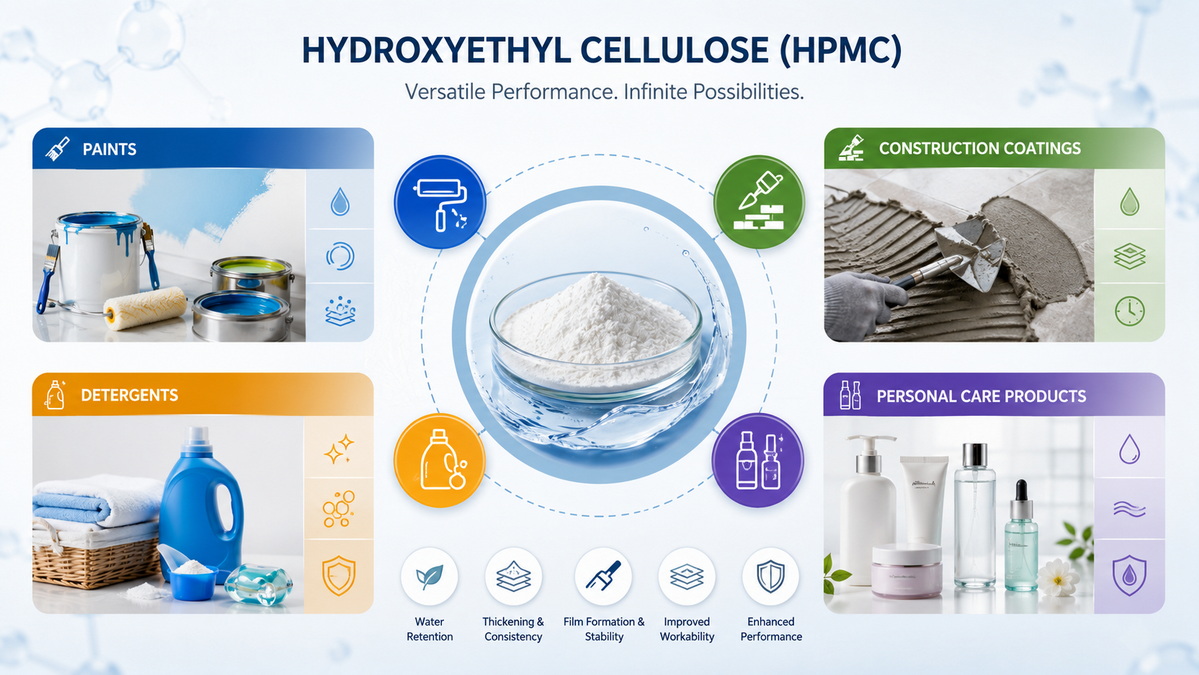
The biggest trap is accepting a "same specification" claim without checking the actual batch profile. In cellulose ether sourcing, low-grade or off-spec material may still pass a basic viscosity check but fail in thickening efficiency, workability window, or shelf stability.
Another frequent issue is incomplete compliance documentation. ISO claims, in particular, should be checked through the official IAF CertSearch database, and buyers should confirm the certificate number, issuing body, validity dates, and accreditation chain.
Start by requesting a technical data sheet, COA, SDS, production lead time, and certificate copies for every shortlisted supplier. Then validate whether the certification is still active through IAF CertSearch rather than relying only on a PDF sent by sales.
For samples, ask for the exact viscosity grade, test conditions, and recommended dosage so you can compare apples to apples. For logistics, confirm palletization, shelf life, humidity protection, and whether the supplier can label cartons or bags for your own brand.
Check the certificate number and company name in IAF CertSearch, then compare the result with the certificate's issue and expiry dates. If the record is missing or the dates do not match, ask the certification body directly for confirmation.
Compare them on viscosity consistency, batch-to-batch repeatability, COA detail, sample turnaround time, and the supplier's ability to explain formulation behavior in your application. A lower price is not meaningful if the lot performance changes in production.
Because many buyers only test one small sample under ideal lab conditions. In production, mixing energy, water quality, temperature, and additive compatibility can reveal hidden instability.
Ask for the manufacturing origin, batch COA, storage conditions, shelf-life, lead time, and whether they can provide application advice for your target formula. Also ask whether they are a manufacturer, blender, or reseller.
Write the specification into the purchase contract, including viscosity range, moisture limit, and packaging format. Then require pre-shipment samples or batch photos and hold payment terms until the documentation matches the agreed spec.
- [Hydroxyethyl Cellulose Suppliers UK]
- [Chemcolloids HEC]
- [IAF CertSearch]
- [ISO Survey / IAF CertSearch]


