


close
Choose Your Site
Global
Social Media
Views: 222 Author: Rebecca Publish Time: 2026-01-31 Origin: Site


Content Menu
● What Is Hydroxypropyl Methylcellulose (HPMC)?
● Key Functional Properties of HPMC
● HPMC In The Construction Industry
>> HPMC In Cement Mortar And Plaster
>> HPMC In Putty Powder And Skim Coats
>> HPMC In Tile Adhesives And Grouts
● HPMC In The Pharmaceutical Industry
>> Tablet Excipients And Binders
>> Film Coating And Taste Masking
>> Plant‑Based Capsules And Sustained‑Release Systems
>> Thickening And Texture Improvement
>> Emulsification And Stability
>> Gluten‑Free And Plant‑Based Bakery Products
● HPMC In Cosmetics And Personal Care
● HPMC In Textile And Papermaking
● HPMC In Daily Chemical Products
>> Detergents And Household Cleaners
>> Pesticide Suspension Concentrates
>> Seed Coating And Fertilizer Binders
● HPMC, HEMC, And HEC: Key Differences
● Practical Tips For Using HPMC
● Real‑World Examples Of HPMC In Daily Life
● Take Action: Work With A Professional Cellulose Ether Manufacturer
● FAQ About Hydroxypropyl Methylcellulose
>> 1. Is hydroxypropyl methylcellulose safe for use in food and medicine?
>> 2. Why is HPMC preferred over some natural gums?
>> 3. Can HPMC be used in both dry‑mix and liquid products?
>> 4. How does HPMC affect the setting time of cement‑based materials?
>> 5. What information is needed to choose the right HPMC grade?
Hydroxypropyl methylcellulose is a semi‑synthetic, non‑ionic cellulose ether produced by modifying natural cellulose. It provides excellent thickening, emulsification, suspension, film‑forming, bonding, and water‑retention performance.
Thanks to these properties, HPMC has become an indispensable functional additive in many industrial and daily‑use products.
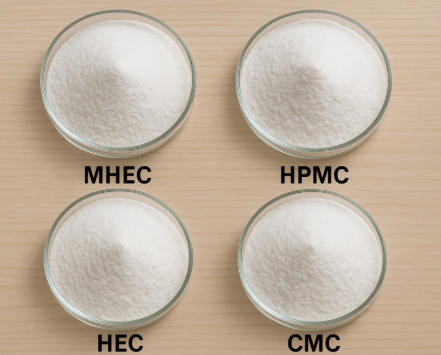
- Thickening and rheology control: HPMC increases viscosity in water‑based systems and improves flow and spreadability.
- Water retention: It slows water evaporation, which is critical in cement‑based materials and putties to ensure proper hydration and strength.
- Film‑forming: HPMC forms transparent, flexible films that provide protection, adhesion, and controlled release in coatings and cosmetic products.
- Emulsification and stabilization: It helps stabilize oil‑in‑water systems such as creams, sauces, and lotions, reducing phase separation.
- Suspension: Solid particles in pesticides, detergents, or toothpaste can be uniformly dispersed and stabilized with HPMC.
- Biocompatibility and safety: As a non‑ionic, plant‑based polymer, HPMC is widely accepted in food, pharmaceutical, and personal care formulations.
HPMC is a core performance additive in dry‑mix mortars, tile adhesives, putty powder, plasters, and waterproof coatings.
- Improved water retention keeps water in the mortar longer, enhancing cement hydration and final strength while reducing early cracking.
- Better workability and open time give applicators more time to adjust and finish surfaces without sagging or tearing.
- Enhanced adhesion to substrates such as brick, concrete, and AAC blocks reduces debonding and hollowing, especially in thin‑layer applications.
- HPMC increases the smoothness and spreadability of wall putty, making application easier and more uniform.
- It helps control shrinkage and reduces micro‑cracks on the finished surface.
- Stable viscosity supports manual and machine spraying applications on large projects.
- As a thickener and water‑retention agent, HPMC improves the sag resistance of tile adhesives and supports heavy tiles on vertical walls.
- It extends open time, giving installers more time to position tiles and ensuring strong bonding after curing.
- In tile grouts, HPMC contributes to smooth filling, reduced pinholes, and better color uniformity.
Pharmaceutical‑grade HPMC is widely used as an excipient in solid and liquid dosage forms.
- HPMC acts as a tablet binder, improving mechanical strength and reducing friability.
- As a hydrophilic polymer, it can support tablet disintegration and drug dissolution, helping improve bioavailability.
- It is compatible with many active pharmaceutical ingredients and other excipients.
- HPMC is a standard polymer for tablet film coatings, providing a smooth, protective shell around the core.
- Coatings based on HPMC can mask unpleasant tastes and odors, improve swallowing, and protect sensitive APIs from moisture or light.
- Its clear, non‑reactive film is suitable for both colored and white coatings.
- HPMC is used to produce plant‑based capsules that serve as an alternative to animal‑derived gelatin, suitable for vegetarians and people with specific dietary or religious needs.
- In sustained‑release tablets, HPMC matrices control drug diffusion and erosion, enabling extended release profiles over several hours.
Food‑grade HPMC functions as a thickener, stabilizer, and texture modifier in many processed foods.
- HPMC increases viscosity and improves mouthfeel in products like ice cream, sauces, and beverages.
- It helps create a smooth, creamy texture and reduces ice crystal formation in frozen desserts.
- In sauces and dressings, it enhances cling and pourability.
- As an emulsifier‑stabilizer, HPMC helps prevent oil‑water separation in creams, toppings, and salad dressings.
- It supports freeze–thaw stability and shelf‑life extension in many processed foods.
- In gluten‑free bread and bakery products, HPMC can partially replace the structure‑building role of gluten, improving dough elasticity and gas retention.
- It contributes to better volume, softer crumb, and slower staling in gluten‑free formulations.
Due to its film‑forming and moisturizing properties, HPMC is widely used in personal care formulations.
- In creams, lotions, and masks, HPMC functions as a thickener and moisturizer, giving products a smoother texture and pleasant skin feel.
- It forms a breathable, moisturizing film on the skin surface, helping reduce water loss and improve hydration.
- In shampoos and shower gels, HPMC plays a thickening role, improving product stability and foam fineness.
- It enhances suspension of conditioning agents and other functional ingredients.
- HPMC has good film‑forming properties and provides long‑lasting, water‑resistant performance in mascara and eyeliner.
- It improves adhesion to eyelashes and skin, making makeup more durable.
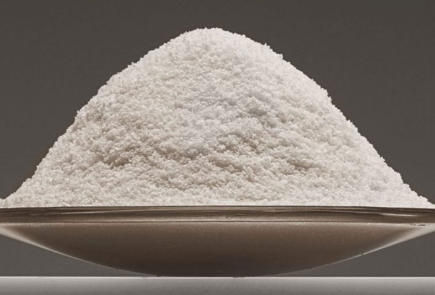
HPMC is also valuable as a sizing agent, thickener, and binder in textile and papermaking applications.
- HPMC can be used as a sizing agent to enhance fiber flexibility and improve fabric tensile strength.
- It reduces fiber breakage during weaving and helps achieve smoother fabrics with fewer defects.
- As a reinforcing agent in papermaking, HPMC improves paper toughness, smoothness, and water resistance.
- Its binding effect contributes to better printing quality and reduced dusting during printing and converting.
In the daily chemical industry, HPMC is widely used in detergents and toothpaste.
- HPMC plays a thickening role in liquid detergents and laundry detergents, improving product appearance and handling.
- It offers good emulsification and suspension properties, making dirt easier to disperse and remove.
- HPMC is used as a thickener and gelling agent in toothpaste, giving it stable paste consistency and preventing stratification.
- It enhances adhesion to the toothbrush and teeth, making brushing smoother.
In agriculture, HPMC is mainly used in pesticides and fertilizers as a thickener, suspending agent, and adhesive.
- As a dispersant and stabilizer in pesticides, HPMC enhances the adhesion of pesticide solutions to plant surfaces.
- It improves efficacy, reduces loss of active ingredients, and increases utilization.
- HPMC can be used for seed coating to improve storage stability and protect the seed surface.
- It supports more uniform germination and can help bind nutrients or protective agents to the seed.
For formulators, understanding how HPMC compares with other cellulose ethers such as HEMC and HEC is very useful.
| Property / Aspect | HPMC (Hydroxypropyl Methylcellulose) | HEMC (Hydroxyethyl Methylcellulose) | HEC (Hydroxyethyl Cellulose) |
|---|---|---|---|
| Ionic character | Non‑ionic, high compatibility | Non‑ionic, similar compatibility | Non‑ionic |
| Main application focus | Construction, pharma, food, cosmetics | Construction, wall putty, tile adhesives | Paints, detergents, personal care |
| Water‑retention and workability | Very strong in cement mortars | Strong, especially in dry‑mix mortars | Good in water‑based systems |
| Film‑forming ability | Excellent films for coatings | Good film‑forming | Good but softer films |
| Typical viscosity range (solution) | Wide range from low to very high | Comparable to HPMC grades | Similar broad range |
- Choose the right viscosity grade according to your application requirements, such as water retention, sag resistance, and pumpability.
- Optimize dosage by starting from typical recommended levels and fine‑tuning according to workability, setting time, and final performance targets.
- Ensure proper dispersion by pre‑mixing HPMC with other dry ingredients or using strong agitation in liquids to avoid lump formation.
- Verify compatibility with cement types, surfactants, salts, or active ingredients before full‑scale application testing.
- When a mason uses tile adhesive that holds heavy tiles firmly on a vertical wall without slipping, HPMC is likely contributing to that performance.
- The smooth, creamy texture of a facial moisturizer that spreads evenly without dripping often relies on HPMC as a thickener and film‑former.
- A vegetarian capsule labeled “gelatin‑free” for dietary supplements is commonly made from HPMC or similar plant‑based polymers.
If you are developing or upgrading products in construction materials, pharmaceuticals, foods, cosmetics, detergents, or agricultural formulations, stable and consistent cellulose ethers are critical to overall performance.
Shandong Shengda New Material Co., Ltd. focuses on the research, development, production, and sales of cellulose ethers, offering HPMC, HEMC, and HEC products tailored to different industrial requirements.
Contact our technical team today to discuss your formulation needs, request application‑specific recommendations, or obtain samples so you can validate performance in your own laboratory and bring higher‑quality products to market faster.
Contact us to get more information!
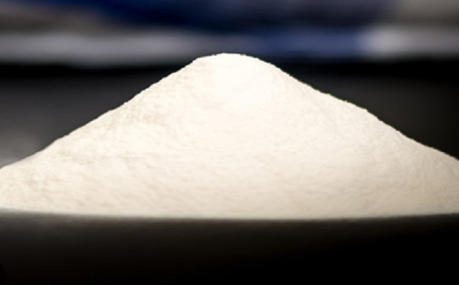
HPMC is widely recognized as safe when used within relevant regulatory limits and is listed in many pharmacopeias and food additive regulations around the world.
Compared with many natural gums, HPMC offers more consistent quality, better temperature stability, and more precise viscosity and water‑retention control, which is very important in construction and industrial systems.
Yes, HPMC is commonly dry‑blended into powders such as mortar, putty, and tile adhesive, and it can also be hydrated in liquid formulations like shampoos, detergents, and sauces with proper dispersion methods.
By retaining water and modifying rheology, HPMC may slightly extend open time and setting time, giving workers more time for application while still supporting full strength development after curing.
To select a suitable HPMC grade, it is helpful to provide your application type, target viscosity, desired open time and workability, and any special requirements such as slip resistance, transparency, or specific regulatory standards.


