


close
Choose Your Site
Global
Social Media
Views: 222 Author: Rebecca Publish Time: 2026-02-01 Origin: Site


Content Menu
● What Is HPMC in Construction?
● Why HPMC Is Essential in Modern Building Materials
>> 1. Superior water retention and extended open time
>> 2. Better workability and smooth application
>> 3. Enhanced adhesion, sag resistance, and durability
● Key Construction Applications of HPMC
>> HPMC in cement-based plastering mortars and renders
>> HPMC in skim coats and wall putty
>> HPMC in self-leveling compounds and grouts
● How HPMC Improves Coatings and Paints
● Typical Performance Benefits of HPMC in Building Materials
● Engineering Example: HPMC in Tile Adhesive for High-Rise Facades
● How to Select the Right HPMC Grade for Your Formulation
● Why Choose Shandong Shengda for HPMC, HEMC, and HEC?
● Practical Tips for Using HPMC in Construction Formulations
● Call to Action: Partner with Shandong Shengda for High-Performance Cellulose Ethers
● FAQs About HPMC in Construction
>> 1. What is the main function of HPMC in tile adhesive?
>> 2. How does HPMC help prevent cracking in mortars and skim coats?
>> 3. Can HPMC be used together with redispersible polymer powder?
>> 4. What is the typical viscosity range of construction-grade HPMC?
>> 5. How do I choose between HPMC, HEMC, and HEC for my product?
Hydroxypropyl methyl cellulose (HPMC) is now a core additive in modern construction mortars, tile adhesives, skim coats, and self-leveling compounds because it improves workability, water retention, adhesion, and durability. As a professional cellulose ether manufacturer, Shandong Shengda New Material Co., Ltd. supplies construction-grade HPMC, HEMC, and HEC tailored to different cement- and gypsum-based formulations.
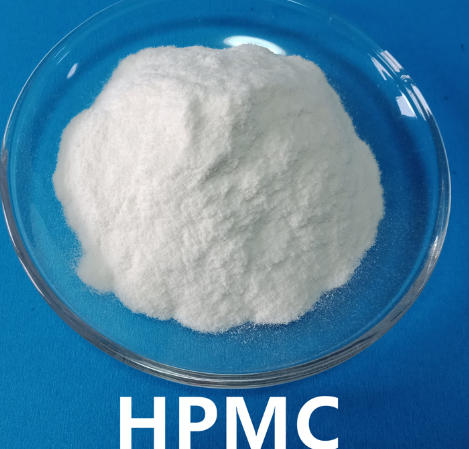
HPMC is a non-ionic cellulose ether derived from natural cellulose and modified to deliver water retention, thickening, and film-forming functions in dry-mix building materials. When mixed with water in cement or gypsum products, it dissolves to form a uniform polymer solution that changes the rheology, or flow behavior, of the fresh mortar.
Key technical roles of HPMC in construction include:
- Controlling water retention and open time in mortars and adhesives.
- Adjusting viscosity and thixotropy for easy application and sag resistance.
- Forming flexible polymer films that improve adhesion and surface quality.
- Enhancing cohesion, crack resistance, and long-term durability of hardened materials.
In cement-based mixes, HPMC significantly increases water retention, allowing more water to remain in the system during hydration. This ensures more complete cement hydration and higher final strength, while also reducing plastic shrinkage and early cracking on site. It provides longer open time, giving installers more time to adjust tiles and finishes before the material sets.
This is particularly critical for tile adhesives, skim coats, and thin-layer renders, which would otherwise dry too fast on porous substrates or under hot, windy conditions.
HPMC acts as a rheology modifier, improving the plasticity, lubricity, and cohesiveness of fresh mortars. With the right viscosity grade and dosage, installers experience easier trowel spreading with less drag and effort. Mortars become more homogeneous with reduced segregation and bleeding, and finished surfaces are smoother and easier to level.
For large-scale wall rendering and plastering, this translates into higher productivity and more consistent surface quality from one batch to the next.
By optimizing viscosity and forming a flexible polymer film, HPMC improves adhesion and sag resistance in tile adhesives, EIFS adhesives, and vertically applied renders. Tiles are less likely to slip on vertical walls, even when large formats are used. Coatings and mortars maintain a uniform thickness without sliding, and the film-forming effect contributes to stronger, more resilient interfaces between mortar and substrate.
In freeze-thaw and wet-dry cycles, improved microstructure and reduced micro-cracking help extend the service life of facades and tiling systems.
In plastering mortars and exterior or interior renders, HPMC provides improved homogeneity and easier trowelability. Its water retention supports stronger, crack-resistant layers with better adhesion to the substrate. HPMC also improves sag resistance on vertical surfaces, helping to maintain the designed thickness.
This is especially valuable for thin-layer decorative plasters, where uniform texture and resistance to hairline cracking are critical for long-term aesthetics.
Tile adhesives are one of the most important application fields for construction-grade HPMC. In these systems, HPMC helps maintain moisture for strong cement hydration and bond strength. It improves adhesion and shear strength between tile and substrate, and it provides anti-slip and anti-sag performance on vertical walls.
HPMC also extends open time and adjustability time, reducing installation defects and allowing installers to reposition tiles as needed. In modern large-format and low-absorption tiles, HPMC helps avoid rapid water loss at the interface, reducing the risk of weak bonding and detachment.
In skim coats and wall putty powders, HPMC improves smoothness, crack resistance, and sanding performance. Water retention ensures slow, uniform drying, which lowers shrinkage cracks and surface defects. With a carefully selected viscosity, HPMC provides good knife feel and spreading.
The resulting surface is fine and dense, creating an ideal base for painting or wallpaper.
For self-leveling underlayments and grouts, HPMC is used in low- to medium-viscosity grades to fine-tune flow and anti-segregation. It helps maintain a smooth, level surface without bleeding or settlement. At the same time, it controls water retention so that self-leveling layers gain adequate strength and are less prone to dusting or surface defects.
Beyond mortars, HPMC plays a major role in architectural coatings and water-based paints as a thickener and film-former. It stabilizes pigment particles, helps prevent sedimentation, and reduces phase separation during storage. HPMC also controls viscosity and flow, supporting good leveling, brushability, and roller spatter resistance.
When combined with suitable binders and formulation design, the film-forming effect of HPMC contributes to better surface durability and scrub resistance. This enables paint manufacturers to design low-VOC, water-based systems with performance comparable to many traditional solvent-based products.
| Performance index | Effect of construction-grade HPMC |
|---|---|
| Water retention | Increases internal moisture and reduces rapid water loss. |
| Open time | Extends workable time for mortars and adhesives. |
| Workability and lubricity | Improves plasticity and trowel glide. |
| Sag and slip resistance | Helps prevent tile slip and render sagging on vertical surfaces. |
| Adhesion and bond strength | Enhances bonding to concrete, masonry, and tiles. |
| Crack resistance and durability | Reduces shrinkage cracking and improves long-term performance. |
| Surface appearance | Promotes smooth, dense, and defect-free surfaces. |
In high-rise facade tiling, contractors increasingly choose polymer-modified tile adhesives with HPMC because the system must withstand wind loads, thermal movement, and long-term moisture exposure. A typical application scenario follows several practical steps from substrate preparation to final curing.
First, the exterior wall is prepared with a cement render and primed. A dry-mix tile adhesive containing HPMC and redispersible polymer powder is then mixed with water on site to form a workable paste. The adhesive offers long open time and excellent anti-slip, allowing installers to place large porcelain tiles safely at height.
After curing, the combination of controlled water retention, cohesive mortar structure, and polymer film formation yields a strong, durable bond between tile and substrate. This type of system helps reduce delamination risk and supports long-lasting exterior tile installations.
To achieve optimal performance and cost-effectiveness, formulators must choose the correct HPMC type, viscosity, and substitution level for each application. Several criteria should be evaluated in combination.
- Viscosity level:
Higher viscosity usually provides better water retention and sag resistance, but overdosing may reduce workability and increase air entrainment.
- Setting system, cement or gypsum:
Different systems require specific gel temperatures and substitution patterns to balance open time, early strength, and surface properties.
- Target performance priority:
Tile adhesives emphasize adhesion and anti-slip. Skim coats prioritize smoothness, crack resistance, and ease of sanding. Self-leveling compounds focus on flow, leveling behavior, and early strength development.
Working closely with an experienced cellulose ether supplier helps reduce trial-and-error during development and shortens the time needed to reach a stable, market-ready formulation.
Shandong Shengda New Material Co., Ltd. is a specialized manufacturer focusing on the research, development, production, and sales of non-ionic cellulose ethers for the construction industry. With years of technical accumulation, the company is able to support diverse customer needs from basic products to customized performance solutions.
Key strengths that benefit construction material producers include:
- Long-term experience in cellulose ether production and application.
- Advanced automated production lines and strict in-house testing for stable quality.
- A complete product portfolio covering HPMC, HEMC, HEC, and related additives for construction mortars.
- Technical service capabilities to support formula design, trial adjustments, and performance optimization.
By partnering with Shandong Shengda, mortar and adhesive manufacturers can obtain consistent, application-oriented cellulose ether grades that support product upgrades and compliance with different regional standards.
To maximize the benefits of HPMC in building materials, the following practical guidelines are recommended:
1. Dry blending first
Always premix HPMC uniformly with other dry ingredients, such as cement, sand, fillers, and polymers, before adding water. This helps avoid clumping and ensures a homogeneous mix.
2. Control dosage carefully
Typical addition levels in cement-based mortars are relatively low but have a significant impact. Overdosing can lead to excessive air entrainment, slower strength gain, and overly sticky mortars.
3. Test under realistic conditions
Evaluate open time, slip, and workability under the temperature and humidity conditions that will be encountered on job sites. This ensures that laboratory results translate into reliable field performance.
4. Coordinate with other additives
HPMC interacts with polymers, air-entraining agents, retarders, and other admixtures. Any change in formulation should therefore be followed by complete performance testing.
5. Document performance with laboratory data
Recording data such as water retention rate, sag value, tensile adhesion strength, compressive strength, and surface appearance helps maintain consistent quality from batch to batch.
If you are developing or upgrading tile adhesives, skim coats, self-leveling compounds, plastering mortars, or coatings, choosing a reliable cellulose ether partner is essential. Shandong Shengda New Material Co., Ltd. can provide construction-grade HPMC, HEMC, and HEC that are matched to your specific formulation and market requirements.
Contact our technical and sales team to request product samples, discuss your target performance profile, or schedule one-on-one formulation support. By working with Shandong Shengda, you can enhance water retention, workability, adhesion, and durability in your building materials and deliver safer, longer-lasting solutions to your customers.
Contact us to get more information!
The main functions of HPMC in tile adhesive are water retention, improved adhesion, increased open time, and anti-slip performance. Together, these functions help ensure strong and durable tile bonds and allow installers enough time for positioning and adjustment.
HPMC retains water in fresh mortars and improves their flexibility during drying and curing. This reduces shrinkage stress and helps minimize surface and hairline cracks, leading to more stable and durable finishes.
Yes. HPMC is often combined with redispersible polymer powder in modified mortars and adhesives. In such systems, HPMC improves water retention and workability, while the polymer powder enhances adhesion, flexibility, and impact resistance.
Construction-grade HPMC is commonly available across a wide viscosity range, for example from several hundred to around two hundred thousand millipascal seconds. The preferred range depends on the specific application, product design, and application method.
The selection depends on the binder system, desired open time, workability, water retention, and cost. HPMC and HEMC are widely used in cement- and gypsum-based mortars, while HEC is often used as a primary thickener in water-based paints and certain specialty systems.


