


close
Choose Your Site
Global
Social Media
Views: 222 Author: Rebecca Publish Time: 2026-01-31 Origin: Site


Content Menu
● What Is HPMC and Why Solubility Matters
● Core Solubility Behavior of HPMC
>> General Behavior in Organic Solvents
● HPMC Solubility in Common Organic Solvents
>> Alcohols: Methanol, Ethanol, Isopropanol
● Key Factors Affecting HPMC Solubility in Organic Systems
● Practical Solvent Selection for HPMC (Formulator Checklist)
● Step‑by‑Step: How to Dissolve HPMC in Organic Solvent Systems
● Application Examples: Using HPMC in Solvent‑Containing Systems
>> 1. Pharmaceutical Film Coatings
>> 2. Construction and Industrial Coatings
● Common Problems with HPMC in Organic Solvents (and How to Avoid Them)
● How a Professional Cellulose Ether Manufacturer Can Help
● FAQs About HPMC Solubility in Organic Solvents
>> 1. Is HPMC soluble in pure ethanol or acetone?
>> 2. Why does HPMC dissolve better in cold water than in hot water?
>> 3. How can I prevent lumps when dissolving HPMC in mixed solvents?
>> 4. Can I use HPMC in solvent‑based coatings?
>> 5. Which parameters should I share with my HPMC supplier when I use organic solvents?
Hydroxypropyl methylcellulose (HPMC) is known as a water‑soluble polymer, but its solubility in organic solvents and mixed solvent systems is equally important for coatings, pharmaceutical, construction, and specialty formulations. Understanding how HPMC behaves in alcohols, ketones, and water–organic mixtures helps formulators select the right grade, design stable systems, and avoid gelation or precipitation problems.
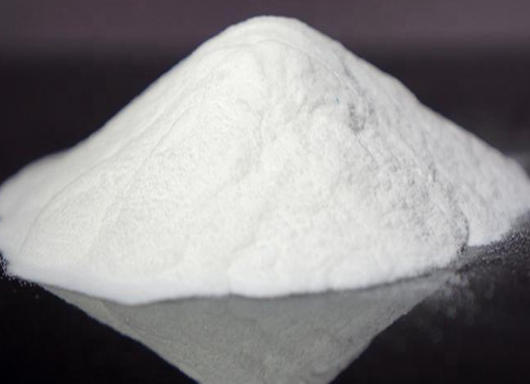
HPMC is a non‑ionic cellulose ether obtained by chemically modifying natural cellulose with methoxy and hydroxypropyl groups, giving it controlled solubility and film‑forming properties. The degree of substitution (DS) and molecular weight strongly influence its viscosity, solubility in organic solvents, and performance in end‑use applications.
Because HPMC is widely used in construction mortars, pharmaceuticals, food, personal care and coatings, solvent selection directly impacts dissolution time, solution clarity, and processing efficiency. For OEM buyers and formulators, choosing suitable solvent systems for HPMC is critical to achieve consistent quality and predictable rheology in production.
HPMC is highly soluble in cold water, where it disperses, swells, and dissolves to form clear or slightly turbid viscous solutions. These aqueous solutions show thermal gelation: HPMC gels or becomes insoluble at higher temperatures and returns to solution once cooled.
HPMC remains soluble across a wide pH range of roughly 3–11, which supports its use in diverse formulations without drastic solubility loss. Fine particle size grades hydrate and dissolve faster, so they are preferred when quick solution preparation is required.
In pure organic solvents, HPMC is usually insoluble or only slightly soluble, especially in non‑polar media such as hydrocarbons or chlorinated solvents. It shows better compatibility with polar organic solvents and, most importantly, with water–organic solvent mixtures like ethanol–water or propanol–water.
The polymer's hydrophilic–hydrophobic balance, solvent polarity, hydrogen‑bonding capacity, and temperature together determine whether HPMC dissolves, swells, or merely forms a suspension. In many industrial systems, HPMC does not fully dissolve in pure organic solvents but can still be used in compounded solvent blends to enable film formation or viscosity control.
Polar alcohols are the most commonly discussed organic solvents for HPMC, often used alone at low concentrations or combined with water.
- Methanol
- Low to moderate solubility in pure methanol, depending on the grade; solubility improves in methanol–water mixtures.
- Toxicity and flammability limit its use in pharmaceuticals and food, so it is mostly seen in industrial or lab contexts.
- Ethanol
- HPMC generally shows low solubility in absolute ethanol but improved dissolution in ethanol–water systems.
- Ethanol–water blends are widely used in coatings and film‑coating systems, balancing volatility, safety, and HPMC solubility.
- Isopropanol (IPA)
- HPMC can be dissolved or well dispersed in IPA and IPA–water mixtures; certain grades allow relatively higher HPMC concentrations.
- IPA systems are common in pharmaceutical and personal care coatings where quick drying and controlled viscosity are required.
Ketones show more complex behavior, often requiring co‑solvents or some water content.
- Acetone
- Many grades of HPMC are insoluble or only slightly soluble in pure acetone, though they may swell or disperse.
- In water–acetone mixtures, HPMC can dissolve or form clear films, making these blends important for coatings and controlled‑release systems.
- Methyl ethyl ketone (MEK)
- MEK can be part of solvent blends where HPMC is dissolved or well dispersed via co‑solvents and water.
- Its strong solvency and fast evaporation support quick‑drying systems, but safety and regulatory aspects must be considered.
- Chloroform, dichloromethane (DCM), hydrocarbons
- HPMC is generally insoluble in these non‑polar or weakly polar solvents, though it may be used in multi‑component systems with suitable co‑solvents.
- In some film‑coating processes, DCM or similar solvents are combined with polar co‑solvents and plasticizers while HPMC acts as a film former in the mixed system.
- Glycols and glycol ethers
- Glycols and glycol ethers are useful as co‑solvents, enhancing HPMC dispersion and solubility in water‑rich systems.
- They also act as plasticizers, improving flexibility of HPMC films and reducing cracking in coatings.
Several formulation parameters control whether HPMC will dissolve properly or cause issues like clumping, incomplete dissolution or precipitation.
1. Molecular weight and viscosity grade
- Higher molecular weight (higher viscosity) HPMC generally shows lower solubility and slower dissolution in organic solvent systems.
- Lower viscosity grades dissolve faster and are preferred for high‑solid or fast‑dissolving formulations.
2. Degree of substitution (DS)
- Higher methoxy and hydroxypropyl substitution can improve compatibility with certain polar organic solvents.
- Carefully selected DS enables a balance between water solubility, organic compatibility, and thermal gelation behavior.
3. Solvent polarity and hydrogen bonding
- HPMC solubility tends to increase with solvent polarity and hydrogen‑bonding ability, typically following water > methanol > ethanol > acetone > non‑polar solvents.
- Designing mixed solvent systems makes it possible to tune evaporation rate, solubility, and film properties simultaneously.
4. Temperature and dissolution method
- Raising temperature often improves dispersion and swelling in organic mixtures, but very high temperatures can promote gelation or polymer degradation.
- Techniques such as high‑shear mixing, magnetic or ultrasonic stirring accelerate dissolution and help avoid agglomeration.
5. Presence of additives
- Surfactants, plasticizers, and co‑solvents can improve wetting and solubility but may also change viscosity, pH, or phase behavior.
- It is essential to run compatibility and stability tests to avoid unintended precipitation or phase separation over time.
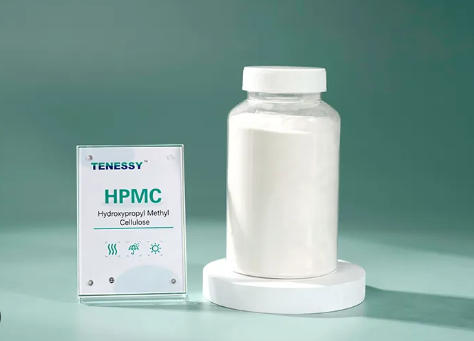
To support formulators, the table below summarizes typical HPMC behavior in major solvent types. Values are qualitative and depend on grade and formulation design.
| Solvent / System | Typical HPMC Behavior | Typical Use Case Example |
|---|---|---|
| Cold water | High solubility, clear viscous solution | Construction admixtures, pharma solutions |
| Hot water | Gelation / reduced solubility | Thermal gel systems, controlled viscosity |
| Ethanol (absolute) | Low solubility or swelling only | Coating blends with added water or glycols |
| Ethanol–water mixtures | Moderate to good solubility | Film coating, sprays, inks |
| Methanol (absolute) | Low to moderate solubility | Lab or industrial systems (non‑food) |
| IPA and IPA–water | Dissolution or good dispersion | Pharma coatings, personal care sprays |
| Acetone (absolute) | Insoluble or very low solubility | Solvent blends, swelling medium |
| Acetone–water mixtures | Improved dissolution / film formation | Controlled‑release coatings |
| DCM / chloroform | Generally insoluble | Used only in complex blends with co‑solvents |
For consistent results, formulators should follow structured dissolution steps rather than simply dumping powder into a solvent. Below is a general procedure for water–alcohol systems.
1. Pre‑disperse HPMC in a non‑solvent or poor solvent
- Slowly add HPMC to an alcohol (e.g., ethanol or IPA) where it has limited solubility, under stirring, to prevent lump formation.
- This pre‑dispersion ensures particles are fully wetted before hydration.
2. Add water gradually under stirring
- Introduce cold water slowly into the pre‑dispersed slurry; as water content increases, HPMC hydrates and dissolves.
- Maintain vigorous mixing to avoid local over‑concentration and gel clumps.
3. Control temperature
- Keep the mixture below the thermal gelation temperature during dissolution to avoid premature gel formation.
- After full dissolution, you may adjust temperature for process needs, provided the system remains stable.
4. Adjust pH and additives
- Ensure pH stays within the stable range (approximately 3–11) to maintain solubility.
- Add plasticizers, surfactants or active ingredients gradually, monitoring viscosity and appearance to detect compatibility issues early.
5. Filtration and deaeration
- Pass the solution through appropriate filters to remove undissolved particles or gels when necessary.
- Deaerate by standing or mild vacuum to reduce bubbles, especially for coatings and films.
In tablets and capsules, HPMC is a key film‑forming polymer used with water–ethanol or water–acetone blends to achieve fast drying and controlled viscosity. Plasticizers and pigments are added to the HPMC solution to adjust flexibility, adhesion and appearance of the coating.
Because residual solvents are strictly regulated in pharmaceuticals, formulators must balance HPMC solubility, drying speed, and regulatory limits when choosing solvent mixtures. Proper solvent selection and process control help avoid defects like orange‑peel texture, peeling, or incomplete coverage.
In construction and industrial coatings, HPMC acts as a thickener, water retention agent, and rheology modifier, often in systems that combine water with alcohols or glycols. These mixed solvents improve film formation, open time, and workability while keeping VOC levels under control.
When HPMC is used with other binders or resins, formulators must ensure that the solvent blend keeps all components compatible and prevents phase separation over time. Pilot‑scale testing is essential to validate application properties such as leveling, sag resistance, and sprayability.
1. Lumping and incomplete dissolution
- Cause: Adding HPMC too quickly into a highly hydrating solvent or not providing enough agitation.
- Solution: Pre‑disperse in a poor solvent (e.g., alcohol), add water slowly, and use adequate stirring or high‑shear equipment.
2. Phase separation or precipitation
- Cause: Excessively high HPMC concentration, incompatible solvent blend, or unfavorable pH/temperature shifts.
- Solution: Lower the polymer concentration, optimize solvent ratios, and verify stability under storage conditions.
3. Unwanted gel formation
- Cause: Crossing the thermal gelation temperature or using a grade with unsuitable substitution pattern for the chosen solvent system.
- Solution: Control processing temperature and select a grade whose DS and viscosity match the formulation's thermal profile.
4. Viscosity drift over shelf life
- Cause: Slow continued hydration, pH changes or interactions with additives during storage.
- Solution: Conduct long‑term stability tests, control pH, and optimize additive sequence and concentrations.
A specialized cellulose ether producer can offer much more than standard product data sheets by providing grade selection, lab testing, and formulation support tailored to solvent‑containing systems. By adjusting substitution level, particle size and viscosity, manufacturers can design HPMC grades optimized for ethanol–water coatings, IPA‑containing sprays, or acetone‑blend pharmaceutical coatings.
Working with a professional supplier also gives access to consistent quality, application testing, and technical troubleshooting, reducing the risk of production failures when scaling up from lab to plant. This is especially important for high‑value applications in pharmaceuticals, food, and specialty construction products where reproducibility and regulatory compliance are critical.
If you are developing formulations that rely on HPMC solubility in organic solvents or mixed water–organic systems, our technical team can help you shorten development time and improve process stability. Share your target solvent system, required viscosity, processing temperature and end‑use application with us, and we will recommend suitable HPMC, HEMC and HEC grades, provide laboratory dissolution guidance, and support pilot trials so you can move quickly from lab concept to stable industrial production.
Contact us to get more information!
HPMC typically shows low solubility or only swelling in pure ethanol or acetone and may not form a clear solution at practical concentrations. For most applications, formulators use ethanol–water or acetone–water mixtures where HPMC can dissolve more completely.
HPMC exhibits thermal gelation, meaning it dissolves well in cold water but tends to form gels or become less soluble as temperature rises above a certain threshold. When the system cools down again, the gel can revert to a solution, which is why dissolution protocols emphasize cold‑water addition and temperature control.
Lumps occur when HPMC particles hydrate too quickly at the surface, trapping dry cores inside. Pre‑dispersing HPMC in an alcohol phase, slowly adding cold water under strong agitation, and using fine particle size grades are effective ways to avoid lumping.
Yes, HPMC is widely used in coatings that contain water–organic solvent blends, acting as a thickener, stabilizer and film former. Pure non‑aqueous systems are more challenging, so coatings typically rely on water, alcohols and glycols to provide adequate HPMC solubility and film formation.
You should communicate solvent composition, target viscosity, processing temperature range, pH, and desired application such as tablet coating, spray, mortar, or paint. This information allows the supplier to recommend suitable HPMC grades and provide dissolution guidelines that match your specific formulation and production process.
1. https://www.kimachemical.com/news/hpmc-solubility-in-organic-solvents/
2. https://www.hpmc.com/recommend-products/hpmc-solubility-chart.html
3. https://tenessy.com/comparison-of-hpmc-solubility-in-organic-solvents/
4. https://www.hpmcfactory.com/news-top-4-tips-about-hpmc-solubility.html
5. https://www.kimacellulose.com/what-is-the-solvent-of-hydroxypropyl-methylcellulose.html
6. https://www.ihpmc.com/news/solvents-and-dissolution-of-hydroxypropyl-methylcellulose-hpmc/
7. https://www.ihpmc.com/news/dissolution-method-of-hydroxypropyl-methylcellulose-hpmc/
8. https://www.sciencedirect.com/topics/chemistry/hydroxypropyl-methylcellulose
9. https://pmc.ncbi.nlm.nih.gov/articles/PMC12196896/
10. https://www.celotech.com/technology/hydroxypropyl-methyl-cellulosehpmc-properties-that-enables-its-wide-applications/
11. https://tenessy.com/how-to-dissolve-hpmc-in-water-understanding-its-solubility-and-best-practices/
12. https://www.kdochem.com/news/dissolve-hpmc-properly.html


