

close
Choose Your Site
Global
Social Media
Views: 222 Author: Rebecca Publish Time: 2026-02-01 Origin: Site


Content Menu
● HPMC Overview: Properties, Grades, And Working Mechanism
● HPMC In Construction: Mortars, Tile Adhesives, And Gypsum Systems
>> Cement-Based Mortars And Plasters
>> Gypsum-Based Products And Self-Leveling
● HPMC In Pharmaceuticals: Tablets, Capsules, And Controlled Release
>> Tablet Binder, Film Coating, And Matrix Former
>> Capsule Shells And Topical Systems
● HPMC In Food: Texture, Stability, And Gluten Replacement
>> Thickener, Stabilizer, And Emulsifier
>> Gluten-Free And Plant-Based Formulations
● HPMC In Personal Care And Cosmetics
>> Shampoos, Conditioners, And Shower Gels
>> Skin Care, Lotions, Creams, And Toothpaste
● Safety, Regulatory Status, And Environmental Profile
>> Global Regulatory Approvals
>> Biocompatibility And Sustainability
● Practical Selection Guide: Choosing The Right HPMC Grade
>> Typical Grade–Application Mapping
● Example Application Scenario: Optimizing Tile Adhesive With HPMC
● Why Partner With A Professional HPMC Manufacturer
● Frequently Asked Questions About HPMC
>> Q1: Is HPMC safe for human consumption?
>> Q2: What is the difference between HPMC and HEC or HEMC?
>> Q3: How do I dissolve HPMC without forming lumps?
>> Q4: Can HPMC improve the shelf life of my product?
>> Q5: Is HPMC suitable for vegetarian or plant-based products?
Hydroxypropyl methylcellulose (HPMC) is a multifunctional cellulose ether widely used as a thickener, water-retention agent, film-former, and stabilizer in construction, pharmaceuticals, food, and personal care products. Its balanced performance, safety profile, and regulatory approvals make it an essential ingredient for manufacturers who need reliable rheology and stability control.
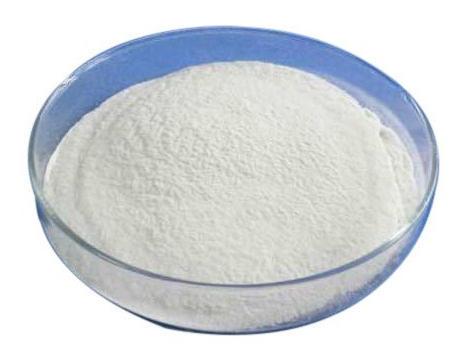
HPMC is a non-ionic, water-soluble cellulose ether derived from refined plant cellulose through etherification with methyl and hydroxypropyl groups. This modification gives HPMC excellent solubility in cold water, strong film-forming ability, and stable viscosity across a wide pH range.
Key functional properties of HPMC include:
- Water retention and delayed evaporation
- Thickening and rheology modification
- Adhesion and binder function in dry-mix systems
- Film formation and barrier properties
- Suspension, emulsification, and stabilization
For industrial and formulation work, HPMC is typically classified by:
- Viscosity grade (for example, 400, 15000, 200000 mPa·s) for different rheology needs in mortars, coatings, or tablets.
- Substitution type (methoxyl and hydroxypropoxyl content) affecting gel temperature, solubility, and film flexibility.
- Application grade: construction-grade, pharma-grade, food-grade, and cosmetic-grade, each meeting specific purity and regulatory standards.
Understanding these parameters helps you choose the right HPMC for tile adhesive, self-leveling compounds, tablets, or gluten-free bakery products.
In construction chemicals, HPMC is one of the most critical rheology modifiers and water-retention agents in dry-mix formulations. It directly influences workability, open time, sag resistance, and final strength.
HPMC is widely used in cement renders, repair mortars, masonry mortars, and skim coats. Its roles include:
- Improving water retention, allowing full hydration of cement and reducing plastic shrinkage.
- Enhancing workability and trowelability for smoother application and reduced sagging on vertical surfaces.
- Increasing adhesion to substrates and reducing segregation and bleeding in fresh mortar.
Typical benefits in cement mortar:
- Longer open time
- Better surface finish
- More uniform strength development
In polymer-modified tile adhesives, HPMC is indispensable as a water retainer, thickener, and open-time extender.
Key performance contributions:
- Keeps water in the adhesive layer, ensuring proper cement hydration and bond strength.
- Improves slip resistance for large-format tiles and heavy stones.
- Extends open time and adjustment time, giving installers more freedom for alignment.
Gypsum plasters and self-leveling underlayments also heavily rely on HPMC.
In gypsum systems, HPMC:
- Enhances workability and anti-sagging, helping achieve smooth walls and ceilings.
- Reduces water demand while maintaining good spread, improving strength and drying behavior.
In self-leveling compounds, it:
- Balances flowability with anti-segregation performance.
- Improves water retention to prevent surface crusting and pinholes.
Pharmaceutical-grade HPMC, often called Hypromellose, is a key excipient in solid, semi-solid, and ophthalmic dosage forms. Due to its biocompatibility and film-forming properties, it is widely used worldwide in regulated markets.
HPMC performs multiple functions in tablets:
- Binder: Improves granule cohesion and tablet hardness while reducing friability.
- Film coating agent: Forms clear or colored protective films to improve appearance, mask taste, and enhance stability.
- Controlled-release matrix: Swells and forms a gel layer in gastrointestinal fluid, allowing sustained or controlled drug release.
This multifunctionality allows formulators to simplify excipient systems and standardize performance across different active ingredients.
Vegetable capsules made from HPMC are an increasingly popular alternative to gelatin capsules for vegetarians and people with dietary or religious restrictions. HPMC capsules show good mechanical strength, low moisture content, and excellent stability, particularly for hygroscopic or moisture-sensitive drugs.
In topical formulations and eye drops, HPMC:
- Acts as a viscosity builder and bioadhesive film to increase residence time on skin or ocular surfaces.
- Enhances patient comfort in artificial tears and ophthalmic gels due to its lubricating properties.
Food-grade HPMC is a widely used food additive to improve texture, stability, and mouthfeel across many product categories.
In sauces, soups, dairy products, and processed foods, HPMC is used to:
- Build viscosity and create a smooth, stable texture.
- Prevent phase separation in emulsions and suspensions.
- Stabilize foams and air cells in bakery and dessert systems.
Its non-ionic nature helps maintain stability in formulations exposed to salt, acids, or processing shear.
HPMC plays an important role in gluten-free bakery and plant-based meat or dairy alternatives.
Typical benefits include:
- Acting as a gluten replacement in gluten-free bread and dough, providing structure, elasticity, and gas-holding ability.
- Serving as a vegetarian substitute for gelatin in confectionery and capsule applications.
- Improving freeze-thaw stability and moisture retention in frozen and refrigerated products.
In personal care, HPMC is valued for its skin-friendly, non-irritating profile and versatile rheology control. It supports elegant textures and stable formulations in both rinse-off and leave-on products.
HPMC is commonly used to:
- Adjust viscosity and flow for shampoos, body washes, and shower gels, delivering a rich yet easily pourable texture.
- Stabilize surfactant systems and suspended actives in transparent formulas.
- Enhance foam feel, making products creamier and more luxurious during use.
In creams, lotions, and serums, HPMC:
- Acts as a stabilizer and co-emulsifier to maintain a uniform emulsion and prevent phase separation.
- Contributes to a smooth skin feel and improved spreadability without greasiness.
Toothpastes use HPMC as a binder and thickener to:
- Provide consistent paste texture and prevent liquid separation in the tube.
- Help keep abrasives and actives evenly dispersed throughout the shelf life.
Safety and regulatory status are crucial for decision-makers evaluating HPMC as a long-term solution in different product categories.
HPMC has a strong safety record supported by many years of toxicological and clinical data. It is:
- Generally recognized as safe for specified uses in food and pharmaceuticals by major regulatory authorities.
- Approved as a food additive and listed in major pharmacopoeias for medicinal use.
- Accepted by authorities in multiple regions for use in food, pharmaceuticals, and cosmetics.
Reported adverse effects are rare and usually limited to mild gastrointestinal discomfort at very high intake levels.
HPMC is non-toxic, non-irritant, and hypoallergenic when used within regulatory limits. As a cellulose-based polymer derived from plant sources, it offers a favorable environmental profile compared with many petrochemical-based additives.
Manufacturers choose HPMC to support:
- Plant-based and vegetarian product positioning
- Long-term stability in demanding formulations
- Low-odor, low-VOC systems in construction and coatings
For formulators, choosing the correct grade is crucial to avoid performance issues such as poor workability, inconsistent viscosity, or compromised stability.
When sourcing HPMC, consider:
1. Application sector: construction, pharma, food, personal care, or industrial.
2. Viscosity range at a defined concentration and temperature.
3. Substitution pattern (methoxyl/hydroxypropoxyl), which affects gel temperature and solution behavior.
4. Particle size and surface treatment, which influence dissolution speed and lump-free dispersion in water.
5. Regulatory and purity requirements, such as pharma-grade or food-grade certification.
| Application | Target Function | Typical HPMC Features (Example) |
|---|---|---|
| Tile adhesive | Water retention, open time, anti-slip | Medium–high viscosity, construction grade |
| Cement/gypsum plaster | Workability, sag resistance | Medium viscosity, optimized water retention |
| Self-leveling underlayments | Flow, anti-segregation | Low–medium viscosity, controlled rheology |
| Film-coated tablets | Coating, gloss, protection | Low–medium viscosity pharma grade |
| Sustained-release matrices | Controlled drug release | Medium–high viscosity pharma grade |
| Gluten-free bread and bakery | Structure and elasticity | Food-grade, medium viscosity with strong film forming |
| Shampoos and lotions | Thickening and texture | Cosmetic-grade, low–medium viscosity |
This mapping is indicative; optimal selection still requires lab evaluation and technical support.
Project teams often see immediate gains in productivity and quality when they optimize HPMC selection in tile adhesive.
A typical optimization approach may include:
1. Switching from a low-viscosity to a medium-viscosity construction-grade HPMC to improve sag resistance and open time.
2. Fine-tuning dosage to balance slip resistance with trowelability and wetting of the tile back.
3. Evaluating workability and bond strength under different temperature and humidity conditions to ensure robust field performance.
Such optimization can reduce callbacks, improve installer satisfaction, and lower total cost per square meter installed.
For consistent performance across batches and markets, it is essential to work with a manufacturer that specializes in cellulose ethers and offers strong technical support. Industrial users benefit from:
- Stable quality across HPMC, HEMC, and HEC product lines, allowing standardization of multi-plant formulations.
- Application-oriented R&D support for construction mortars, pharmaceutical dosage forms, food, and personal care products.
- Customized viscosity, substitution, and particle size solutions tailored to specific processes and equipment.
A dedicated cellulose ether producer can help reduce formulation risk, accelerate product development, and maintain compliance in global markets.
If you are exploring reliable cellulose ether solutions for construction, pharmaceuticals, food, or personal care applications, you are welcome to discuss your requirements with our technical team. We can help you select suitable HPMC, HEMC, and HEC grades, optimize your formulations through lab and field evaluation, and build a stable long-term supply partnership tailored to your markets and production lines.
Contact us to get more information!
Yes. HPMC is widely used in food and pharmaceutical products within the limits set by relevant regulations, and it has a good safety record supported by toxicological data and long-term use.
HPMC, HEC, and HEMC are all cellulose ethers, but they differ in substituent groups, solution behavior, and main application areas. HPMC is widely used in construction, pharmaceuticals, food, and cosmetics, while HEC is common in paints and HEMC is often selected for cement-based mortars and plasters.
For best results, disperse HPMC in cold water under sufficient agitation, allow full wetting of the particles, and then give enough time for hydration. In dry-mix mortars, a common method is to premix HPMC with other powders so that it disperses evenly during mixing with water.
Yes. By stabilizing emulsions and suspensions, retaining moisture, and forming protective films, HPMC can reduce physical separation and quality loss, which helps extend the shelf life of many products.
Yes. HPMC is a cellulose-based, plant-derived polymer, and it is widely used as a vegetarian alternative to gelatin in capsules, confectionery, and other formulations, especially in vegetarian and plant-based product concepts.


