


close
Choose Your Site
Global
Social Media
Views: 222 Author: Rebecca Publish Time: 2026-03-27 Origin: Site


Content Menu
● Why Daily Chemical Grade HPMC Matters in the Japanese Market
● An Experience‑Driven Evaluation Framework
● What Japanese and Global Customers Expect from HPMC Suppliers
● Key Experience‑Based Criteria for Ranking HPMC Manufacturers
>> Product Quality, Consistency and Batch Stability
>> Application Performance in Hair Care, Skin Care and Home Care
>> Ease of Use in Production and Scale‑Up
>> Technical Support and Problem‑Solving Capability
>> Supply Reliability, Communication and Risk Management
>> Regulatory, Safety and Sustainability Credentials
● Experience‑Based Tiers: Leading Daily Chemical Grade HPMC Suppliers for Japan
>> Tier 1: Global and Regional Leaders with Strong Track Record in Japan
>> Tier 2: Solid Performers and Application‑Focused Suppliers
>> Tier 3: Emerging and Niche HPMC Suppliers
● Comparative Snapshot: Matching Suppliers with Customer Types
● Case‑Type B2B Customer Journeys with Daily Chemical HPMC
>> Case 1: Upgrading a Shampoo's Texture and Mildness
>> Case 2: OEM/ODM Factory Standardizing HPMC Across Multiple Clients
>> Case 3: Indie Brand Prioritizing Sustainability and Clean Label
● Practical Steps to Choose the Right HPMC Supplier for Japan‑Focused Projects
● Call to Action: Plan Your Next HPMC Sourcing Step
● FAQs About Daily Chemical Grade HPMC and Suppliers in Japan
>> Q1: What is the difference between daily chemical grade HPMC and construction grade HPMC?
>> Q2: Why do Japanese brands demand such high stability from HPMC suppliers?
>> Q3: Can a Chinese manufacturer effectively support HPMC needs for the Japanese market?
>> Q4: How many HPMC suppliers should a daily chemical manufacturer qualify?
>> Q5: What are the most critical tests when comparing HPMC suppliers for shampoos and body washes?
Daily chemical grade hydroxypropyl methyl cellulose (HPMC) plays a critical role in the performance and sensory profile of shampoos, body washes, facial cleansers and household cleaners in Japan's highly demanding market. For brands and OEM/ODM manufacturers, choosing the right HPMC supplier is no longer just about price and basic specifications; it is about real‑world stability, long‑term reliability and support throughout the entire product lifecycle. This article combines customer experience, technical criteria and market insights to build an experience‑based view of leading daily chemical HPMC manufacturers in and for Japan, and to provide a practical, B2B‑oriented selection guide for global buyers.

In Japan, consumers expect daily chemical products to deliver mildness, clean rinse‑off, elegant texture and long‑term stability in a wide range of climates and water qualities. Daily chemical grade HPMC is widely used in:
- Shampoos and conditioners
- Body washes and shower gels
- Facial cleansers and makeup removers
- Hand soaps and sanitizing cleansers
- Laundry detergents and fabric care products
- Dishwashing liquids and household cleaners
The right daily chemical grade HPMC supports:
- Stable viscosity across production batches and storage temperatures
- Clear or translucent appearance for premium cosmetic products
- Improved foam stability and pleasant sensory feel on skin and hair
- Electrolyte and surfactant compatibility in complex formulations
Because of these demands, Japanese brands and factories place significant weight on real customer experience with each supplier: production consistency, problem‑solving speed and after‑sales service can make or break a long‑term partnership in this market.
To move beyond marketing claims and datasheet comparisons, this article focuses on practical, experience‑driven dimensions that matter most to Japanese and global buyers working with daily chemical grade HPMC. The evaluation framework includes:
1. Product quality and batch stability
2. Application performance in hair care, skin care and home care
3. Technical support and formulation problem‑solving capability
4. Supply reliability and communication quality
5. Regulatory and sustainability performance
6. Price–performance balance for daily chemical applications
The analysis integrates:
- Publicly available information on major manufacturers and their product portfolios
- Common expectations and pain points shared by formulators and OEM/ODM factories
- Typical patterns observed in real use cases of HPMC across different markets
While specific customer names are not disclosed, the recurring feedback themes from B2B users help form a realistic profile of what differentiates strong suppliers from average ones.
Japanese formulators, as well as global exporters serving Japan, commonly emphasize a similar set of expectations when sourcing daily chemical grade HPMC:
- Consistent viscosity and rheology between batches
- Fast and clean dissolution, with minimal lumping and dusting
- Compatibility with gentle surfactant systems (amino acid, betaine, sulfate‑free, low‑irritation)
- Stable color and low odor to avoid interference with fragrance and appearance
- Strong local or regional technical support for formulation challenges
- Reliable lead times, especially during peak production seasons
- Clear documentation, including safety, regulatory and sustainability information
For many B2B buyers, the most valued suppliers are those that can demonstrate long‑term consistency in real production environments rather than only in lab‑scale tests.
For daily chemical products in Japan, batch‑to‑batch consistency is often more important than theoretical performance on a single datasheet. Formulators and production teams typically benchmark suppliers on:
- Viscosity deviation limits from specification
- Appearance (color, clarity) and presence of undissolved particles
- Odor control and cleanliness of product
- Long‑term stability under typical storage conditions
When viscosity drifts beyond an acceptable range, filling behavior, product appearance and sensory perception may change. In competitive markets, this leads to consumer complaints and product returns, so brands prefer HPMC suppliers whose quality management systems maintain tight control of rheology and impurity levels over time.
Real customer experience shows whether an HPMC grade performs as claimed in actual daily chemical formulations. Important dimensions include:
- Skin and hair feel: richness vs. lightness, slipperiness, after‑feel and rinsability
- Foam profile: bubble size, density, stability and “cushioning” effect
- Clarity in transparent systems such as clear shampoos and gels
- Electrolyte tolerance, especially in formulations with salts, actives or hard water exposure
- pH tolerance, usually between mildly acidic and neutral ranges typical for Japanese personal care
Even small variations in HPMC substitution pattern and molecular weight can alter texture and consumer perception, so formulators often run multiple rounds of internal testing before locking a supplier into commercial formulas.
Production teams evaluate HPMC suppliers based on how easily their products integrate into everyday operations:
- Hydration speed and tendency to form lumps during addition
- Dusting level and handling comfort in bulk processing
- Compatibility with existing mixing equipment and process parameters
- Robustness during scale‑up from lab to pilot and full production
Suppliers whose materials are easy to disperse and hydrate, even under less‑than‑ideal mixing conditions, help reduce downtime and batch failures. This is particularly important for OEM/ODM manufacturers running numerous SKUs on the same production lines.
Real customer experience frequently differentiates suppliers by their technical responsiveness and depth:
- Ability to diagnose issues like phase separation, viscosity drift or clarity problems
- Willingness to co‑develop or adjust formulas for specific markets such as Japan
- Speed and practicality of feedback, sample provision and follow‑up
Formulators value suppliers that act as technical partners, offering realistic guidance rather than generic product promotion. This includes support for reformulation when brands change surfactant systems, claim profiles or cost targets.
In an environment of global logistics volatility, daily chemical manufacturers increasingly prioritize suppliers that provide:
- Stable lead times and realistic forecasts
- Transparent communication about delays or disruptions
- Local or regional warehousing options where feasible
- Support in building safety stocks for key customers
A technically strong product becomes risky if supply is unpredictable. Many B2B buyers therefore adopt a strategy that combines one primary supplier and at least one qualified backup, especially for high‑volume or flagship products.
As regulatory scrutiny and sustainability expectations increase, many Japanese and international buyers now include:
- Compliance with relevant cosmetic, detergent and chemical regulations in target markets
- Availability of SDS, regulatory dossiers and toxicological information
- Progress on energy efficiency, emission reduction and waste management
- Support for labeling, documentation and customer audits
Suppliers that can present clear, consistent data and articulate a credible sustainability roadmap tend to have an advantage in negotiations with brand owners and large OEMs.
The following tier structure is illustrative and based on how different types of customers often position suppliers according to experience, portfolio breadth and application focus. Actual supplier selection should always be based on specific project requirements and thorough testing.
Shin‑Etsu Chemical Co., Ltd. (METOLOSE® series)
Shin‑Etsu, headquartered in Japan, is widely recognized for high‑purity cellulose ethers used in pharmaceuticals, food and personal care. Its METOLOSE® portfolio includes grades suitable for daily chemical applications such as shampoos, body washes and skin‑care cleansers. Customers often highlight: [setylose]
- Tight control of viscosity, particle size and impurity levels
- High transparency and low odor suitable for premium cosmetic formats
- Comprehensive documentation and support for regulatory compliance
For Japanese domestic brands and global companies operating in Japan, Shin‑Etsu is frequently chosen when top‑tier quality and long‑term reliability outweigh pricing considerations. [pharmaexcipients]
Dow (METHOCEL™ cellulose ethers)
Dow supplies HPMC and other cellulose ethers globally into construction, pharma and personal care segments. For Japanese and Asia‑Pacific daily chemical customers, Dow's strengths usually include: [kimacellulose]
- A broad portfolio of grades tailored to different rheology and processing needs
- Deep technical expertise in surfactant‑rich formulations and cleansing systems
- Established global logistics and quality management infrastructure
Daily chemical brands often shortlist Dow when developing modern sulfate‑free or multifunctional cleansing systems that require precise rheology control and robust global support. [kimachemical]
Shandong Shengda New Material Co., Ltd. – Global Supplier Supporting Japan‑Focused Projects
Shandong Shengda New Material Co., Ltd. is a Chinese manufacturer specialized in research, development, production and sales of cellulose ethers, including construction and daily chemical grade HPMC. Shengda provides solutions for global customers who require comprehensive, high‑quality and sustainable cellulose ether products for both building and daily chemical applications. International customers working on Japan‑oriented or Asia‑Pacific projects often value:
- A vertically integrated production approach for HPMC and related cellulose ethers
- Daily chemical grade HPMC designed for detergents, shampoos, body washes and other personal/home care formulations
- Emphasis on quality consistency, competitive cost structures and sustainable development concepts
For brands and OEMs looking to balance cost, performance and supply security, cooperating with a specialized manufacturer such as Shandong Shengda allows them to access tailored technical support and flexible sourcing options within a broader global supplier mix.
Tier‑2 suppliers often perform very well in specific application areas or customer segments, even if they are less globally visible than Tier‑1 companies. Examples include:
- Regional manufacturers focusing on household detergents and cleaners, offering HPMC optimized for soil suspension, foam management and stability in high‑alkaline systems [hpmcfactory]
- Suppliers working closely with small and mid‑sized OEM/ODM manufacturers, providing flexible MOQs, fast sample delivery and pragmatic technical guidance [hpmc]
- Emerging players emphasizing cleaner production or targeted rheology profiles, such as grades tailored for gel cleansers or high‑clarity body washes
For many B2B buyers, these suppliers are attractive for specific projects where application specificity, responsiveness or cost‑effectiveness are more critical than having a global brand name.
The third tier includes newer or more niche producers that may offer:
- Innovative rheology for special textures (jellies, high‑flow gels, “watery” creams) [hpmc]
- Strong sustainability narratives or low‑residue, low‑VOC positioning
- Limited but promising track records in demanding daily chemical applications
Customers often treat such suppliers as secondary or project‑specific sources until more extensive stability and scale‑up data are available. For innovation‑driven or niche brands, however, these suppliers can be a useful complement to Tier‑1 or Tier‑2 partners.
| Customer Type | Priority Factors | Typical Supplier Tier Choice |
|---|---|---|
| Large Japanese cosmetic brand | Quality, stability, regulatory depth | Tier 1 (e.g., Shin‑Etsu, Dow, global leaders) |
| Large home‑care detergent manufacturer | Cost–performance, supply security | Tier 1 plus Tier 2 (global + regional mix) |
| Mid‑sized OEM/ODM factory | Flexibility, technical support, pricing | Tier 1 partner plus Tier 2 specialist supplier |
| Indie or niche brand | Sustainability, storytelling, unique textures | Tier 2 or Tier 3, with targeted technical collaboration |
| Export brand serving Japan | Japanese performance needs, logistics options | Tier 1 or experienced global supplier such as Shengda |
This overview underlines that no single supplier is “best” for every buyer; the optimal choice depends on brand size, portfolio strategy, risk tolerance and market positioning.
A mid‑sized shampoo brand targeting the Japanese market struggled with an uneven texture and dull skin feel in its flagship product. By benchmarking several daily chemical grade HPMC suppliers, the company found that shifting to a higher‑purity, more consistent HPMC grade:
- Improved viscosity stability over six months of storage
- Enhanced foaming quality and sensorial “richness” on hair
- Increased consumer perception of premium quality and easy rinse‑off
The brand selected a Tier‑1 supplier for this hero SKU while using more cost‑efficient suppliers for secondary products.
An OEM/ODM manufacturer producing shampoos, body washes and facial cleansers for numerous brands faced complexity from using many different HPMC suppliers. After a structured comparison, the factory:
- Consolidated daily chemical HPMC usage to two core suppliers (one global leader, one cost‑effective specialist)
- Standardized internal base formulas using these HPMC grades
- Reduced batch variability, simplified procurement and improved production scheduling
This dual‑supplier strategy balanced risk management, pricing and technical support, which was especially important for export‑oriented projects.
A niche “clean beauty” brand preparing to enter the Japanese and Southeast Asian markets focused on gentle surfactant systems and eco‑oriented positioning. The team:
- Screened HPMC suppliers based on residual solvent levels, documentation quality and sustainability information
- Selected a supplier able to provide clear data and marketing‑compatible sustainability claims
- Accepted a somewhat higher cost in exchange for coherent branding, regulatory confidence and traceability
For this brand, documentation and positioning around HPMC were almost as important as technical performance.
To help buyers and formulators make better decisions, the following step‑by‑step process can be applied when evaluating daily chemical grade HPMC suppliers for Japanese or Asia‑Pacific markets:
1. Define your product portfolio and claims
- Hair care vs. skin care vs. home care focus
- Premium vs. mass‑market positioning
- Special claims such as sulfate‑free, sensitive skin, eco‑friendly, minimal additives
2. Shortlist suppliers by technical fit and track record
- Review datasheets, application notes and any available reference formulas
- Check experience in the specific product types you plan to launch
- Consider a combination of global leaders and specialized manufacturers such as Shandong Shengda, depending on project needs
3. Run laboratory screenings and pilot tests
- Compare viscosity curves, clarity, foam profile and sensory attributes in your own bases
- Evaluate hydration behavior, lumping tendency and impact on processing time
- Conduct accelerated stability tests under realistic temperature and storage conditions
4. Assess technical service and communication quality
- Monitor response time to formulation questions and technical issues
- Evaluate whether advice is practical, specific and adapted to your market
- Confirm that documentation is complete and updated for target regions
5. Evaluate supply reliability and commercial conditions
- Confirm lead times, minimum order quantities and warehousing options
- Compare price–performance as cost per stable, successfully produced batch, not just raw material price
- Assess flexibility to support future volume growth and new product launches
6. Build a tiered supplier strategy
- Designate at least one primary supplier and one qualified backup
- Use different suppliers for different product tiers if required
- Regularly review performance, cost trends and support quality in annual audits
By following this process, brands and OEMs can reduce formulation risk, improve product stability and negotiate more effectively with suppliers.
If you are evaluating or re‑evaluating your daily chemical grade HPMC suppliers for Japan or the wider Asia‑Pacific region, this is a good time to:
- Review your current formulations, stability data and complaint records
- Benchmark existing suppliers against the experience‑based criteria described above
- Initiate discussions with both established global leaders and solution‑oriented global manufacturers such as Shandong Shengda New Material Co., Ltd. to explore optimized technical and supply options
A structured, experience‑driven approach to HPMC sourcing can help you secure more stable products, reduced operational risk and stronger differentiation in competitive personal and home care markets.
Contact us to get more information!
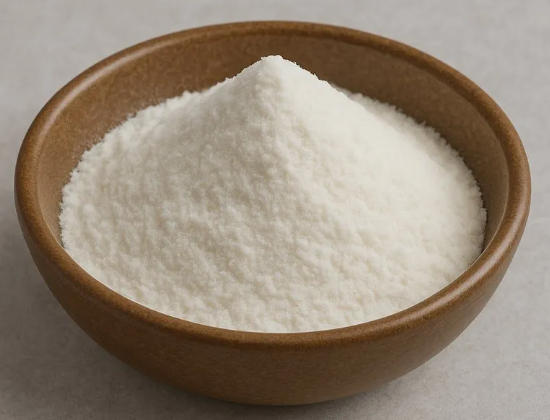
Daily chemical grade HPMC is optimized for personal and home care applications, focusing on purity, sensory feel, clarity and skin compatibility. Construction grade HPMC is designed for cement, mortar and related building materials, where water retention, workability and adhesion are the primary priorities.
Japanese consumers expect consistent product texture, performance and appearance over time. Even small changes in viscosity or clarity can lead to perceived quality issues, so brands require tight control of HPMC quality and rigorous stability data.
Yes. A specialized Chinese manufacturer with strong quality control, global logistics capability and dedicated daily chemical grades—such as Shandong Shengda New Material Co., Ltd.—can support Japan‑oriented and Asia‑Pacific projects, especially when combined with clear communication and targeted technical support.
Most mid‑ to large‑scale manufacturers qualify at least one primary and one backup HPMC supplier. This dual‑sourcing strategy balances risk, price and supply continuity, and is especially important for high‑volume or strategic products.
Key tests include viscosity profile over time, clarity, foam behavior, skin and hair sensory evaluation, dissolution and hydration behavior, stability under temperature cycles and compatibility with the main surfactant system used in your formulas.
1. Shin‑Etsu Chemical Co., Ltd. – METOLOSE® Cellulose Ethers. Available at:
https://www.setylose.com/en/products/food/metolose
2. Dow – METHOCEL™ Cellulose Ethers Product and Application Information. Available at:
https://www.dow.com
3. Shandong Shengda New Material Co., Ltd. – Company and Product Overview. Available at:
(Insert your official English‑language website URL here)
4. Kima Chemical and other industry sources – Global HPMC supplier overviews and application notes for daily chemical and construction markets.
5. Publicly available technical datasheets, conference presentations and trade publications covering HPMC performance in personal and home care applications.


