


close
Choose Your Site
Global
Social Media
Views: 222 Author: Rebecca Publish Time: 2026-01-31 Origin: Site


Content Menu
● Main Types of Cellulose Ethers
● Key Functional Properties of Cellulose Ethers
● Why Are Cellulose Ethers Widely Used?
● Major Application Fields of Cellulose Ethers
>> Construction and Building Materials
>> Paints, Coatings and Adhesives
>> Personal Care, Detergents and Other Uses
● How Cellulose Ethers Work in Formulations
● HPMC, HEMC and HEC: How Do They Compare?
● Advantages of Premium Cellulose Ethers
● Real‑World Application Examples
● How to Choose the Right Cellulose Ether for Your Application
● Clear Call to Action: Partner With a Professional Cellulose Ether Supplier
>> 1. Are cellulose ethers safe for use in food and pharmaceuticals?
>> 2. How do cellulose ethers improve cement‑based mortars?
>> 3. What is the difference between HPMC and HEMC in construction applications?
>> 4. Why is viscosity so important when selecting a cellulose ether?
>> 5. Can cellulose ethers help reduce overall formulation costs?
Cellulose ethers are water‑soluble polymers derived from natural cellulose that provide thickening, water retention, film‑forming and stabilizing functions in construction, pharmaceuticals, food, personal care and many other industries. Because of their performance, safety and versatility, cellulose ethers such as HPMC, HEMC and HEC have become essential in high‑performance formulations worldwide.
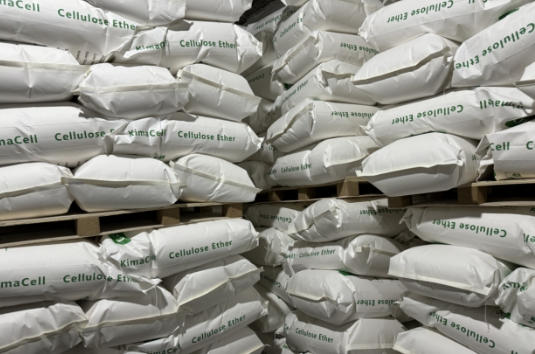
Cellulose ethers are semi‑synthetic polymers made by chemically modifying purified plant cellulose through an etherification reaction. During this process, functional groups such as methyl, hydroxypropyl or hydroxyethyl are introduced onto the cellulose backbone to improve solubility and performance.
This modification turns naturally insoluble cellulose into water‑soluble, film‑forming and rheology‑controlling materials. By adjusting the degree of substitution and molecular weight, manufacturers can fine‑tune viscosity, water retention, solubility and setting behavior for specific applications.
Different cellulose ether types are optimized for different end uses, even though they all originate from plant cellulose.
- HPMC (Hydroxypropyl Methyl Cellulose) – widely used in cement mortars, tile adhesives, skim coats, gypsum products, pharmaceuticals and food as a thickener, water‑retention agent, binder and film‑former.
- HEMC (Hydroxyethyl Methyl Cellulose) – preferred in dry‑mix mortars and water‑based coatings where excellent water retention and smooth workability are needed, especially under higher temperature conditions.
- HEC (Hydroxyethyl Cellulose) – commonly used in paints, personal care, detergents, oilfield fluids and some construction systems as a non‑ionic thickener and stabilizer.
- CMC (Carboxymethyl Cellulose) – used in food, detergents, pharmaceuticals and paper as a thickener and stabilizer with strong water‑binding capacity.
- Other specialty grades (MC, EC, EHEC, MHEC, etc.) target niche requirements such as solvent resistance, special film properties or specific dissolution profiles.
The value of cellulose ethers comes from a combination of functional properties that can be engineered for different systems.
- Thickening and rheology control – increase viscosity of aqueous systems to prevent segregation and improve handling in coatings, mortars, detergents and cosmetics.
- Water retention – reduce water loss into porous substrates, critical in cement‑based mortars and plasters to ensure proper hydration, strength and adhesion.
- Film‑forming ability – form continuous, often transparent and flexible films that support adhesion, protection and surface strength in adhesives and coatings.
- Binding and adhesion – act as binders in tablets, granules and powder systems, improving cohesion without sacrificing flow.
- Stabilization of dispersions and emulsions – act as protective colloids to prevent particle flocculation or droplet coalescence in latex paints, emulsions and suspensions.
- Compatibility and safety – offer generally low toxicity, good biocompatibility and wide pH tolerance, which is essential in pharmaceuticals, food and personal care products.
Cellulose ethers have become workhorse ingredients because they combine performance, versatility and a favorable safety and sustainability profile.
- Plant‑based origin and biodegradability support the growing demand for more sustainable, bio‑based raw materials in many industries.
- Non‑toxic and low‑irritation characteristics make them suitable for pharmaceuticals, food and cosmetics within regulatory limits.
- Multi‑functionality as thickeners, water‑retention agents, binders, film‑formers and stabilizers reduces the number of separate additives needed in a formulation.
- Fine tuning through chemistry and molecular weight allows precise control over viscosity, dissolution behavior and workability for each application.
For example, a tile adhesive with the right grade and dosage of HPMC or HEMC can show improved open time, slip resistance and workability without major changes to other components.
In construction, cellulose ethers are indispensable in cement‑based and gypsum‑based systems.
- Improve water retention in tile adhesives, renders, skim coats, self‑leveling compounds and grouts, ensuring proper cement hydration and strength development.
- Enhance workability and trowelability, making mortars smoother and easier to apply, especially in thin‑bed applications.
- Increase sag resistance and stability on vertical surfaces, reducing slipping of tiles or sagging of plasters.
- Contribute to crack resistance and more uniform curing by controlling water distribution.
HPMC and HEMC are particularly important in dry‑mix mortars, while HEC is common in decorative paints and some specialty cement systems.
In water‑based paints and coatings, cellulose ethers are key rheology modifiers and stabilizers.
- Provide thickening and anti‑sag performance for architectural paints and textured coatings.
- Stabilize pigment dispersions and prevent settling or flocculation over storage and application.
- Improve brushability, roller spatter control and leveling, which directly affects user experience and finish quality.
In adhesives such as wallpaper pastes and construction adhesives, cellulose ethers supply cohesive strength, open time control and film‑forming ability to support reliable bonding.
Pharmaceutical‑grade cellulose ethers play critical roles in both solid and liquid dosage forms.
- Act as binders and disintegrants in tablets and granules, balancing mechanical strength and disintegration time.
- Serve as controlled‑release matrices in oral dosage forms, using gel formation and diffusion to modulate drug release.
- Stabilize suspensions and emulsions in syrups, ophthalmic preparations and topical formulations.
Their low toxicity, high glass‑transition temperature, good chemical stability and hydrogen‑bonding capacity make them particularly valuable as pharmaceutical excipients.
In food systems, certain cellulose ethers are approved as additives and processing aids.
- Function as thickeners and stabilizers in sauces, dressings, dairy products and desserts.
- Improve texture and moisture retention in baked goods and plant‑based products, supporting better mouthfeel and shelf life.
- Act as emulsifiers and foaming aids in specific formulations that require stable air or oil dispersion.
Because they are derived from plant cellulose and are generally non‑toxic at approved levels, they fit well with clean‑label and reformulation strategies.
Cellulose ethers also play important roles in personal care and household products.
- In shampoos, shower gels, lotions and creams, they provide viscosity, suspension stability and improved sensory feel on skin and hair.
- In toothpaste and oral care, they help stabilize pastes and suspensions while supporting a pleasant texture.
- In detergents and cleaners, they act as thickeners and soil‑suspending agents, improving product stability and application.
Beyond these areas, cellulose ethers are used in oilfield chemicals, paper processing, textiles and specialty applications where controlled rheology and water interaction are important.
The performance of cellulose ethers comes from their interaction with water, particles and other ingredients at a molecular level.
- Hydrophilic groups along the polymer chain enable hydration and dissolution in water, forming a viscous solution or gel.
- Long polymer chains create entanglements in solution, which increases viscosity and provides shear‑thinning behavior beneficial for pumping and application.
- Adsorption on cement particles, pigments or filler surfaces helps stabilize dispersions and control flocculation.
- Upon drying or curing, aligned chains form continuous films that add cohesion, flexibility and protection.
By choosing the right substitution type and level, formulators can influence dissolution speed, gel strength, setting behavior and compatibility with other additives.
For formulators and buyers, it is often useful to compare the three key cellulose ethers used in construction, coatings and personal care.
| Property / Aspect | HPMC (Hydroxypropyl Methyl Cellulose) | HEMC (Hydroxyethyl Methyl Cellulose) | HEC (Hydroxyethyl Cellulose) |
|---|---|---|---|
| Main functions | Thickener, water retention, binder, film‑former in mortars, tile adhesives, pharmaceuticals and food. | Thickener and water‑retention agent with smooth workability, especially for dry‑mix mortars and high‑temperature conditions. | Non‑ionic thickener and stabilizer in paints, personal care, detergents and some construction systems. |
| Typical industries | Construction, pharmaceuticals, food, personal care. | Construction, coatings, building materials, printing inks, drilling. | Paints, architectural coatings, personal care, detergents, oilfield fluids. |
| Water‑retention performance | Excellent water retention in cement‑based systems, supporting open time and curing. | Very strong water retention and good vertical stability, well suited to hot climates and demanding mortars. | Good water‑binding and thickening, often optimized for paints and liquid products rather than thick mortars. |
| Rheology profile | Wide viscosity range, strong thickening and processability in both dry‑mix and wet systems. | Smooth, creamy workability with good anti‑sag performance in mortars. | Provides consistent, often pseudoplastic flow, improving leveling and application in paints and personal care. |
High‑quality cellulose ethers can significantly improve consistency, performance and cost‑effectiveness in industrial formulations.
- Narrow specifications and high purity help ensure reproducible viscosity, dissolution and setting behavior batch after batch.
- Optimized substitution patterns provide better salt tolerance, temperature stability and compatibility with cement or polymer binders.
- Tailored particle size and surface treatment can improve wetting, dissolution speed and dust control in dry‑mix applications.
For users, this translates into more stable product quality, fewer formulation adjustments and simplified scale‑up across different production sites.
Several application scenarios highlight how cellulose ethers add value beyond simple thickening.
- In ready‑mix plasters and tile adhesives, they reduce bleeding and segregation, enhance open time and make application more forgiving for contractors.
- In architectural paints, they improve color consistency, reduce dripping and sagging on walls and ceilings, and help coatings maintain appearance over time.
- In oral solid dosage forms, they allow controlled drug release from matrix tablets, improving dosing convenience and patient compliance.
- In personal care, they support stable emulsions and pleasant skin feel in products designed for sensitive consumers.
These benefits often allow formulation cost optimization, for example by reducing binder content or controlling water demand while maintaining target performance.
Selecting the right cellulose ether grade involves balancing performance, processing and cost.
- Define the application and end‑use, for example tile adhesive, skim coat, interior paint, shampoo or tablet matrix.
- Specify the required viscosity and rheology, including workability, leveling, anti‑sag behavior, pumpability and sprayability.
- Consider the temperature and climate conditions of application and curing, especially for construction products used in hot or dry environments.
- Review the interaction with other ingredients such as cement type, redispersible polymer powder, pigments, surfactants or active pharmaceutical ingredients.
- Evaluate regulatory and safety requirements for food, pharmaceutical or personal care products.
Close cooperation with an experienced cellulose ether manufacturer helps shorten formulation time, ensure compliance and optimize total cost in use.
If you are developing or upgrading formulations in construction, coatings, pharmaceuticals, food or personal care, choosing the right cellulose ether partner is just as important as choosing the right formulation design. A specialized manufacturer can support you with grade selection, laboratory evaluation and on‑site technical guidance so that your products achieve stable performance in real‑world conditions.
Shandong Shengda New Material Co., Ltd. is dedicated to the research, development and production of cellulose ethers including HPMC, HEMC and HEC, serving global customers with consistent quality, application know‑how and customized solutions. To discuss your current formulations, request samples or obtain detailed technical data, please contact our technical team with your project requirements so we can recommend the most suitable cellulose ether grades and help you accelerate product development.
Contact us to get more information!
Most cellulose ethers used in food and pharmaceutical applications are considered low‑toxicity, non‑irritant excipients when used within established regulatory limits. They are widely applied as thickeners, stabilizers and controlled‑release agents in tablets, capsules, syrups and certain food products, subject to local regulations and quality standards.
In cement‑based mortars, cellulose ethers increase water retention, enhance workability and reduce segregation or bleeding. This leads to better cement hydration, improved adhesion to substrates, more uniform curing and, ultimately, higher strength and durability.
Both HPMC and HEMC provide thickening and water retention, but HEMC typically offers smoother consistency and improved performance at higher temperatures, which is valuable in hot‑climate construction. HPMC, on the other hand, is widely used for its broad viscosity range, strong water‑retention capability and excellent performance in many standard dry‑mix mortars and tile adhesives.
Viscosity determines how a cellulose ether will influence flow behavior, application properties and stability of the final product. Higher viscosity grades generally provide stronger thickening and water retention, while lower viscosity grades support easier pumping, spraying or spreading; the optimal choice depends on the specific product and process.
By improving water retention, workability and stability, the right cellulose ether grade can allow formulators to optimize cement content, reduce waste and improve productivity on site or in production. Consistent quality and targeted technical support from a professional supplier also help minimize trial‑and‑error and complaints, which contributes to a lower total cost in use.
1. https://www.kimachemical.com/news/what-are-cellulose-ethers-and-why-are-they-used/
2. https://www.kimachemical.com/guide/what-are-cellulose-ethers/
3. https://www.kimacellulose.com/what-is-cellulose-ether.html
4. https://www.kimachemical.com/news/what-is-cellulose-ether-used-for/
5. https://www.kimacellulose.com/premium-cellulose-ethers-definition-grades-property-applications.html
6. https://www.teringredients.es/en/productdetail/cellulose-ethers
7. https://tenessy.com/hpmc-vs-hemc-which-is-better-for-your-project/
8. https://celluloseether.com/effects-of-cellulose-ether-as-water-retaining-agents-and-thickeners/
9. https://pubmed.ncbi.nlm.nih.gov/29869877/
10. https://pubs.acs.org/doi/abs/10.1021/acs.biomac.8b00517


