


close
Choose Your Site
Global
Social Media
Views: 222 Author: Rebecca Publish Time: 2026-02-01 Origin: Site


Content Menu
● What Is Construction-Grade HPMC?
● Key Performance Parameters of HPMC in Mortars
>> Viscosity and Thickening Ability
>> Water Retention and Plastic Viscosity
>> Open Time and Workability Window
● Main HPMC Grades by Viscosity Range
● Typical Construction Applications of HPMC Grades
>> HPMC in Wall Putty and Skim Coat
>> HPMC in Plaster and Render Mortars
>> HPMC in Self-Leveling Compounds
● How to Choose the Right HPMC Grade for Your Project
>> Step 1 – Define Your Mortar System
>> Step 2 – Select Viscosity Range and Substitution Type
● Practical Mixing and Application Guidelines
>> Recommended Mixing Procedure
>> Site Conditions and Temperature Window
>> Quality Control and Field Evaluation
● How HPMC Improves Mortar Performance – Mechanism Overview
● Case-Style Example: HPMC in High-Performance Tile Adhesive
● About Shandong Shengda New Material Co., Ltd.
● Where to Use Shengda HPMC, HEMC, and HEC in Construction
● Call to Action: Partner with Shandong Shengda for High-Performance Cellulose Ether Solutions
● FAQs on HPMC Grades for Construction
>> 1. What is the main difference between low- and high-viscosity HPMC grades?
>> 2. How does HPMC improve water retention in cement mortar?
>> 3. Can HPMC be used in exterior renders and adhesives?
>> 4. What is a typical dosage range of HPMC in dry-mix mortars?
>> 5. How should HPMC be added during mortar production?
Hydroxypropyl Methylcellulose (HPMC) is a non-ionic cellulose ether widely used in cement- and gypsum-based materials to improve workability, water retention, and adhesion. In construction formulations, HPMC acts mainly as a thickener, water-retention agent, and binder, helping mortars stay workable longer while reducing cracking and sagging on vertical surfaces.
Construction-grade HPMC is available in many viscosity grades, from a few hundred up to about 200,000 mPa·s, allowing formulators to fine-tune performance for tile adhesives, wall putty, self-leveling compounds, and other dry-mix mortars.

Understanding the core parameters of HPMC grades helps you select the right product for each application.
Viscosity (mPa·s) describes the thickening power of an HPMC solution and strongly influences mortar consistency, anti-sag performance, and trowel feel. Higher viscosity HPMC significantly improves cohesion and reduces slippage in cement mortars, especially on vertical substrates.
Low-viscosity grades are typically chosen for self-leveling or pumpable systems where flowability is critical, whereas medium- to high-viscosity grades are used in tile adhesive and plaster for better build and hanging strength.
HPMC greatly enhances water retention in cement and gypsum mortars by forming a three-dimensional network structure that slows water migration and evaporation. As HPMC content increases, the plastic viscosity of mortar rises and water retention can improve proportionally, which helps maintain an optimal moisture level during setting and curing.
In practical terms, high-quality construction-grade HPMC helps mortars retain a high percentage of mixing water, preventing premature drying and supporting more complete cement hydration.
Open time is the period during which a mortar or tile adhesive remains workable and can still achieve reliable adhesion after application. By improving water retention and rheology, suitable HPMC grades can extend open time, giving installers more flexibility to adjust tiles or finish plaster surfaces under various site conditions.
A balanced open time is crucial: if it is too short, productivity suffers; if it is too long, early strength development or sag resistance may be affected. Selecting the correct grade and dosage is therefore essential.
Different HPMC viscosity ranges correspond to different construction uses.
| HPMC viscosity level | Typical viscosity range (2% solution, NDJ, 20 °C) | Typical construction applications |
|---|---|---|
| Low-viscosity HPMC | Approx. 400–40,000 mPa·s | Self-leveling mortars, grout, joint fillers, pumpable screeds. |
| Medium-viscosity HPMC | Approx. 70,000–150,000 mPa·s | Wall putty, skim coat, EIFS/ETICS basecoat. |
| High-viscosity HPMC | Up to about 200,000 mPa·s | Tile adhesive, thick-bed mortars, hand-applied plasters requiring high anti-sag performance. |
When you evaluate a specific grade, always consider not only viscosity but also substitution type, particle size, and intended application recommendations from the supplier.
In cement-based tile adhesives, HPMC provides three critical functions: thickening, water retention, and improved adhesion. The polymer creates a stable, creamy mortar structure, reduces tile slip on vertical walls, and keeps enough moisture for cement hydration at the adhesive–tile interface.
Optimized tile adhesive grades also help improve wetting of low-absorption tiles and reduce hollowing and debonding problems, especially in large-format or porcelain tile installations.
For wall putty and skim coat, HPMC enhances smoothness, workability, and crack resistance. Medium-viscosity grades deliver a fine, easy-to-spread consistency while maintaining good water retention to prevent surface powdering or shrinkage cracks.
The right grade also helps achieve higher coverage rates and better bonding to substrates such as concrete, plaster, or old coatings, reducing rework and quality complaints for contractors.
In cement and gypsum plasters, HPMC significantly improves anti-sag properties, cohesion, and open time, allowing thicker layers to be applied in one pass. By maintaining a stable mortar structure and trapping fine air bubbles, HPMC reduces segregation and bleeding while making the plaster easier to trowel and finish.
This performance is particularly important in machine-applied plasters, where pumpability and consistent spray patterns depend heavily on the chosen cellulose ether grade.
Self-leveling underlayments require lower-viscosity HPMC grades that provide controlled viscosity without compromising flow. These products help stabilize the mix, prevent segregation, and maintain adequate water retention during setting so that the surface levels smoothly and cures without pinholes.
Because pumpability and fast installation are key, formulators usually select low-viscosity, fast-dissolving grades designed specifically for self-leveling systems.
First, clearly identify the type of dry-mix mortar: tile adhesive, wall putty, plaster, self-leveling compound, or special mortar such as EIFS basecoat, repair mortar, or grout. Different systems require different flow, sag resistance, and open time, so starting with a clear target is essential.
You should also list local standards and typical climate conditions on site, since temperature and humidity directly affect HPMC performance and final mortar behavior.
Next, match the viscosity range to your application: lower for flowable systems, higher for trowel-applied and vertical applications. Then consider chemical substitution, such as methoxy and hydroxypropyl content, which influences water solubility, gel temperature, and compatibility with other additives.
Suppliers often provide recommended grade lists for tile adhesive, putty, or plaster; using these as a starting point can shorten laboratory testing time and reduce formulation risk.
Typical HPMC dosage in construction mortars ranges from about 0.1% up to around 0.5–0.6% by weight of the dry mix, depending on binder content and desired performance. Excessive dosage may overly increase viscosity or delay setting, while insufficient levels will not deliver the targeted water retention or open time.
In practice, formulators often run a small series of trials, for example 0.2%, 0.3%, and 0.4%, and then evaluate sag resistance, open time, and workability to locate the most cost-effective point.
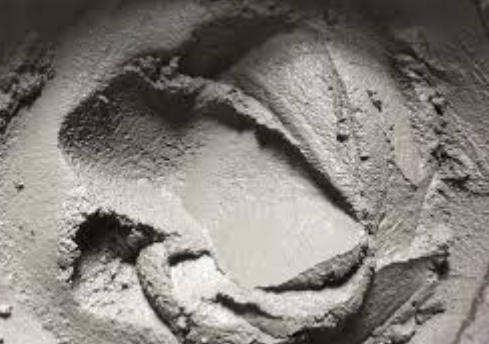
To avoid lumping and ensure uniform distribution, HPMC powder is typically pre-blended with other dry components, such as cement, fillers, and polymers, before water is added at the job site. High-shear mixing or sufficient mechanical agitation is recommended until a homogeneous, creamy mortar is obtained with no visible agglomerates.
Allowing the fresh mix to rest for a few minutes after initial mixing and then re-mixing briefly can further improve consistency, because HPMC continues hydrating and building viscosity over time.
Construction-grade HPMC performs best when mortars are mixed and applied within a moderate temperature range, generally from about 5 °C to 30 °C, with controlled humidity. Extremely hot, dry, or windy conditions can accelerate surface drying and reduce effective open time, so shading, pre-wetting substrates, or adjusting water content may be necessary.
Under very cold conditions, setting and curing may be delayed; following cement and gypsum manufacturer recommendations is essential to avoid strength loss or surface defects.
After application, performance should be assessed using simple field checks such as slip measurement for tile adhesive, scratch resistance and smoothness for wall putty, or flow diameter for self-leveling mortar. Where possible, laboratory testing of water retention, tensile adhesion strength, and setting time provides quantitative confirmation that the selected HPMC grade and dosage meet project specifications.
Periodic sampling from production and job sites is recommended to ensure consistency over time and across different batches of raw materials.
From a material-science perspective, HPMC dissolves in water to form a viscous polymer solution that creates a mesh-like three-dimensional network within the mortar. This network increases plastic viscosity and cohesion, slows water migration, and traps fine air bubbles that contribute to improved workability and reduced segregation.
The enhanced plastic viscosity correlates with water-holding capacity, meaning that as viscosity rises, water retention and resistance to bleeding improve correspondingly. At the same time, the thin films formed by HPMC around cement particles and at interfaces help increase adhesion strength and crack resistance in hardened mortars.
A typical high-performance interior wall tile adhesive might use a medium- to high-viscosity HPMC grade at around 0.3–0.4% of total dry mix to achieve extended open time and high sag resistance on vertical substrates. In such a formulation, HPMC works together with redispersible polymer powder and selected fillers to deliver improved bonding to concrete, brick, and existing tiles.
In real projects, contractors often report easier troweling, better wetting of low-porosity tiles, and fewer tile slip or hollowing issues, which in turn reduces callbacks and overall installation cost.
Shandong Shengda New Material Co., Ltd. is a professional manufacturer dedicated to the research, development, production, and sales of cellulose ethers, founded in 2006 in Shandong, China. The company focuses on construction-grade and detergent-grade cellulose ether products, including HPMC, HEMC, and HEC that serve global building materials and daily chemical markets.
With independent research and development capability and standardized production management, Shandong Shengda supplies medium- and high-grade non-ionic cellulose ethers widely recognized by customers at home and abroad.
Shandong Shengda's HPMC, HEMC, and HEC grades can be tailored to a wide range of cement- and gypsum-based products, from tile adhesives and skim coats to self-leveling and repair mortars. In addition, the company supports detergent and daily-chemical formulations, allowing clients to source multiple cellulose ether types from a single, reliable supplier.
By collaborating early in the formulation stage, mortar producers can work with Shengda's technical team to select appropriate viscosity grades, optimize dosage, and validate performance in line with local standards and project requirements.
If you are developing tile adhesives, wall putties, plasters, self-leveling mortars, or other dry-mix systems and need reliable, consistent HPMC, HEMC, and HEC grades, Shandong Shengda New Material Co., Ltd. is ready to support you. Our technical and sales team can analyze your current formulations, application standards, and local job-site conditions, then recommend optimized cellulose ether solutions that enhance workability, water retention, and durability.
To request samples, technical data sheets, or customized grades for your construction products, please contact Shandong Shengda through our official website or sales channels, and start upgrading the performance and stability of your dry-mix mortars today.
Contact us to get more information!
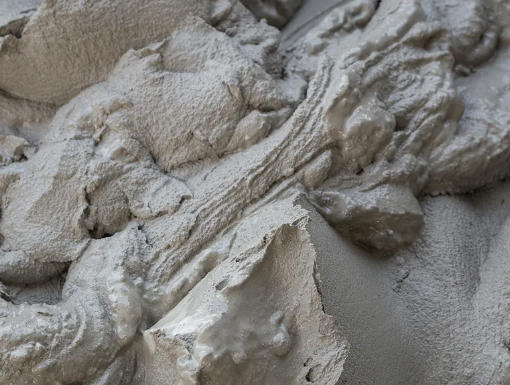
Low-viscosity grades provide higher flow and are used in self-leveling or pumpable mortars, while high-viscosity grades offer stronger thickening and anti-sag performance for tile adhesives and plasters.
HPMC forms a colloidal network that increases plastic viscosity and cohesion, slowing water migration and helping the mortar retain water for a longer time, which promotes more complete cement hydration.
Yes. Suitable HPMC grades are widely used in exterior renders, EIFS basecoats, and outdoor tile adhesives to enhance durability, adhesion, and resistance to weathering when properly formulated.
Most construction mortars use roughly 0.1–0.5% HPMC by weight of dry materials, with the exact level optimized based on binder type, climate conditions, and required performance.
HPMC powder should be dry-blended with cement, fillers, and other additives, then mixed with water at the job site using adequate agitation to ensure full dispersion and hydration, resulting in a homogeneous, lump-free mortar.
1. https://www.kdochem.com/news/understanding-the-different-hpmc-grades-and-their-applications.html
2. https://aoerfu-hpmc.com/construction-grade-hpmc-supplier-guide/
3. https://www.celotech.com/news/application-and-property-of-hpmc/
4. https://www.jinjichemical.com/news/the-comprehensive-hpmc-grade-classification-finding-the-best-fit/
5. https://pmc.ncbi.nlm.nih.gov/articles/PMC7372461/
6. https://tenessy.com/what-is-hpmc-structure-a-complete-guide-for-applications/
7. https://www.linkedin.com/pulse/how-hpmc-helps-improve-performance-mortar-plaster-rio-lee-jtypc
8. https://sdshengda.en.made-in-china.com
9. https://www.dysdfactory.com/aboutus/
10. https://wotaichem.com/hpmc-drymix-mortar/


