


close
Choose Your Site
Global
Social Media
Views: 222 Author: Rebecca Publish Time: 2026-02-01 Origin: Site


Content Menu
● What Is Hydroxypropyl Methylcellulose (HPMC)?
● Regulatory Safety Status: GRAS, ADI, and Global Approvals
>> Recognition by Major Regulatory Bodies
>> Acceptable Daily Intake (ADI) and Safety Margins
● How HPMC Behaves in the Body
>> Digestion, Absorption, and Excretion
>> Metabolic and Systemic Effects
● Is HPMC Safe in Pharmaceuticals and Dietary Supplements?
>> A Key Pharmaceutical Excipient
>> Safety in Medicines and Supplements
● Is HPMC Suitable for Vegetarians, Vegans, and People of Different Faiths?
● Potential Side Effects and Risk Groups
>> Commonly Reported Side Effects
>> Who Should Be More Cautious?
● HPMC vs Other Cellulose Ethers: Safety Snapshot
● How Manufacturers Ensure HPMC Safety and Quality
● Practical Guidance: Safe Use of HPMC in Food and Pharma Formulations
● When Should You Consult a Professional?
● Call to Action: Partner with a Reliable HPMC Manufacturer
● Frequently Asked Questions about HPMC Safety
>> Q1: Is hydroxypropyl methylcellulose safe to eat every day?
>> Q2: Can HPMC cause cancer or genetic damage?
>> Q3: Are HPMC vegetarian and vegan capsules really safer than gelatin capsules?
>> Q4: Does HPMC affect the absorption of medicines or nutrients?
>> Q5: What should I do if I suspect an allergy to HPMC‑containing products?
Hydroxypropyl methylcellulose (HPMC) is widely regarded as a safe multifunctional ingredient in pharmaceuticals, food, and construction when used within regulatory guidelines. Global authorities such as the FDA, EFSA, and JECFA classify HPMC as non‑toxic and “generally recognized as safe” (GRAS) at typical exposure levels.

Hydroxypropyl methylcellulose is a semi‑synthetic cellulose ether produced by chemically modifying purified plant‑based cellulose, usually derived from wood pulp or cotton linters. It combines methyl and hydroxypropyl substitution on the cellulose backbone, which gives HPMC excellent water solubility, film‑forming ability, and controlled viscosity.
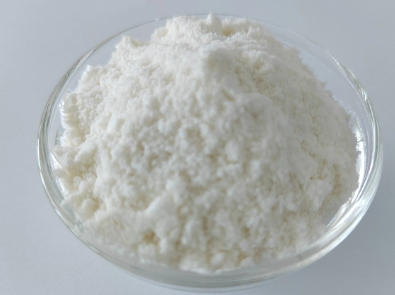
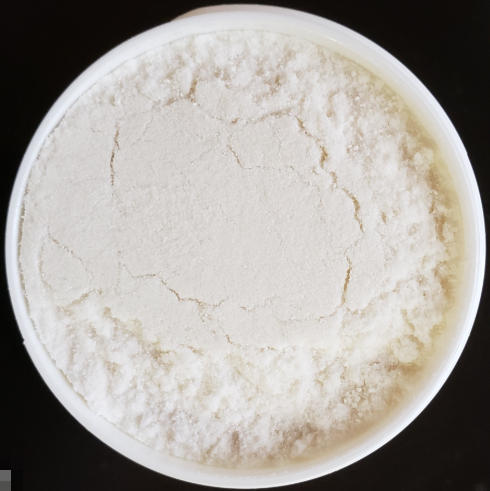
In industrial practice, HPMC appears as a white to off‑white, odorless, tasteless powder that swells in cold water to form clear or slightly opalescent solutions. Because it is chemically stable and resistant to light, heat, and atmospheric oxygen, it can be used in demanding processing conditions without degrading.
Multiple international agencies have independently evaluated HPMC and reached convergent safety conclusions.
- FDA (United States): HPMC is approved as a direct and indirect food additive and is listed under 21 CFR 172.874 as safe for specified uses in food. It is also recognized as GRAS when used according to good manufacturing practice.
- JECFA (FAO/WHO Joint Expert Committee on Food Additives): Concluded that HPMC presents no toxicological concern at typical intake levels.
- EFSA and EU authorities: Approve HPMC as a food additive and pharmaceutical excipient, considering it unlikely to pose any health risk under normal use.
- Other scientific assessments: Independent toxicology reviews describe HPMC as having a “clean” safety profile with very wide margins between typical human exposure and doses that show no adverse effects in animal studies.
Toxicological evaluations demonstrate a very high safety margin between experimental doses and real‑world consumption.
- A 90‑day rat feeding study identified a no‑observed‑adverse‑effect level (NOAEL) around 5000 mg/kg body weight/day for ingested HPMC.
- Some long‑term animal studies tolerated dietary HPMC at levels up to 5–10% of the diet, equivalent to roughly 9000–20,000 mg/kg bw/day, without evidence of carcinogenicity, mutagenicity, or reproductive toxicity.
- Estimated typical dietary exposure in humans is only about 0.047 mg/kg bw/day, which is far lower than conservative tolerable intake estimates.
- In several evaluations, committees have either set a very high ADI or declared an ADI “not specified”, a category reserved for additives with particularly low toxicological concern at normal use levels.
These data mean that in everyday food and pharmaceutical applications, actual intake is far below any level associated with adverse effects, providing a robust safety buffer.
HPMC is largely non‑digestible and behaves similarly to dietary fiber in the gastrointestinal tract.
- It is not significantly broken down by human digestive enzymes, so it passes through the GI tract mostly unchanged.
- Because it is highly hydrophilic, HPMC can increase viscosity of intestinal contents and modestly affect transit time, stool bulk, and satiety.
- Absorption into systemic circulation is minimal, and excreted material consists mainly of unchanged polymer, indicating no bioaccumulation in tissues.
Across multiple toxicology and clinical studies, HPMC shows no evidence of:
- Genotoxicity or mutagenicity.
- Carcinogenicity in long‑term animal studies.
- Reproductive or developmental toxicity at high experimental doses.
Because it is inert and non‑ionic, HPMC does not meaningfully interfere with normal biochemical pathways when used at common levels in food and medicines. This inertness is one reason why it has become a standard excipient in controlled‑release drug delivery systems.
Food‑grade HPMC is used in a wide range of processed foods as:
- A thickener and texture modifier in sauces, dressings, and dairy analogues.
- A stabilizer in frozen products and beverages, helping control ice crystal formation and phase separation.
- A fat replacer in reduced‑fat or vegan formulations due to its creamy mouthfeel.
- A film former and glazing agent for bakery items and confectionery, improving appearance and moisture retention.
In many formulations, it functionally acts like soluble fiber, improving texture and stability without adding digestible calories.
Key safety conclusions for food use include:
- Approved for use by major regulatory agencies in a broad range of food categories.
- Typical estimated intake for both adults and children remains well below levels associated with adverse effects.
- Human and animal studies show no meaningful toxicity even at doses far exceeding expected dietary exposure.
- Reported allergic reactions are rare and, when they occur, usually mild and reversible after discontinuation.
For consumers, this means that eating foods containing food‑grade HPMC is considered safe, provided products are manufactured under good manufacturing practice and applicable regulations.
In pharmaceuticals, HPMC, also known as hypromellose, is one of the most widely used excipients due to its versatility and safety.
Typical applications include:
- Matrix‑forming polymer for controlled‑release tablets.
- Film‑coating agent for tablets and capsules, improving swallowability and protecting the active ingredient.
- Capsule shell material in vegetarian capsules, replacing gelatin for plant‑based and religious‑compliance needs.
- Thickener and stabilizer in ophthalmic solutions, oral suspensions, and topical formulations.
Because HPMC is compatible with many active pharmaceutical ingredients and shows a favorable safety profile, it is a go‑to material in modern oral and oromucosal delivery systems.
Regulatory and scientific assessments highlight several safety aspects:
- Approved as a pharmaceutical excipient in major pharmacopeias and accepted by authorities worldwide.
- Non‑toxic and non‑immunogenic at the levels used in medicines.
- Clinical use in sustained‑release formulations shows good tolerability, including in chronic therapies requiring long‑term daily intake.
- Ophthalmic preparations containing hypromellose are used directly on sensitive eye tissues, further underscoring its benign safety profile.
For patients, the presence of HPMC on a medicine label typically indicates a functional excipient, not an active drug, and current data support its safe use in line with product directions.
HPMC is produced from plant‑derived cellulose and contains no animal‑derived proteins, fats, or gelatin. This makes it suitable for:
- Vegetarians and vegans.
- Consumers avoiding pork or beef‑derived gelatin for religious reasons.
- Markets demanding plant‑based, Halal, or Kosher‑compatible capsule and coating systems, subject to appropriate certification.
In capsule technology, HPMC has become a mainstream alternative to animal‑based gelatin, offering comparable mechanical properties and stability while aligning with plant‑origin preferences.
For the general population, side effects associated with HPMC are uncommon and usually mild.
Possible reactions include:
- Mild gastrointestinal discomfort, such as bloating, soft stools, or changes in bowel habits, when intake is suddenly increased.
- Rare cases of hypersensitivity or allergic‑type reactions such as rash, itching, or mild swelling.
- Local irritation, for example transient blurred vision or eye irritation, in some users of ophthalmic solutions with hypromellose.
When symptoms appear, they typically resolve after reducing or discontinuing exposure and, where appropriate, seeking medical advice.
While HPMC is safe for most consumers, the following groups should exercise additional caution or consult a healthcare professional:
- Individuals with a known history of sensitivity to cellulose derivatives.
- Patients on complex medication regimens where any change in gastrointestinal transit time could theoretically affect drug absorption, especially for narrow‑therapeutic‑index drugs.
- People with severe gastrointestinal diseases where any additional bulking or viscosity change might aggravate symptoms.
In these cases, personalized medical guidance is recommended before making major changes in intake of HPMC‑containing foods or supplements.
A brief comparison helps put HPMC in the context of related cellulose ethers that Shandong Shengda New Material Co., Ltd. also produces.
| Property / Aspect | HPMC (Hydroxypropyl Methylcellulose) | HEMC (Hydroxyethyl Methylcellulose) | HEC (Hydroxyethyl Cellulose) |
|---|---|---|---|
| Main origin | Plant‑based cellulose derivative, modified with methyl and hydroxypropyl groups | Plant‑based cellulose with methyl and hydroxyethyl substitution | Plant‑based cellulose with hydroxyethyl substitution only |
| Typical uses | Food, pharmaceutical excipient, construction additives, personal care | Construction, especially cement and gypsum, plus paints and personal care | Paints, coatings, personal care, detergents |
| Regulatory status | Widely approved in food and pharmaceutical applications with strong safety data | Approved for use in many non‑food applications with low toxicity | Widely accepted as a low‑toxicity thickener in industrial and household products |
| Digestibility | Non‑digestible, fiber‑like behavior | Essentially non‑digestible with low systemic absorption | Non‑digestible, acts as an inert polymer |
| Typical side effects | Rare gastrointestinal discomfort or mild hypersensitivity at high intakes | Very low incidence of adverse effects at normal use levels | Occasional mild irritation or sensitivity in high‑exposure industrial settings |
This table shows that HPMC sits within a broader family of low‑toxicity, plant‑based cellulose ethers, an important point for both safety communication and for understanding related products such as HEMC and HEC.
From an industry perspective, the safety of HPMC in end products is closely tied to manufacturing standards and quality control.
Key controls include:
- Raw material selection: Using high‑purity plant cellulose with strict limits on contaminants such as heavy metals, residual solvents, and microbial load.
- Process control: Validated production processes that ensure consistent substitution patterns, viscosity grades, and low residual reactants.
- Regulatory compliance testing: Routine analysis in line with pharmacopeial monographs and food additive specifications, including identity, purity, and functional performance tests.
- Traceability and documentation: Batch records, certificates of analysis, and regulatory dossiers that support audits and customer qualification.
For a manufacturer like Shandong Shengda New Material Co., Ltd., highlighting adherence to international standards such as ISO systems, food and pharma regulations, and, where applicable, GMP‑like management strongly reinforces trustworthiness and reliability.
To deliver safe and high‑performing products, formulators should follow several practical principles:
1. Respect regulatory limits and categories
Confirm that inclusion levels and product types align with regional regulations, such as 21 CFR in the United States, EU additive regulations, and local pharmacopeias.
2. Choose the right viscosity and substitution grade
Select viscosity grades and substitution patterns suitable for the intended function, for example tablet matrix, instant drink thickener, or cement water‑retention agent, as performance differences can affect user experience even when safety remains robust.
3. Validate interactions with other ingredients
Conduct compatibility and stability studies with active ingredients, other hydrocolloids, salts, and pH conditions to avoid unexpected changes in release profiles or texture.
4. Monitor consumer and patient feedback
Implement feedback and complaint‑tracking systems to detect any rare intolerance or unexpected reactions early, then adjust formulations if necessary.
5. Communicate clearly on labels and technical documents
Use straightforward ingredient naming and, where relevant, explain the plant‑based nature and functional role of HPMC to reduce consumer misunderstanding.
Although HPMC is considered safe for most uses, there are scenarios where professional advice is recommended:
- Consumers with chronic gastrointestinal diseases, severe allergies, or complex medication regimens who notice new symptoms after starting HPMC‑containing products should consult a physician.
- Food and supplement brands formulating high‑fiber or high‑HPMC products should work with regulatory or toxicology experts to confirm that cumulative intake remains within global safety benchmarks.
- Pharmaceutical developers designing high‑dose, long‑term controlled‑release therapies should involve formulation scientists and clinical pharmacologists to fully characterize pharmacokinetics and tolerability.
Clear, practical guidance like this supports responsible use and helps protect end‑users in sensitive groups.
If you are looking for a dependable, technically strong supplier of HPMC, HEMC, and HEC for food, pharmaceutical, personal care, or construction applications, Shandong Shengda New Material Co., Ltd. can support you with consistent quality and professional technical service. Our team can help you select the right cellulose ether grade, optimize your formulation for performance and safety, and provide complete documentation and samples to accelerate your product development. Contact us today to discuss your project, request detailed technical data sheets and certificates of analysis, and start building a long‑term partnership around safe, high‑quality cellulose ether solutions.
Contact us to get more information!
Yes. Current intake estimates for food‑grade HPMC are far below levels that caused no adverse effects in animal and human studies, and major authorities approve its daily use in a variety of foods when used as directed.
Available toxicology data show no evidence of carcinogenicity or genotoxicity, and evaluations by expert committees and regulatory bodies have not identified a cancer risk at normal use levels.
Both capsule types are considered safe when properly manufactured, but HPMC capsules are plant‑based and eliminate animal‑origin concerns while maintaining an excellent safety and performance profile, which is preferred by many consumers.
HPMC can be intentionally used to slow or modify drug release in controlled‑release formulations. At typical excipient levels, it is designed to deliver predictable absorption rather than harmful interference, though patients with special conditions should follow medical advice.
Stop using the suspected product and consult a healthcare professional, especially if you experience persistent rash, swelling, or breathing difficulty. Such reactions are rare but require proper medical evaluation.
1. https://hfpappexternal.fda.gov/scripts/fdcc/index.cfm?set=FoodSubstances&id=HYDROXYPROPYLMETHYLCELLULOSE
2. https://hfpappexternal.fda.gov/scripts/fdcc/index.cfm?set=grasnotices&id=190
3. https://pubmed.ncbi.nlm.nih.gov/17723258/
4. https://www.ecfr.gov/current/title-21/chapter-I/subchapter-B/part-172/subpart-I/section-172.874
5. https://www.kimacellulose.com/is-hydroxypropyl-methylcellulose-safe-to-eat.html
6. https://www.ihpmc.com/news/safety-of-hpmc-in-food-additives/
7. https://www.pharmaexcipients.com/news/hpmc-key-excipient/
8. https://www.meskajoinway.com/technical-blogs/why-can-food-grade-hpmc-be-safely-consumed/
9. https://www.foodnavigator.com/Article/2007/09/03/clean-safety-profile-for-hpmc-as-a-food-ingredient/
10. https://www.kimacellulose.com/a-detailed-analysis-of-the-safety-of-hydroxypropyl-methylcellulose-hpmc.html
11. https://www.ams.usda.gov/sites/default/files/media/Hydroxpropyl%20Methylcellulose%20TR.pdf
12. https://www.sciencedirect.com/science/article/abs/pii/S0168365920303229


