


close
Choose Your Site
Global
Social Media
Views: 222 Author: Rebecca Publish Time: 2026-02-01 Origin: Site


Content Menu
● What Is Hydroxyethyl Cellulose (HEC) In Skin Care?
● Is Hydroxyethyl Cellulose Safe For Skin?
● How Hydroxyethyl Cellulose Is Made
● Key Functions Of Hydroxyethyl Cellulose In Cosmetics
● Common Cosmetic And Personal Care Applications
>> Everyday Skin And Hair Care
● Beyond Cosmetics: Other Uses Of Hydroxyethyl Cellulose
● Does Hydroxyethyl Cellulose Benefit The Skin Directly?
● Safety, Irritation Risk, And Sensitive Skin
● Comparing HEC With Other Cellulose Ethers HPMC And HEMC
● How Hydroxyethyl Cellulose Improves User Experience
● Practical Formulation Tips For Using HEC
● Why Brands Choose Hydroxyethyl Cellulose Over Silicone Heavy Systems
● How Safe Is HEC Compared With “Scary Looking” Chemical Names
● When Should Consumers Be Cautious
● Why Hydroxyethyl Cellulose Is A Reliable Choice For Global Brands
● Work With A Professional Cellulose Ether Partner
● Frequently Asked Questions About Hydroxyethyl Cellulose In Skin Care
>> 1. Is hydroxyethyl cellulose harmful to the skin
>> 2. Does hydroxyethyl cellulose clog pores or cause acne
>> 3. Can hydroxyethyl cellulose be used in eye creams and eye makeup
>> 4. Is hydroxyethyl cellulose a natural ingredient
>> 5. Does hydroxyethyl cellulose provide moisture to the skin
When cosmetic chemists or skincare brands see hydroxyethyl cellulose (HEC) on an INCI list, the key questions are always the same: Is it safe, how does it behave in real formulas, and will it irritate users' skin. This comprehensive guide explains what hydroxyethyl cellulose is, how it works in formulations, what major safety bodies say about it, and how you can use it effectively in modern skincare and haircare products.

Hydroxyethyl cellulose is a non ionic, water soluble polymer derived from natural cellulose, the structural component found in most plants. It is produced by chemically modifying cellulose to create a smooth, clear gel that dissolves easily in water and improves the texture of liquid and semi solid products.
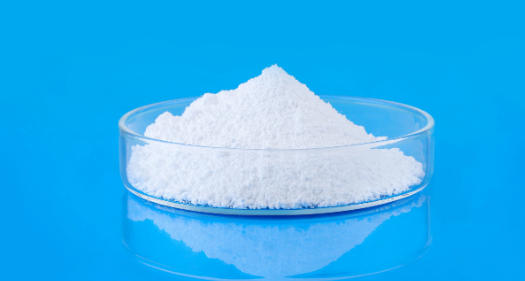
In its raw form, HEC appears as a white, odorless powder that hydrates in water to form a gel with a pH typically between 6.0 and 8.5, depending on the final formulation. Because it is non ionic and derived from plant based cellulose, it is generally less irritating than many synthetic rheology modifiers used in cosmetics.
Extensive industry use and safety assessments indicate that hydroxyethyl cellulose is considered safe for use on all skin types, including sensitive skin, when used as directed in cosmetic formulations. Cosmetic ingredient review panels and regulatory bodies regard HEC as a low risk ingredient with no known typical side effects at standard usage levels.
HEC does not function as an active treatment ingredient; instead, it works as a supporting functional polymer that improves feel, stability, and spreadability of products applied to the skin. In most users, it does not cause redness, burning, or stinging, and it is well tolerated even around delicate areas such as the eye contour when properly formulated.
Although it originates from plant cellulose, hydroxyethyl cellulose is created through a controlled lab based modification process. The cellulose is treated to change its structure so that it can form stable, clear gels suitable for cosmetics and many industrial uses.
Commercially, HEC is typically produced by reacting cellulosic sodium hydroxide with propylene oxide, yielding a hydroxyethylated polymer with defined viscosity and solubility profiles. This controlled chemistry ensures consistent quality, predictable rheology, and reliable performance from batch to batch for formulators.
In cosmetic and personal care formulations, hydroxyethyl cellulose is a multifunctional excipient rather than an active treatment agent. Its main roles include controlling viscosity, stabilizing emulsions or suspensions, and improving user experience during application.
The most important functions are:
- Thickener: Builds viscosity in aqueous systems for lotions, gels, cleansers, and shampoos, helping products feel more substantial and easier to control on the skin or hair.
- Gelling agent: Forms clear or slightly opaque gels that can carry hydrophilic actives in serums, masks, and eye products.
- Stabilizer: Helps maintain uniform distribution of pigments and actives, supporting product consistency and shelf stability.
- Texture enhancer: Provides a smooth, non sticky, non stringy texture that consumers associate with quality formulations.
Hydroxyethyl cellulose appears across a wide portfolio of personal care categories, from daily skin care to color cosmetics. Its compatibility with many other ingredients makes it a go to rheology modifier for formulators.
- Creams and lotions: HEC can support long lasting hydration by controlling water release and improving the sensory feel, making skin feel softer and smoother after application.
- Facial cleansers and shampoos: Used as a thickener to build viscosity in surfactant systems so the product dispenses cleanly, lathers pleasantly, and spreads evenly over skin or hair.
- Masks and serums: Provides a smooth gel base that carries humectants and actives while remaining easy to spread and rinse.
- Foundations and powders: As a gelling agent, HEC improves texture and dispersion of pigments, helping base makeup apply more evenly and wear longer on the skin.
- Lipsticks: Used as a stabilizer to help lip products maintain shape and texture during storage and use, resisting syneresis and texture breakdown.
- Eye creams and eye shadows: Enhances adhesion and spreadability, ensuring that delicate eye products apply smoothly without dragging and remain evenly distributed.
The same structural benefits that make HEC valuable in skincare also support a wide range of industrial and pharmaceutical applications. Its ability to modify viscosity, stabilize systems, and form clear gels is not limited to cosmetic formulations.
Hydroxyethyl cellulose is also used in:
- Oil drilling fluids, where it adjusts viscosity and helps suspend solids.
- Paints and coatings, improving flow, leveling, and stability.
- Certain oral medications, aiding in the controlled digestion or release of active ingredients.
These diverse uses further underline HEC's functional reliability and broad safety profile across industries.
Hydroxyethyl cellulose does not act as a traditional active ingredient such as a vitamin, peptide, or exfoliating acid. It does not directly brighten, firm, or exfoliate the skin in the way many performance actives do.
However, HEC can indirectly enhance skincare results by improving the delivery and usability of formulas. By creating smooth, creamy textures without relying on heavy silicones or waxes, it helps users spread products more evenly and comfortably, which can support better, more consistent application of the actual active ingredients in the formula.
According to cosmetic ingredient safety assessments, hydroxyethyl cellulose is considered safe for use in skin care and cosmetic products at typical inclusion levels. It has no commonly reported side effects in its usual cosmetic concentrations.
Because it is non ionic and derived from plant cellulose, HEC is regarded as low irritancy, even for sensitive or reactive skin types. While any cosmetic ingredient can theoretically cause a reaction in highly sensitive individuals, hydroxyethyl cellulose is not recognized as a high risk allergen and is widely used in eye creams, serums, and leave on products without documented widespread issues.
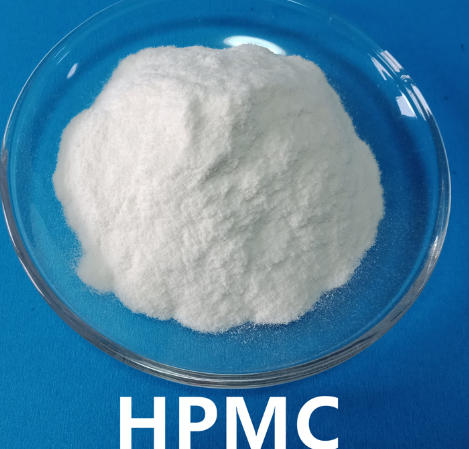
For formulators and purchasing teams, understanding how hydroxyethyl cellulose compares with other cellulose ethers like HPMC Hydroxypropyl Methyl Cellulose and HEMC Hydroxyethyl Methyl Cellulose is crucial when selecting the right rheology modifier for a given project.
| Property / Aspect | Hydroxyethyl Cellulose HEC | Hydroxypropyl Methyl Cellulose HPMC | Hydroxyethyl Methyl Cellulose HEMC |
|---|---|---|---|
| Primary origin | Modified plant cellulose. | Modified plant cellulose | Modified plant cellulose |
| Ionic character | Non ionic. | Non ionic | Non ionic |
| Typical role in cosmetics | Thickener, gelling agent, stabilizer. | Film former, thickener, binder | Thickener, stabilizer, emulsifier |
| Solubility | Water soluble, forms clear gels. | Water soluble, forms films | Water soluble, supports emulsions |
| Sensory profile | Soft, smooth gel, non sticky. | Slight film feel, good for long lasting effects | Creamy viscosity, good emulsion stability |
| Typical applications | Lotions, cleansers, masks, eye products. | Long wear cosmetics, controlled release systems | Creams, body lotions, shampoos |
For a manufacturer offering HEC, HPMC, and HEMC, this range provides flexible options for brands looking to fine tune viscosity, film formation, stability, and sensorial profile across product lines.
From a consumer perspective, the value of hydroxyethyl cellulose is immediately noticeable in how a product feels and behaves on the skin and hair. Formulas using HEC as a key rheology modifier often feel smoother, more elegant, and easier to apply.
HEC helps products:
- Glide evenly without dragging or pilling on the skin.
- Maintain a creamy, uniform texture from the first pump to the last use in the bottle.
- Spread actives uniformly, supporting consistent coverage.
- Avoid the heavy, occlusive feel that can occur with certain silicones or wax heavy bases.
This improved sensorial profile can also increase perceived product quality and encourage better compliance with daily routines, especially for textures like gel creams, light lotions, and eye gels.
When integrating hydroxyethyl cellulose into a new or existing formula, experienced chemists follow several best practices to achieve target viscosity, stability, and clarity. These general guidelines help make the most of HEC's performance characteristics.
1. Hydration and dispersion
- Pre disperse HEC in part of the water phase under good agitation to avoid clumping and ensure uniform hydration.
- Allow sufficient time for full swelling to reach the final viscosity profile.
2. pH window
- Keep finished product pH within the typical range around 6.0 to 8.5 associated with HEC to support optimal clarity, stability, and skin compatibility.
3. Compatibility checks
- Evaluate HEC interaction with surfactants, electrolytes, and preservatives used in the formula to confirm stable viscosity and appearance over the product's shelf life.
4. Texture targeting
- Select the appropriate HEC grade based on desired viscosity, from low viscosity fluids to rich gels, and on the target rheology behavior, from pourable to pumpable or jar textures.
Many modern skincare and haircare brands seek to reduce reliance on heavy silicones without sacrificing slip and spreadability. Hydroxyethyl cellulose can help bridge this gap by creating silky, silicone free or silicone reduced textures that still feel comfortable and refined on the skin.
By combining HEC with humectants, emollients, and light esters, formulators can design modern, clean label textures that satisfy both consumer sensorial expectations and regulatory or marketing requirements. This makes HEC particularly attractive for brands focused on gentle, plant inspired, or minimalist ingredient lists.
Consumers often react emotionally to long, technical sounding ingredient names, even when these substances are benign and extensively tested. Hydroxyethyl cellulose is a classic example of an ingredient that may sound intimidating but performs a simple, safe function in the formula.
Unlike strong acids or active drug ingredients, HEC does not penetrate deeply or biochemically alter the skin. It stays mainly at the surface level, helping to structure the formula and support a pleasant feel, which is one reason it is widely used in eye products and daily use skincare without serious safety concerns.
For the vast majority of users, hydroxyethyl cellulose in cosmetics does not present a specific safety concern. However, standard skincare caution still applies.
Consumers should:
- Patch test new products if they have a history of sensitivity or allergies.
- Discontinue use and consult a professional if persistent irritation occurs, even though HEC itself is not commonly implicated as a primary irritant.
In practice, if a product causes irritation, it is more likely due to preservatives, fragrances, acids, or actives, rather than hydroxyethyl cellulose, which functions as a neutral structural polymer.
Hydroxyethyl cellulose has been used in skincare and cosmetics for decades, with a strong track record in both mass market and professional formulas. Manufacturers value its predictable behavior, broad compatibility, and alignment with consumer expectations for gentle, plant derived ingredients.
For global brands, the benefits include:
- Consistent quality and viscosity across large production batches.
- Flexible application in skincare, haircare, and color cosmetics.
- A safety and regulatory profile that supports international distribution in multiple markets.
For suppliers specializing in cellulose ethers such as HEC, HPMC, and HEMC, this makes hydroxyethyl cellulose a cornerstone material in a modern formulation portfolio.
If your brand or laboratory is developing next generation skincare, haircare, or cosmetic formulas and needs reliable hydroxyethyl cellulose, HPMC, or HEMC solutions, partnering with an experienced cellulose ether manufacturer is essential. A technical partner can support you with grade selection, formulation guidance, and stable global supply tailored to your target applications.
Whether you are optimizing the viscosity of a facial cleanser, upgrading the texture of a body lotion, or replacing heavy silicones in a gel cream, our expert team can help you identify the most suitable cellulose ether system for your project. Contact us today to discuss your formulation requirements, request samples and technical data sheets, and explore how high quality HEC, HPMC, and HEMC can enhance the performance and consumer appeal of your product range.
Contact us to get more information!
In standard cosmetic usage levels, hydroxyethyl cellulose is not considered harmful and is regarded as safe for all skin types, including sensitive skin. It primarily functions as a thickener and stabilizer rather than an active irritant or treatment agent.
HEC is a non occlusive, water soluble polymer and is not typically associated with pore clogging. It mainly structures the water phase and does not behave like heavy oils or waxes that can contribute to comedogenicity.
Yes. Because of its gentle profile and ability to improve adhesion and spreadability, hydroxyethyl cellulose is commonly used in eye creams, eye gels, and eye shadows without widespread reports of irritation. As always, final product safety depends on the full formulation.
HEC is derived from natural cellulose but undergoes chemical modification in the lab to create a more functional, water soluble polymer. It can be described as a cellulose based or plant derived functional ingredient rather than a raw, unmodified natural extract.
On its own, HEC is not a traditional humectant like glycerin or hyaluronic acid. However, it can support a hydrating feel by structuring water rich formulas and helping them spread evenly, which may enhance the perceived moisturization from other hydrating ingredients in the formula.


