


close
Choose Your Site
Global
Social Media
Views: 222 Author: Rebecca Publish Time: 2026-01-31 Origin: Site


Content Menu
● What Is Hydroxyethyl Cellulose in Skincare?
● Is Hydroxyethyl Cellulose Safe for Skin?
>> Regulatory and expert safety assessments
>> Tolerance on different skin types
● What Does Hydroxyethyl Cellulose Do for Skin?
>> 1. Thickener and viscosity controller
>> 2. Stabilizer and suspension agent
>> 3. Film‑forming and moisture retention support
>> 4. Sensory and slip enhancer
● Does Hydroxyethyl Cellulose Treat Skin Problems?
● Benefits of Hydroxyethyl Cellulose for Different Skin Types
>> Normal and combination skin
>> Sensitive and reactive skin
● Common Skincare and Cosmetic Uses of HEC
● How Hydroxyethyl Cellulose Compares to Other Cellulose Ethers (HPMC, HEMC, HEC)
>> Functional comparison in cosmetics
● Practical Formulation Tips: How HEC Affects Skin Feel and Performance
>> 1. Molecular weight and grade selection
>> 2. Synergy with humectants and emollients
>> 3. Irritation mitigation in active formulas
● Environmental and Sustainability Aspects
● How Consumers Can Use Products Containing HEC Safely
● Where Hydroxyethyl Cellulose Shines for Brands and Buyers
● FAQs About Hydroxyethyl Cellulose and Skin
>> 1. Is hydroxyethyl cellulose safe for sensitive skin?
>> 2. Does hydroxyethyl cellulose clog pores or cause acne?
>> 3. Is hydroxyethyl cellulose a natural ingredient?
>> 4. Can hydroxyethyl cellulose be used in both leave‑on and rinse‑off products?
>> 5. What is the difference between hydroxyethyl cellulose and hyaluronic acid for skin?
Hydroxyethyl cellulose (HEC) is generally considered safe and skin‑friendly when properly formulated, and it plays an important functional role in modern skincare, especially for sensitive skin and gentle, high‑performance textures.

Hydroxyethyl cellulose (HEC) is a water‑soluble polymer derived from plant cellulose that is used as a multifunctional helper ingredient in skincare and cosmetics. It belongs to the family of modified cellulose derivatives that have been extensively reviewed for cosmetic safety. The Cosmetic Ingredient Review (CIR) Expert Panel has concluded that hydroxyethyl cellulose and related cellulose polymers are safe as used in cosmetics under current usage conditions.
Because HEC is non‑ionic and compatible with a wide range of actives, it is widely used in creams, lotions, gels, cleansers, serums, sunscreens, and hair care products. In these formulas, its primary role is not to “treat” the skin directly, but to optimize texture, stability, and the overall user experience.
The Cosmetic Ingredient Review (CIR) has assessed hydroxyethyl cellulose and a broad group of modified cellulose polymers and concluded they are safe as cosmetic ingredients in the present practices of use and concentration. Safety studies on cellulose derivatives show they are practically nontoxic, with no significant systemic toxicity, reproductive, or developmental effects at tested doses.
Dermal and ocular irritation tests indicate that cellulose derivatives, including HEC, are non‑irritating to slightly irritating to skin and minimally irritating to eyes, even at relatively high concentrations. This evidence supports that hydroxyethyl cellulose is safe for leave‑on and rinse‑off products when used at normal cosmetic levels.
Most cosmetic reviews describe HEC as non‑irritating, non‑sensitizing, and hypoallergenic at typical use levels. Its non‑ionic nature and inert profile mean it does not react strongly with skin proteins or active ingredients in a way that would commonly trigger allergies.
- Sensitive skin: HEC is considered suitable for sensitive and compromised skin because it is mild and helps reduce the irritation potential of other ingredients.
- Acne‑prone skin: It is generally non‑comedogenic and does not clog pores, making it appropriate for many acne‑prone users when the overall formula is well designed.
- Baby and delicate skin: Due to its low irritation profile, HEC is also used in products for delicate areas and baby‑care formulations.
As with any cosmetic ingredient, individuals with extremely reactive skin should still perform a patch test before using a new product.
Hydroxyethyl cellulose is a multifunctional texture and performance enhancer in skincare rather than a classical active ingredient. It does not directly target wrinkles, spots, or other specific conditions, but it greatly supports how a product feels and behaves on the skin.
HEC is widely used as a thickener and rheology modifier to build viscosity and create stable gels and creams. It helps formulas such as lotions, serums, gels, and cleansers achieve a smoother, more luxurious texture that spreads evenly on the skin.
By controlling viscosity, it also improves:
- Product stability and resistance to phase separation in emulsions.
- Application control, so products do not run or drip.
- Sensory feel, from watery gel to rich cream, depending on concentration and grade.
In emulsions and suspensions, HEC acts as a stabilizer and suspension agent. It supports long‑term homogeneity so actives, pigments, or exfoliating particles stay evenly distributed. This is especially important in serums with pigments, exfoliants, or sunscreen filters where even distribution is critical for performance.
Hydroxyethyl cellulose can form a thin, flexible, transparent film on the skin surface that helps reduce transepidermal water loss. While HEC is not a strong humectant by itself, this film supports short‑term moisture retention and enhances the comfort and softness of the skin after product application.
When combined with humectants such as glycerin and hyaluronic acid, HEC helps lock these ingredients in place on the skin, improving the overall hydrating effect of the formulation.
HEC contributes to a silky, smooth, non‑greasy feel in many oil‑free or low‑oil formulas. Its gel‑forming ability improves slip and glide during application, and it can make products feel lighter and less sticky compared with some other thickeners.
Consumers often perceive products containing HEC as more elegant, easy to spread, and pleasant to use, which directly enhances user experience and product loyalty.
Hydroxyethyl cellulose is considered an inactive or functional ingredient, not a biologically active treatment. It does not directly target wrinkles, pigmentation, acne, or inflammation. Its benefits come from supporting the delivery, stability, and tolerability of active ingredients.
However, this supportive role is important in practice:
- By forming a smooth film and ensuring even distribution, HEC may help actives work more consistently across the skin surface.
- By moderating the intensity of exfoliating acids or retinoids in a formula, it can reduce irritation while preserving efficacy.
In other words, hydroxyethyl cellulose helps other active ingredients perform better and more comfortably, even though it is not the main hero active on its own.
For normal and combination skin, HEC provides pleasant texture in daily moisturizers and gels. It helps maintain a balanced feel, neither too heavy nor too watery, especially in modern gel‑cream formulas.
For dry and dehydrated skin, HEC contributes to moisture retention through its film‑forming properties. It enhances the performance of humectants and emollients in dry‑skin formulas, helping the skin feel softer and more comfortable after application.
In products for oily and acne‑prone skin, HEC enables oil‑free gel textures that feel fresh and non‑greasy. It is generally considered non‑comedogenic, making it suitable for lightweight, acne‑friendly formulations when the overall system is carefully designed.
For sensitive and reactive skin, HEC is valued for its low‑irritation and low‑sensitization profile. It helps buffer the sensation of stronger actives, supporting gentler formulations that are less likely to sting or burn upon application.
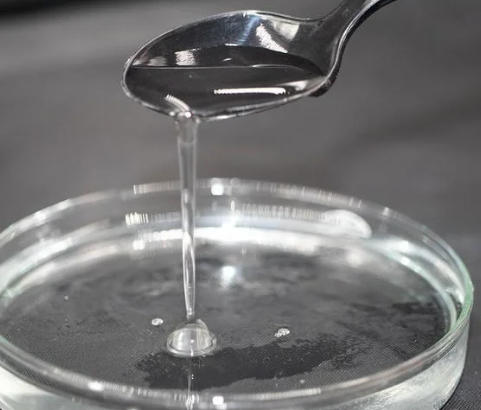
Hydroxyethyl cellulose appears in a wide variety of skincare and personal care products. Typical product types include:
- Facial cleansers and body washes: Thickens the formula, stabilizes foam, and improves spreadability.
- Creams and lotions: Helps build viscosity and stabilize emulsions for a uniform, smooth texture.
- Hydrating gels and serums: Creates clear or translucent gels with a light, refreshing feel.
- Sunscreens: Assists in suspending UV filters and ensuring even coverage across the skin.
- Color cosmetics such as foundations, mascaras, and eye shadows: Acts as a film‑former and stabilizer, improving wear and application.
- Hair care products: Provides hold and reduces stickiness in shampoos, conditioners, and styling gels, indirectly benefiting scalp comfort.
Hydroxyethyl cellulose belongs to a broader family of cellulose ethers that also includes hydroxypropyl methyl cellulose (HPMC) and hydroxyethyl methyl cellulose (HEMC). All three are used in personal care, but they offer slightly different performance profiles.
| Cellulose ether | Typical cosmetic roles | Texture feel on skin | Main skin‑related benefit | Safety profile |
|---|---|---|---|---|
| Hydroxyethyl Cellulose (HEC) | Thickener, stabilizer, film‑former, suspension agent | Light, smooth, non‑greasy gel feel | Supports moisture retention, enhances distribution of actives, reduces irritation potential | Safe as used in cosmetics; low irritation and low sensitization in tests |
| Hydroxypropyl Methyl Cellulose (HPMC) | Viscosity control, film‑forming in creams, masks, and topical gels | Can build richer, more cushiony textures | Forms flexible films, helps long‑lasting wear and uniform coverage | Included in safety assessments of cellulose polymers with favorable profile |
| Hydroxyethyl Methyl Cellulose (HEMC) | Thickener and stabilizer in personal care emulsions | Similar to HPMC but with different hydration and salt‑tolerance behavior | Enables stable emulsions under varied formulation conditions | Assessed within the broader group of modified cellulose polymers with good tolerance |
For skincare formulators, choosing between HEC, HPMC, and HEMC often depends on target viscosity, clarity, salt tolerance, and desired sensory profile. All three share a strong safety record in cosmetics and can be tailored for specific applications.
From a formulator's point of view, hydroxyethyl cellulose is a high‑control texture tool that allows precise tuning of product feel and performance.
Higher‑molecular‑weight HEC grades produce thicker gels and more structure, suitable for rich creams and stable suspensions. Lower‑molecular‑weight grades offer lighter, more fluid textures that work well in serums, sprays, and low‑viscosity lotions.
Combining HEC with glycerin, propanediol, or hyaluronic acid yields formulas that feel more cushioned and hydrating. In emulsions, HEC can support or partially replace gums to achieve better spreadability and less stringiness, which improves overall user perception.
In products with acids, retinoids, or other high‑strength actives, HEC helps create a gentler matrix that can reduce the immediate sensation of irritation without necessarily lowering active concentration. This allows brands to deliver effective formulas that still feel comfortable on the skin.
These formulation advantages ultimately translate into better skin tolerance, improved routine compliance, and higher repurchase rates for skincare products that rely on HEC.
Hydroxyethyl cellulose is produced from plant‑derived cellulose, and the resulting polymer is biodegradable under typical environmental conditions. Compared with some purely synthetic polymers, this makes HEC an attractive choice for brands that care about ingredient origin and end‑of‑life impact.
Many personal care companies favor cellulose derivatives because they combine reliable performance with a biobased background. Regulatory and safety organizations continue to monitor cellulose derivatives, but current data support their use in environmentally conscious cosmetic formulations.
For everyday users, hydroxyethyl cellulose does not require special handling beyond normal skincare good practices.
1. Check the full ingredient list
Sensitive users should pay more attention to actives such as acids, fragrances, and preservatives than to HEC, which is generally low‑risk. It can still be useful to understand that HEC mainly affects texture and stability.
2. Patch test new products
Applying a small amount of a new product to the inner arm or behind the ear once daily for several days is a simple way to confirm there is no unexpected reaction.
3. Pair with appropriate actives
Products containing HEC work especially well in hydrating and barrier‑supporting routines, particularly when they include humectants, soothing agents, and barrier lipids.
4. Storage and hygiene
Because HEC‑thickened products are typically water‑rich, they should be properly preserved and stored as directed on the packaging. Reputable brands follow formulation standards that ensure both safety and stability.
For professional buyers, formulators, and OEM or ODM customers, HEC offers both technical and commercial advantages. It delivers versatile performance in skin, hair, and cleansing products, with a long history of safe use and broad regulatory acceptance.
Hydroxyethyl cellulose is compatible with a wide range of actives, surfactants, and emollients, which simplifies formulation work across different product lines. Its plant‑derived origin and biodegradability also support brands that want to align their ingredient choices with sustainability and “cleaner label” positioning.
For manufacturers of cellulose ethers, highlighting high‑purity HEC grades specifically optimized for cosmetic and personal care applications can strongly appeal to global skincare and personal‑care brands looking for reliable, skin‑friendly rheology solutions.
If you are developing or upgrading skincare, personal‑care, or cosmetic formulas and need consistent texture control with excellent skin tolerance, we can help you choose the right cellulose ether for your project. As a professional manufacturer of hydroxyethyl cellulose (HEC), hydroxypropyl methyl cellulose (HPMC), and hydroxyethyl methyl cellulose (HEMC), we provide tailored grade recommendations, technical support for lab trials and scale‑up, and stable global supply. Contact our technical team today to discuss your formulation needs and request samples of our cosmetic‑grade cellulose ethers for your next high‑performance skincare line.
Contact us to get more information!
Yes. Hydroxyethyl cellulose is generally considered non‑irritating and non‑sensitizing at typical cosmetic levels, and safety assessments show cellulose derivatives are at most slightly irritating to skin even at relatively high concentrations. However, people with very reactive skin should still patch test any new product before full‑face use.
Hydroxyethyl cellulose is generally regarded as non‑comedogenic, meaning it is unlikely to clog pores when used in well‑balanced formulas. Breakouts are more often linked to the overall formulation, occlusive lipids, or fragrance than to HEC itself.
Hydroxyethyl cellulose is a chemically modified derivative of natural cellulose obtained from plant sources. While it is not “raw” natural material, it is biobased and biodegradable, which makes it attractive for many brands that wish to reduce reliance on purely synthetic polymers.
Yes. Hydroxyethyl cellulose is widely used in leave‑on products such as moisturizers, serums, and makeup, as well as in rinse‑off products like cleansers and shampoos. Its safety profile and functional versatility support both application types.
Hydroxyethyl cellulose is a functional polymer that mainly thickens, stabilizes, and forms a film, indirectly supporting hydration and comfort. Hyaluronic acid is a bioactive humectant that binds water in the skin; the two are often used together, with HEC helping to create a stable, pleasant texture that delivers hyaluronic acid more comfortably.
1. https://www.cosmeticsinfo.org/ingredient/hydroxyethylcellulose/
2. https://www.cir-safety.org/ingredient/hydroxyethylcellulose
3. https://formunova.com/our-ingredients/hydroxyethylcellulose/
4. https://www.hpmc.com/company-news/is-hydroxyethyl-cellulose-harmful-to-the-skin.html
5. https://tenessy.com/is-hydroxyethylcellulose-safe-for-skin/
6. https://tenessy.com/hydroxyethyl-cellulose-uses-in-cosmetics/
7. https://www.paulaschoice-eu.com/hydroxyethylcellulose/ingredient-hydroxyethylcellulose.html
8. https://www.specialchem.com/cosmetics/inci-ingredients/hydroxyethylcellulose


