

close
Choose Your Site
Global
Social Media


Content Menu
● Regulatory Safety Status of HPMC
● Toxicological Safety of HPMC
● How HPMC Behaves in the Body
● Is HPMC Safe in Pharmaceuticals?
● Is HPMC Safe in Cosmetics and Personal Care?
● Is HPMC Safe in Construction and Industrial Applications?
● Grades and Viscosity of HPMC and Their Safety Implications
● Potential Benefits of HPMC for Digestive Health
● Can HPMC Cause Side Effects?
● Who Should Be Cautious with HPMC?
● Best Practices for Using HPMC Safely
● FAQ
>> 2. Is HPMC safe for daily use in medicines?
>> 3. Is HPMC safe for people with diabetes or weight-management needs?
>> 4. Can HPMC cause allergies or intolerances?
>> 5. Is HPMC safe to handle in construction materials?
Hydroxypropyl methylcellulose (HPMC) is widely regarded as a safe, versatile cellulose ether used in food, pharmaceuticals, cosmetics, and various industrial applications when it is applied within established regulatory limits. Its safety profile is supported by extensive toxicological data, decades of commercial use, and clear approvals from major health and food safety authorities around the world.

HPMC is a nonionic cellulose ether produced by chemically modifying natural plant-derived cellulose with methyl and hydroxypropyl groups. Through this modification, HPMC gains excellent water solubility, thickening capacity, film-forming ability, and stability, making it suitable for many types of formulations. Because it originates from plant cellulose, HPMC is classed as a semi-synthetic polymer and is distinct from petrochemical-based synthetic polymers.
In the market, HPMC is also known as hypromellose and is commonly used as a functional ingredient rather than an active substance. It appears in ingredient lists for foods, medicines, supplements, and personal care products, often labeled as “hydroxypropyl methylcellulose” or the additive code E464 in regions that use E-number labeling. Its plant origin means HPMC fits vegetarian, vegan, halal, and kosher product concepts when manufactured under appropriate standards.
The safety of HPMC is strongly supported by its regulatory status in multiple jurisdictions. Different agencies have evaluated HPMC through toxicology data, exposure assessments, and real-world usage patterns before permitting its use.
In the United States, the Food and Drug Administration (FDA) has approved HPMC as both a direct and indirect food additive. It appears in official databases of food substances and is accepted in a variety of applications, from coatings to stabilizers. Internationally, the Joint FAO/WHO Expert Committee on Food Additives (JECFA) has evaluated HPMC and allocated an acceptable daily intake (ADI) of “not specified,” which is reserved for substances with very low toxicity at expected levels of intake. In the European Union, HPMC is assigned the additive number E464 and is authorized for use in specified food categories.
National standards such as China's GB2760 also list HPMC as a permitted food additive for products including capsule shells, noodles, low-fat foods, dairy analogs, and frozen products, with clearly defined scopes of use and maximum dosages. This harmonized global recognition reflects a broad scientific consensus that HPMC, when used according to regulations, does not pose a hazard to consumer health.
Toxicological testing provides a systematic way to evaluate whether a substance such as HPMC is safe for human use. These studies examine acute, subchronic, and chronic effects, as well as special endpoints such as carcinogenicity, genotoxicity, and reproductive toxicity.
Animal studies show that HPMC has extremely low acute oral toxicity, with very high LD50 values that place it in a practically non-toxic category. Long-term feeding studies in animals, where HPMC was incorporated into the diet at several percent of total intake, did not reveal evidence of carcinogenic, mutagenic, or teratogenic effects. Organs and tissues remained healthy even at doses far exceeding typical human exposure.
Because HPMC is not readily absorbed in the gastrointestinal tract, systemic exposure is minimal. Toxicology evaluations also demonstrate no significant effects on blood chemistry, organ weights, or histopathology at high dose levels. For regulators, this body of data supports the conclusion that normal dietary and pharmaceutical exposure to HPMC is far below any threshold that would cause concern, leading to favorable classifications such as “ADI not specified” and broad approvals.
One of the reasons HPMC is considered safe is its inert behavior in the human digestive system. HPMC is a high-molecular-weight polymer, and the human body lacks enzymes that can efficiently break down its cellulose ether backbone. As a result, HPMC is not significantly digested or absorbed and passes through the gastrointestinal tract largely unchanged.
Functionally, HPMC behaves like a form of dietary fiber. It can increase fecal bulk and water content and may gently promote intestinal motility. Studies have shown that HPMC can modulate the intestinal environment by increasing fecal excretion of bile acids and fats and by altering the water content of the stool. Some research suggests that HPMC can influence the composition and activity of the gut microbiota, indicating that it is not completely inert with respect to intestinal microbes. These effects may contribute to improvements in parameters such as bowel regularity and, in certain experimental models, lipid metabolism.
Because HPMC is not absorbed as glucose or other nutrients, it does not contribute to caloric intake and does not raise blood sugar levels. This property makes HPMC suitable for use in low-calorie, sugar-free, and diabetic-friendly formulations, where it can provide texture, stability, and mouthfeel without adding digestible carbohydrates.
HPMC is widely used as a multifunctional food additive. In processed foods, it acts as a thickener, stabilizer, emulsifier, and film-forming agent. Typical food applications include sauces, dressings, dairy alternatives, bakery products, noodles, low-fat spreads, dessert formulations, and frozen foods. In many cases, HPMC helps maintain texture and stability when fat is reduced or eliminated, making it valuable for “light” or “reduced-fat” foods.
In addition, HPMC is used in vegetarian and vegan capsule shells as a replacement for animal-derived gelatin. It can also be used to form protective coatings for confectionery, nuts, and dietary supplements, improving shelf life and appearance. Because it is tasteless and odorless, HPMC does not interfere with flavor profiles and is considered a neutral functional component.
Food safety assessments review both the toxicological data and estimated daily intakes in the general population. These assessments show that typical intake levels of HPMC from food are much lower than doses used in animal studies and remain comfortably within safety margins. Human studies and post-market surveillance have not revealed consistent patterns of adverse health effects associated with normal consumption of HPMC-containing foods. For healthy consumers, eating foods that contain HPMC as a permitted additive is considered safe when producers comply with legal limits and manufacturing standards.
In pharmaceuticals, HPMC is one of the most important excipients used in solid and liquid dosage forms. It is a key component in many modern oral, ophthalmic, and topical formulations.
In tablets, HPMC serves as a binder and matrix-forming polymer. Different viscosity grades of HPMC are used to design immediate-release, sustained-release, and controlled-release formulations. The ability of HPMC to form hydrated gels when in contact with aqueous media allows it to modulate the rate at which an active pharmaceutical ingredient is released. In coatings, HPMC forms smooth, protective films around tablets, improving swallowability, masking taste, and enhancing stability.
HPMC is also a popular shell material for hard capsules and some soft capsules marketed as vegetarian or vegan. In ophthalmic preparations, HPMC is used in eye drops as a lubricant and viscosity enhancer to prolong contact time on the eye surface. It appears as an excipient in mouthwashes, nasal sprays, and topical gels as well.
Pharmacopoeias such as the USP and EP include monographs for HPMC, specifying purity, viscosity, and substitution parameters for pharmaceutical-grade material. Regulatory agencies have reviewed the toxicology data and clinical experience associated with HPMC and concluded that it is safe when used as an excipient. Decades of routine use in prescription and over-the-counter medicines support its good tolerability and low incidence of adverse reactions directly attributable to HPMC.
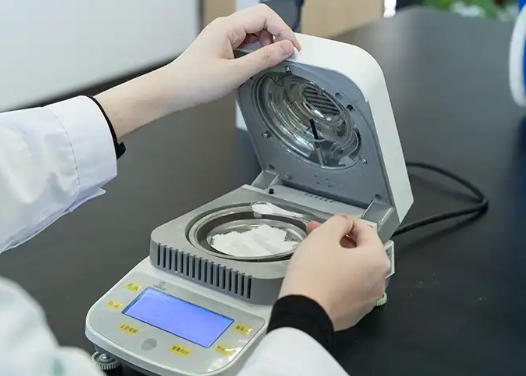
HPMC is used in cosmetic and personal care formulations primarily as a thickener, film-former, stabilizer, and rheology modifier. It helps adjust viscosity in lotions, creams, gels, shampoos, conditioners, and facial masks. By forming clear or slightly opaque films, HPMC can improve the feel and performance of hair styling products and skin-care formulations.
Safety assessments in the cosmetic sector show that HPMC is generally non-irritating and non-sensitizing when used at typical concentrations. Its long molecular structure and lack of significant skin penetration contribute to this favorable profile. While any ingredient can cause reactions in extremely sensitive individuals, HPMC is not considered a common allergen in personal care use. Cosmetic companies still perform patch tests and stability studies when developing new products, but HPMC is usually viewed as a mild and dependable polymer for skin and hair applications.
For consumers, the presence of HPMC on an ingredient list for a shampoo, serum, cream, or styling product is not generally a cause for concern. People with very reactive skin may wish to patch test any new product, but HPMC itself is not regarded as a high-risk ingredient.
Beyond food, pharmaceuticals, and cosmetics, HPMC is widely used in construction and industrial products. In cement-based mortars, tile adhesives, plasters, putties, and self-leveling compounds, HPMC serves as a water-retaining agent, thickener, and workability enhancer. It improves open time, adhesion, sag resistance, and overall performance of cementitious systems.
In these applications, the main safety issues relate to occupational handling of HPMC powder and HPMC-containing dry mixes. The polymer itself shows very low systemic toxicity, but fine powders can cause temporary mechanical irritation if inhaled or if dust contacts the eyes. For this reason, safety data sheets recommend measures such as local exhaust ventilation, dust masks or respirators, safety goggles, and appropriate workplace hygiene.
Once mixed with water, cement, and other ingredients, HPMC becomes part of a hardened matrix and no longer poses dust-related risks. As long as users follow standard construction safety guidelines, HPMC in industrial products does not present systemic health hazards to workers or building occupants.
HPMC is produced in multiple grades that differ in viscosity, substitution level, and purity, each optimized for particular applications. Viscosity is one of the most important parameters. Low-viscosity grades flow more easily and are used where minimal thickening is desired, such as in certain coatings, adhesives, and low-viscosity pharmaceutical solutions. Medium-viscosity grades are widely used in tablets, capsules, and some food and cosmetic systems where a balance of flow and gel strength is needed. High-viscosity grades are preferred for products requiring strong thickening or water retention, including tile adhesives, mortars, and controlled-release tablets.
These differences in viscosity primarily affect performance rather than fundamental toxicological properties. All reputable grades designed for food, pharmaceutical, or cosmetic use must meet relevant purity specifications, including limits for residual solvents, heavy metals, microbial contamination, and physical properties. When users select HPMC, they should match the viscosity grade and quality standard (such as food-grade or pharmaceutical-grade) to the intended application and regulatory framework. Used appropriately, all these grades share the same core safety profile.
Although HPMC is usually described as an inert excipient or additive, its fiber-like nature can offer some secondary digestive benefits under certain conditions. As a non-digestible polymer, HPMC can increase stool bulk and water content, which may support regular bowel movements in some individuals. Studies on nonfermentable dietary fibers such as HPMC suggest that supplementation may modulate intestinal microbiota composition and influence metabolic markers in experimental models.
In some human and animal studies, HPMC supplementation has been associated with improvements in parameters related to cholesterol and postprandial insulin, as well as changes in weight gain patterns when combined with specific diets. While these findings are still an area of ongoing research, they reinforce the view that HPMC behaves similarly to other dietary fibers in the gut. These metabolic effects are typically observed at higher intake levels than ordinary dietary exposure, and they do not change the conclusion that HPMC is safe when used at normal food and supplement levels.
Despite its excellent safety record, HPMC, like any substance, can occasionally cause minor side effects in some individuals or under particular conditions. The most common issues are gastrointestinal and are usually linked to high intake levels, especially in supplement form.
Because HPMC acts like fiber, consuming large amounts in a short time may lead to bloating, gas, abdominal discomfort, or changes in stool consistency, such as softer stools or mild diarrhea. These effects are usually self-limiting and tend to subside as the body adapts or when intake is reduced. People who are not used to eating much fiber may be more susceptible to these transient symptoms.
Allergic reactions to HPMC are considered rare. There are isolated case reports of hypersensitivity reactions associated with complex formulations that contain HPMC, but it is often difficult to attribute such events solely to HPMC instead of other excipients or active substances. In general practice, HPMC is not viewed as a common allergen.
In industrial settings, occupational exposure to airborne HPMC dust can cause temporary mechanical irritation of the respiratory tract, nose, throat, and eyes. Standard protective measures such as dust masks, goggles, and good ventilation help prevent these issues. Once HPMC is incorporated into wet formulations or solid products, dust exposure is greatly reduced.
For most healthy people, normal exposure to HPMC in foods, medicines, cosmetics, and industrial environments is not a concern. However, some groups may wish to be more cautious and consult professionals when they anticipate high exposure or unusual sensitivity.
Individuals with known sensitivities to cellulose derivatives or excipients should talk to healthcare providers before taking high-dose HPMC-containing supplements or medications. People with certain digestive disorders may need to manage total fiber-like intake, including HPMC, to prevent discomfort or changes in bowel patterns. If HPMC-containing products seem to cause persistent gastrointestinal issues, medical advice can help determine whether HPMC or another component is responsible.
Workers who handle large quantities of HPMC powder, such as in construction material plants or chemical processing facilities, should follow the occupational health recommendations in product safety data sheets. These guidelines typically cover engineering controls, personal protective equipment, and appropriate handling procedures to keep dust and contact exposure within safe limits.
Safe use of HPMC comes down to good product design, regulatory compliance, and proper handling in each sector. Manufacturers and formulators should:
- Use food-grade HPMC that complies with national and international standards when formulating edible products and beverages.
- Select pharmaceutical-grade HPMC conforming to recognized pharmacopoeias (such as USP or EP) for tablets, capsules, controlled-release systems, and ophthalmic or other medical preparations.
- Apply good manufacturing practices (GMP) to control purity, viscosity, moisture content, microbial levels, and substitution patterns in every batch of HPMC.
- Match viscosity grade and substitution type to the intended application so that performance and safety requirements are simultaneously satisfied.
- Follow safety data sheet recommendations in industrial and construction environments, including dust control, ventilation, and use of personal protective equipment for workers.
Specialized manufacturers such as Shandong Shengda New Material Co., Ltd., who focus on cellulose ethers including HPMC, HEMC, and HEC, can support safe application by offering technical guidance, customized grades, and documentation for regulatory and quality audits. When end users rely on high-quality HPMC and adhere to official guidelines, the ingredient can be used confidently in a wide variety of products.
Overall, HPMC has an excellent safety profile across food, pharmaceutical, cosmetic, and industrial applications. It is derived from plant cellulose, shows very low toxicity in animal and human studies, and is not significantly digested or absorbed in the human body, functioning instead like a fiber-like polymer. Major regulatory organizations worldwide have carefully evaluated HPMC and concluded that it is safe when used within established limits.
From food thickeners and vegetarian capsules to tablet coatings, eye drops, and construction materials, HPMC plays a critical functional role while maintaining a wide safety margin. Consumers, healthcare professionals, and manufacturers can regard HPMC as a reliable, low-risk ingredient, provided it is sourced from reputable producers and used according to regulatory standards and best practices.
Yes, HPMC is considered safe to eat at the levels used in foods. It is approved as a food additive by authorities in many countries and regions and is assigned the code E464 in the European Union. It functions as a thickener, stabilizer, and film-former and behaves like a non-digestible fiber in the digestive tract. For most people, normal dietary exposure from foods that contain HPMC does not pose a health risk.
HPMC is widely used every day as a pharmaceutical excipient in tablets, capsules, and liquid preparations, including eye drops. Regulatory agencies and pharmacopoeias recognize HPMC as a suitable excipient with a long history of safe use. Clinical experience and post-marketing data indicate that HPMC is generally well tolerated, and side effects specifically attributable to HPMC are rare. Patients can safely take medicines that contain HPMC as an excipient, provided they follow medical advice and product directions.
HPMC is not digested or absorbed as sugar and does not raise blood glucose levels, making it compatible with diabetes-friendly and weight-management formulations. Because HPMC behaves like a non-caloric fiber, it can contribute to a feeling of fullness and help adjust texture without adding digestible carbohydrates. People with diabetes or weight-management goals typically can consume HPMC-containing products as part of an overall balanced plan, though personal dietary advice from healthcare professionals is always recommended.
Allergic reactions to HPMC are uncommon, and HPMC is generally considered to have low allergenic potential. However, as with any ingredient, individual sensitivities are possible. In some cases, high intakes of HPMC may cause digestive discomfort such as bloating, gas, or changes in stool consistency because it acts like fiber. If a person suspects that a product containing HPMC is causing symptoms, they should stop using it and seek medical evaluation to identify the cause.
HPMC is safe in construction materials when handled correctly. In powder form, it can generate dust that may temporarily irritate the eyes, nose, throat, or lungs if inhaled in high amounts. Workers should use appropriate personal protective equipment, such as dust masks, goggles, and gloves, and ensure good ventilation during mixing and handling. Once incorporated into wet mixes and hardened building materials, HPMC no longer presents a dust hazard or systemic toxicity risk.
1. https://hfpappexternal.fda.gov/scripts/fdcc/index.cfm?set=grasnotices&id=190
2. https://hfpappexternal.fda.gov/scripts/fdcc/index.cfm?set=FoodSubstances&id=HYDROXYPROPYLMETHYLCELLULOSE
3. https://pubmed.ncbi.nlm.nih.gov/17723258/
4. https://www.ecfr.gov/current/title-21/chapter-I/subchapter-B/part-172/subpart-I/section-172.874
5. https://www.ihpmc.com/news/safety-of-hpmc-in-food-additives/
6. https://www.meskajoinway.com/technical-blogs/why-can-food-grade-hpmc-be-safely-consumed/
7. https://www.kemoxcellulose.com/is-hydroxypropyl-methylcellulose-safe/
8. https://www.kimacellulose.com/a-detailed-analysis-of-the-safety-of-hydroxypropyl-methylcellulose-hpmc.html
9. https://www.kimacellulose.com/is-hydroxypropyl-methylcellulose-safe-to-eat.html
10. https://www.foodnavigator.com/Article/2007/09/03/clean-safety-profile-for-hpmc-as-a-food-ingredient/
11. https://pmc.ncbi.nlm.nih.gov/articles/PMC12196896/
12. https://pubmed.ncbi.nlm.nih.gov/23154883/
13. https://www.meskajoinway.com/technical-blogs/how-to-choose-the-right-grade-of-hpmc-for-pharmaceutical-applications/
14. https://www.kimacellulose.com/what-are-the-different-grades-of-hpmc.html
15. https://wotaichem.com/hpmc-grades-breakdown/
16. https://www.meskajoinway.com/technical-blogs/is-hpmc-safe-for-human-use/


