


close
Choose Your Site
Global
Social Media


Content Menu
● Chemical Structure and Properties of HPMC
>> Understanding biodegradation
>> Biodegradability of HPMC in principle
>> Two‑stage biodegradation process
>> Role of environmental conditions
● Environmental Impact of HPMC
>> Renewable origin and low toxicity
>> Production‑phase considerations
● Applications Where HPMC Biodegradability Matters
>> Pharmaceuticals and healthcare
>> Construction and industrial uses
>> Advanced HPMC‑based materials
● Factors Affecting the Biodegradation Rate of HPMC
● HPMC in Sustainable Design and Packaging
● FAQ
>> 1. Is HPMC fully biodegradable in all environments?
>> 2. How long does it take for HPMC to biodegrade?
>> 3. Does chemically modifying cellulose to make HPMC reduce its biodegradability?
>> 4. Is HPMC safe for the environment when used in pharmaceuticals and foods?
>> 5. How can manufacturers improve the sustainability of HPMC products?
Hydroxypropyl methylcellulose (HPMC) is widely regarded as a biodegradable, cellulose‑based polymer, but its actual biodegradation behavior depends strongly on environmental conditions and product formulation. Understanding how and when HPMC is biodegradable is essential for users in construction, pharmaceuticals, food, cosmetics, and other industries that care about sustainability, safety, and end‑of‑life performance.

HPMC (hydroxypropyl methylcellulose) is a non‑ionic cellulose ether produced by chemically modifying natural cellulose derived mainly from plant sources such as wood pulp. In the manufacturing process, purified cellulose reacts with chemicals like methyl chloride and propylene oxide to introduce methyl and hydroxypropyl groups onto the cellulose backbone, creating HPMC with improved solubility, stability, and functional performance. Because HPMC retains the original cellulose skeleton while gaining new substituent groups, it combines the renewable origin of cellulose with versatile properties in many industrial formulations.
HPMC is water‑soluble and forms clear solutions or gels in cold water, which makes it especially useful as a thickener, binder, stabilizer, film‑former, and protective colloid. Due to its non‑toxic nature and favorable regulatory status, HPMC is widely used in pharmaceuticals, foods, cosmetics, detergents, construction mortars, tile adhesives, and many other products where safety and processability are critical. These diverse applications mean that questions about whether HPMC is biodegradable and environmentally friendly are increasingly important for regulators, manufacturers, and end‑users.
HPMC is derived from cellulose, which is composed of linear chains of anhydroglucose units linked by β‑1,4‑glycosidic bonds. In HPMC, some of the hydroxyl groups on the cellulose backbone are substituted by methoxy (–OCH₃) and hydroxypropoxy (–OCH₂CHOHCH₃) groups. These substitutions disrupt the extensive hydrogen bonding network present in native cellulose and significantly improve the solubility and dispersion of HPMC in water.
The degree of substitution and the ratio between methoxy and hydroxypropoxy groups strongly influence key HPMC properties such as viscosity, gelation temperature, and film‑forming ability. By carefully controlling these parameters, manufacturers can tailor HPMC grades for specific applications in tablets, capsules, food coatings, tile adhesives, self‑leveling compounds, and many other systems. Despite these chemical modifications, the fundamental polysaccharide backbone remains similar to cellulose, which is the main reason HPMC maintains inherent biodegradability.
Because HPMC is non‑ionic, it is compatible with many other components including salts, surfactants, and other polymers. This broad compatibility, combined with its excellent solution behavior and film‑forming properties, explains why HPMC has become one of the most widely used cellulose ethers worldwide. At the same time, its cellulose origin and structural similarity to natural polymers provide a foundation for its biodegradation in suitable environments.
Biodegradability refers to the ability of a substance to be broken down by microorganisms, such as bacteria, fungi, and algae, into simpler compounds like water, carbon dioxide, methane (under anaerobic conditions), and biomass. For polymers like HPMC, biodegradation usually involves an initial breakdown of the polymer chains into smaller fragments, followed by microbial metabolism of these fragments until they are fully mineralized.
In practice, biodegradability is often evaluated under standardized test conditions that simulate soil, compost, freshwater, or marine environments. These tests measure parameters such as carbon dioxide evolution, oxygen consumption, or changes in molecular weight to determine how quickly and how completely a material like HPMC degrades.
Because HPMC is derived from cellulose, it has an inherently biodegradable backbone that microorganisms can recognize and attack with cellulase enzymes. The β‑1,4‑glycosidic linkages connecting the glucose units in HPMC can be cleaved by enzymes similar to those that act on natural cellulose and other polysaccharides. As a result, HPMC is generally considered biodegradable under appropriate environmental conditions where such microorganisms are present.
Studies and industrial experience show that HPMC can biodegrade in soil and aquatic environments when sufficient microorganisms, moisture, and oxygen are available, although the exact rate depends on conditions like temperature, pH, and the physical form of the product. Under favorable conditions, microorganisms gradually cleave the glycosidic bonds of the HPMC chain, process the resulting sugars and oligomers, and convert them into harmless metabolic products such as carbon dioxide, water, and biomass.
Scientific literature and industry reports describe HPMC as a benign, biodegradable polymer that offers an eco‑friendlier profile compared with many fully synthetic plastics. Unlike persistent petro‑based polymers, HPMC does not accumulate indefinitely; instead, it can be integrated into natural carbon cycles once it has degraded. However, its biodegradation must still be evaluated realistically, because factors like product thickness, formulation, and environmental parameters strongly influence how fast HPMC breaks down in real‑world settings.
The biodegradation of HPMC can broadly be divided into two major stages: hydrolytic breakdown and microbial degradation.
In the first stage, water penetrates the HPMC structure and may gradually hydrolyze susceptible bonds or promote swelling that exposes more of the polymer chain. The presence of methoxy and hydroxypropoxy groups increases the hydrophilicity of HPMC, allowing water to diffuse into films, coatings, or gels more readily compared with many hydrophobic polymers. As HPMC swells, mechanical and chemical processes can produce lower‑molecular‑weight fragments such as oligomers and soluble polysaccharides.
In the second stage, microorganisms in soil, compost, or aqueous environments produce cellulases and related enzymes that further decompose these HPMC fragments. Through enzymatic reactions and cellular respiration, the fragments are converted into carbon dioxide, water, and biomass under aerobic conditions. Under anaerobic conditions, different microbial communities may convert HPMC‑derived substrates into methane, carbon dioxide, and other products. The overall pathway resembles the biodegradation of other cellulose‑based materials, though the rate and intermediate steps can differ due to the chemical substitutions in HPMC.
HPMC biodegradation is strongly controlled by environmental variables:
- Moist environments with rich microbial activity and sufficient oxygen, such as compost or fertile soil, promote faster breakdown.
- Temperature affects both microbial growth and enzyme activity; moderate temperatures generally favor biodegradation, while very low or high temperatures slow the process.
- pH influences enzyme activity and microbial community structure; extremely acidic or alkaline conditions can hinder HPMC biodegradation compared with neutral or near‑neutral environments.
- The presence of nutrients, competing substrates, and other organic matter also affects how actively microorganisms attack HPMC.
The physical form and concentration of HPMC play an important role. Thick films, dense coatings, high‑viscosity gels, or HPMC trapped inside mineral matrices degrade more slowly because microorganisms and oxygen have limited access to the interior. By contrast, thin layers, surface coatings, or dilute residues of HPMC in soil or wastewater are more accessible and tend to degrade more quickly.
When HPMC is blended with other materials, such as plasticizers, fillers, or hydrophobic polymers, these additives can either promote or slow biodegradation. Plasticizers may increase flexibility and water uptake, enhancing microbial accessibility, whereas hydrophobic polymers or dense inorganic fillers can reduce water diffusion and protect HPMC from enzymatic attack. Therefore, each specific HPMC‑based formulation used in construction, pharmaceuticals, or packaging may show a different biodegradation profile, even though the base polymer is biodegradable.
HPMC starts from cellulose, which is a renewable resource typically sourced from wood pulp. Compared with many petrochemical polymers, this gives HPMC a more favorable origin in terms of dependence on fossil resources. When combined with responsible forestry and sustainable raw‑material sourcing, HPMC can contribute to lower long‑term resource depletion.
In use, HPMC is considered non‑toxic and safe, and it has been approved as an excipient or additive by major regulatory authorities for pharmaceutical and food applications. This regulatory acceptance reflects its low toxicity and good tolerability in humans and animals. When HPMC degrades, the resulting breakdown products are simple organic molecules that microorganisms can assimilate without releasing persistent or highly toxic residues.
Because of its biodegradability and low toxicity, HPMC is frequently mentioned as a promising material for sustainable films, coatings, and composites in applications such as food packaging and agricultural products. HPMC‑based films can provide barriers and mechanical integrity while still having the potential to break down over time, providing an alternative to conventional plastic films that may remain in the environment for decades.
Although HPMC itself is biodegradable and derived from cellulose, the production process has its own environmental impact that must be managed carefully. Traditional HPMC manufacturing depends on wood pulp, and large‑scale use of wood pulp can contribute to deforestation and habitat loss if raw materials are not sourced from responsibly managed forests. Certifications, sustainable forestry standards, and chain‑of‑custody systems are therefore important tools for improving the environmental profile of HPMC.
The chemical modification of cellulose into HPMC uses reagents such as methyl chloride and propylene oxide, which are typically derived from fossil resources. These chemicals require energy‑intensive manufacturing processes and can pose environmental and safety risks if not handled correctly. Energy use, emissions, and waste streams from HPMC production need to be addressed through process optimization, emission control technologies, and efficient waste treatment.
Life‑cycle assessments of HPMC production highlight energy consumption, water use, and chemical emissions as key impact categories. Many producers are working to improve sustainability by using cleaner energy sources, refining reaction conditions to reduce by‑products, recycling process water where feasible, and implementing advanced treatment systems for liquid and gaseous effluents. When manufacturers adopt such measures, the overall environmental profile of biodegradable HPMC becomes more favorable, aligning product performance with climate and resource protection goals.
In the pharmaceutical industry, HPMC is widely used as a film‑coating polymer, matrix former for controlled‑release tablets, binder, thickener, and capsule shell material. It provides robust, flexible films that protect active ingredients, control drug release, and improve patient compliance. As a hydrophilic polymer, HPMC swells in contact with gastrointestinal fluids and can form gel layers that control the diffusion of active substances.
Oral dosage forms that use HPMC as an excipient do not rely on environmental biodegradability in the same way that packaging does, but the fact that HPMC is non‑toxic and ultimately biodegradable supports its safety when products and residues enter sewage and solid waste streams. After use, HPMC residues in wastewater are gradually broken down by microorganisms in sewage treatment plants and natural water bodies.
HPMC is also used in ophthalmic formulations, topical gels, and other healthcare products where its viscosity‑modifying and film‑forming properties are beneficial. In these applications, its biocompatibility, low irritation potential, and degradability are significant advantages.
In the food sector, HPMC serves as a thickener, stabilizer, and emulsifier in products such as sauces, dressings, bakery items, and frozen desserts. It can help control texture, freeze‑thaw stability, and moisture retention. HPMC is sometimes used to create vegetarian or vegan alternatives to gelatin, enabling the development of plant‑based foods with desirable mouthfeel and structure.
HPMC can also form edible or semi‑edible films and coatings on fruits, vegetables, confectionery, and other foods. These films can help retain moisture, carry active components like antioxidants or antimicrobials, and improve appearance. When food waste coated with HPMC is discarded into compost or landfill environments that have active microbial communities, the HPMC component can gradually biodegrade alongside the organic food matter.
In personal care and household products, such as shampoos, lotions, toothpastes, and liquid detergents, HPMC functions as a rheology modifier and film‑former. Its biodegradability is especially relevant because such products are typically washed down the drain in large quantities. A polymer like HPMC that can be broken down in wastewater treatment systems is preferable to persistent synthetic polymers that may accumulate in aquatic environments.
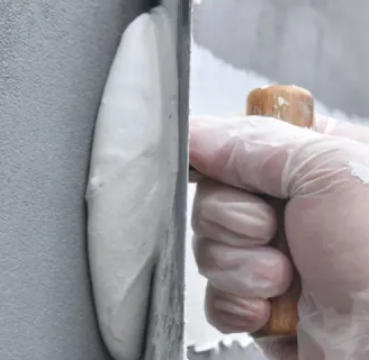
In construction materials, HPMC is a key additive in cement‑based mortars, tile adhesives, plasters, putties, and self‑leveling compounds, where it improves water retention, workability, open time, and adhesion. Even at low dosages, HPMC significantly affects the performance and consistency of these dry‑mix products.
The main environmental advantage of HPMC in construction is not only biodegradability but also performance enhancement. HPMC improves the quality of mortar and adhesive layers, which can lead to better durability, fewer failures, and reduced material waste over the life of a building. After demolition, however, HPMC is embedded in mineral matrices, and its direct biodegradation is much less visible than in soil or compost because microorganisms have limited access. Still, the presence of HPMC does not introduce hazardous long‑term residues into demolition waste.
In industrial applications beyond construction, HPMC is used in ceramics, paints, inks, agricultural formulations, and specialty coatings. In each case, its solubility, thickening behavior, and film‑forming properties can be leveraged, while its biodegradability and low toxicity support a more positive environmental profile than many conventional synthetic thickeners.
Researchers are also developing HPMC‑based biodegradable composites and functional materials, such as flexible substrates for eco‑friendly electronics, controlled‑release matrices for agrochemicals, and smart packaging systems. By combining HPMC with fillers, biopolymers, or nanoparticles, it is possible to tailor the mechanical, barrier, and electrical properties of the resulting materials.
These advanced HPMC systems aim to offer high performance while maintaining the potential for degradation at the end of their service life. For example, flexible electronic components built on HPMC‑based substrates can, in principle, degrade more readily than those built on conventional polyester or polyimide films. As regulations and consumer expectations push for more sustainable products, the inherent biodegradability of HPMC is likely to become even more valuable.
The following key factors determine how quickly HPMC biodegrades in real environments:
- Temperature: Moderate temperatures favor microbial growth and enzyme activity. Very low temperatures slow down HPMC biodegradation, while extreme heat can inactivate microorganisms or dry out the environment, also reducing degradation rates.
- Moisture and oxygen: Adequate moisture is essential because HPMC must swell and interact with water to become accessible to microorganisms. Oxygen availability is critical for aerobic biodegradation; moist, aerated soil or compost typically supports faster degradation than dry or oxygen‑poor settings.
- Microbial population: Biodegradation depends on the presence of microorganisms capable of producing cellulases and other enzymes that can attack HPMC. Environments rich in such microbes, such as active compost or biologically fertile soil, lead to quicker breakdown.
- pH level: Neutral or near‑neutral pH generally supports a diverse microbial community and efficient enzymatic activity. Extremely acidic or alkaline conditions can inhibit both microorganisms and the enzymes responsible for HPMC degradation.
- Concentration and thickness: High concentrations of HPMC, thick films, and dense coatings slow biodegradation because diffusion of water and oxygen into the bulk material is limited. Thin layers or low‑concentration residues are more easily accessed and attacked by microorganisms.
- Formulation and additives: Plasticizers, fillers, pigments, and blending polymers influence the morphology and hydrophilicity of the final product. Formulations that remain hydrophilic and porous generally promote faster biodegradation, while highly hydrophobic blends or tightly packed composites may delay or reduce degradation.
Because of these factors, two different HPMC products can exhibit very different biodegradation behaviors, even though both use the same basic polymer. For example, a thin HPMC‑based food coating in an industrial composting facility may degrade relatively quickly, while a small percentage of HPMC inside a dense cement mortar may degrade very slowly or only partially over long periods.
As concern about plastic pollution increases, HPMC is gaining attention as a candidate for more sustainable coatings, films, and barrier layers that can replace or supplement conventional plastics in certain uses. HPMC films can provide transparency, flexibility, and moderate barrier properties to gases and oils, allowing them to function as protective layers on food, paper, or biodegradable substrates.
HPMC can be combined with other bio‑based materials such as starch, chitosan, or polylactic acid to form composite films with improved mechanical strength and controlled permeability. Nanoparticles and natural fibers can also be used as reinforcements. By tuning the formulation, it is possible to design HPMC‑based structures that balance shelf‑life requirements, mechanical performance, and biodegradation rate.
In agricultural applications, HPMC‑based coatings or delivery systems can encapsulate fertilizers, pesticides, or beneficial microbes and release them slowly into the soil. Over time, the HPMC matrix can gradually degrade, leaving behind nutrients and active agents while minimizing residual synthetic polymers in the environment. This approach supports the broader drive toward more sustainable and efficient agricultural practices.
For brand owners and manufacturers, incorporating HPMC into packaging and coatings can support environmental claims when backed by appropriate testing and certifications. Clear communication about disposal routes, such as composting guidelines or instructions for industrial treatment, helps ensure that biodegradable HPMC products realize their potential benefits instead of ending up in unsuitable environments.
HPMC is a cellulose‑derived polymer that is generally considered biodegradable, thanks to its natural backbone and susceptibility to microbial attack in appropriate environments. Its biodegradation proceeds through water‑driven swelling and fragmentation followed by microbial digestion, leading ultimately to simple, non‑toxic products that can be assimilated into natural carbon cycles.
Environmental conditions such as temperature, moisture, oxygen levels, microbial populations, and pH, as well as product‑specific factors like thickness, concentration, and formulation, strongly influence how fast HPMC actually biodegrades in practice. While the polymer itself offers clear environmental advantages over many synthetic plastics, responsible sourcing of cellulose and sustainable HPMC production methods are essential to minimize the overall environmental footprint.
For industries ranging from pharmaceuticals and food to construction, agriculture, and advanced electronics, using HPMC allows manufacturers to combine functional performance with improved sustainability compared with many conventional alternatives. When properly designed and used in suitable applications, HPMC‑based products can contribute to a more circular and environmentally conscious materials economy.
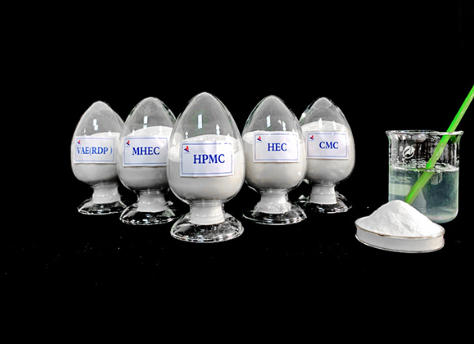
HPMC is inherently biodegradable, but it does not degrade at the same rate or to the same extent in every environment. In moist, oxygen‑rich conditions with active microbial populations, such as compost or fertile soil, HPMC can undergo substantial biodegradation over time. In dry, cold, or oxygen‑poor conditions, or when HPMC is locked inside dense matrices like concrete, the process can be much slower and less complete. Therefore, biodegradability claims for HPMC products should always be interpreted in the context of specific disposal conditions and test results.
There is no single universal timeframe for HPMC biodegradation because the rate depends on environmental conditions and product design. Under well‑controlled aerobic conditions with sufficient moisture, oxygen, and microbial activity, thin films or dilute residues of HPMC may degrade on the order of weeks to months. In less favorable settings, such as low temperatures, limited oxygen, or thick, highly concentrated layers or composites, the process may take much longer. For accurate data, manufacturers typically rely on standardized biodegradation tests that specify conditions and duration.
Chemical modification introduces methoxy and hydroxypropoxy groups onto the cellulose backbone, which dramatically changes solubility and functional properties but does not eliminate the underlying polysaccharide structure. Microorganisms that produce cellulases can still attack the cellulose chain in HPMC, so the polymer remains biodegradable, although the rate and mechanism can differ from unmodified cellulose. In some cases, increased hydrophilicity may even facilitate water penetration and the initial stages of degradation. Overall, HPMC is recognized as a cellulose‑based polymer that maintains inherent biodegradability despite its substitutions.
HPMC is considered non‑toxic and has a long history of use as an excipient in pharmaceuticals and as an additive or processing aid in foods. Regulatory approvals in these sectors indicate that HPMC is safe at the levels used. When products containing HPMC enter wastewater or solid waste streams, the polymer can gradually biodegrade under suitable conditions in treatment plants or the environment. Because HPMC is used in relatively small quantities and breaks down into simple organic molecules, its environmental burden is generally much lower than that of many persistent synthetic polymers.
Manufacturers can improve the sustainability of HPMC products by focusing on both production practices and product design. On the production side, using responsibly sourced cellulose, optimizing energy and water use, implementing cleaner chemical technologies, and ensuring rigorous treatment of emissions and waste are key steps. On the product side, formulating HPMC systems that remain hydrophilic and accessible to microorganisms, minimizing non‑degradable additives, and targeting applications where composting or biological treatment is realistic can enhance the overall environmental performance. Clear communication with customers and end‑users about proper disposal routes is also essential to ensure that biodegradable HPMC products deliver their intended benefits.


