


close
Choose Your Site
Global
Social Media
Views: 222 Author: Rebecca Publish Time: 2026-01-31 Origin: Site


Content Menu
● What Is Hydroxypropyl Methylcellulose (HPMC) in Food?
● Key Functional Properties of HPMC in Food
>> Emulsifying and Fat‑Mimicking
>> Water Retention and Texture Improvement
● Main Food Applications of HPMC
>> 1. Bakery and Gluten‑Free Products
>> 2. Dairy, Ice Cream, and Frozen Desserts
>> 3. Beverages and Nutritional Drinks
>> 4. Meat and Plant‑Based Meat Products
>> 5. Confectionery, Candy Coatings, and Desserts
>> 6. Ready‑to‑Eat and Instant Foods
● Safety, Regulations, and Intake Considerations
>> Recommended Use and Possible Side Effects
● Practical Formulation Tips for Food Manufacturers
● Emerging Trends: HPMC in Health‑Oriented Foods
● Why Work with a Professional HPMC Manufacturer (Shandong Shengda New Material)
● Take the Next Step with Shandong Shengda New Material
● FAQs About HPMC in the Food Industry
>> 1. Is hydroxypropyl methylcellulose safe to eat?
>> 2. Does HPMC change the taste of food?
>> 3. Can HPMC help improve gluten‑free bread quality?
>> 4. What types of foods commonly contain HPMC?
>> 5. How should manufacturers select the right HPMC grade for food?
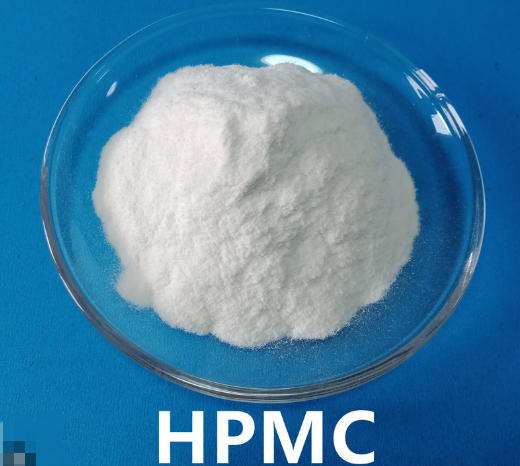
Hydroxypropyl methylcellulose (HPMC) is a water‑soluble cellulose ether obtained by chemically modifying natural plant cellulose. In the food industry, it is used as a multifunctional additive that can thicken, stabilize, emulsify, form films, and retain water in a wide range of products. Because HPMC is virtually tasteless and odorless, it improves texture and stability without changing the original flavor profile of the food.
From a regulatory point of view, food‑grade HPMC is approved as a generally recognized as safe (GRAS) additive in several major markets. It is accepted by authoritative organizations and included in relevant regulations for direct and indirect food use. This combination of performance and safety has made HPMC one of the important functional ingredients behind many modern processed and functional foods.
HPMC shows strong thickening power even at low addition levels, which helps increase viscosity and create a smooth, uniform mouthfeel. In sauces, salad dressings, soups, and ready‑to‑eat meals, it stabilizes dispersed particles and minimizes phase separation during shelf life. This is especially valuable in low‑fat formulations, where HPMC compensates for the viscosity and body that would otherwise be provided by fat.
Although HPMC is not a classical surfactant, it acts as a stabilizing emulsifier by forming a protective colloid around oil droplets, helping to reduce coalescence and creaming. In cream, ice cream, coffee whiteners, and flavored beverages, this property helps maintain a stable, homogeneous emulsion without oiling‑off. In reduced‑fat products, HPMC can mimic the lubricity and mouthfeel of fat, enabling calorie reduction without a significant loss in sensory quality.
HPMC forms uniform, transparent edible films that adhere well to many food surfaces. Applied as a coating on confectionery, baked goods, nuts, or dehydrated products, these films can reduce moisture loss, delay oxidation, and improve gloss and appearance. In some applications, HPMC films also work as oil or gas barriers, supporting shelf‑life extension and reducing stickiness.
Due to its ability to bind large amounts of water and create a hydrated gel network, HPMC significantly improves water retention in doughs, batters, and meat systems. In bread, cakes, and gluten‑free formulations, this leads to higher oven spring, softer crumb, and delayed staling. In meat products, better water binding reduces cooking loss, enhances juiciness, and stabilizes shape and sliceability.
In conventional and gluten‑free bakery, HPMC is widely used as a structure‑builder and freshness extender. It improves dough handling, supports gas retention during proofing and baking, and helps create a uniform crumb structure with fine, even pores. In gluten‑free recipes where wheat proteins are absent, HPMC partially replaces gluten's viscoelastic function, improving loaf volume, slice integrity, and chewiness.
Typical benefits in bakery include:
- Increased loaf volume and better oven spring.
- Softer, moister crumb over a longer shelf life.
- Reduced crumbling in sliced bread and cakes.
- Improved freeze–thaw stability in frozen dough or par‑baked products.
In dairy systems such as yogurt, cream, and cheese sauces, HPMC supports both thickening and emulsion stability. It helps prevent syneresis in cultured products, delivering a creamier and more stable texture throughout shelf life.
In ice cream and frozen desserts, HPMC slows ice crystal growth by stabilizing the unfrozen water phase and strengthening the mix structure. Manufacturers use it to:
- Maintain smooth, scoopable texture during frozen storage.
- Limit ice crystal coarsening after temperature fluctuations.
- Support low‑fat or dairy‑free recipes with improved creaminess.
In beverages, HPMC is used as a viscosity modifier, clouding agent, and stabilizer for suspended ingredients. In juices, plant‑based drinks, and sports or meal‑replacement beverages, it helps keep pulp, minerals, or micronutrients uniformly dispersed, reducing sedimentation.
HPMC is often used in:
- Sugar‑reduced or low‑calorie drinks, where it restores body lost from sugar reduction.
- High‑protein shakes, where it improves mouthfeel and reduces astringency.
- Cloudy drinks, where it stabilizes turbidity and minimizes phase separation.
In sausages, hams, burgers, and restructured meat, HPMC improves binding, juiciness, and sliceability. It retains water and fat in the matrix, thereby reducing cooking loss and improving yield. Its gel structure helps stabilize the product during heating and cooling, giving a firm but elastic bite.
For plant‑based meat alternatives, HPMC has become an important texture and juiciness enhancer. It can form a thermoreversible gel that contributes to a fibrous bite and retains moisture and oil in pea, soy, or wheat‑based matrices. This helps plant‑based products deliver a more meat‑like texture that is better accepted by consumers.
In hard and soft candies, jellies, and chewing gum, HPMC plays multiple roles as film former, moisture regulator, and texture modifier. As a coating, it reduces stickiness, helps control sugar crystallization on the surface, and enhances visual gloss. In gels and puddings, it can fine‑tune set strength and elasticity, working together with gelling agents like carrageenan or gelatin.
HPMC is widely used in instant noodles, instant soups, and ready‑to‑eat meals as a thickener and stabilizer. It improves the viscosity of broths and sauces, stabilizes oil‑in‑water emulsions in retort products, and helps maintain product consistency after rehydration. In instant noodle seasoning packets, HPMC contributes to a rich, stable soup base after hot water addition.
Food‑grade HPMC has been evaluated by multiple scientific and regulatory bodies. It is listed and permitted for use within defined conditions in several major food regulations. Toxicological studies have not shown genotoxicity, carcinogenicity, or reproductive toxicity at levels relevant to food use.
Because HPMC behaves like a non‑digestible fiber and is largely excreted unchanged, it has minimal caloric value and low allergenic potential. This profile supports its safe use in a broad range of food categories when applied within recommended limits.
In practical food applications, HPMC is typically used at low concentrations, often below a few percent, depending on the matrix and target functionality. At these levels, it does not negatively affect human health in the general population.
At very high intakes, some individuals may experience mild gastrointestinal discomfort, such as bloating or changes in stool consistency, similar to other non‑digestible fibers. Manufacturers should therefore follow regional guidelines, good manufacturing practices, and appropriate labeling to ensure responsible use.
When working with food‑grade HPMC, differences in grade and processing conditions can significantly affect texture and stability. Careful selection and testing are essential for optimal results.
Key formulation guidelines include:
1. Choose the right viscosity grade: Higher viscosity HPMC improves thickening and film strength, while lower viscosity grades are better for beverages and systems requiring easy flow.
2. Hydrate properly: HPMC should be fully dispersed in cold or room‑temperature water before heating to avoid lumping and ensure uniform hydration.
3. Control addition sequence: Adding HPMC to the water phase before mixing with fats, proteins, or dry ingredients improves dispersion and functionality.
4. Optimize synergy with other hydrocolloids: HPMC can work together with gums, starches, or proteins to build complex textures, so bench‑top trials are recommended.
5. Test under real process conditions: Pilot tests under actual heating, cooling, freezing, and shear conditions are important to validate stability and mouthfeel.
For example, in gluten‑free bakery products, a formulator might combine a medium‑viscosity HPMC with starch and protein to achieve good gas retention and softness while adjusting water content to balance viscosity and machinability.
Food‑grade HPMC fits well into many health and wellness product concepts because it is low‑calorie, sugar‑free, and fat‑free, while still providing enhanced texture and stability. It supports the development of:
- Reduced‑fat dairy and desserts with improved creaminess.
- Sugar‑reduced drinks and confectionery with acceptable mouthfeel.
- High‑fiber or functional bakery products with better softness and shelf life.
- Plant‑based meats and dairy alternatives with improved bite and juiciness.
Many brands are also focusing on shorter and more transparent ingredient lists. While HPMC is a processed ingredient, brands can improve consumer understanding by clearly communicating its plant origin, functional role, and safety profile, presenting it as a cellulose‑based texture solution.
Selecting a reliable supplier is essential to guarantee consistent quality, regulatory compliance, and technical support for food‑grade HPMC. A specialized manufacturer can provide not only stable product quality but also formulation guidance and documentation support.
Shandong Shengda New Material Co., Ltd. is a professional company engaged in the research, development, production, and sales of water‑soluble cellulose ethers. The company's main portfolio covers HPMC, HEMC, HEC and other cellulose ethers, serving multiple industries and continuously optimizing materials for food and nutriment applications as customer needs evolve.
With modern production lines, strict quality control, and a focus on technical service, Shandong Shengda is able to provide customized grades, stable supply, and application support for global customers in bakery, dairy, beverages, instant foods, and plant‑based products. For food manufacturers, this means faster formulation development, more reliable performance, and better risk control from raw material selection to final product.
If you are developing bakery, dairy, beverage, instant, or plant‑based food products and need a reliable cellulose ether solution, now is the right time to evaluate high‑quality HPMC, HEMC, and HEC for your formulations. Shandong Shengda New Material Co., Ltd. can provide tailored product recommendations, technical support, and samples based on your specific application needs. Contact our team today to discuss your project requirements and start optimizing texture, stability, and processing performance in your next generation of food products.
Contact us to get more information!
Yes. Food‑grade hydroxypropyl methylcellulose has been evaluated by recognized authorities and approved for use in food within established regulations. When used according to good manufacturing practices, it is considered safe for the general population. It is largely non‑digestible, has low allergenic potential, and does not accumulate in the body.
HPMC is essentially tasteless and odorless. In most applications, it mainly affects texture and stability by modifying viscosity, water retention, and structure, while leaving the original flavor profile of the food unchanged. This allows formulators to improve mouthfeel and shelf life without significantly impacting taste.
Yes. In gluten‑free formulations, HPMC helps build structure and retain gas during proofing and baking, which improves loaf volume and crumb structure. It also enhances moisture retention, resulting in a softer crumb and slower staling compared to gluten‑free products without HPMC. This makes it one of the key ingredients in many successful gluten‑free bakery recipes.
HPMC is widely used in:
- Baked goods, including bread, cakes, and gluten‑free bakery.
- Instant noodles, instant soups, and ready‑to‑eat meals.
- Ice cream, frozen desserts, and dairy products.
- Confectionery, candy coatings, and puddings.
- Beverages and nutritional drinks, especially reduced‑fat or sugar‑reduced versions.
It is often present at low levels, focusing on textural improvement and stability rather than flavor modification.
Manufacturers should consider:
- Viscosity requirements of the target product.
- Processing conditions such as mixing, heating, cooling, and freezing.
- Desired texture, from fluid beverages to firm gels and coatings.
- Synergy with other ingredients such as starches, proteins, and gums.
Working with a professional supplier who understands both the product portfolio and application requirements can greatly simplify grade selection and accelerate product development.
1. https://pubmed.ncbi.nlm.nih.gov/17723258/
2. https://www.ecfr.gov/current/title-21/chapter-I/subchapter-B/part-172/subpart-I/section-172.874
3. https://www.vrg.org/blog/2018/07/02/food-ingredient-info-hydroxypropyl-methylcellulose/
4. https://www.hpmc.com/company-news/analysis-of-the-hydroxypropyl-methylcellulose-hpmc-market.html
5. https://www.shengdahpmc.com
6. https://sdshengda.en.made-in-china.com
7. https://www.kimacellulose.com/which-foods-contain-hydroxypropyl-methylcellulose.html
8. https://www.kimacellulose.com/is-hydroxypropyl-methylcellulose-safe-to-eat.html


