

close
Choose Your Site
Global
Social Media
Views: 222 Author: Rebecca Publish Time: 2026-01-31 Origin: Site


Content Menu
● What Is HPMC and Where Is It Used?
● Is HPMC Safe? Regulatory and Scientific Evaluations
● Potential Dangers and Side Effects of HPMC
>> 1. Gastrointestinal Discomfort
>> 2. Interference With Nutrient Absorption (High Intakes)
>> 3. Allergic and Hypersensitivity Reactions
>> 4. Eye Irritation in Ophthalmic Products
>> 5. Respiratory and Occupational Exposure Risks
● Debated and Misinterpreted “Dangers” of HPMC
● How Safe Is HPMC in Food and Supplements?
● HPMC Safety in Pharmaceuticals and Eye Drops
● Occupational Health: Handling HPMC Safely in Industry
● Comparing HPMC Risks With Benefits
● Practical Safety Tips for Consumers and Formulators
● Why Work With a Professional HPMC Manufacturer?
● Call to Action: Get Safe, Compliant HPMC Solutions
● FAQs about Hydroxypropyl Methylcellulose Dangers
>> 1. Is hydroxypropyl methylcellulose dangerous to humans?
>> 3. What side effects should I watch for with HPMC supplements?
>> 4. Is HPMC safe in eye drops?
>> 5. Are there special risks for workers handling HPMC?
Hydroxypropyl methylcellulose (HPMC) is widely used in food, pharmaceuticals, cosmetics and industrial products, and is generally regarded as safe when used within regulatory limits, but like any ingredient it can cause side effects or risks in specific conditions and sensitive individuals. For buyers, formulators and end users, understanding both the real dangers and the overall safety profile of HPMC is essential to make informed decisions and to choose compliant, high‑quality products from professional cellulose ether manufacturers such as Shandong Shengda New Material Co., Ltd.

Hydroxypropyl methylcellulose is a semi‑synthetic polymer produced by chemically modifying purified cellulose, making it water‑soluble and suitable as a thickener, film‑former and stabilizer. It is also known as hypromellose (E464 in the EU) and appears on labels under different names depending on the application.
Common application fields include:
- Food industry: texture improvement, fat replacement, moisture retention.
- Pharmaceutical products: tablet binders, film coatings, controlled‑release matrices, hard and soft capsules.
- Personal care and cosmetics: creams, gels, shampoos and eye drops as a viscosity modifier and stabilizer.
- Construction and coatings: mortar water retention, workability improvement, paint thickening.
Because HPMC is used across such diverse industries, potential dangers and side effects may differ depending on the dosage form, route of exposure and co‑ingredients present in a product.
Global regulatory bodies and expert panels have repeatedly evaluated the safety of HPMC in food and other applications. These assessments are a critical foundation for understanding the real risk level.
Key points from authorities and scientific reviews include:
- The Joint FAO/WHO Expert Committee on Food Additives (JECFA) has evaluated HPMC and concluded that it does not show obvious toxic effects when used within established limits.
- The U.S. Food and Drug Administration (FDA) recognizes HPMC as a Generally Recognized As Safe (GRAS) substance for specified uses in food and pharmaceuticals.
- The European Union authorizes HPMC as food additive E464, with the European Food Safety Authority (EFSA) considering it safe under approved conditions of use.
- Toxicological studies in animals show low acute and chronic toxicity, with no convincing evidence of genotoxicity or carcinogenicity at typical exposure levels.
In some evaluations, acceptable daily intake values or “ADI not specified” have been used, indicating a wide margin of safety at realistic consumption levels for consumers.
While overall safety is favorable, certain side effects and risks can occur, especially at high doses, in specific dosage forms or in sensitive individuals.
Because HPMC behaves like a non‑digestible fiber, large oral intakes may lead to mild digestive symptoms in some people. Possible effects include:
- Bloating and gas.
- Loose stools or diarrhea.
- Abdominal discomfort.
These effects are usually transient and improve when the dose is reduced or intake stops.
Some reports suggest that high levels of non‑digestible polymers, including HPMC, can interfere with the absorption of minerals such as calcium, iron and zinc by accelerating intestinal transit or binding nutrients. Under normal food additive levels this risk appears low, but it may be more relevant with:
- Very high‑fiber supplement regimes.
- Individuals with pre‑existing malabsorption issues.
- Diets already marginal in key micronutrients.
Although rare, allergic reactions to HPMC have been reported, particularly in topical or ophthalmic formulations and in occupational settings. Typical symptoms may include:
- Skin rash, hives and itching.
- Local swelling of skin or mucosa.
- In severe cases, wheezing, tightness in the chest, difficulty breathing, or swelling of the face and throat.
Anyone who experiences these symptoms after using an HPMC‑containing product should stop using it and seek immediate medical attention.
HPMC is widely used as a lubricant in artificial tears and eye drops, but improper handling or contamination can cause issues. Potential risks include:
- Eye irritation, pain or redness.
- Infection or more serious eye problems if dropper tips touch the eye or skin and become contaminated.
Patients should follow product instructions carefully and avoid touching the container tip to any surface.
In industrial settings, long‑term inhalation of fine HPMC powder may irritate the respiratory tract. Safety data sheets therefore recommend:
- Local exhaust ventilation.
- Dust control measures.
- Use of appropriate respiratory protection and protective clothing when handling large quantities.
A small subset of workers may develop skin sensitization or respiratory symptoms when repeatedly exposed, underscoring the importance of proper occupational hygiene.
Some discussions highlight the possibility that HPMC may contain trace amounts of ethylene oxide, a carcinogenic processing agent. In regulated markets, however, manufacturers must ensure that residues remain within strict limits defined by food and pharmaceutical standards, and product batches are tested for compliance.
Given these controls, the realistic cancer risk from properly manufactured HPMC used in food and medicines is considered very low by regulatory authorities.
Isolated reports and speculative articles have associated HPMC exposure with increased cancer rates in certain worker groups. Yet controlled toxicology studies and evaluations by expert committees have not confirmed HPMC itself as carcinogenic at typical exposure levels.
The weight of evidence supports the view that HPMC is not genotoxic or carcinogenic when used according to good manufacturing practice and regulatory limits.
Food‑grade HPMC has been extensively assessed for ingestion.
Important findings include:
- Human exposure estimates are far below the levels that caused no observed adverse effects in animal studies.
- International bodies such as JECFA, FDA and EFSA have all concluded that food‑grade HPMC is safe within specified usage ranges.
- In food and dietary supplements, the main practical danger for most people is limited to occasional digestive discomfort or, rarely, hypersensitivity reactions.
For consumers with pre‑existing gastrointestinal disorders or restrictive diets, it may be sensible to monitor tolerance when introducing new products containing HPMC.
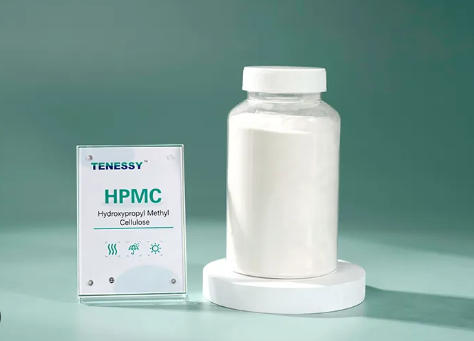
Pharmaceutical‑grade HPMC must meet stricter purity and performance specifications than food‑grade material. It is used in tablets, capsules, oral liquids and sterile ophthalmic formulations.
Key safety aspects in medicinal use:
- Oral and controlled‑release applications: no evidence of systemic toxicity at therapeutic doses.
- Ophthalmic use: generally safe as a lubricant, but contamination or improper application can cause infections and serious eye complications.
- Excipients interactions: HPMC may change drug release rates, so formulation design and testing are critical to avoid dose dumping or sub‑therapeutic exposure.
Patients should always follow labeling instructions and consult healthcare professionals if they experience unexpected side effects.
For manufacturers, mixers and users of bulk HPMC powders in construction, coatings, pharmaceutical or food factories, occupational safety is an important dimension of risk management.
Best practices recommended in safety data sheets include:
- Engineering controls: dust extraction and closed transfer systems where feasible.
- Personal protective equipment: dust masks or respirators, protective clothing, gloves and safety goggles.
- Good housekeeping: minimizing dust accumulation, proper storage and labeling.
- Training and procedures: clear guidelines on handling, spill management and emergency response.
By following these measures, companies can significantly reduce respiratory and skin exposure risks for workers handling large quantities of HPMC.
HPMC's risk profile must be viewed in the context of the benefits it delivers across industries.
Benefits include:
- Improved texture, stability and shelf life for food products.
- Enhanced controlled release, film coating and capsule technologies in medicines.
- Better workability, water retention and performance in construction materials and coatings.
- Broad compatibility with other ingredients and excellent stability.
When produced and used according to modern regulatory and quality standards, HPMC offers a high safety margin for both consumers and workers.
- Read labels and look for HPMC or hypromellose among the listed ingredients in foods, supplements and eye drops.
- If you notice digestive upset after using a high‑fiber supplement containing HPMC, consider reducing the dose or discontinuing use.
- Seek immediate medical help if you develop signs of an allergic reaction such as hives, swelling, difficulty breathing or severe eye pain.
- Discuss long‑term high‑dose use of HPMC‑containing supplements with a healthcare professional if you have chronic diseases or are taking multiple medications.
- Select the appropriate grade, such as food, pharmaceutical, cosmetic or industrial, that complies with local regulations.
- Verify supplier documentation, including certificates of analysis, safety data sheets and evidence of compliance with FDA, EFSA, JECFA or other relevant standards.
- Consider potential interactions with active ingredients and other excipients, especially in controlled‑release dosage forms.
- Implement dust control and worker protection measures when handling powders in bulk.
For downstream brands, the real risk often lies less in HPMC as a molecule and more in inconsistent quality, contamination or non‑compliance from poorly controlled suppliers. Partnering with a professional cellulose ether manufacturer such as Shandong Shengda New Material Co., Ltd. helps ensure:
- Stable quality and tight control of impurities and residuals.
- Compliance with international regulations for food, pharmaceutical and industrial grades.
- Technical support for formulation design, dosage optimization and performance troubleshooting.
A robust supplier relationship is one of the most effective ways to minimize safety complaints and regulatory issues in finished products.
If you are developing food, pharmaceutical, personal care or industrial formulations and want to balance performance with safety and regulatory compliance, choosing the right HPMC partner is critical. Shandong Shengda New Material Co., Ltd. can provide tailored HPMC, HEMC and HEC solutions, along with technical guidance on safe use, documentation support and long‑term supply stability.
Contact our team to discuss your application, required grade and market regulations so we can recommend the most suitable cellulose ether products for your project.
Contact us to get more information!
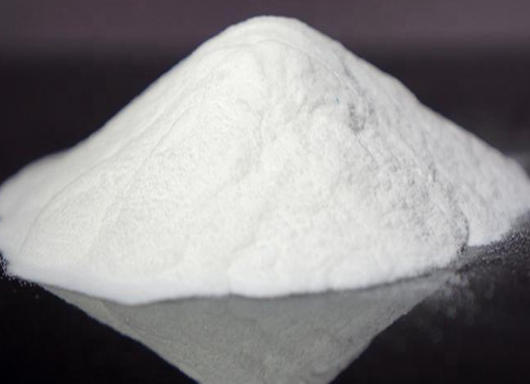
At typical levels used in food, medicines and cosmetics, HPMC is not considered dangerous to humans and has been evaluated as safe by major regulatory authorities. However, some individuals may experience mild digestive symptoms, eye irritation or allergic reactions, especially at high doses or with specific product forms.
Current toxicological data and expert evaluations have not demonstrated that HPMC itself is carcinogenic at normal exposure levels. Concerns about cancer mostly relate to potential trace impurities such as ethylene oxide, which are strictly controlled by manufacturing standards and regulatory limits.
The most common side effects reported with high‑dose HPMC supplements are gastrointestinal, such as bloating, gas and diarrhea. Rarely, people can experience allergic reactions including rash, itching or breathing difficulties, which require immediate medical attention.
HPMC is widely used as a lubricant in artificial tears and is generally safe when used as directed. Problems usually arise from contamination, such as touching the bottle tip to the eye or skin, or from pre‑existing eye conditions, so good hygiene and adherence to instructions are essential.
Workers handling large amounts of HPMC powder may face increased risk of respiratory irritation and, in some cases, skin or eye irritation. Using proper ventilation, dust control and personal protective equipment significantly reduces these occupational hazards.
1. https://www.kimachemical.com/news/hydroxypropyl-methylcellulose-dangers/
2. https://www.ihpmc.com/news/safety-of-hpmc-in-food-additives/
3. https://pubmed.ncbi.nlm.nih.gov/17723258/
4. https://efsa.onlinelibrary.wiley.com/doi/abs/10.2903/j.efsa.2015.4088
5. https://www.meskajoinway.com/technical-blogs/why-can-food-grade-hpmc-be-safely-consumed/
6. https://www.chemicalbook.com/article/is-hydroxypropyl-methyl-cellulose-safe-for-humans.htm
7. https://www.hpmc.com/company-news/is-hydroxypropyl-methyl-cellulose-safe.html
8. https://www.kimacellulose.com/what-are-the-side-effects-of-hpmc.html
9. https://www.kimachemical.com/news/is-hypromellose-harmful-to-the-body/
10. https://www.mskcc.org/cancer-care/patient-education/medications/adult/hydroxypropyl-methylcellulose
11. https://redox.com/wp-content/sds/1677.pdf
12. https://efsa.onlinelibrary.wiley.com/doi/10.2903/j.efsa.2020.6214


