


close
Choose Your Site
Global
Social Media
Views: 222 Author: Rebecca Publish Time: 2026-02-01 Origin: Site


Content Menu
● What Is HPMC and Why It Matters
● Key Performance Parameters of HPMC
>> 1. Viscosity and Rheology Behavior
>> 3. Degree of Substitution (DS) and Molar Substitution (MS)
● HPMC Viscosity Grades and Their Typical Uses
● Application-Specific Requirements: Food and Construction Grades
● Modified and Surface-Treated HPMC for Advanced Formulations
● Quality, Certification, and Supplier Evaluation
>> 1. Essential Quality and Certification Requirements
>> 2. Practical Supplier Selection Criteria
● Packaging, Storage, and Shelf Life Best Practices
● Step-by-Step: How to Disperse and Hydrate HPMC Correctly
>> 2. Process Control: pH, Temperature, and Mixing
>> 3. Scale-up to Pilot and Full Production
● Take the Next Step: Work with a Trusted HPMC Partner
● Frequently Asked Technical Questions About HPMC
>> Q1. What is the main difference between low-viscosity and high-viscosity HPMC?
>> Q2. Can HPMC increase tile adhesive open time?
>> Q3. How can I evaluate HPMC grade compatibility with my formulation?
>> Q4. What storage conditions are recommended in hot, humid regions?
>> Q5. Can I directly replace one HPMC grade with another from a different supplier?
Hydroxypropyl methylcellulose (HPMC) is a multi-functional cellulose ether widely used as a thickener, water-retention agent, and film-former in construction, pharmaceuticals, food, and coatings. This guide explains key HPMC properties, how to choose the right grade, and how to use it effectively in real formulations to maximize performance and cost efficiency.
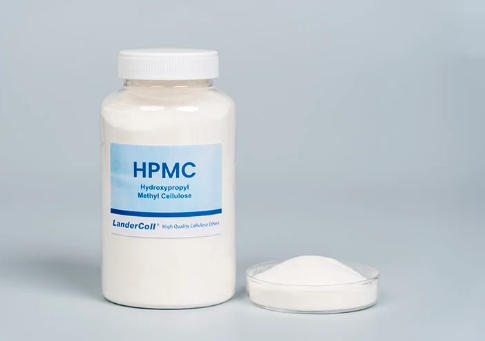
Hydroxypropyl methylcellulose is a non-ionic, water-soluble cellulose ether obtained by chemically modifying refined cellulose with methyl and hydroxypropyl groups. Its unique molecular structure gives HPMC excellent solubility, rheology control, and film-forming performance across a wide range of temperatures and pH values.
In practice, HPMC is valued because it can:
- Thicken aqueous systems in a controllable, reversible way.
- Retain water in cement-based and gypsum-based products, improving hydration and strength.
- Form films that enhance adhesion, cohesion, and surface appearance.
- Stabilize suspensions and emulsions, preventing segregation and bleeding in complex formulations.
For manufacturers and formulators, understanding these core behaviors is essential to selecting the right grade and achieving consistent, reproducible product performance.
Viscosity is one of the primary selection criteria for HPMC and is typically measured in mPa·s using standard methods. Commercial grades typically range from about 3,000 mPa·s up to 200,000 mPa·s, covering low, medium, and high-viscosity applications.
- Low-viscosity grades (3,000–15,000 mPa·s) hydrate quickly and are suited to spray-dry mixes, light coatings, and applications where fast dissolution and smooth flow are required.
- Mid-range grades (20,000–50,000 mPa·s) balance workability, sag resistance, and water retention, making them ideal for tile adhesives and similar mortars.
- High-viscosity grades (≥100,000 mPa·s) deliver strong water retention and structural build, preferred in heavy-duty mortars, putty powders, and high-build systems.
Choosing viscosity is not only about “thicker or thinner”; it also determines leveling, sprayability, pumpability, and open time in the end application.
HPMC exhibits thermal gelation: above a certain gelation temperature, the hydrated polymer chains associate and form a reversible gel. This critical temperature is influenced by substitution degree and solution concentration.
A suitable gelation temperature helps:
- Maintain workability at job-site or process temperatures.
- Prevent premature gelation during mixing and pumping.
- Ensure fast strength build-up when temperature rises, for example during curing in cement systems.
Tailoring gelation temperature is especially important in construction chemicals used across different climates and seasons.
The ratio of methyl and hydroxypropyl groups attached to the cellulose backbone controls solubility, surface activity, and compatibility. Higher hydroxypropyl content can enhance flexibility and thermal gelation behavior, while methyl content strongly affects hydrophobicity and film properties.
Optimizing substitution levels allows formulators to fine-tune:
- Water solubility and dissolution rate.
- Film strength, transparency, and flexibility.
- Interaction with cement, gypsum, pigments, and polymers.
The following table summarizes common viscosity ranges and typical end uses to support quick grade pre-selection.
| Viscosity range (mPa·s) | Typical grade type | Key features | Typical applications |
|---|---|---|---|
| 3,000–10,000 | Low viscosity | Rapid hydration, low solution viscosity | Spray-dry powders, light coatings, self-leveling systems |
| 15,000–30,000 | Low–medium viscosity | Good flow, moderate water retention | Skim coats, joint fillers, putty, some tile adhesives |
| 40,000–60,000 | Medium viscosity | Balanced workability and sag resistance | Standard tile adhesives, EIFS basecoats, plasters |
| 80,000–150,000 | High viscosity | Strong water retention, good open time | Heavy-duty tile adhesives, thick renders, repair mortars |
| ≥150,000 | Ultra-high viscosity | Maximum body, anti-slip, high build | High-thickness putties, specialty mortars, structural repair systems |
This matrix should always be complemented by laboratory testing because final rheology depends on binder type, fillers, and other additives.
Food-grade HPMC is used in functional foods, vegan capsules, fat-replacement systems, and coatings, so safety and purity are paramount.
- Must comply with relevant food-contact regulations, with stringent controls on contaminants and ultra-low ash content.
- Requires tight microbiological control and consistent physicochemical profiles to meet nutritional and labeling requirements.
Construction-grade HPMC, in contrast, is optimized for:
- Film strength and cohesion in cementitious and gypsum-based matrices.
- Hydration rate and water retention to improve strength development and reduce cracking.
- Freeze–thaw stability and job-site robustness in mortars, plasters, tile adhesives, and joint compounds.
Both segments may rely on certified quality management systems, but performance targets, testing methods, and regulatory focus differ substantially.
Modern suppliers provide modified HPMC grades tailored to demanding formulations.
Typical modifications include:
- Surface-treated HPMC to control dissolution speed and improve compatibility with cement, pigments, or redispersible polymer powders.
- Adjusted substitution levels to fine-tune gelation temperature, solubility profile, and film characteristics.
- Grades engineered for low-foam dissolution, improved slip resistance, or extended open time in tile adhesives and renders.
These engineered grades help formulators meet specific performance targets while simplifying production and minimizing formulation complexity.
Top-tier HPMC producers follow structured quality management systems and often hold third-party certifications to serve global markets. Routine quality-control testing typically covers viscosity, pH, residual chlorine, ash content, and microbial limits to ensure batch-to-batch consistency.
Before qualifying a supplier, professionals should verify:
- Regulatory and standard compliance relevant to their industry and region.
- Availability of Certificates of Analysis and batch-release documentation for every shipment.
- Existence of traceability systems and robust change-control procedures.
Beyond product cost per kilogram, procurement teams should consider total cost of ownership. Important parameters include:
- Production capacity and ability to support volume growth.
- On-time delivery performance and lead-time reliability.
- Willingness to provide free samples or small trial lots for validation and scaling.
- Technical support capabilities, including on-site training, formulation advice, and troubleshooting.
Building long-term partnerships enables better negotiation on pricing, priority production during peak seasons, and co-development of custom grades.
HPMC is typically supplied in moisture-proof 25 kg paper–poly bags with inner PE liners designed to protect the product from humidity and contamination. For large users, bulk bags of 500 kg or higher can streamline handling and reduce packaging waste.
To maintain product quality:
- Store in a cool, dry environment below approximately 25 °C and 60% relative humidity.
- Avoid direct sunlight and high humidity to prevent caking and loss of flowability.
- Under appropriate conditions, HPMC can remain stable for up to 24 months.
Good warehouse practices directly influence downstream consistency in viscosity and dissolution behavior.
Before full-scale production, perform small-batch trials to determine the optimal dispersion protocol. Depending on your equipment, you may choose a “powder-into-water” or “water-into-powder” approach and compare dissolution times and foam formation.
Key points:
1. Charge the tank with the appropriate amount of clean water at controlled temperature.
2. Start agitation with a high-shear mixer or paddle agitator at the recommended speed.
3. Add HPMC gradually, keeping the powder stream thin and steady to avoid lump formation.
Monitoring pH and temperature during mixing helps prevent premature gelation and inconsistent viscosity.
- Maintain temperature below the gelation threshold during dispersion, then allow gradual warming if needed to reach target rheology.
- Continue mixing for a sufficient period after all powder is added to ensure full wetting and dissolution.
Gradual addition under agitation minimizes clumping and excessive foaming, which in turn improves batch reproducibility and line efficiency.
Once laboratory and small-scale conditions are optimized, scale-up should replicate shear rate, mixing time, and temperature profile as closely as possible.
Engineers should:
- Document all process parameters, such as speed, energy input, order of addition, and water quality, during trials.
- Adjust mixing time and agitator configuration to maintain comparable shear conditions at higher volumes.
- Correlate laboratory viscosity profiles with in-line process measurements to create robust operating windows.
This disciplined approach reduces start-up risks and secures consistent rheology and workability in large-scale production.
If you are developing or upgrading mortars, tile adhesives, coatings, food, or pharmaceutical products, choosing the right HPMC grade is critical to your success. Shandong Shengda New Material Co., Ltd. specializes in the research, development, production, and sales of cellulose ethers, including HPMC, HEMC, and HEC. Our technical team can provide targeted grade recommendations, sample support, and formulation guidance to help you shorten development cycles and stabilize production quality. Contact us today to discuss your application requirements, request detailed data sheets and samples, and start optimizing your formulations with a reliable cellulose ether partner.
Contact us to get more information!
Low-viscosity HPMC hydrates rapidly, giving low solution viscosity suitable for lightweight coatings and spray-applied systems. High-viscosity grades offer stronger water retention and structural build, which is critical for heavy-duty mortars and thick putties.
Yes. Mid- to high-viscosity HPMC grades help extend open time and improve slip resistance in cementitious tile adhesives. This provides installers with a longer working window and reduces tile sagging on vertical surfaces.
Compatibility is best assessed using hydration and rheology tests at the laboratory scale. Measure viscosity over time and temperature, then compare these curves with your target performance metrics, such as open time, sag resistance, and water retention.
Use well-sealed, moisture-proof packaging and store in cool, dry warehouses below about 25 °C and 60% relative humidity, avoiding direct sunlight to prevent caking and degradation. Good stock rotation and regular inspections help maintain long-term stability.
Even if viscosity labels look similar, molecular structure and substitution can differ. Always conduct laboratory and pilot trials before full replacement to confirm rheology, application performance, and compatibility with your existing raw materials.


