


close
Choose Your Site
Global
Social Media
Views: 222 Author: Rebecca Publish Time: 2026-02-01 Origin: Site


Content Menu
● What Is HPMC and Why Solubility Matters
● Key Concepts: Solubility Temperature vs Gelation Temperature
>> HPMC Solubility Temperature
● Practical Dissolution Behavior in Construction Applications
● Recommended Dissolution Methods for HPMC
>> Standard Hot–Cold Dissolution Method
>> Direct Addition in Dry Mix Mortar
● Factors Affecting HPMC Solubility and Performance
>> Temperature and Cooling Profile
>> Product Viscosity and Substitution Level
● Seasonal Considerations: Winter vs Summer Application
● Application Areas Where Effective HPMC Dissolution Is Critical
● Expert Tips to Avoid Common Dissolution Problems
>> Preventing Fish Eyes and Lumps
>> Managing Low Dissolution Temperature Grades
>> Choosing Viscosity Grade by Climate and Application
● How Shandong Shengda New Material Supports Your Formulation Needs
● Clear Call to Action: Partner With Shandong Shengda for Reliable HPMC Solutions
● FAQ
>> 1. What is the ideal water temperature for dissolving HPMC?
>> 2. Why does my HPMC solution become milky and lose transparency?
>> 3. Does dissolution temperature affect mortar performance?
>> 4. Why is lower viscosity HPMC recommended in winter?
>> 5. In which applications is proper HPMC dissolution most critical?
Hydroxypropyl methyl cellulose (HPMC) plays a critical role in modern dry-mix mortars, coatings, putties, and construction chemicals, yet many formulators still struggle with proper dissolution and solubility control in production and on-site applications. An accurate understanding of HPMC solubility behavior helps ensure stable viscosity, reliable workability, and consistent performance in demanding construction environments.
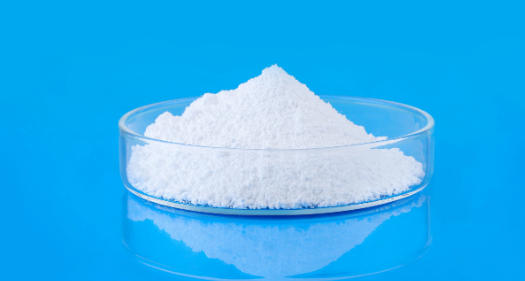
Hydroxypropyl methyl cellulose (HPMC) is a non-ionic cellulose ether derived from natural polymer materials through a series of chemical modification processes. It combines the film-forming, thickening, and water-retention characteristics of methyl cellulose with improved dispersibility and solution stability.
In construction and building materials, effective HPMC dissolution is essential because it directly affects:
- Water retention and open time in cement based and gypsum based mortars.
- Workability, sag resistance, and troweling feel of tile adhesives and wall putties.
- Leveling, viscosity build up, and consistency of self leveling compounds and coatings.
When HPMC is poorly dispersed or only partially dissolved, you may observe fish eyes, gel lumps, inconsistent viscosity, segregation, or reduced bonding and water-retention performance in the final system.
Understanding solubility temperature and gelation temperature is the foundation for mastering HPMC behavior in water.
When HPMC powder is added into hot water, usually at 70–80 °C, the powder initially swells and disperses without forming a true solution. As the aqueous system cools under continuous stirring, the solution gradually develops viscosity, suspending the polymer particles uniformly instead of letting them sink to the bottom.
- The temperature at which the solution starts to show this stable viscosity during cooling is referred to as the solution, or solubility, temperature.
- For many construction grade HPMC products, this dissolution temperature is typically in the range of about 55–57 °C, although certain grades may dissolve effectively at temperatures as low as around 50 °C.
Once the solution passes through this temperature range under adequate agitation, HPMC becomes uniformly hydrated and can deliver its designed performance in mortar or coating systems.
If you start from a clear, colorless HPMC aqueous solution and then heat it continuously, the solution eventually turns into an opaque, opalescent, milky colloid. The temperature at which this happens is called the gelation temperature.
- Below the gelation temperature, HPMC is fully effective in providing water retention, thickening, and other functional properties in the system.
- Once the solution becomes milky and opaque, the cellulose ether loses its typical solution behavior and is considered to have lost its efficacy in that state.
A typical construction grade HPMC can exhibit the following behavior.
| Property | Typical Range or Value |
|---|---|
| Gelation temperature | 70–75 °C |
| Dissolution, solution, temperature | Approx. 55–57 °C, sometimes around 50 °C |
Because gelation temperature is closely related to product design and substitution level, it is often a more critical indicator for application design than dissolution temperature. Small differences in dissolution temperature usually do not cause major performance changes in many mortar systems, as long as mixing and cooling are properly controlled.
In real world mortar, putty, and coating production, the relationship between water temperature, dissolution temperature, and gelation temperature determines how HPMC behaves during mixing and application.
- As the aqueous temperature drops to about 55–57 °C, viscosity increases and HPMC remains evenly suspended without sinking.
- If a particular grade has a lower dissolution temperature, around 50 °C, and stirring is stopped too early, for example at 55–57 °C, the solution may not yet be viscous and particles may sink instead of staying uniformly dispersed.
- On construction sites, water temperature is frequently below 40 °C, which is already lower than the dissolution temperature of most construction HPMC grades. In this case, once adequately mixed, the cellulose ether can still form a colloid and develop its functional properties in the mortar.
To solve issues of sinking or incomplete dissolution when using low dissolution temperature grades, continued stirring until the temperature drops to the specific dissolution temperature, such as 50 °C, is recommended.
To avoid fish eyes, incomplete dissolution, or inconsistent viscosity, it is crucial to use controlled procedures in both laboratory and industrial settings.
This method is widely used because it promotes good dispersion and reliable hydration.
1. Heat a defined volume of water to around 70–80 °C.
2. Under strong agitation, slowly sift HPMC powder into the hot water, avoiding dumping large lumps at once.
3. Maintain agitation while the suspension cools naturally. As the temperature passes through the dissolution temperature range, usually 55–57 °C and in some cases down to about 50 °C, the system gradually builds viscosity.
4. Continue stirring until the temperature is clearly below the dissolution temperature and the solution reaches a uniform viscosity with no visible undissolved particles.
This procedure minimizes agglomeration and ensures that HPMC is fully hydrated and ready for use in further formulation work.
In industrial practice, HPMC is more commonly incorporated as part of dry mix formulations.
- HPMC is premixed with cement, mineral fillers, redispersible polymer powders, and other additives.
- On site, the dry blend is combined with water using a mixer or suitable hand held agitator.
- Adequate mixing time and sufficient shear are essential to achieve uniform dispersion and dissolution of HPMC in the wet mortar.
Selecting the appropriate viscosity grade and substitution type helps ensure fast hydration and consistent performance, even when job site water temperatures are low.
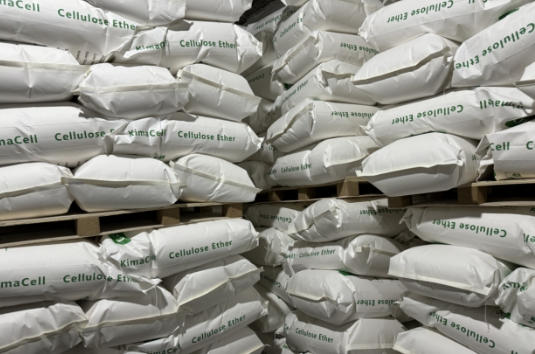
Several parameters control how fast and how completely HPMC dissolves in water, and how it behaves in mortars and coatings.
- Excessively high initial water temperature can cause rapid surface gelation of particles, forming fish eyes that are hard to dissolve completely.
- Water that is too cold may lead to slow hydration and delayed viscosity build up.
- Controlled cooling through the critical dissolution temperature window while stirring is key to uniform hydration and stable viscosity.
Viscosity grade and substitution pattern have a strong influence on dissolution time and solution behavior.
- Low viscosity grades typically dissolve faster and are preferred in cold climates or winter construction to maintain acceptable workability.
- High viscosity grades offer greater water retention and sag resistance but may require longer mixing time and higher shear for complete dissolution, especially at lower temperatures.
In winter, using lower viscosity HPMC is often recommended to ensure easier construction, because low ambient temperatures naturally increase the apparent viscosity of cellulose ethers and make troweling feel heavier.
Insufficient mixing is one of the most common reasons for poor dissolution.
- Use mixing equipment with appropriate shear for the system volume and viscosity.
- Follow the recommended mixing time provided in technical data or processing guidelines.
- Avoid adding HPMC in large clumps. Pre blending with other powders can improve distribution before hydration.
HPMC solubility and mortar performance are strongly influenced by seasonal temperature changes, especially on job sites without environmental control.
- Ambient and water temperatures are typically below 40 °C, which is lower than the dissolution temperature of many HPMC grades.
- HPMC can still form an effective colloid and deliver water retention, but viscosity increases and workability can feel heavier during troweling in cold conditions.
- Using lower viscosity HPMC in winter improves ease of application and helps maintain smooth finishing qualities.
- Higher ambient temperatures may accelerate hydration but can also push the system closer to the gelation temperature, particularly in thick mixes that cool slowly.
- Good mixing, careful temperature control, and preventing local overheating around the mixing zone help maintain a stable solution phase.
- Formulators often balance water retention and workability by adjusting dosage and viscosity grade based on local climate and job site conditions.
Properly dissolved HPMC is a key additive in various building materials where water retention, workability, and consistency are essential.
Typical application fields include:
- Dry mix mortars for internal and external walls.
- Wall putty powder and ready mixed putty pastes.
- Tile adhesives and thin bed mortars.
- Interface agents and primers for new building materials.
- Self leveling compounds and floor screeds.
- Cement based and gypsum based plasters and skim coats.
In all these systems, complete HPMC dissolution helps ensure stable rheology, open time, sag resistance, and improved durability of the final installation.
Below are practical, field oriented measures to improve dissolution and solubility outcomes for HPMC in construction formulations.
- Add powder slowly and uniformly into vigorously stirred water to reduce agglomeration.
- Use the hot–cold dissolution method in laboratory evaluations to understand a grade's dissolution profile.
- In dry mix production, ensure HPMC is well dispersed with fillers and cement before water addition.
- For products with dissolution temperatures around 50 °C, do not stop stirring prematurely at 55–57 °C, because viscosity may still be low and particles may sink.
- Continue agitation until the solution clearly passes through the specific dissolution temperature range and a consistent viscosity is achieved.
- In cold climates and winter conditions, lower viscosity HPMC grades help maintain good workability and easier troweling.
- In warm climates or summer, higher viscosity grades can be used to maintain shape stability and sag resistance without making the mortar excessively stiff.
Shandong Shengda New Material Co., Ltd. is a professional manufacturer focused on the research, development, production, and sales of cellulose ethers. The main product portfolio includes:
- Hydroxypropyl methyl cellulose, HPMC, for dry mix mortar, putty, tile adhesive, render, and self leveling systems.
- Hydroxyethyl methyl cellulose, HEMC, for enhanced water retention and workability in cement based and gypsum based materials.
- Hydroxyethyl cellulose, HEC, for coating applications, thickening, and rheology control in water based paints and construction chemicals.
The technical team concentrates on:
- Optimizing dissolution behavior and viscosity build up profiles tailored to different climates and job site conditions.
- Providing application specific grades for tile adhesives, wall putty, plasters, self leveling floors, and other building materials.
- Offering formulation guidance to help customers quickly solve practical issues such as poor workability, sagging, rapid setting, or cracking.
By combining advanced production technology with strict quality control, Shandong Shengda New Material aims to support global partners in achieving stable, reproducible performance in a wide variety of construction applications.
If you are facing challenges with HPMC dissolution, mortar workability, seasonal variability, or product consistency, Shandong Shengda New Material is ready to provide targeted support. Share your application type, local climate conditions, and performance requirements with our technical team, and we will recommend suitable HPMC, HEMC, or HEC grades, along with practical formulation suggestions and sample testing. Contact Shandong Shengda New Material Co., Ltd. now to develop more stable, efficient, and user friendly building materials for your projects and customers.
Contact us to get more information!
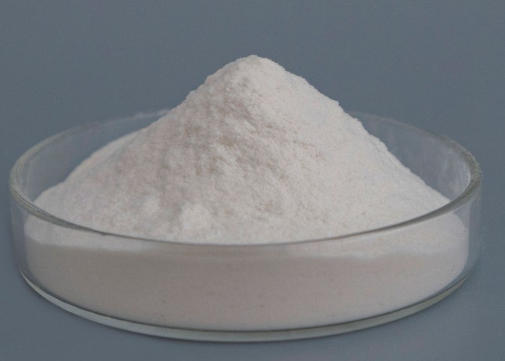
For laboratory dissolution, water at 70–80 °C is generally recommended when using the hot–cold method. As the system cools through the specific dissolution temperature range of the grade, viscosity builds and a uniform solution is formed.
When a clear HPMC solution is heated beyond its gelation temperature, it turns into an opaque, milky colloid and loses its original solution characteristics. This state is usually considered a loss of normal solution behavior for cellulose ether in that system.
Within a normal range, small variations in dissolution temperature usually do not significantly damage mortar performance. However, if stirring is stopped before reaching the actual dissolution temperature of a specific grade, incomplete dissolution can lead to sinking particles, fish eyes, and inconsistent viscosity, which can negatively influence workability and final quality.
At low temperatures, the apparent viscosity of cellulose ether solutions naturally increases, making mortars heavier and more difficult to trowel. Using lower viscosity HPMC grades in winter improves workability, helps maintain smooth surfaces, and reduces applicator fatigue in cold environments.
Proper dissolution is essential in dry mix mortars, wall putties, adhesives, interface agents, self leveling compounds, and many cement based and gypsum based plasters. Incomplete dissolution may cause fish eyes, segregation, poor leveling, and reduced bonding performance in these systems.


