


close
Choose Your Site
Global
Social Media
Views: 222 Author: Rebecca Publish Time: 2026-02-16 Origin: Site


Content Menu
● What Are Hydroxyethyl Cellulose (HEC) and Ethyl Cellulose (EC)?
● Key Chemical and Physical Differences
>> Chemical Structure and Functional Groups
>> Solubility and Compatibility
>> Rheology and Thickening Behavior
● Side-by-Side Comparison: HEC vs EC
>> Technical Comparison for Formulators
● Application Fields of Hydroxyethyl Cellulose (HEC)
>> Coatings and Construction Materials
>> Personal Care and Household Products
>> Pharmaceutical and Food Uses of HEC
● Application Fields of Ethyl Cellulose (EC)
>> Pharmaceutical Coatings and Controlled Release
>> Coatings, Inks, and Industrial Films
● How to Choose Between HEC and EC for Your Application
>> Step-by-Step Selection Framework
>> Example: Coating vs Tablet Formulation
● Where HEC and EC Are Complementary to HPMC and HEMC
>> Synergy with Other Cellulose Ethers
● Best Practices for Using HEC in Formulation
>> Dispersion and Hydration Tips
>> Grade Selection According to Application
● Typical Problems and Troubleshooting
● Why Work with a Professional Cellulose Ether Manufacturer
● Take the Next Step with Shandong Shengda New Material Co., Ltd.
● Frequently Asked Questions (FAQ)
>> (1) Is hydroxyethyl cellulose the same as ethyl cellulose?
>> (2) When should I choose HEC instead of EC?
>> (3) Can HEC and EC be used together in one formulation?
>> (4) How does HEC compare with HPMC or HEMC in construction applications?
>> (5) What information should I prepare before consulting a cellulose ether supplier?
Hydroxyethyl cellulose (HEC) and ethyl cellulose (EC) are both cellulose ethers, but they differ significantly in solubility, performance, and application fields, which directly affects how formulators select and use them in construction, coatings, personal care, and pharmaceutical systems. For professional buyers and R&D engineers, understanding these differences is essential for optimizing product performance and controlling cost in real projects.

Hydroxyethyl cellulose is a water-soluble polymer obtained by reacting natural cellulose with ethylene oxide, introducing hydroxyethyl groups onto the cellulose backbone. This modification makes HEC highly hydrophilic and suitable as a thickener, stabilizer, and rheology modifier in water-based systems such as paints and personal care products.
Ethyl cellulose is produced by reacting cellulose with ethyl chloride, replacing hydroxyl groups with ethyl groups and turning the polymer into a hydrophobic, water-insoluble material. Because of this, EC is mainly used as a film-forming and coating polymer in pharmaceuticals, inks, and specialty coatings where moisture resistance and controlled release are required.
- HEC: Contains hydroxyethyl groups that increase polarity and hydrogen bonding with water.
- EC: Contains ethyl groups that reduce polarity and create a more hydrophobic, organic-solvent-compatible polymer.
These structural differences are the root cause of their distinct solubility, film-forming, and rheological behavior.
- Hydroxyethyl cellulose solubility:
- Freely soluble in cold water, forming clear or slightly opalescent solutions.
- Generally not soluble in most non-polar organic solvents.
- Ethyl cellulose solubility:
- Insoluble in water; requires organic solvents such as alcohols, ketones, or chlorinated solvents, or plasticizers for processing.
- Compatible with many resins and hydrophobic polymers, making it ideal for solvent-based coatings and pharmaceutical films.
HEC provides efficient thickening and pseudoplastic flow in water-based systems, with good high-shear stability, and it is widely used in architectural coatings and personal care formulations. It improves viscosity, suspension stability, and sag resistance, especially in latex paints and daily chemical products.
EC, in contrast, is not used as a water-phase thickener; its main contribution lies in film strength, barrier performance, and controlled permeability when applied as a dry film. In tablet coatings and functional films, EC controls diffusion of actives and protects cores from moisture and environmental influences.
| Parameter | Hydroxyethyl Cellulose (HEC) | Ethyl Cellulose (EC) |
|---|---|---|
| Chemical type | Non-ionic cellulose ether with hydroxyethyl substitution | Non-ionic cellulose ether with ethyl substitution |
| Water solubility | Water-soluble, forms clear solutions | Water-insoluble, requires organic solvents or plasticizers |
| Polarity | Hydrophilic, high affinity for water | Hydrophobic, low polarity |
| Main role | Thickener, stabilizer, rheology modifier | Film former, moisture barrier, controlled-release matrix |
| Typical systems | Water-based paints, detergents, personal care, construction slurries | Pharmaceutical coatings, inks, solvent-based coatings, food coatings |
| Film properties | Flexible films, moderate strength in water-based films | Strong, flexible, and chemically resistant films |
| Regulatory use | Widely used in cosmetics and topical formulations | Extensively used in oral solid dosage and controlled-release systems |
This table helps technical buyers quickly identify which cellulose ether better meets their formulation targets and processing environment.
HEC is widely used in water-based architectural coatings as a primary or co-thickener to control viscosity, anti-sagging, and leveling. It stabilizes pigment particles, improves brushability and roller application, and helps prevent pigment settling during storage.
In construction materials such as cement-based mortars, joint compounds, and tile adhesives, HEC contributes to water retention, workability, and open time, especially when combined with other cellulose ethers like HPMC or HEMC. This synergy is critical for stable performance under varying job-site conditions and climate.
In shampoos, body washes, lotions, and creams, HEC functions as a mild, non-ionic thickener and stabilizer. It improves viscosity build, foam stability, and product texture while maintaining good skin feel and clarity in transparent or pearlescent systems.
In household detergents, liquid cleaners, and disinfectant solutions, HEC helps suspend active ingredients and particulate materials. Its electrolyte tolerance and pH stability make it suitable for many modern cleaning formulations.
In pharmaceutical suspensions, topical gels, and ophthalmic formulations, HEC provides viscosity and stabilizes dispersed drug particles. Its non-ionic nature supports compatibility with a wide range of active ingredients and excipients.
In the food industry, HEC can be used as a thickener and stabilizer in sauces, dressings, and desserts, improving mouthfeel and product uniformity. Its ability to form clear solutions without taste or odor makes it a practical choice for many processed foods.
Ethyl cellulose is a key polymer in modified-release and controlled-release oral dosage forms. It is used as:
- A film-coating polymer for tablets and pellets to control moisture uptake and taste masking.
- A matrix former in sustained-release tablets, allowing gradual diffusion of drugs over hours or even days.
Because EC is water-insoluble, the release mechanism depends on diffusion through pores or the polymer matrix, which formulators can tune by adjusting coating thickness, plasticizer content, and co-polymers.
EC is widely used in solvent-based coatings, varnishes, and printing inks, where it provides clear, tough, and chemically resistant films. It enhances adhesion on metal, paper, and plastic substrates and improves resistance to oils and many chemicals.
In packaging and specialty films, EC coatings can serve as moisture and gas barriers, improving the performance of paper, cardboard, and flexible substrates. It is also used in some food and confectionery coatings to provide gloss and protect sensitive centers.
Use the following practical steps when deciding whether to use HEC or EC in a new formulation or product upgrade:
1. Define the system type
- If your base system is water-based, such as latex paint, cement slurry, shampoo, or liquid detergent, HEC is usually the first choice as a thickener and stabilizer.
- If your system is solvent-based or requires a hydrophobic protective film, such as pharmaceutical coatings, printing inks, or specialty varnishes, EC is usually more appropriate.
2. Clarify the main technical function
- When you need viscosity, suspension, and water retention, select HEC as the primary rheology modifier.
- When you need strong, moisture-resistant films or controlled drug release, select EC as the primary film-forming polymer.
3. Check processing and regulatory constraints
- For cosmetic and personal care products, HEC is widely accepted and easy to process at room temperature in water.
- For oral solid dosage forms, EC is a well-established excipient for sustained release and coating, subject to pharmacopeial standards.
4. Evaluate cost and supply stability
- HEC is often preferred in high-volume construction and coating applications due to a balance of performance and cost.
- EC is typically used where its unique barrier and release properties justify the higher material and processing cost.
- A water-based interior wall paint needs good leveling, anti-sagging, and storage stability, so formulators usually choose HEC, often with HPMC or HEMC, to build viscosity and ensure uniform application.
- A once-daily oral tablet that must release the active ingredient over 12–24 hours relies on EC as a matrix or coating polymer to slow drug diffusion and resist gastric fluids.
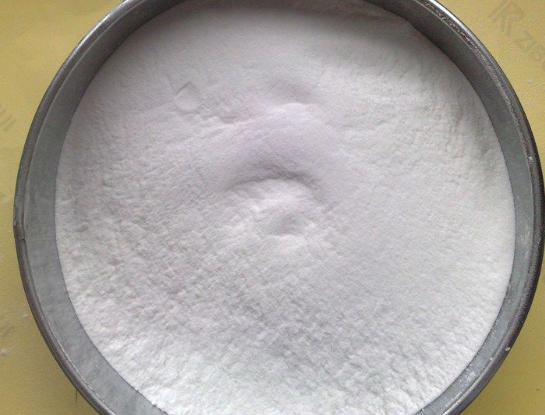
In many building materials and coating systems, HEC is combined with HPMC or HEMC to optimize water retention, workability, and open time. HPMC provides temperature-responsive gelation and strong water retention, while HEC contributes efficient thickening and high-shear stability.
In pharmaceutical technology, EC is often used together with hydrophilic polymers to fine-tune release profiles in matrix tablets or pellet coatings. Hydrophilic excipients create pores as they dissolve, while the EC matrix maintains structural integrity and controls diffusion.
To avoid lump formation and ensure uniform hydration of HEC in water-based systems, formulators typically follow these principles:
- Pre-disperse HEC into part of the water under strong agitation or slurry it in a non-solvent such as certain glycols before addition.
- Maintain sufficient mixing time to allow complete wetting and hydration, especially for higher-viscosity grades.
- Adjust pH only after full hydration, as rapid pH changes may affect viscosity build in some systems.
- Coatings and construction: Medium- to high-viscosity HEC grades are often selected to ensure strong thickening and sag control.
- Personal care and detergents: Lower- to medium-viscosity grades are popular for easier processing and smoother sensory properties.
- Lumping during addition to water due to rapid surface hydration.
- Inconsistent viscosity if hydration is incomplete or if water quality and pH fluctuate strongly.
These issues can usually be addressed by improving dispersion techniques and standardizing process parameters.
- Slow dissolution in certain organic solvent blends, leading to long mixing times.
- Brittle films if plasticizer content or co-polymers are insufficient in the coating formulation.
Optimizing solvent systems, plasticizer type, and solids content can significantly improve EC processing and film performance.
Partnering with a specialized cellulose ether producer ensures consistent quality, technical support, and stable supply for demanding industrial and pharmaceutical applications. An experienced manufacturer with a complete line of HPMC, HEMC, and HEC can help you optimize formulations across construction, coatings, daily chemical, and other fields.
As a professional manufacturer dedicated to the research, development, production, and sales of cellulose ethers such as HPMC, HEMC, and HEC, Shandong Shengda New Material Co., Ltd. supports global customers with tailored grades and application guidance. This integrated approach helps reduce trial-and-error costs and accelerate product launches in competitive markets.
If you are evaluating hydroxyethyl cellulose or ethyl cellulose for coatings, construction materials, personal care, or pharmaceutical formulations, choosing the appropriate grade and formulation strategy will directly influence your final product performance. Contact Shandong Shengda New Material Co., Ltd. today to discuss your specific application needs and obtain tailored recommendations on HEC, HPMC, and HEMC solutions that match your technical targets and processing conditions.
Contact us to get more information!
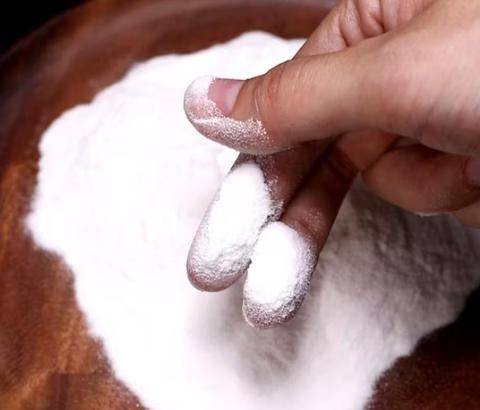
No. Hydroxyethyl cellulose is a water-soluble cellulose ether with hydroxyethyl groups, while ethyl cellulose is a water-insoluble ether with ethyl substitution. Their solubility, polarity, and application fields are therefore very different.
Choose HEC when you need thickening, suspension, and water retention in water-based products such as coatings, construction mortars, shampoos, and detergents. EC is more suitable when you need hydrophobic films, solvent-based coatings, or controlled-release pharmaceutical systems.
In some advanced systems, HEC can be used in the aqueous phase while EC is used as a separate film-forming or coating component. However, because of their different solubility profiles, they are usually processed in different phases or steps.
HEC offers strong thickening and good high-shear stability, while HPMC and HEMC provide excellent water retention and workability in cement-based systems. Many high-performance formulations combine these cellulose ethers to balance open time, anti-sagging, and application feel.
You should clarify system type, target viscosity, processing temperature, pH, and key performance requirements such as open time, sag resistance, or release profile. Providing this data enables the supplier to recommend the most suitable HEC, HPMC, or HEMC grade for your formulation.


