


close
Choose Your Site
Global
Social Media
Views: 222 Author: Rebecca Publish Time: 2026-01-31 Origin: Site


Content Menu
>> Main Types: HPMC, HEMC and HEC
● Industrial Manufacturing Process of Cellulose Ether
>> Step 1 – Raw Material Selection and Preparation
>> Step 2 – Alkalization (Alkali Cellulose Formation)
>> Step 3 – Etherification Reaction
>> Step 4 – Neutralization and Purification
>> Step 5 – Drying, Milling and Sieving
>> Simplified Process Flow Overview
● Two Common Process Routes: Aqueous vs. Mixed-Solvent
>> Route 1 – Aqueous Alkalization with Direct Etherification
>> Route 2 – Alkalization in Alkali/Urea or Organic Media
● Process Parameters That Control Performance
>> Degree of Substitution and Molar Substitution
>> Viscosity Grade and Molecular Weight
>> Particle Size and Surface Treatment
● Applications of Cellulose Ether in Key Industries
>> Pharmaceuticals, Food and Personal Care
● Practical Example: HPMC Production Process
● Environmental and Safety Considerations
● How to Choose a Reliable Cellulose Ether Manufacturer
● Clear Call to Action: Partner with a Professional Cellulose Ether Supplier
● FAQs About Making and Using Cellulose Ether
>> 1. What raw materials are used to make cellulose ether?
>> 2. What is the difference between HPMC, HEMC and HEC?
>> 3. Why are alkalization and etherification so important?
>> 4. How do manufacturers control the viscosity of cellulose ether?
>> 5. What quality tests are typically applied to cellulose ether products?
Cellulose ether is a family of water-soluble polymers produced by chemically modifying natural cellulose to improve solubility, rheology control and stability in construction, coatings, pharmaceuticals, food and personal care applications. This guide explains how cellulose ethers such as HPMC, HEMC and HEC are manufactured at industrial scale, what process parameters matter most, and how professional manufacturers support consistent performance in end-use formulations.
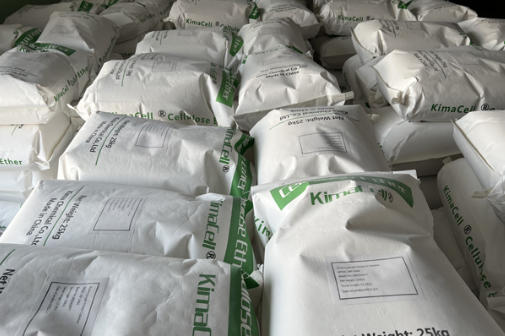
Cellulose ether is a high–molecular-weight compound derived from purified cellulose, usually refined cotton or wood pulp, through an etherification reaction that replaces part of the hydroxyl groups on the cellulose backbone with ether groups. By changing the type and degree of substitution, producers can tailor solubility, viscosity, film-forming ability, water retention and compatibility for different industries.
- Hydroxypropyl Methyl Cellulose (HPMC): Mixed ether of methyl and hydroxypropyl groups, widely used in tile adhesives, gypsum-based plasters, putty and pharmaceutical tablets for water retention and controlled release.
- Hydroxyethyl Methyl Cellulose (HEMC / MHEC): Mixed ether of methyl and hydroxyethyl groups, used in cement-based mortars, EIFS, skim coats and paints, especially where workability and open time are critical.
- Hydroxyethyl Cellulose (HEC): Pure hydroxyethyl substitution, commonly used as a thickener and stabilizer in waterborne paints, personal care products and oilfield fluids.
Commercial cellulose ether production is a multi-step chemical process performed in closed reactors under strictly controlled conditions. The typical process includes raw material preparation, alkalization, etherification, neutralization, washing, drying, milling and final packaging.
Producers start from high-purity cellulose obtained from refined cotton linter or wood pulp.
- Cellulose sources are cleaned, degreased, bleached and dried to remove resins, waxes and colored impurities.
- Pulp or cotton is crushed and ground into a uniform powder to ensure consistent reactivity in later steps.
- Blending different lots or origins allows manufacturers to achieve a stable viscosity profile and mechanical strength in the final polymer.
Alkalization activates cellulose by converting it to alkali cellulose.
- The cellulose powder is mixed with an aqueous sodium hydroxide solution in a sealed or semi-sealed reactor.
- Under controlled temperature and time, sodium hydroxide penetrates the fiber, swells the structure and increases the nucleophilicity of hydroxyl groups.
- The result is alkali cellulose, which is the reactive intermediate for subsequent etherification.
Some processes use mixed solvent systems, for example aqueous alkali plus organic diluents such as isopropanol or acetone, to improve swelling and reaction homogeneity.
Etherification is the key step where functional groups such as methyl, hydroxypropyl or hydroxyethyl are introduced onto the cellulose chain.
- Typical etherifying agents include chloromethane for methyl cellulose, propylene oxide for hydroxypropyl substitution and ethylene oxide or similar reagents for hydroxyethyl substitution.
- Alkali cellulose, etherifying agents and often an inert organic medium are charged into a pressure-rated reactor, sealed, then heated and agitated at controlled pressure and temperature.
- Reaction conditions such as temperature, time, molar ratio of reagents and mixing intensity determine the degree of substitution and molar substitution, which strongly affect viscosity, solubility and setting behavior.
In dry processes commonly used for HPMC production, crushed refined cotton is thoroughly mixed with alkali solution and then reacted with chloromethane and epichlorohydrin in a sealed vessel to obtain a uniform white powder.
After etherification, the reaction mixture contains product, unreacted alkali, by-products and salts.
- The mixture is neutralized with acids, such as hydrochloric or acetic acid, to stop further etherification and convert residual alkali into salts.
- Multiple washing cycles with water or hydroalcoholic mixtures remove salts, side products and residual reagents.
- Solid–liquid separation by centrifugation, filtration or pressing reduces moisture content before drying.
Proper purification is crucial to achieve low ash content, good color and long-term stability in sensitive applications such as pharmaceuticals and personal care.
The purified wet cake is turned into a free-flowing powder.
- Drying equipment such as fluid-bed dryers or tunnel dryers removes moisture to a controlled final level.
- Dried material is milled to the target particle size and then passed through sieves to obtain specific granulometry for different applications, for example fine powder for quick dissolution or coarser grades for low dust.
- Final blending may be used to standardize viscosity and performance between batches before packaging.
| Stage | Key Operations |
|---|---|
| Raw material preparation | Cleaning, bleaching, drying, crushing of pulp or cotton. |
| Alkalization | Mixing with sodium hydroxide solution, swelling to alkali cellulose. |
| Etherification | Reaction with etherifying agents under heat and pressure. |
| Neutralization and washing | Acid quench, multiple washes, salt and by-product removal. |
| Drying and milling | Moisture removal, grinding, sieving, blending and packaging. |
In practice, manufacturers may choose different reaction media and process routes depending on target product properties and environmental constraints.
In one approach, cellulose is basified directly in a sodium hydroxide aqueous solution and etherifying agents are added for direct reaction.
- This route reduces solvent use and can simplify recovery systems.
- It is suitable for some low-viscosity or specialty cellulose ethers where very fine control of substitution distribution is less critical.
Another method alkalizes cellulose in sodium hydroxide–urea solutions or in mixed systems containing organic diluents such as acetone, isopropanol or tetrahydrofuran.
- Urea or organic solvents help dissolve or swell cellulose more uniformly, leading to more homogeneous substitution and narrower molecular weight distribution.
- These systems can improve solubility and performance, especially for high-viscosity or specialty grades such as ethyl cellulose or cyanoethyl cellulose.
The performance of HPMC, HEMC and HEC is highly sensitive to process parameters, so professional producers tightly control critical variables.
- Degree of substitution indicates the average number of hydroxyl groups substituted per anhydroglucose unit, with a maximum of three, while molar substitution represents the average number of moles of substituent per unit and can exceed three for side chains.
- Higher degrees of substitution and molar substitution typically increase water solubility and may reduce gel point, but excessive substitution can hurt film strength or compatibility with other additives.
- Cellulose ethers are supplied in different viscosity grades, often measured in millipascal seconds for standard solutions at specified concentration and temperature.
- Controlled depolymerization or chain scission steps, for example using temperature and time, allow manufacturers to produce low, medium and high viscosity ranges for various applications.
- Fine powders dissolve quickly but may generate more dust during handling, while coarser granules reduce dust and can provide more controlled dissolution.
- Some grades are surface-treated to delay hydration and improve dispersion in aqueous systems, which helps avoid lumping in high-speed mixing.
Cellulose ethers are used as thickeners, water-retention agents, stabilizers, binders and film formers across multiple sectors.
In dry-mix mortars such as tile adhesive, external insulation systems, plaster and self-leveling compounds, cellulose ethers:
- Improve water retention, ensuring complete cement hydration and reducing shrinkage cracking.
- Enhance workability, open time, sag resistance and trowelability for applicators.
In waterborne paints and industrial coatings, HEC, HPMC and HEMC:
- Provide viscosity control, spatter resistance and pigment suspension.
- Improve leveling and film uniformity, supporting consistent appearance on walls and substrates.
- In pharmaceuticals, HPMC functions as a tablet binder, film former and controlled-release matrix polymer.
- In food, certain cellulose ethers act as thickeners, stabilizers, fat replacers and edible film formers where they are approved.
- In personal care, HEC and related ethers offer mild thickening and sensory enhancement for shampoos, body washes and lotions.
Many HPMC manufacturers use a dry method with refined cotton as the starting material.
1. Crushed refined cotton is loaded into a reaction vessel and mixed with a concentrated sodium hydroxide solution to form alkali cellulose under vacuum and agitation.
2. Etherifying agents such as chloromethane and epichlorohydrin are added, and the sealed reactor is heated to perform the etherification reaction.
3. After reaction, the mixture undergoes neutralization, washing, dehydration, drying, crushing, mixing and packaging to yield a uniform white powder.
4. Discharged chloromethane is recovered by distillation for cyclic utilization to reduce emissions and improve sustainability.
This example illustrates how closed-loop solvent management and carefully tuned reaction conditions are integrated into modern cellulose ether plants.
Modern cellulose ether manufacturing aims to reduce environmental impact while meeting strict safety standards.
- Recovery systems capture and recycle volatile etherification agents such as chloromethane, reducing solvent consumption and atmospheric emissions.
- Wastewater treatment removes salts and organics from washing streams before discharge or reuse.
- Process controls ensure safe handling of flammable or toxic intermediates and maintain consistent product quality.
Customers in construction, pharma and food increasingly expect stable quality with lower environmental footprint, making responsible process design and investment in recovery systems an important differentiator among suppliers.
For formulators, the choice of supplier is just as important as the choice of grade. A competent cellulose ether manufacturer should offer:
- Consistent raw material control and standardized manufacturing lines for HPMC, HEMC and HEC.
- Robust quality management, including viscosity, degree of substitution, ash content, moisture and particle size testing for every batch.
- Technical support to help customers optimize formulations, adjust dosage and solve on-site application issues.
- Clear documentation, regulatory support and samples tailored to different markets and application segments.
Producers with dedicated HPMC and HEMC production facilities often provide application-specific grades for tile adhesives, gypsum-based plasters, skim coats, ready-mix renders and waterborne paints, allowing customers to fine-tune workability, open time and anti-sag performance without redesigning the entire formula.
If your construction, coatings, pharmaceutical, food or personal care formulations require reliable cellulose ether performance, working with a specialized manufacturer can significantly reduce development time and product risk. Shandong Shengda New Material Co., Ltd. focuses on the research, development, production and sales of cellulose ethers including HPMC, HEMC and HEC, and can provide tailored grades, technical recommendations and stable supply for global customers.
Contact our team today to discuss your specific project requirements, request detailed product data sheets and arrange sample testing in your own formulations. By partnering with a dedicated cellulose ether producer, you can strengthen product consistency, improve processing efficiency and bring high-performance materials to market faster.
Contact us to get more information!
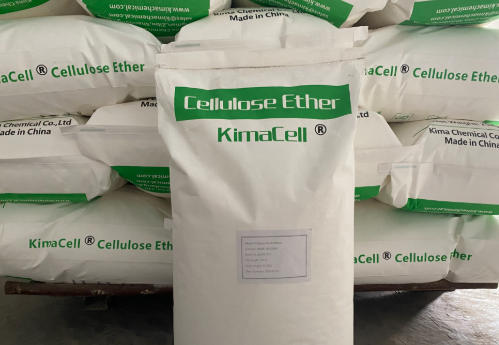
Cellulose ether is mainly produced from refined cotton linter or wood pulp, which provide the high-purity cellulose backbone required for consistent etherification. These raw materials are cleaned, bleached, dried and crushed before chemical processing.
HPMC combines methyl and hydroxypropyl groups, HEMC combines methyl and hydroxyethyl groups, and HEC contains only hydroxyethyl substitution. This difference in substitution strongly influences solubility, gel temperature, water retention and suitability for specific applications such as dry-mix mortars, paints or personal care products.
Alkalization converts cellulose into a more reactive form, alkali cellulose, while etherification introduces the functional groups that define cellulose ether properties. Careful control of these steps determines viscosity, substitution level, solubility and overall performance in the final application.
Producers adjust viscosity by choosing specific raw materials, modifying reaction conditions and, when necessary, applying controlled depolymerization to reduce molecular weight. Each batch is tested at standardized concentration and temperature to ensure it falls within the specified viscosity range before shipment.
Typical quality control includes tests for viscosity, degree of substitution, ash content, moisture level, pH and particle size distribution. Some applications also require color, purity and performance testing in reference formulations such as cement mortar or paint systems.
1. https://www.kimachemical.com/news/how-to-make-cellulose-ether/
2. https://www.celotech.com/news/what-is-cellulose-ether/
3. https://wotaichem.com/what-is-cellulose-ether/
4. https://www.ihpmc.com/news/process-for-the-manufacture-of-methyl-cellulose-ether/
5. https://www.kdochem.com/news/cellulose-ether-manufacturing-process.html
6. https://www.hpmcfactory.com/resources/the-difference-of-physical-and-chemical-properties-and-application-of-hpmc-and-hemc.html
7. https://tenessy.com/hpmc-vs-hemc-which-is-better-for-your-project/
8. https://hnxbntech.com/blog-detail/comparing-hemc-with-other-cellulose-ethers-in-industrial-applications


