


close
Choose Your Site
Global
Social Media
Views: 222 Author: Rebecca Publish Time: 2026-02-01 Origin: Site


Content Menu
● What Is Mortar Adhesion And Why It Fails
● 8 Common Reasons Mortar Does Not Stick
● 4 Proven Ways To Make Mortar Stick Better
>> 1. Treat The Substrate Properly
>> 2. Use High-Quality Raw Materials And Mix Correctly
>> 3. Control Humidity And Temperature
>> 4. Optimize The Application Process
● Key Additives To Improve Mortar Adhesion
● How Cellulose Ethers (HPMC, HEMC, HEC) Improve Mortar Adhesion
>> 1. Water Retention And Hydration Support
>> 2. Rheology, Anti-Sagging, And Contact With The Substrate
>> 3. Film Formation At The Interface
● Comparing HPMC, HEMC, And HEC In Mortar Adhesion
● Practical Formulation Tips: Using Cellulose Ether To Boost Adhesion
● Step-By-Step: How To Improve Mortar Adhesion On Site
● When To Upgrade To Polymer-Modified, Cellulose-Ether Mortar
● How Shandong Shengda Cellulose Ethers Support High-Adhesion Mortars
● Call To Action: Optimize Your Mortar Adhesion With Professional Cellulose Ethers
● FAQs About Mortar Adhesion And Cellulose Ethers
>> 1. Why does my new tile adhesive lose adhesion after a few months?
>> 2. How much can cellulose ether actually improve mortar adhesion?
>> 3. Is HPMC always better than HEMC or HEC for adhesion?
>> 4. Can I simply add more water to improve mortar adhesion?
>> 5. What is the relationship between tile adhesive open time and adhesion?
Mortar adhesion decides whether tiles, bricks, and renders stay safely in place for years or start debonding, cracking, and failing long before they should. For builders, contractors, and dry-mix manufacturers, understanding how to improve mortar adhesion—from surface preparation to the right cement additives such as cellulose ethers (HPMC, HEMC, HEC)—is essential for durable, low-maintenance projects.

Mortar adhesion is the bonding strength between the mortar and the substrate (concrete, brick, block, tile, or insulation board). When adhesion is poor, the mortar layer can detach under mechanical load, thermal movement, or moisture cycles.
Main mechanisms behind good mortar adhesion include:
- Mechanical interlocking with pores and surface roughness.
- Chemical interaction between cement hydrates, polymers, and the substrate.
- Proper moisture balance to allow full cement hydration and polymer film formation.
Typical adhesion failures you may see on site:
- Tiles sound hollow or fall off after a short time.
- Renders or skim coats peel from concrete or EPS/rock wool boards.
- Masonry joints debond, allowing water ingress and freeze–thaw damage.
Even a well-designed mortar can fail if jobsite conditions or application methods are wrong. Key reasons for poor adhesion include:
1. Incorrect mortar type
- Using general masonry mortar where polymer-modified adhesive is needed, for example large-format or low-absorption tiles.
2. Dirty or weak substrate
- Dust, oil, curing compounds, loose paint, or friable old mortar create a weak boundary layer that prevents bonding.
3. Overly smooth or non-porous surfaces
- Very smooth concrete, dense stone, or glazed tiles offer little mechanical key without extra surface treatment or bonding agents.
4. Wrong water ratio
- Too much water reduces strength and leads to segregation; too little water prevents proper hydration and film formation of polymer and cellulose ether.
5. Improper mixing
- Inadequate mixing time or no rest (maturing) period leads to non-uniform distribution of additives and inconsistent adhesion.
6. Harsh weather conditions
- High temperature, strong wind, or direct sunlight cause rapid drying; low temperature slows hydration and can freeze early-age water.
7. Missing or low-quality additives
- Lack of high-quality cellulose ether, redispersible polymer powder, or bonding agent results in poor water retention and low bond strength.
8. Incorrect curing
- Forced drying, early loading, or no curing protection leads to shrinkage cracks and reduced adhesive strength.
Good adhesion always starts with a sound, clean, and prepared surface.
Key steps:
- Remove dust, laitance, loose particles, grease, and paint using brushing, grinding, or pressure washing.
- Roughen very smooth concrete or stone with mechanical tools to improve mechanical interlock.
- Pre-wet highly absorbent substrates, such as aerated blocks, to saturated surface-dry (SSD) to avoid water loss from fresh mortar.
The quality of cement, sand, and admixtures directly shapes mortar adhesion.
Best practices:
- Select cement according to local standards and application, such as general masonry versus tile adhesive or repair mortar.
- Use clean, well-graded sand with proper particle size distribution, avoiding too much very fine dust.
- Follow the recommended water ratio and mixing time, usually with a mechanical mixer for consistent performance.
Maintaining moderate humidity and temperature supports cement hydration and polymer film formation.
On-site control tips:
- Avoid application under intense sun, strong wind, or freezing conditions whenever possible.
- Use shading nets, windbreaks, or temporary enclosures in extreme climates.
- Cover fresh mortar with plastic sheets or damp burlap to prevent rapid drying and shrinkage.
Even the best formula fails if applied poorly.
Practical measures:
- Apply mortar with consistent thickness and full coverage using appropriate trowels.
- For tile adhesives, use the correct notched trowel and press tiles firmly within the open time window.
- Respect recommended waiting times before grout, plaster overcoating, or load application.
Additives transform standard mortars into high-performance bonding systems. The most important for adhesion are:
| Additive type | Example products | Main functions related to adhesion |
|---|---|---|
| Polymer emulsions / RDP | Redispersible polymer powder, such as EVA or VAE | Improve bond strength, flexibility, crack resistance, and durability. |
| Cellulose ethers | HPMC, HEMC/MHEC, HEC | Enhance water retention, workability, anti-sagging, and contribute to bond strength. |
| Accelerators | Calcium formate and similar salts | Speed up setting and early strength without losing adhesion when correctly dosed. |
| Superplasticizers | Melamine or polycarboxylate water reducers | Increase fluidity at lower water content, helping achieve dense, strong, and well-bonded mortars. |
When correctly combined, polymers and cellulose ethers can significantly increase adhesive strength compared with unmodified cement–sand mortars.
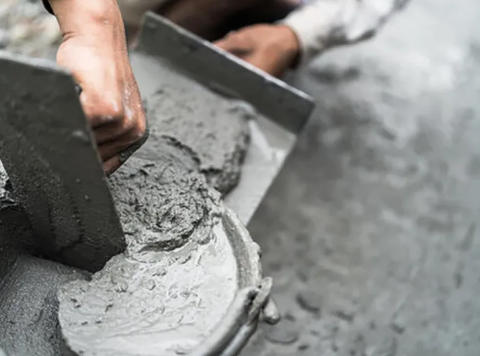
Cellulose ethers are water-soluble polymers derived from cellulose that act as thickeners, water-retention agents, and workability enhancers in mortars. Among them, HPMC, HEMC, and HEC each play a specific role.
HPMC, HEMC, and HEC hold water inside the mortar mix, preventing rapid evaporation into the environment or absorption by the substrate.
This provides:
- More complete cement hydration, which raises ultimate strength and adhesion.
- Sufficient open time to place, adjust, and finish mortars and tile adhesives.
- Better curing conditions with reduced plastic shrinkage cracking.
By increasing viscosity and providing thixotropy, cellulose ethers help mortar stay where it is placed and maintain intimate contact with the substrate.
Key effects:
- High viscosity in the resting state reduces sagging on vertical surfaces.
- Thixotropic behavior allows easy trowelling during application, then re-builds viscosity afterwards.
- Improved wetting and surface coverage enhance mechanical interlocking and adhesive bond.
During drying, cellulose ethers concentrate near the surface and contribute to micro-film formation in combination with polymer binders.
That supports:
- Stronger, more continuous bond lines at the interface.
- Better resistance to cyclic thermal and moisture stresses.
| Property / role | HPMC | HEMC | HEC |
|---|---|---|---|
| Typical use in mortars | Tile adhesive, skim coat, plaster, self-leveling | Similar to HPMC, especially exterior systems | Often in paints, sometimes masonry and repair mortars |
| Water retention | Very high | High | High, especially in coatings |
| Effect on adhesion | Strong, especially with polymer powder | Strong, good for systems exposed to temperature swings | Supports consistency and bonding where used |
| Workability and anti-sag | Excellent for vertical applications | Comparable to HPMC | Good thickening, slightly different feel |
For cement-based tile adhesives and renders, HPMC and HEMC are typically first choices, while HEC is more often used as a primary thickener in water-based paints and some masonry products. The best choice depends on your end-use conditions and the rheology profile you expect.
For dry-mix mortar producers, small adjustments to cellulose ether type and dosage can noticeably change adhesion and workability.
Guiding principles:
- Use construction-grade HPMC or HEMC with viscosities matched to tile adhesive, render, masonry, or skim coat applications.
- Start with typical dosages recommended for your mortar type, then fine-tune according to open time, slip resistance, and adhesion test results.
- Combine cellulose ether with appropriate redispersible polymer powder to balance early workability and long-term strength.
Laboratory tests, such as tensile adhesive strength after water immersion and heat aging, help you select the right combination of cellulose ether and polymers for demanding projects.
For contractors, the following field checklist helps ensure your mortar sticks better and fails less often.
1. Inspect and prepare the substrate
- Remove dirt, dust, weak layers, and coatings; repair cracks where needed.
2. Check ambient conditions
- Avoid extreme heat, cold, or wind; if unavoidable, use shading, windbreaks, or temporary enclosures.
3. Measure water accurately
- Follow the specified water-to-powder ratio; do not over-water for easier mixing.
4. Mix correctly
- Use a mechanical mixer for the specified time, allow the mixture to rest, then remix before use.
5. Apply the correct thickness and pattern
- Use the right trowel; ensure full coverage, especially in tile back-buttering when required.
6. Respect open time and adjustment time
- Place tiles or subsequent layers within the product's stated open time and check for skin formation before laying.
7. Cure properly
- Protect fresh mortar from early drying, rain, and freezing until initial strength is reached.
In some projects, traditional cement–sand mortars are not enough, and you should move to factory-produced, polymer-modified dry-mix systems containing HPMC, HEMC, or HEC.
Consider upgrading when:
- Installing large-format or low-porosity tiles on concrete or existing tiles.
- Applying thin-layer renders, EPS or rock-wool ETICS, or skim coats where adhesion and crack resistance are critical.
- Working in climates with large temperature and humidity variations.
These systems provide higher adhesion, better flexibility, and more consistent quality compared with site-mixed mortars.
As a professional cellulose ether manufacturer, Shandong Shengda New Material focuses on HPMC, HEMC, and HEC tailored for construction mortars and tile adhesives. By choosing the right grade, formulators and buyers can achieve stable water retention, optimized rheology, and reliable bond strength across different climates and substrates.
Typical support you can expect includes:
- Guidance on selecting HPMC or HEMC grades for tile adhesive, plaster, masonry, or self-leveling mortars.
- Technical recommendations on viscosity, dosage ranges, and compatibility with your polymers and fillers.
- Application-oriented testing support for adhesion strength, open time, slip resistance, and workability.
If you are upgrading from traditional site-mixed mortars, partnering with a specialized cellulose ether supplier helps shorten development time and reduce field failure risk.
If you are a mortar manufacturer, project owner, or contractor facing issues with debonding, hollow tiles, or peeling renders, the fastest way to improve performance is to upgrade your formulation with high-quality cellulose ether and a well-designed additive package.
Contact Shandong Shengda New Material today to:
- Discuss your current mortar adhesion challenges and target performance.
- Get tailored recommendations on HPMC, HEMC, and HEC grades, plus suggested dosage ranges for your specific products.
- Arrange sample testing and technical support so you can validate adhesion improvements in your own lab and on site.
With the right cellulose ether solution, you can design mortars that are easier to apply, more tolerant of jobsite conditions, and far more reliable over the service life of the structure.
Contact us to get more information!
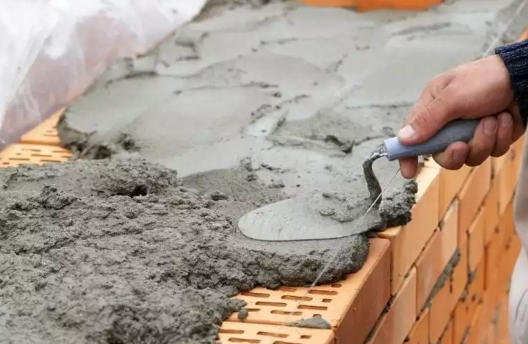
Delayed debonding is often linked to excess water, poor substrate preparation, low-quality additives, or extreme service conditions that the adhesive was not designed for. A properly formulated polymer- and cellulose-ether-modified adhesive, applied under suitable conditions, shows much better long-term bond stability.
Well-designed modified cement mortars can show significantly higher adhesive strength compared with unmodified mortars, especially under water and heat aging. The exact improvement depends on cement type, aggregates, polymer content, and jobsite conditions.
HPMC is widely used and delivers excellent water retention and workability, but HEMC can achieve comparable performance in many construction mortars, while HEC is often preferred in paints and specific masonry products. The best choice depends on your application, regulatory environment, and target rheology.
Adding more water may temporarily make mortar easier to spread, but it reduces final strength and can severely weaken adhesion. Instead, use appropriate cellulose ether and superplasticizers to achieve workability at controlled water content.
Open time describes how long a freshly combed adhesive layer can still provide reliable bonding when tiles are pressed into it. Sufficient open time, achieved with proper cellulose ether and polymer selection, helps ensure that tiles bond securely even on larger areas or in warm climates.


