


close
Choose Your Site
Global
Social Media
Views: 222 Author: Rebecca Publish Time: 2026-02-01 Origin: Site


Content Menu
● Concrete Curing Timeline: From Fresh Pour To Full Strength
● Does Concrete Thickness Change Curing Time?
>> Typical Curing Expectations For Common Slab Thicknesses
● Curing Time For Different Applications
● How Weather Conditions Affect Concrete Curing
>> Cold Weather (Below About 41°F / 5°C)
>> Hot Weather (Above About 86°F / 30°C)
● Curing Times For Different Concrete Types
● How Cellulose Ether Additives Influence Curing
>> Key Functions In Cement‑Based Materials
>> Impact On Curing Time In Practice
● Practical Curing Methods (Step‑By‑Step Guide)
>> 1. Immediately After Pouring
>> 3. Avoid Traffic, Vibration, And External Damage
● Expert Tips For Contractors And Material Buyers
● Why Choose Cellulose Ether Solutions From Shandong Shengda New Material?
● Call To Action: Get A Tailored Cellulose Ether Recommendation
● FAQs
>> Q1. How long does concrete really take to cure?
>> Q2. Can I drive on my new concrete driveway after 3 days?
>> Q3. Does using HPMC or HEMC make concrete weaker?
>> Q4. How can I cure concrete in winter without losing strength?
>> Q5. When should I start curing after pouring?
Concrete does not reach full strength overnight; it follows a staged curing process that typically spans at least 28 days, and this timeline can be intelligently controlled with HPMC, HEMC, and HEC to balance workability, water retention, and strength gain.

Concrete curing is the process of maintaining moisture and temperature so that cement can fully hydrate and reach its designed strength and durability.
Without proper curing, concrete becomes weaker, more porous, and more prone to cracking and surface dusting. Professional contractors treat curing as a full system in which mix design, environment, curing method, and admixtures all work together to control strength development.
Under normal conditions (around 68°F / 20°C, with moderate humidity), concrete passes through these typical stages.
1. Initial set – 1–2 hours
Concrete begins to stiffen; the surface can hold light impressions, but the mixture can still be adjusted slightly.
2. Final set – 4–6 hours
Concrete is hard enough that tools can no longer be worked into the surface.
3. Early strength at 24 hours
Concrete usually reaches about 20–30% of its design strength, and slabs can sometimes accept very light foot traffic only.
4. Partial strength at 7 days
Concrete typically develops about 60–70% of its design strength, which is suitable for many light construction loads.
5. Standard design age at 28 days
Concrete usually reaches around 90–100% of its specified compressive strength for most structural applications and is considered “fully cured” in practice.
In many cases, hydration and strength gain continue beyond 28 days, but 28 days is treated as the industry's standard reference age for quality control and structural design checks.
Many owners ask whether 2 inch, 4 inch, 5 inch, or 6 inch slabs cure at different speeds.
The basic curing timeline is driven mainly by cement content, water–cement ratio, admixtures, temperature, and humidity, not by thickness alone. Under similar conditions, a thin sidewalk and a thick house slab are both evaluated at 28 days for design strength, even though temperature gradients may differ slightly inside thicker elements.
| Concrete element / thickness | Initial set | Final set | Light walking | Light loads / small equipment | Near design strength |
|---|---|---|---|---|---|
| 2 inch topping | 1–2 h | 4–6 h | 24–48 h | 3–5 days | ≈28 days |
| 4 inch slab | 1–2 h | 4–6 h | 3–5 days | 7 days | ≈28 days |
| 5–6 inch driveway or pad | 1–2 h | 4–6 h | 3–7 days | 7–10 days | ≈28 days |
Different projects accept traffic and loading at different stages, even though the underlying hydration timeline is similar.
- Residential floors and slabs
- Walkable after about 3–5 days under normal temperature.
- Close to design strength at around 28 days.
- Driveways and exterior slabs
- Light vehicle traffic often allowed after 7–10 days, depending on strength class and local requirements.
- Full design load after about 28 days of proper curing.
- Foundations and footings
- Initial structural capacity for many small foundations reached after about 5–7 days.
- Standard design strength again at about 28 days.
- Swimming pools and water‑retaining structures
- Waterproofing and secondary works usually start after 5–7 days, to ensure sufficient early strength and dimensional stability.
In cold weather, setting is significantly slower. Initial set may extend to 3–6 hours, while final set may be delayed to 8–10 hours or even longer. Achieving early load‑bearing strength may require 7–14 days, and full curing can extend to 45 days or more. If concrete freezes before it gains critical strength, permanent internal damage and severe loss of strength can occur.
Best practices in cold weather:
- Use heated mixing water or warmed aggregates where allowed.
- Protect surfaces with insulating blankets or heated enclosures to keep concrete between roughly 50–70°F during early curing.
- Consider chemical accelerators specifically designed for cold weather to increase early strength, avoiding chloride-based products for reinforced concrete.
In hot weather, initial and final set may shorten to about 1–2 hours and 3–5 hours, respectively. Early strength appears faster, but rapid moisture loss greatly increases the risk of plastic shrinkage cracks and long‑term durability issues.
Best practices in hot weather:
- Place concrete during cooler hours, such as at night or early in the morning.
- Use sunshades, windbreaks, and curing compounds or plastic sheets to retain moisture.
- Apply frequent light watering after initial set to keep the surface moist without washing away the paste.
| Concrete type | Early setting & handling | Light use | Typical full cure |
|---|---|---|---|
| Dry‑pour concrete | Initial set: 2–4 h; final set: 5–8 h | 3–5 days for light loads | ≈28 days for design strength |
| Fast‑set (rapid‑hardening) concrete | Initial set: 15–30 min; final set: 30–60 min | 1–2 h for pedestrian traffic, ≈24 h for moderate loads | 7–14 days to reach near final strength |
| Ready‑mix concrete | Initial set: 1–6 h; final set: 3–10 h | 3–7 days for initial usable strength | ≈28 days to reach 90–100% of design strength |
| Self‑levelling concrete | Initial set: 1–3 h; final set: 4–8 h | 24–48 h before light traffic or floor finishes | 7–28 days, depending on formulation and thickness |
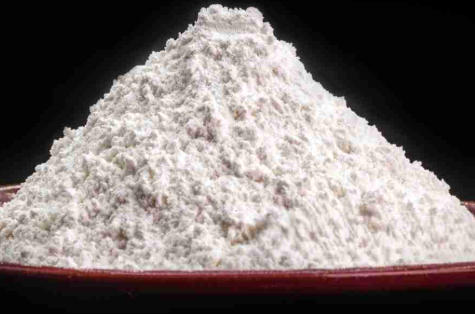
As a cellulose ether manufacturer, you can offer more than just generic curing advice by explaining how HPMC, HEMC, and HEC help concrete and mortar achieve more controlled and durable curing.
- Water retention
HPMC, HEMC, and HEC hold water in the cement paste, allowing more complete hydration and a stronger, denser microstructure, especially in thin sections and hot or windy climates.
- Controlled setting time
Cellulose ethers generally extend initial and final setting time, which improves workability and reduces cold joints. At suitable dosage levels, initial setting time can be extended by several hours compared to control mixes, giving contractors more safe working time.
- Improved workability and cohesion
By increasing viscosity, cellulose ethers help prevent segregation and bleeding, producing more uniform concrete or mortar.
- Crack resistance and surface quality
Better water retention reduces plastic shrinkage cracking and improves surface finish, which is particularly important in self‑levelling screeds, toppings, and repair mortars.
With proper dosage, cellulose ethers do not reduce final strength; they mainly redistribute the rate of early hydration to ensure more complete curing. In hot or dry environments, mixes containing HPMC, HEMC, or HEC can maintain moisture longer, which stabilizes the curing timeline and reduces the need for intensive external water curing. In cold weather, extended setting times should be balanced with accelerators, insulation, and temperature control to prevent excessive delays in early strength gain.
- Level and finish the surface as required.
- Once bleed water disappears and the surface has reached initial set, start curing as soon as possible.
Use one or a combination of the following methods.
1. Water curing: Regular spraying, ponding, or wet burlap and cloths kept continuously damp.
2. Plastic sheeting: Place sheets over the slab and seal laps and edges to minimize evaporation.
3. Curing compounds: Apply a membrane‑forming curing compound, if compatible with later coatings or adhesives, once the surface can be walked on without damage.
4. Insulation and covers: In cold or variable climates, use insulating blankets or enclosures to keep temperature within the recommended range.
- Restrict foot traffic during the first 24–72 hours, and avoid heavy loads until at least 7 days.
- Prevent impact, vibration, and early saw‑cutting from damaging partially cured concrete.
- Shield the slab from strong wind, rain, and direct sunlight that can disturb the surface or accelerate drying.
- For standard ready‑mix in typical climates, plan your schedule so that critical structural loads are applied after 28 days.
- In hot, windy, or thin‑section applications, consider cellulose ether‑modified products, such as mortars or self‑levelling compounds, to stabilize curing and improve final performance.
- In cold weather, combine temperature control through heating and insulation with appropriate admixtures so that extended setting times from cellulose ethers do not compromise early strength.
As a specialized manufacturer of HPMC, HEMC, and HEC, Shandong Shengda New Material Co., Ltd. helps concrete and mortar producers fine‑tune curing behavior, workability, and long‑term durability.
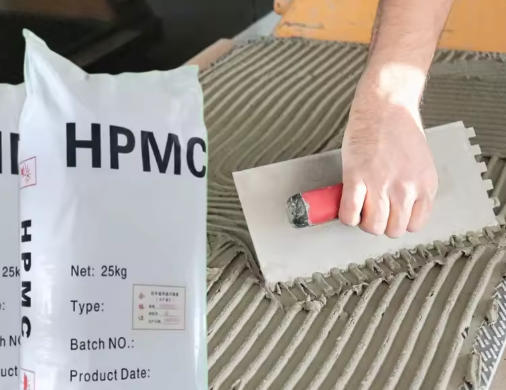
We supply application‑oriented grades for concrete, tile adhesives, self‑levelling underlayments, plasters, and EIFS systems. Our products deliver stable viscosity and water‑retention performance to support consistent curing results across different climates and project types. Our technical team can also help mix designers optimize dosage, compatibility with other admixtures, and curing strategies for each specific project.
If you are planning a new concrete or mortar project and need better control over curing time, workability, and cracking, contact Shandong Shengda New Material Co., Ltd. today. Our specialists can recommend HPMC, HEMC, or HEC grades tailored to your climate, binder system, and application, and provide sample materials and mix guidance so that your next project cures safely and reaches its full performance potential.
Contact us to get more information!
Most concrete mixes reach usable strength within about 7 days and around 90–100% of specified strength at 28 days under proper curing conditions, although hydration and strength gain can continue beyond this period.
Light vehicles are usually allowed only after about 7 days, when the concrete has reached roughly 60–70% of its design strength. Always follow the recommendations of your engineer and your local concrete supplier.
Correctly dosed cellulose ethers mainly extend setting time and improve water retention, which supports more complete hydration. When the mix is properly designed, long‑term strength is usually maintained or even improved.
Keep concrete within a moderate temperature range using insulating blankets, heated enclosures, and suitable accelerators, prevent freezing, and maintain surface moisture for at least the first 7 days to protect early hydration and strength development.
Begin curing as soon as bleed water has disappeared and the surface has reached its initial set, then continue maintaining moisture and temperature control throughout the critical first week.
1. https://wotaichem.com/how-long-does-concrete-take-to-cure/
2. https://sidleychem.com/effect-of-cellulose-ether-on-the-properties-of-cementitious-materials/
3. https://www.kimacellulose.com/will-hpmc-affect-the-curing-time-of-cement-based-materials.html
4. https://www.hpmcmanufacturer.com/the-effect-of-hpmc-on-setting-time-in-concrete/
5. https://www.aceavant.com/how-long-does-it-take-concrete-to-cure/
6. https://www.evensonconcrete.com/news/concrete-curing-time
7. https://amcorp.co/concrete-curing-times/
8. https://www.precast.org/blog/28-day-myth/
9. https://heatauthority.com/blogs/news/3-ways-to-curing-concrete-in-cold-weather
10. https://dependablecwblog.wordpress.com/2025/07/07/ultimate-guide-to-concrete-temperature/
11. https://www.irmca.com/association-highlights/cold-weather-concreting
12. https://www.kdochem.com/news/dry-mix-mortar-additives-content.html
13. https://pmc.ncbi.nlm.nih.gov/articles/PMC7766034/
14. https://tenessy.com/analysis-of-the-application-of-cellulose-ether-in-gypsum-plaster-mortar/


