


close
Choose Your Site
Global
Social Media
Views: 222 Author: Rebecca Publish Time: 2026-02-01 Origin: Site


Content Menu
● What Is Hydroxypropyl Methylcellulose (HPMC)?
● Main Production Methods of HPMC
● Representative HPMC Production Formulations and Processes
>> 1. Standard Water-Soluble HPMC
>> 2. High-Viscosity HPMC for Mortar and Putty
>> 4. Alcohol–Water Co-Soluble HPMC and Ethanol-Soluble HPMC
>> Summary Table of Typical Formulations
● Technological Progress and Process Optimization
● HPMC, HEMC, and HEC: Key Differences and Application Positioning
>> Structural and Performance Differences
>> Typical Application Positioning
● Main Application Fields of HPMC
>> Printing Ink
>> PVC Suspension Polymerization
>> Other Fields
● Practical Handling Tips for HPMC in Formulations
● Expert Perspective from Shandong Shengda New Material Co., Ltd.
● Clear and Targeted Call to Action
● FAQ
>> 1. What raw materials are commonly used to produce HPMC?
>> 2. How does HPMC improve the performance of construction mortars?
>> 3. What is the difference between HPMC and HEMC in practical applications?
>> 4. Can HPMC production be aligned with environmental and sustainability requirements?
>> 5. What viscosity range and product types can manufacturers like Shandong Shengda provide?
Shandong Shengda New Material Co., Ltd. is a professional manufacturer specializing in cellulose ether research, development, production, and sales. Our core products include Hydroxypropyl Methylcellulose (HPMC), Hydroxyethyl Methylcellulose (HEMC), and Hydroxyethyl Cellulose (HEC), which are widely used in construction, coatings, pharmaceuticals, and many other industries.

Hydroxypropyl Methylcellulose (HPMC) is a non-ionic cellulose ether obtained from highly purified natural cellulose such as refined cotton or wood pulp. Through an alkalization and etherification process, methyl and hydroxypropyl groups are introduced into the cellulose backbone, creating a multifunctional polymer with stable and predictable performance.
HPMC has excellent thickening ability, water retention, pH stability, film-forming performance, and good dispersibility. It is soluble in cold water and most polar organic solvents or mixed systems such as ethanol/water and propanol/water, forming clear or slightly turbid colloidal solutions. It is insoluble in ether, acetone, and anhydrous ethanol, but specific grades can be designed to be soluble in alcohol–water systems or even anhydrous ethanol.
A unique feature of HPMC is its thermal gel property: the aqueous solution forms a gel upon heating and returns to a liquid state after cooling. The gel temperature and solubility are closely related to the degree of substitution and viscosity. Generally, the lower the viscosity, the higher the solubility. Within the normal application range, HPMC solutions are not significantly affected by pH value.
In industrial practice, HPMC is mainly produced by two methods: the liquid phase method and the vapor phase method. Both start from cellulose but differ in reaction medium, equipment, and process control.
In the liquid phase method, the raw material is usually refined cotton. The typical process includes the following steps:
1. Crushing: Refined cotton is crushed by a joint crusher to increase surface area and improve reaction efficiency.
2. Alkalization: The crushed cellulose is impregnated with an aqueous sodium hydroxide solution in the presence of an organic solvent (such as toluene or other suitable media). This step converts cellulose into alkali cellulose and causes the fibers to swell.
3. Etherification: Alkali cellulose is reacted with chloromethane (methylating agent) and propylene oxide (hydroxypropylating agent) in a mixed solvent system. The reaction is carried out at elevated temperatures to introduce methyl and hydroxypropyl groups.
4. Post-treatment: After the reaction, by-products and unreacted reagents are removed. The product is neutralized, washed, refined, and then dried.
5. Pulverizing and grading: The dried product is pulverized and sieved to obtain uniform HPMC powder with stable viscosity and substitution degree.
The liquid phase method has several advantages. First, the internal pressure in the reaction equipment is relatively low, so the pressure requirements of the equipment are not high, which improves operational safety. Second, the alkali solution can fully penetrate into the cellulose, resulting in uniform alkalization and efficient swelling. Third, alkali cellulose can swell uniformly in the etherification reactor, which makes it easier to control product quality and obtain relatively uniform degree of substitution and viscosity. Different product grades and varieties can be produced flexibly by adjusting process parameters and formulations.
In the vapor phase method, wood pulp is often used as the cellulose source. Alkalization and etherification are carried out in the same closed reaction equipment, and the whole process is highly automated.
The general steps include:
1. Alkalization and etherification in one reactor: Wood pulp is mixed with aqueous sodium hydroxide and then reacted directly with gaseous chloromethane and propylene oxide. Temperature and pressure are precisely controlled by automatic systems to ensure reaction completeness and consistency.
2. Recovery of gaseous by-products: After the reaction, excess chloromethane and the by-product dimethyl ether enter a recovery system in the gaseous state and are separated and recycled, which reduces raw material consumption and environmental impact.
3. Refining and purification: The crude product is washed, neutralized, and refined through continuous equipment such as rotary filter presses.
4. Drying and pulverizing: Moisture is removed by drying, and then high-efficiency pulverizers are used to produce fine and uniform HPMC powder. Auxiliary processes such as mixing and packaging are also usually fully automated.
The vapor phase method is suitable for large-scale, continuous production. Precise temperature and pressure control help stabilize product quality, reduce manual intervention, and improve resource utilization.
According to different performance requirements, HPMC formulations and process conditions can vary significantly. Below are four representative types of HPMC formulations and corresponding process features.
A typical slurry system can be composed of:
- Crushed cellulose: 80 parts
- Sodium hydroxide: 26 parts
- Organic solvent (e.g., toluene): 950 parts
The process outline:
1. Form a uniform slurry of cellulose, sodium hydroxide, and solvent.
2. Add 106 parts of 50% sodium hydroxide solution and heat for about 30 minutes.
3. Evaporate methanol and water (if present in the system).
4. Add 120 parts of chloromethane and 10 parts of propylene oxide to the slurry.
5. React at 60–120°C for about 1.5 hours.
The resulting product has a methyl degree of substitution (DS) of about 2.0 and a hydroxypropyl substitution of about 0.1. It is readily soluble in water and suitable for general construction and coating applications.
For higher viscosity and enhanced water retention, a different ratio can be used:
- Crushed cellulose: 20 parts
- 50% sodium hydroxide solution: 40 parts
- Propylene oxide: 90 parts
- Chloromethane: 200 parts
Process conditions:
1. Under oxygen barrier conditions, add crushed cellulose, 50% lye, propylene oxide, and chloromethane to a slurry tank in the above ratios.
2. Pump the slurry into a reactor at 1.7–1.9 MPa pressure and 80°C, with continuous stirring for about 30 minutes each batch.
3. After the main reaction, convey the slurry to the washing and purification stage to remove salts and by-products.
The obtained product has about 27.5% methoxy (mass content) and 6.5% hydroxypropyl, with a viscosity around 14,000 mPa·s (depending on specific testing conditions). This grade is easily soluble in water and particularly suitable for tile adhesives, external wall putty, and other high-performance dry-mix mortars.
To meet special processing or formulation needs, another formulation can be adopted:
- Crushed cellulose: 20 parts
- 50% alkali solution: 36 parts
- Propylene oxide: 90 parts
- Chloromethane: 130 parts
Process conditions are similar to the previous high-viscosity grade, with reaction at 1.7–1.9 MPa and 80°C for about 30 minutes per batch. The final product is soluble in methanol and contains around 20.5% methoxy and 0.5% hydroxypropyl. This type is used in specific solvent-based systems demanding particular solubility behavior.
In some industries, there is a need for HPMC products that are soluble in alcohol–water systems or even in anhydrous ethanol, while also avoiding the use of methanol and dichloroethane in the process. Alcohol–water co-soluble HPMC is characterized by a relatively high hydroxypropyl content.
Its structural features typically include:
- Methyl degree of substitution (DS): 0.4–0.8
- Hydroxypropyl molar substitution (MS): 1.5–1.8
- The sum of methyl DS and hydroxypropyl MS greater than 1.8
To synthesize alcohol–water co-soluble HPMC, propylene oxide and chloromethane are used together as etherifying agents, often in a ratio such as 1.54 parts of propylene oxide to 0.4–0.8 parts of chloromethane (relative to cellulose).
For HPMC that can dissolve in anhydrous ethanol, a typical process is:
1. Prepare a slurry of refined cotton powder and 50% aqueous sodium hydroxide solution in a ratio of 20:14.
2. Add propylene oxide and chloromethane, fully mixing them at a ratio of 80:16.
3. Warm the fully mixed paste to about 60°C over 90 minutes and maintain the reaction for around 5.5 hours.
4. After the reaction, unload the material, then go through standard post-treatment (washing, neutralization, drying, and pulverizing).
The resulting product has a methyl substitution of about 0.58 and hydroxypropyl substitution of about 1.58. It dissolves rapidly in anhydrous ethanol, forming a clear, colorless, and viscous solution. It is also soluble in water and has a gel temperature of about 43°C in water. Such products are often used in alcohol-based coatings, tablets, and special solvent systems.
| Type | Main Ratios (Cellulose : NaOH or Lye : PO : CH3Cl) | Typical Conditions | Key Performance Features |
|---|---|---|---|
| Standard water-soluble | 80 : 26/106 : 10 : 120 | 60–120°C, batch | DS methyl around 2.0, hydroxypropyl around 0.1, water-soluble |
| High-viscosity construction | 20 : 40 : 90 : 200 | 80°C, 1.7–1.9 MPa | Approx. 27.5% methoxy, 6.5% hydroxypropyl, high viscosity |
| Methanol-soluble | 20 : 36 : 90 : 130 | 80°C, 1.7–1.9 MPa | Approx. 20.5% methoxy, 0.5% hydroxypropyl, methanol-soluble |
| Alcohol/ethanol co-soluble | 20 : 14 : 80 : 16 | 60°C, 5.5 h | DS methyl 0.58, hydroxypropyl 1.58, ethanol and water-soluble |
With the continuous development of materials science and process engineering, HPMC production has entered a stage of refined and intelligent control. Several important directions include:
- Continuous production: Compared with traditional batch production, continuous processes improve production capacity, reduce fluctuations between batches, and enhance raw material and energy utilization.
- Automation and digital control: Advanced control systems can monitor temperature, pressure, pH, and reaction conversion in real time, ensuring the consistency of viscosity, degree of substitution, and particle size.
- Cleaner production: Recycling of chloromethane and other organic solvents, optimized washing and wastewater treatment, and improved process design help reduce emissions and environmental impact.
- Customized product design: Different application scenarios, such as tile adhesives, self-leveling compounds, gypsum-based plasters, pharmaceutical tablets, and water-based coatings, require different viscosity and substitution ranges. Through precise control of reaction parameters and raw material ratios, manufacturers can provide finely tuned product portfolios.
Shandong Shengda New Material Co., Ltd. has been actively exploring continuous production processes for HPMC and developing hybrid ethers containing alkyl, carboxymethyl, and hydroxyalkyl groups to meet more stringent performance requirements in advanced applications.
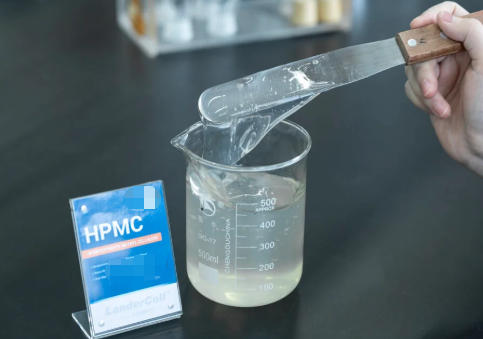
As a manufacturer supplying HPMC, HEMC, and HEC, it is important to clarify the characteristics and typical application positioning of each cellulose ether.
- HPMC (Hydroxypropyl Methylcellulose): Modified with methyl and hydroxypropyl groups. It offers excellent water retention, thickening, and film-forming behavior, with notable thermal gelation. It is widely used in construction mortars, wall putties, tile adhesives, joint fillers, water-based paints, and pharmaceuticals.
- HEMC (Hydroxyethyl Methylcellulose): Modified with methyl and hydroxyethyl groups. It shows good water retention and enhanced resistance to high temperature and alkaline environments, making it suitable for harsh construction site conditions and certain special coating systems.
- HEC (Hydroxyethyl Cellulose): Modified only with hydroxyethyl groups. It typically has good thickening and rheology control performance in water-based systems and is widely used in paints, coatings, oilfield chemicals, and some cleaning products.
- HPMC: Preferable in dry-mix mortars (cement-based tile adhesive, EIFS basecoat and finish coat, self-leveling compounds) and as film coatings and binders in solid dosage forms.
- HEMC: Often chosen for environments requiring higher temperature resistance, better alkali resistance, or longer open time, especially in certain external wall and hot-climate construction projects.
- HEC: Mainly used for water-based coatings, adhesives, and cleaning products where high clarity and stable rheology are critical.
A brief comparative overview is shown in the table below.
| Property / Product | HPMC | HEMC | HEC |
|---|---|---|---|
| Main substituents | Methyl, hydroxypropyl | Methyl, hydroxyethyl | Hydroxyethyl |
| Water retention | Excellent | Excellent to very good | Good |
| Thermal stability | Good | Very good | Moderate |
| pH stability | Wide range | Wide range | Wide range |
| Thermal gelation | Yes | Yes (profile slightly different) | No pronounced gelation |
| Typical uses | Mortars, putties, pharma, coatings | Mortars in harsh environments, coatings | Coatings, cleaning agents, oilfield |
By understanding these differences, end users can choose the most suitable cellulose ether product, and Shandong Shengda can also tailor grades based on specific project needs.
Due to its unique structure and performance, HPMC is widely used in many industries. Below are some major application areas and their typical functions.
In construction, HPMC is mainly used in cement-based and gypsum-based materials, such as:
- Cement mortar
- External and internal wall putty
- Tile adhesive and joint fillers
- External wall insulation systems (EIFS)
- Self-leveling underlayments
- Gypsum plasters and gypsum-based putties
Key functions include:
- Water retention: Reduces water loss to substrates and the environment, improves cement hydration, and increases final strength.
- Workability: Enhances smoothness, improves trowelability, and extends open time.
- Sag resistance: Improves vertical stability, prevents tile slipping and sagging of plaster layers.
- Crack resistance: Helps reduce shrinkage cracking caused by overly rapid drying.
HPMC is widely used as a binder in ceramic manufacturing. It improves green strength, helps shape retention during forming and demolding, and optimizes drying behavior to reduce cracks and defects.
In water-based coatings and paints, HPMC can function as:
- Thickener and rheology modifier
- Dispersant and stabilizer
- Film-forming enhancer
It improves brushability, prevents pigment sedimentation, and helps control splash and sagging in vertical applications.
In the ink industry, HPMC acts as a thickener, dispersant, and stabilizer with good compatibility with water and some organic solvents. It helps maintain viscosity stability, pigment dispersion, and print quality.
HPMC can be used as a molding release agent, softening agent, and lubricant in certain plastic processing operations. It improves mold release performance, surface quality, and dimension stability in specific formulations.
In the production of polyvinyl chloride (PVC) via suspension polymerization, HPMC is used as a key dispersant. It helps stabilize vinyl chloride monomer droplets in water, controls particle size distribution, and affects the final PVC resin morphology.
HPMC also finds application in:
- Leather and paper industries
- Fruit and vegetable preservation coatings
- Textile industry as a thickener or auxiliary
- Daily chemical and household care formulations
In pharmaceuticals, HPMC is a highly important excipient, used as:
- Coating material for tablets and capsules
- Film-forming agent
- Matrix polymer for controlled and sustained-release formulations
- Tablet binder
- Suspension stabilizer
- Viscosity enhancer in syrups and topical preparations
Its good safety profile, stable performance, and regulatory acceptance make it widely used in solid dosage forms and advanced drug delivery systems.
To fully utilize HPMC performance in practical applications, correct handling and dispersing methods are essential. Below are some general recommendations:
1. Add HPMC gradually to cold water, preferably under strong stirring, to avoid lump formation.
2. After HPMC is fully dispersed, allow sufficient time (usually 30–60 minutes) for hydration to reach final viscosity.
3. For formulations with other powder components (such as dry-mix mortars), pre-mixing HPMC powder evenly with other powders can improve dispersibility.
4. Adjust dosage according to product type and performance requirement; for many cement mortars, typical dosages range from about 0.2% to 0.5% by weight of total dry mix.
5. Pay attention to the influence of salts, pH, and other additives on the viscosity and stability of HPMC solutions.
Shandong Shengda can provide detailed technical guidance and on-site support for different application systems.
As a company deeply engaged in cellulose ethers, Shandong Shengda focuses on the following aspects:
- Stable raw material selection: Strictly control the quality and purity of cellulose sources such as refined cotton and wood pulp.
- Precision in degree of substitution and viscosity: Ensure consistent DS and viscosity for each batch, and provide fine grading to meet different application standards.
- Product customization: According to the practical needs of customers in construction, coatings, pharmaceuticals, and other fields, provide tailored formulation design, sample evaluation, and long-term technical support.
- Technology upgrading: Continuously optimize liquid phase and vapor phase production processes, explore continuous production technologies, and promote cleaner, more environmentally friendly manufacturing.
Through these efforts, we aim to provide reliable, high-performance HPMC, HEMC, and HEC products for global partners and actively support the upgrading of downstream industries.
If you are looking for a stable and trustworthy supplier of HPMC, HEMC, and HEC for construction materials, coatings, pharmaceuticals, ceramics, or PVC production, Shandong Shengda New Material Co., Ltd. is ready to support your business. Contact our technical team to discuss your specific formulation requirements, request free samples for testing, or obtain customized product recommendations based on your application scenarios. Get in touch with us today through our website or customer service channels to start optimizing your products with high-quality cellulose ethers from Shandong Shengda.
Contact us to get more information!
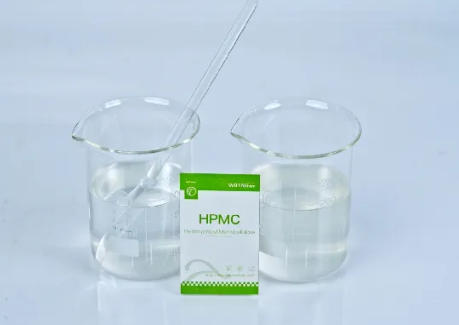
HPMC is generally produced from refined cotton cellulose or wood pulp. These cellulose raw materials are first alkalized with sodium hydroxide and then etherified with chloromethane and propylene oxide to introduce methyl and hydroxypropyl groups, ultimately forming water-soluble or solvent-compatible cellulose ethers.
In construction mortars, HPMC enhances water retention and improves workability. It slows down water loss to the base substrate and the environment, helps cement hydrate more completely, increases final strength, reduces shrinkage cracking, and provides better open time and sag resistance, especially for tile adhesives and vertical plaster applications.
HPMC and HEMC are both cellulose ethers with excellent water retention and thickening performance. HPMC, modified by methyl and hydroxypropyl, is widely used in general and high-performance mortars, putties, and coatings. HEMC, modified by methyl and hydroxyethyl, often shows better performance under high temperature and alkaline conditions and is preferred in some harsh or hot-climate construction environments where longer open time and more robust stability are needed.
Yes. Modern HPMC production emphasizes solvent recovery, energy-saving process design, and wastewater treatment. By optimizing reaction conditions, recycling chloromethane and by-products, and adopting continuous or semi-continuous processes, manufacturers can significantly reduce emissions and resource consumption. Some producers also explore the use of more sustainable raw materials and cleaner auxiliary agents to further improve the overall environmental profile of HPMC production.
Professional manufacturers can supply a wide viscosity range of HPMC products, from low-viscosity grades used in spray applications or special fluid systems to high-viscosity grades used in tile adhesives, putties, and joint fillers. Additionally, there are water-soluble, alcohol–water co-soluble, and special solvent-soluble types, as well as products tailored for construction, coatings, pharmaceuticals, ceramics, and PVC polymerization. Shandong Shengda can recommend and customize appropriate grades according to your specific industry and formulation requirements.
1. https://wotaichem.com/how-is-hydroxypropyl-methylcellulose-hpmc-produced/
2. https://www.kimachemical.com/news/methods-for-dissolving-hydroxypropyl-methylcellulose-hpmc/
3. https://www.hpmcmanufacturer.com/global-market-trends-for-hpmc-in-2025/
4. https://tenessy.com/hpmc-vs-hemc-which-is-better-for-your-project/
5. https://www.kdochem.com/news/differences-between-hpmc-and-hec.html


