


close
Choose Your Site
Global
Social Media
Views: 222 Author: Rebecca Publish Time: 2026-02-01 Origin: Site


Content Menu
● What Is Hydroxyethyl Cellulose HEC in Water Based Paint
● Key Benefits of HEC in Water Based Paint
● Main Application Methods of HEC in Latex Paint
>> Method 1 Direct Addition of HEC into the Paint Batch
>> Method 2 Preparing a High Concentration HEC Mother Liquor
>> Method 3 Porridge Slurry Method Using Organic Solvent or Ice Water
● Critical Precautions When Preparing HEC Mother Liquor
>> General Handling and Dissolution Rules
>> Influence of Water Temperature and pH
>> Maximum Concentration for High Viscosity HEC
● Practical Formulation Tips for Water Based Paint with HEC
>> Sequence of Addition in Paint Production
● Comparison of HEC Addition Methods in Water Based Paint
● Why Work with a Professional HEC Manufacturer
● FAQ
>> 1. What Is the Main Role of HEC in Latex Paint
>> 2. Why Should HEC Be Added Slowly into Water
>> 3. What Is the Recommended Concentration for High Viscosity HEC Mother Liquor
>> 4. How Long Does It Take for HEC Porridge to Thicken a Coating after Addition
>> 5. Can Organic Solvents Be Used Directly to Dissolve HEC
Hydroxyethyl cellulose HEC is a key rheology modifier and thickener for modern water based paints especially architectural latex coatings where it improves viscosity application properties and storage stability. This guide explains what HEC is how it works in water based paint and how professional formulators can use it step by step to achieve stable defect free coatings.
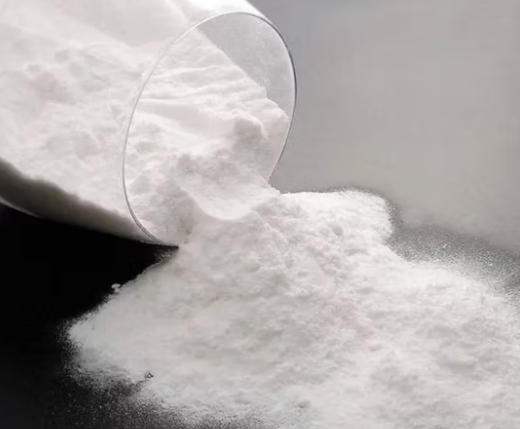
Hydroxyethyl cellulose HEC is a water soluble non ionic cellulose ether produced by chemically modifying natural cellulose with hydroxyethyl groups. Because of its non ionic nature HEC shows excellent compatibility with most latex binders pigments and additives used in architectural and industrial water based paints.
In water borne coatings HEC primarily functions as
- Thickener Controls low and mid shear viscosity for brushing rolling and spraying.
- Rheology modifier Helps build desirable pseudoplastic flow to improve leveling and sag resistance.
- Stabilizer Enhances pigment and filler suspension reducing settling during storage.
These functions make HEC one of the most widely used thickeners in interior and exterior latex paints primers and textured coatings.
Using properly selected and correctly dissolved HEC grades can significantly improve the overall performance and user experience of water based paints.
Main benefits include
- Optimized application viscosity for brush roller and spray reducing dripping and splattering.
- Improved leveling and surface smoothness minimizing brush and roller marks.
- Enhanced storage stability limiting pigment settling and syneresis over time.
- Good compatibility with common coalescents glycols surfactants and biocides used in water based systems.
- Clear solutions in water which is important for transparent or lightly tinted coatings.
For professional manufacturers such as Shandong Shengda New Material Co Ltd selecting the right HEC viscosity grade and optimizing the addition method is essential to fully realize these benefits in commercial paint formulations.
In latex paint production HEC is typically introduced in one of three ways direct addition to the batch preparation of a concentrated stock solution mother liquor or pre slurrying with organic solvent or ice water. The choice depends on plant equipment target viscosity and desired production efficiency.
In this approach HEC powder is dispersed and dissolved directly in the aqueous phase during paint manufacturing.
Recommended basic steps
1. Charge water and liquid additives
Add the required amount of clean water into the high shear or strong mixing tank then add ethylene glycol wetting agents and film forming aids as required by the formulation.
2. Start low speed stirring and slowly add HEC
Keep the mixer running at low speed to create a stable vortex and slowly sift HEC into the vortex to avoid lump formation and ensure complete wetting of each particle.
3. Continue mixing until all particles are wetted
Maintain agitation until no dry powder is visible and the slurry appears uniform.
4. Add antifungal agents and pH adjusters
Introduce biocides and pH modifiers according to the paint recipe once the HEC is fully wetted.
5. Complete dissolution and finish the formula
Stir until HEC is completely dissolved indicated by a significant increase in viscosity and a clear or uniformly opaque solution then add pigments fillers latex emulsion and the remaining additives to complete the coating.
This method is suitable where high shear equipment is available and precise control over wetting and dissolution is possible.
Another widely used strategy is to first prepare a high concentration HEC solution mother liquor then add it to the latex paint during the grind or let down stage.
Typical procedure
1. Prepare the HEC stock solution
Add water and required solvents or liquid additives into a separate mixing tank and gradually sift HEC into the vortex under adequate stirring power a high strain cutting stirrer is not strictly required but the mixer must be strong enough to keep particles dispersed.
2. Disperse and dissolve HEC
Follow steps similar to Method 1 wet all particles avoid lumping and maintain stirring until HEC is completely dissolved into a thick clear solution.
3. Add antifungal agents early
Biocides should be added as early as possible into the mother liquor to prevent microbial growth during storage.
4. Use the mother liquor in paint
Once the thick HEC solution is fully hydrated and stable it is dosed accurately into paint batches to fine tune viscosity and rheology.
This method improves dosing accuracy simplifies process control and is particularly convenient in multi product factories where one HEC mother liquor can serve different formulations with customized addition levels.
HEC can also be pre dispersed as a porridge like slurry in a poor solvent mixture then added directly into paint. This technique helps avoid lump formation and accelerates dissolution.
Key principles
- Many organic solvents are poor solvents for HEC and can be used to prepare porridge slurries.
- Ice water is also a poor solvent commonly used together with organic liquids to create a slurry in which HEC is fully wetted but not yet dissolved.
Typical porridge preparation steps
1. Mix six parts of selected organic solvent or ice water with one part HEC by weight to form a homogeneous porridge.
2. Ensure the HEC particles are fully foamed and wetted in the slurry they should not dissolve at this stage.
3. Add the porridge directly into the coating under strong stirring.
4. After addition continue agitation until the HEC dissolves completely and distributes uniformly in the paint.
5. Within about 5 to 30 minutes hydroxyethyl cellulose will hydrate swell and thicken the coating.
This method is ideal when the production line has limited high shear capacity or when fast and lump free thickener incorporation is desired.
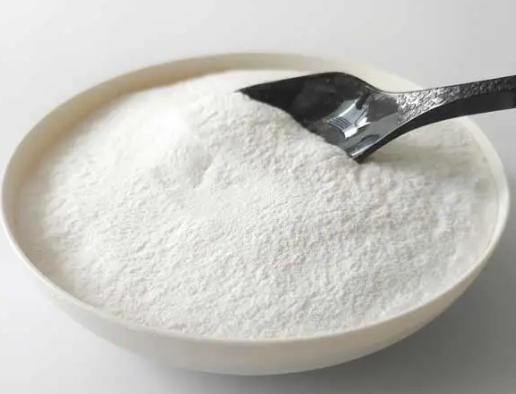
To obtain a clear stable HEC solution that consistently delivers the target viscosity several technical precautions must be followed.
- Use processed powder particles correctly HEC is supplied as processed powder easy to handle and designed for good water solubility but only if properly dispersed.
- Add antifungal agents in advance Whenever possible introduce biocides before or during dissolution to control microbial growth in mother liquor tanks.
- Maintain continuous stirring Stir before during and after adding HEC until the solution becomes completely transparent and clear indicating full dissolution.
- Sift slowly into the mixing drum HEC must be added gradually through a sieve or powder feeder into the vortex.
- Avoid adding lumps or balls Blocky or spherical HEC agglomerates must not be dumped directly into the drum as they hydrate from the outside and form gels that are very difficult to dissolve.
Water temperature and pH have a significant impact on the dissolution rate and final viscosity of HEC solutions.
- Temperature
Moderately cool to ambient water typically offers better control of wetting and hydration while too hot water may cause premature swelling or partial gel formation slowing complete dissolution.
- pH
Avoid adding alkaline substances before HEC powder has been fully soaked and dispersed in water because early alkalinity may accelerate surface gelation. After HEC is well soaked and dispersed raising pH within the recommended range can assist hydration and viscosity development.
When using high viscosity HEC grades the mother liquor concentration typically should not exceed 2.5 to 3 percent by weight. Higher solid levels can make the stock solution too viscous leading to difficult pumping inaccurate metering and poor mixing in the final paint.
To achieve consistent rheology and performance professional paint manufacturers can follow the best practices below.
- Match viscosity grade to application
Medium viscosity for general interior wall paints and higher viscosity for heavy duty high build or textured coatings.
- Consider substitution level and particle size to balance hydration speed sag control and flow.
A typical high level sequence can be
1. Water coalescents wetting agents and defoamers.
2. HEC added directly or as mother liquor or porridge.
3. Biocides and pH control agents.
4. Pigments and fillers for the grind stage.
5. Latex emulsion and remaining functional additives during let down.
This sequence supports stable dispersion efficient thickener hydration and uniform viscosity build throughout the batch.
- Measure Brookfield viscosity or other relevant rheology parameters at multiple shear rates.
- Visually check for undissolved particles fish eyes or gels and adjust mixing conditions if needed.
- Conduct storage stability tests such as accelerated aging to monitor viscosity drift and pigment settling.
| HEC method | Main equipment requirement | Key advantages | Key risks if misused |
|---|---|---|---|
| Direct addition | High strain or strong agitator for good dispersion | Simple process flow no separate stock tank needed | Lumping incomplete dissolution air entrainment |
| Mother liquor | Separate mixing tank medium power stirrer | Accurate dosing easier viscosity adjustment | Microbial growth if biocides added too late |
| Porridge or slurry | Mixer for handling organic or ice water slurry | Very low risk of fish eyes fast thickening | Solvent handling and need for ratio control |
For producers of architectural and industrial coatings working with a specialized cellulose ether manufacturer is essential to ensure consistent quality and reliable technical support. A professional supplier can
- Recommend tailored HEC grades for interior or exterior paints and different gloss levels.
- Provide detailed dissolution and handling guidelines adapted to your equipment and production process.
- Offer laboratory and field support to solve sagging leveling and viscosity drift issues quickly.
As a dedicated cellulose ether manufacturer Shandong Shengda New Material Co Ltd focuses on research development production and sales of HPMC HEMC and HEC for a wide range of construction and coating applications.
If you want to optimize the rheology of your water based paints reduce production problems and improve the final application feel our technical team is ready to support your formulation work. Contact Shandong Shengda New Material Co Ltd today to discuss your specific coating system request suitable HEC grades and obtain tailored guidance on the best addition method for your plant. Our experts can help you run laboratory trials and scale them up smoothly so that your next generation of water based coatings delivers stable performance and a professional surface finish.
Contact us to get more information!
HEC mainly acts as a thickener and rheology modifier improving viscosity leveling sag resistance and storage stability in water based latex paints.
Slow addition avoids the formation of lumps or fish eyes and allows each particle to be fully wetted and dissolved which is essential for a clear homogeneous solution.
For high viscosity HEC the mother liquor concentration is typically kept at 2.5 to 3 percent by weight to ensure manageable viscosity and easy handling.
After adding the porridge slurry into the paint and stirring HEC generally hydrates and swells within about 5 to 30 minutes delivering the desired thickening effect.
Common organic solvents are usually poor solvents for HEC and are therefore used to prepare porridge like slurries for easier dispersion rather than for direct dissolution.


