


close
Choose Your Site
Global
Social Media


Content Menu
● Toxicological Profile and Safety Data
● Regulatory Status of HPMC and HPMC Capsules
● HPMC Capsules vs. Gelatin Capsules
● Potential Side Effects and Allergic Reactions
● Special Populations: Children, Pregnant Women, and People With Allergies
● Quality, Manufacturing, and Purity Considerations
● HPMC Safety Beyond Capsules: Food, Cosmetics, and Construction
● HPMC Capsules in Global Markets
● Practical Example: Using HPMC Capsules in Daily Supplements
>> 1. Are HPMC capsules safe for long‑term daily use?
>> 2. Are HPMC capsules suitable for vegetarians and vegans?
>> 3. Do HPMC capsules have any common side effects?
>> 4. How do HPMC capsules dissolve in the body?
>> 5. Are HPMC capsules better than gelatin capsules?
HPMC capsules are widely regarded as safe, well‑tolerated, and suitable for long‑term use in food, supplements, and pharmaceutical products when manufactured and used according to relevant regulations. Extensive toxicological data, international regulatory approvals, and decades of practical application all support the safety of HPMC capsules for most consumers, including vegetarians, vegans, and individuals with dietary or religious restrictions.

Hydroxypropyl methylcellulose (HPMC), also called hypromellose, is a semi‑synthetic polymer produced by chemically modifying natural cellulose with hydroxypropyl and methyl groups. It appears as a white or off‑white, odorless, tasteless powder that swells or dissolves in water to form clear or slightly opalescent solutions. These properties make HPMC suitable for use as a film former, binder, thickener, and capsule shell material in the pharmaceutical, food, and cosmetic industries.
HPMC is a nonionic cellulose ether, meaning it carries no net charge and is relatively inert in many formulations. It is chemically stable over a wide pH range, typically from about 3 to 11, and is insensitive to normal levels of light, heat, and oxygen. This stability allows HPMC to maintain performance during processing, storage, and use, which is a key reason why HPMC capsules are increasingly preferred in modern formulations.
HPMC capsules are hard or soft empty capsule shells made primarily from pharmaceutical‑grade HPMC and small amounts of functional excipients such as colorants, gelling agents, or lubricants. Manufacturers fill these capsules with active ingredients, including pharmaceutical drugs, vitamins, minerals, herbal extracts, probiotics, and other nutraceutical components. Because the capsule shell is the first material that contacts the body's fluids, its quality and safety directly influence the overall product profile.
The main roles of HPMC capsules include enclosing and protecting active ingredients, masking unpleasant tastes and odors, and controlling the release of the contents in the gastrointestinal tract. HPMC capsules are particularly valuable for moisture‑sensitive or oxygen‑sensitive ingredients because they typically have lower moisture content than gelatin capsules and better humidity stability. As a result, HPMC capsules help maintain potency and shelf life, especially in challenging climates and distribution chains.
Toxicology studies in animals show that HPMC has extremely low acute oral toxicity, with LD50 values greater than 20 g/kg body weight in rats, placing it in a practically non‑toxic category. Long‑term feeding studies in which HPMC was included at high proportions of the diet, often 5–10%, did not demonstrate carcinogenic, mutagenic, or reproductive toxic effects. These results indicate that even intake levels far higher than typical human exposure do not lead to significant health risks.
In addition to oral toxicity, studies on skin and eye contact show that HPMC is non‑irritating or at most mildly and transiently irritating, and it is generally non‑sensitizing. While airborne dust at high concentrations may cause temporary mechanical irritation of the respiratory tract during industrial handling, this is a physical effect rather than a chemical toxicity issue. Basic industrial hygiene, such as dust control, ventilation, and personal protective equipment, is sufficient to manage this risk during manufacturing.
From a physiological perspective, HPMC behaves largely like a non‑digestible, soluble fiber. After oral ingestion, most HPMC is not broken down by human digestive enzymes and is not significantly absorbed from the gastrointestinal tract. Instead, it passes through the digestive system largely unchanged and is excreted in the feces. A small portion may be partially degraded by gut microbiota into low‑molecular‑weight polysaccharides or organic acids, but this does not pose a toxicological concern.
Because systemic absorption is minimal, internal exposure of organs and tissues to HPMC is extremely low, which helps minimize the risk of systemic toxicity. In pharmaceutical formulations, the ability of HPMC to form gels in aqueous environments is used intentionally to create sustained‑release or controlled‑release dosage forms. The HPMC matrix swells, forms a gel layer, and regulates the diffusion or erosion of active ingredients, while the polymer itself remains pharmacologically inert.
The safety of HPMC has been evaluated by numerous regulatory bodies and expert committees worldwide. In many jurisdictions, HPMC is classified as a Generally Recognized As Safe (GRAS) substance or equivalent, reflecting expert consensus that it is safe under conditions of intended use. It is listed as food additive E464 in the European Union and appears in major pharmacopoeias as an approved excipient for tablets, capsules, and other dosage forms.
Food additive standards typically permit the use of HPMC at levels consistent with good manufacturing practice, without a fixed numerical upper limit on acceptable daily intake. In the pharmaceutical sector, HPMC specifications cover parameters such as purity, viscosity, degree of substitution, and limits for heavy metals and residual solvents. Manufacturers of HPMC capsules must comply with pharmacopeial requirements and Good Manufacturing Practice (GMP) standards to ensure that the capsules are safe, consistent, and suitable for use in medicines and supplements.
Because HPMC is plant‑derived and free of animal tissues, many HPMC capsule products also achieve additional certifications such as vegan, Halal, and Kosher. These certifications, along with regulatory approvals, give consumers and brand owners confidence that HPMC capsules are appropriate for a wide range of cultural and dietary needs.
Both HPMC and gelatin capsules are broadly recognized as safe, but they differ in origin, properties, and suitability for certain applications and consumer groups. Gelatin capsules are manufactured from animal collagen, typically sourced from bovine or porcine materials. This animal origin can conflict with vegetarian, vegan, Halal, Kosher, or allergy‑related requirements. By contrast, HPMC capsules are plant‑based and do not contain animal proteins, which makes them attractive to consumers who avoid animal products or have concerns about animal‑derived ingredients.
Another important difference is moisture behavior. Traditional gelatin shells usually contain higher water content and can become brittle in low‑humidity environments or sticky in high‑humidity conditions. HPMC capsules generally have a lower moisture content and better dimensional stability across a range of humidity conditions, which helps maintain mechanical strength and capsule integrity. This advantage is especially important for dry powder inhaler (DPI) products and moisture‑sensitive oral formulations.
Microbial stability can also differ. Because animal protein can support microbial growth more readily than cellulose‑based materials, gelatin capsules may require stricter control of water activity and storage conditions. HPMC capsules, being based on plant cellulose and possessing lower moisture, are less prone to bacterial growth under equivalent conditions. This does not mean that gelatin is unsafe, but it highlights an extra layer of robustness and flexibility that HPMC capsules can provide in demanding environments.
For most people, HPMC capsules do not produce noticeable side effects when used at normal supplemental or therapeutic doses. The polymer is inert, non‑nutritive, and largely unabsorbed, so it does not typically interfere with metabolism or organ function. Any digestive discomfort associated with a product in HPMC capsules is more likely to arise from the active ingredients, high doses of actives, or other excipients rather than from the HPMC shell itself.
Nevertheless, rare hypersensitivity or intolerance reactions are theoretically possible, as they are with almost any excipient. Some individuals may experience symptoms such as rash, itching, hives, swelling, or respiratory difficulty. Serious reactions such as anaphylaxis appear to be extremely rare, but they cannot be entirely ruled out. Anyone who experiences signs of allergy after taking a product in HPMC capsules should discontinue use and seek medical advice promptly.
At very high doses, especially with concentrated HPMC formulations, some people may notice gastrointestinal symptoms resembling those produced by other soluble fibers. These can include bloating, gas, or changes in stool consistency or frequency. Such effects usually subside when the dose is reduced or discontinued. For typical capsule use, the amount of HPMC per dose is relatively small, so significant digestive effects are uncommon.
Because HPMC is not significantly absorbed and has a long history of safe use, it is generally considered acceptable for a wide range of populations, including children and older adults, when used as part of properly formulated products. The key safety considerations for these groups typically concern the active ingredients rather than the capsule shell. However, as with any supplement or medicine, healthcare guidance is recommended before use in vulnerable populations such as infants, pregnant women, or breastfeeding mothers.
For people with food allergies or intolerances, HPMC capsules provide an important advantage: they do not contain common dietary allergens such as gluten, dairy, soy, eggs, peanuts, tree nuts, fish, shellfish, or sesame. This allergen‑free profile helps reduce the risk of unintended reactions that might occur with other capsule materials or with excipients derived from potential allergens. Individuals who have known hypersensitivity to cellulose derivatives or synthetic polymers should still exercise caution, but such allergies are rare.
Patients on multiple medications or with complex health conditions should always consult healthcare professionals before starting new supplements, regardless of whether the capsules are made from HPMC or gelatin. A doctor or pharmacist can assess potential interactions, dose issues, and individual risk factors more effectively than general guidelines.
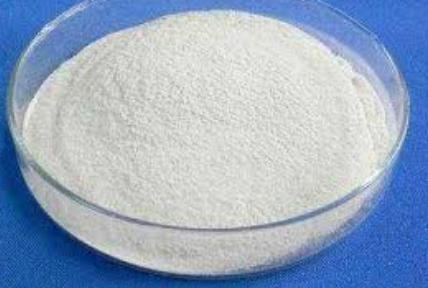
While the intrinsic safety of HPMC is well established, the overall safety of HPMC capsules depends heavily on manufacturing quality and raw material control. Pharmaceutical‑grade HPMC must meet stringent specifications for purity, viscosity, substitution pattern, microbial limits, and residual solvent content. Capsule manufacturers then convert this HPMC into shells using carefully controlled processes that determine mechanical strength, disintegration time, and uniformity.
Quality systems such as GMP, ISO certifications, and pharmacopeial compliance help ensure that HPMC capsules are consistent from batch to batch. Reputable manufacturers validate and monitor critical parameters including capsule wall thickness, moisture content, microbiological status, and compatibility with intended fills. They also implement cleaning, ventilation, and dust control measures to maintain safe working conditions and prevent cross‑contamination.
End users, including pharmaceutical companies and dietary supplement brands, should select HPMC capsule suppliers that can provide comprehensive documentation such as certificates of analysis, safety data sheets, and regulatory support. Choosing high‑quality HPMC capsules reduces the risk of defects such as brittleness, poor sealing, delayed dissolution, or contamination, all of which can affect product performance and consumer safety.
The safety of HPMC is reinforced by its broad use in multiple industries, not just in capsules. In the food sector, HPMC functions as a thickener, stabilizer, emulsifier, and film‑forming agent in products such as bakery items, coatings, and low‑fat foods. Regulations often allow its use at levels determined by good manufacturing practice, and no numerical acceptable daily intake limit has been deemed necessary in many safety reviews.
In cosmetics and personal care products, HPMC is used in creams, lotions, shampoos, toothpastes, and other formulations as a rheology modifier and stabilizer. Used at typical cosmetic concentrations and according to safety guidelines, HPMC shows low irritation potential for skin and eyes and contributes to product texture and stability. The polymer's inertness and stability support its classification as a low‑hazard ingredient in topical applications.
Even in non‑ingested fields like construction materials—where HPMC is used in mortars, tile adhesives, and plasters for water retention and workability—its classification is generally as a low‑hazard material. The main concerns in these settings involve dust inhalation and eye contact, which are managed through basic occupational safety measures. This broad experience in different industries provides additional practical confirmation of HPMC's low intrinsic toxicity.
HPMC capsules have gained a strong foothold in global pharmaceutical and nutraceutical markets. They are widely used in North America and Europe and show rapid growth in the Asia‑Pacific region, where rising incomes and higher awareness of vegetarian and allergen‑friendly options are driving demand. Manufacturers value the combination of plant origin, regulatory acceptance, and technical performance that HPMC capsules offer.
The market share of HPMC capsules continues to expand as more brands replace gelatin shells with plant‑based alternatives. Market analyses indicate that the global value of hypromellose capsule sales has grown steadily in recent years and is expected to continue climbing as vegan, clean‑label, and allergen‑conscious trends strengthen. For companies that export worldwide, adopting HPMC capsules simplifies label claims and reduces the need for multiple capsule types across different markets.
New technologies further enhance the utility of HPMC capsules. Improvements in printing, color matching, and capsule engineering allow precise branding and tamper‑evident features without sacrificing dissolution performance. Ongoing optimization of HPMC grades and gelling systems supports specialized applications such as delayed‑release capsules and dry powder inhalers, reinforcing the role of HPMC as a versatile and reliable excipient.
Consider a daily multivitamin sold in two formats: one in gelatin capsules and one in HPMC capsules, both containing identical active ingredients. For most users, both products will deliver vitamins effectively, but the HPMC version provides additional benefits for specific consumers. Vegetarians and vegans can take the HPMC capsules without compromising their dietary principles, and people worried about animal‑derived materials or certain religious requirements can choose the plant‑based option with confidence.
From a technical standpoint, the HPMC capsules may also offer improved stability for certain sensitive nutrients, especially in warm or humid climates. Their lower moisture content helps limit hydrolysis and oxidation of moisture‑sensitive actives, which can support better potency over the shelf life. The inertness and low toxicity of HPMC ensure that the polymer itself does not interfere with the body's handling of the vitamins.
If a user alternates between the gelatin‑based and HPMC‑based multivitamin products, any differences in tolerance or effect are more likely to be linked to formulation nuances, manufacturing quality, or dose variations rather than to the capsule shell material. Both capsule types are considered safe, but HPMC capsules provide an additional layer of flexibility and inclusiveness that aligns with modern consumer expectations.
Overall, HPMC capsules are considered safe for human use and are supported by a large body of toxicological research, regulatory evaluations, and extensive real‑world experience in multiple industries. HPMC demonstrates extremely low acute and chronic toxicity, minimal gastrointestinal absorption, and high biocompatibility. In capsule form, HPMC functions primarily as an inert carrier that delivers active ingredients without adding significant pharmacological activity or health risk.
Consumers who require vegetarian, vegan, Halal, or Kosher‑compliant products benefit particularly from HPMC capsules, as they avoid animal‑derived materials and common food allergens. Manufacturers value the improved moisture stability, broad regulatory recognition, and versatile processing characteristics that HPMC capsules offer. While rare allergic or intolerance reactions can occur with any ingredient, they appear to be uncommon with HPMC, and basic medical guidance is sufficient to manage potential concerns. When produced and used according to applicable standards, HPMC capsules represent a modern, safe, and reliable encapsulation solution for global pharmaceutical and nutraceutical markets.
Yes. Long‑term studies and regulatory assessments indicate that HPMC has very low chronic toxicity and does not cause carcinogenic, mutagenic, or reproductive effects at intake levels far above those encountered in normal use. Because HPMC is minimally absorbed and largely excreted unchanged, HPMC capsules are considered suitable for long‑term daily use in supplements and medicines when taken according to product directions and under appropriate professional guidance.
HPMC capsules are made from plant‑derived cellulose ethers and contain no animal tissues or animal proteins, making them inherently suitable for vegetarians and vegans. Many HPMC capsule products are specifically marketed as vegan and may carry additional Halal and Kosher certifications. This makes HPMC capsules an ideal choice for brands and consumers who prioritize plant‑based, ethically sourced, or religiously compliant products.
Most people tolerate HPMC capsules very well and do not experience noticeable side effects at ordinary doses. In rare cases, individuals may report mild gastrointestinal symptoms such as bloating or changes in stool pattern, especially at very high intake levels, but these effects usually resolve when the dose is reduced or discontinued. Extremely rare allergic reactions, including skin rash or breathing difficulties, are possible, and anyone with such symptoms should stop using the product and seek medical advice.
HPMC capsules are designed to disintegrate and dissolve in the aqueous environment of the stomach or small intestine. Once ingested, the capsule shell hydrates, softens, and breaks apart, releasing the active ingredients. The dissolution rate can be adjusted by modifying the type and grade of HPMC or by using special capsule designs, allowing formulators to create immediate‑release, delayed‑release, or sustained‑release profiles without significantly altering the safety profile of HPMC as an excipient.
Both HPMC and gelatin capsules are safe and widely used, but HPMC capsules offer several specific advantages. They are plant‑based, allergen‑friendly, and suitable for vegetarian, vegan, Halal, and Kosher products, and they typically have lower moisture content and better dimensional stability in high‑humidity or variable‑climate conditions. Gelatin capsules remain popular due to long manufacturing experience and sometimes lower cost, but for consumers and brands focused on plant origin, allergen reduction, and global regulatory acceptance, HPMC capsules are often considered the more versatile and future‑oriented choice.
1. https://pubmed.ncbi.nlm.nih.gov/17723258/
2. https://www.sciencedirect.com/science/article/abs/pii/S027869150700261X
3. https://pmc.ncbi.nlm.nih.gov/articles/PMC7395937/
4. https://www.nutri-plus.de/en/blog/hpmc-everything-you-need-to-know
5. https://adragos-pharma.com/hpmc-capsules-why-they-are-gaining-popularity-in-the-supplement-industry/
6. https://www.wecaps.com/industry-news/is-hpmc-capsule-ingredients-safe.html
7. https://pmc.ncbi.nlm.nih.gov/articles/PMC12299881/
8. https://www.meskajoinway.com/technical-blogs/are-hypromellose-capsules-safe/
9. https://www.kimacellulose.com/a-detailed-analysis-of-the-safety-of-hydroxypropyl-methylcellulose-hpmc.html
10. https://hdnutra.com/blog/differences-between-gelatin-capsules-and-hpmc-capsules/
11. https://www.chemicalbook.com/article/is-hydroxypropyl-methyl-cellulose-safe-for-humans.htm
12. https://www.kemoxcellulose.com/is-hydroxypropyl-methylcellulose-safe/
13. https://redox.com/wp-content/sds/1677.pdf


