


close
Choose Your Site
Global
Social Media
Views: 222 Author: Rebecca Publish Time: 2026-02-05 Origin: Site


Content Menu
● Why Is Wall Putty Important Before Painting?
>> 1. Smooth Surface For Premium Paint Finish
>> 2. Extending the Life of Paint
>> 3. Multi‑Purpose Use On Different Substrates
● Types Of Wall Putty In Modern Construction
>> 2. Polymer‑Based Wall Putty
>> 3. Interior vs Exterior Grades
● How Wall Putty Works In A Wall System
● HPMC In Wall Putty Formulations
>> 1. Water Retention And Open Time
>> 2. Workability And Ease Of Application
>> 3. Sag Resistance And Slip Control
● Basic Application Steps For Wall Putty
>> 1. Substrate Inspection And Preparation
● Repainting: When Is Full Putty Needed?
● Advantages Of High‑Quality Wall Putty
● Wall Putty Benefits At A Glance
● Practical Tips For Choosing Wall Putty
● Why Partner With A Professional Wall Putty HPMC Supplier
● Call To Action: Discuss Your Wall Putty And HPMC Requirements
● FAQs About Wall Putty And HPMC
>> 1) What is wall putty used for?
>> 2) Is wall putty necessary before every paint job?
>> 3) How many coats of wall putty should be applied?
>> 4) What role does HPMC play in wall putty?
>> 5) Can wall putty be used on both interior and exterior walls?
Whenever you want to give your house or project a new look, painting is one of the fastest ways to change the overall atmosphere – but paint alone cannot guarantee a smooth, durable finish. To get professional results, you also need the right wall putty system and high‑performance additives such as HPMC (hydroxypropyl methyl cellulose) in the formulation.
In this enhanced guide, you will learn what wall putty is, why it is important, how it works with paint, where cellulose ethers like HPMC fit in, and how to select the right putty grade for different applications. This helps homeowners, contractors, and distributors reduce failures such as cracking, flaking, and powdering while achieving a long‑lasting decorative effect.

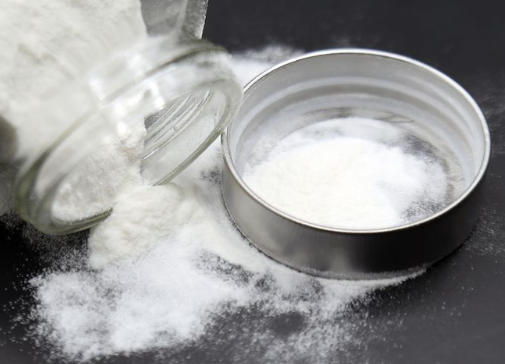
Wall putty is a fine, highly plastic material used to level walls and ceilings, fill minor surface defects, and create a smooth base before paint or decorative coatings are applied. It is usually based on white cement or polymer binders, combined with mineral fillers and functional additives to improve workability and adhesion.
When applied correctly, wall putty fills small cracks, pores, pinholes, and undulations in the plaster or concrete substrate. This ensures that the final paint film looks even and uniform rather than highlighting defects underneath.
Key technical roles of wall putty include:
- Creating a flat, smooth substrate for interior and exterior paints
- Improving adhesion between the wall and subsequent coatings
- Reducing paint consumption by minimizing surface absorption
- Enhancing the overall durability of the wall system
Skipping wall putty or using it incorrectly often leads to visible defects shortly after painting, even if a high‑quality paint is used. Correct putty application is therefore a critical first step in any long‑lasting painting system.
Properly formulated wall putty fills surface imperfections such as hairline cracks, pores, and small undulations. It bonds firmly to the underlying concrete or plastered surface, then provides a consistent, smooth interface for the paint film.
For homeowners or project owners, this means:
- Fewer visible joints and patch marks
- Better color uniformity after painting
- A more premium “flat” or “sheen” visual effect
Wall putty with good adhesion and tensile strength helps the paint film anchor firmly to the wall, reducing the risk of peeling or flaking over time. At the same time, it can help resist water penetration and reduce surface powdering, both of which often lead to early coating failures.
As a result, a well‑designed wall putty can:
- Extend repainting cycles
- Lower long‑term maintenance costs
- Protect the underlying plaster or concrete from moisture‑related damage
Modern wall putty can be used on both internal and external walls, and on both old and new substrates. Many commercial formulations are suitable for dry or slightly damp surfaces, which makes them flexible for renovation as well as new construction.
Common usage scenarios include:
- New residential and commercial projects
- Repainting and refurbishment jobs
- Local repairs of cracks, holes, and uneven patches
Understanding the main types of wall putty helps you choose the right product for each project.
Cement‑based putty uses white cement as the primary binder, combined with fillers and additives. It is widely used due to its mechanical strength and compatibility with cement‑plaster substrates. Such putties are typically recommended for both interior and exterior walls where durability is a priority.
Typical features:
- Good compressive strength
- Suitable for humid environments (with proper paint system)
- Competitive cost for mass projects
Polymer‑based or ready‑mixed wall putty uses polymer binders that can offer high flexibility and very smooth finishes. These products are usually supplied in paste form and may be preferred in high‑end interior applications. They can provide excellent adhesion and low shrinkage when combined with suitable additives.
Interior putty is optimized for environments without severe UV or direct rain exposure, focusing on smoothness and ease of sanding. Exterior putty emphasizes water resistance, adhesion, and crack resistance under outdoor conditions. Always check the product label and technical data sheet to ensure the putty grade matches the exposure conditions.
To understand the importance of wall putty, it helps to see where it fits in a typical wall system.
A simplified structure from inside to outside might be:
1. Structural wall (brick, block, or concrete)
2. Plaster or rendering (cement‑sand or gypsum)
3. Wall putty layer(s)
4. Primer coat
5. Topcoat paint (one or more coats)
Wall putty acts as the critical interface between the rough plaster and the relatively thin paint film. If this layer is strong, well‑bonded, and properly cured, the paint can perform close to its maximum designed lifespan.
Although the addition level of HPMC in building materials is relatively low, usually only 0.1%–1%, it plays an irreplaceable role in wall putty formulations. This cellulose ether strongly improves water retention, fluidity, and lubricity of the wet mortar.
HPMC helps wall putty retain water during and after mixing, which allows cement or other binders to hydrate more completely. This improves cohesive strength and reduces the risk of early drying, which can cause poor adhesion and surface defects.
With suitable HPMC grades, wall putty becomes smoother, more creamy, and easier to spread with a trowel. This reduces labor fatigue and helps applicators achieve consistent layer thickness across large wall areas.
HPMC contributes to the rheology of the putty, helping it stay in place on vertical surfaces rather than sagging or sliding. This is particularly important for thick layers or when working on ceilings and high walls.
As a professional Wall Putty HPMC supplier, HaoShuo or similar manufacturers can offer different grades designed to balance water retention, construction performance, and final mechanical strength in wall putty and other cement‑based systems.
Although exact procedures vary by product, the following steps represent a typical approach for cement‑based wall putty.
- Ensure the wall is structurally sound, free from loose material, oil, and heavy dust.
- Repair larger cracks or hollow areas with appropriate repair mortars.
- Check for moisture problems such as water seepage; fix the root cause before putty application.
- Add clean water to a mixing container, then slowly introduce the wall putty powder while stirring.
- Use a mechanical mixer where possible to obtain a uniform, lump‑free paste.
- Allow the mixture to stand for several minutes, then remix before application to fully activate additives like HPMC.
- Apply a thin, even coat (often around 1 mm) with a steel trowel or putty blade.
- Press firmly to ensure good contact with the substrate.
- Allow the first coat to dry and cure properly before applying the second coat.
- Apply the second coat to further refine the surface and close remaining pores.
- Maintain a reasonable total thickness to avoid cracking; do not overbuild in a single pass.
- After drying, light sanding may be done to achieve a perfectly smooth finish.
- Apply a suitable primer compatible with both putty and topcoat paint.
- Follow with one or more coats of paint according to the manufacturer's recommendation.
When you are repainting, a full application of wall putty is not always necessary. If the existing wall is in good condition with no major cracks, water penetration, or dampness, putty can be applied only where needed to repair local defects.
Typical scenarios:
- Local touch‑up: Use putty to fill hairline cracks, small holes, or damaged patches, then sand and repaint.
- Partial resurfacing: If only some areas show powdering or flaking, remove weak material, apply putty in those zones, then prime and repaint.
- Full resurfacing: If large areas are cracked, damp, or severely uneven, removing old coatings and reapplying a complete putty system may be required.
Careful inspection helps avoid unnecessary costs while still protecting the long‑term durability of the paint system.
The benefits of a well‑formulated wall putty are both visual and functional.
- Smooth, uniform surface: Eliminates minor defects, providing a premium paint finish.
- Enhanced durability: Improves adhesion and resistance to peeling, flaking, and water ingress.
- Versatility: Suitable for interior and exterior walls, as well as new and existing surfaces.
- Cost efficiency: Reduces paint consumption and extends repainting cycles, saving material and labor in the long run.
You can use the following table to quickly show readers why wall putty matters.
| Aspect | Without Wall Putty | With Quality Wall Putty |
|---|---|---|
| Surface smoothness | Visible cracks and uneven patches | Smooth, defect‑free finish |
| Paint consumption | Higher, due to rough and absorbent surface | Lower, more uniform coverage |
| Risk of peeling/flaking | Higher under moisture and movement | Reduced, better adhesion and stability |
| Long‑term maintenance | Frequent repainting | Longer repaint cycles and lower life‑cycle cost |
When selecting a wall putty product for your project or market, pay attention to:
- Binder type: White cement vs polymer, depending on interior/exterior and required smoothness.
- Additive system: Presence of high‑quality cellulose ethers like HPMC for improved workability and water retention.
- Recommended thickness: Follow the manufacturer's guidelines to avoid cracking or debonding.
- Compatibility: Ensure the putty is compatible with your primer and paint system to avoid adhesion issues.
Working with a professional cellulose ether manufacturer allows you to fine‑tune your wall putty formulas to different regional climates and application habits.
Behind every reliable wall putty is a well‑designed cellulose ether package. HPMC dosage may be as low as 0.1%–1%, but its influence on performance is substantial. Selecting the right HPMC grade can be the difference between an easy‑to‑apply, crack‑resistant putty and one that fails prematurely.
A professional supplier can support you with:
- Tailored HPMC grades for wall putty, skim coats, and related dry‑mix products
- Technical guidance on formulation optimization and troubleshooting
- Consistent quality and reliable supply for large‑scale production
For formulators and building material manufacturers, this helps ensure stable, repeatable performance in different projects and climate conditions.
If you are developing or upgrading a wall putty product line, partnering with an expert cellulose ether manufacturer helps you achieve smoother application, better crack resistance, and longer‑lasting paint systems. Contact our technical team to discuss your current formulas, request suitable HPMC sample grades, or co‑develop customized HPMC, HEMC, and HEC solutions tailored to your construction market and target customer needs.
Contact us to get more information!
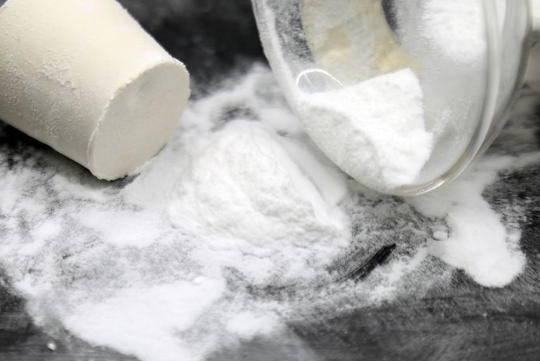
Wall putty is used to level and smooth walls before painting, filling minor cracks, pores, and surface undulations so that the final paint film looks even and uniform. It improves adhesion between the substrate and paint while reducing paint consumption.
Wall putty is highly recommended on new walls or where surfaces are uneven, cracked, or powdery. On sound, previously painted walls with no major defects, you may only need local putty repairs before repainting.
In most cases, at least two coats of wall putty are required to achieve a smooth and durable surface. Each coat should be thin and well cured before the next is applied to minimize cracking and ensure proper bonding.
HPMC improves water retention, workability, and lubricity of wall putty, even at low dosages. This helps applicators spread the putty easily, reduces sagging, and enhances final mechanical strength and durability.
Yes, many wall putty formulations are designed for use on both interior and exterior walls, and can be applied to old or new surfaces. Always choose a grade specifically recommended for the expected exposure conditions and compatible paint system.


