


close
Choose Your Site
Global
Social Media
Views: 222 Author: Rebecca Publish Time: 2026-02-19 Origin: Site


Content Menu
● What Is Hydroxypropyl Methylcellulose (HPMC) In Food?
● Why Food Manufacturers Use HPMC
● Main Applications Of HPMC In Food Formulations
>> 1. Thickener And Stabilizer In Sauces, Dressings, And Beverages
>> 2. HPMC In Baked Goods And Gluten‑Free Formulas
>> 3. HPMC In Dairy, Frozen, And Ice Cream Products
>> 4. HPMC In Low‑Fat, Vegan, And Plant‑Based Foods
>> 5. Film‑Forming Coatings And Edible Films
>> 6. Functional And Dietary Fiber Uses
● Safety, Regulatory Status, And E‑Number (E464)
>> Technological And Consumer Advantages
● Practical Usage Guidelines For Food Technologists
>> Selecting The Right HPMC Grade
>> Basic Addition And Processing Steps
● Example: How HPMC Improves A Low‑Fat Salad Dressing
● Quick Reference: Key Functions Of HPMC (E464) In Food
● How Shandong Shengda New Material Co., Ltd. Can Support Your Food Projects
● Take The Next Step With Shandong Shengda New Material Co., Ltd.
>> 1. Is HPMC (E464) safe to use in food products?
>> 2. Which types of foods most commonly use HPMC?
>> 3. Can HPMC be used in gluten‑free and vegan recipes?
>> 4. How should HPMC be added during processing to avoid lumps?
>> 5. What is the regulatory code or E‑number for hydroxypropyl methylcellulose in food?
Hydroxypropyl methylcellulose (HPMC) is a non‑ionic cellulose ether derived from purified plant cellulose and modified with methyl and hydroxypropyl groups. It appears as a white, odorless, tasteless powder that dissolves in cold water to form a clear, viscous solution.
In the food industry, HPMC is widely used as a thickener, stabilizer, emulsifier, gelling agent, film former, and water‑retention agent in products such as baked goods, sauces, dairy, frozen foods, and plant‑based meat alternatives. It is registered as a food additive under the code E464 in many markets.
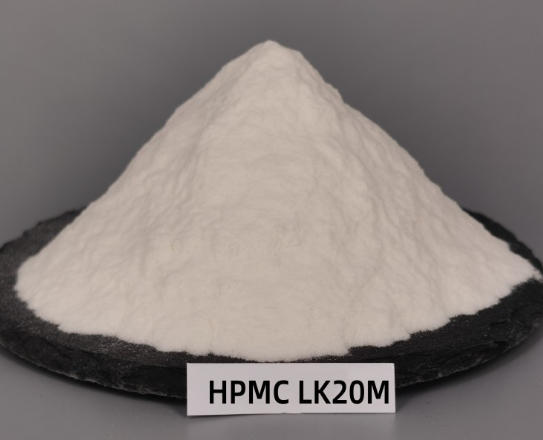
HPMC helps food formulators solve several technical challenges while meeting consumer expectations for texture, shelf life, and label requirements.
Key functional benefits include:
- Viscosity building and thickening for sauces, soups, dairy beverages, and fillings
- Stabilization of emulsions like mayonnaise, salad dressings, and flavored drinks
- Water retention and moisture control in bread, cakes, and frozen foods
- Improved texture and mouthfeel in low‑fat, vegan, and gluten‑free products
- Film‑forming and coating for fruits, vegetables, nuts, confectionery, and fried foods
- Freeze–thaw stability in frozen dough, ice cream, and desserts
These multifunctional roles allow formulators to replace or reduce fats, animal gelatin, and some synthetic stabilizers while keeping desirable sensory properties.
HPMC provides controlled viscosity and helps maintain a uniform, stable system in many liquid and semi‑liquid foods.
Typical applications include:
- Salad dressings and mayonnaise – improves emulsification, reduces oil–water separation, enhances cling to vegetables
- Ketchup, barbecue, and cooking sauces – builds body, stabilizes particles, improves pourability
- Instant soups and sauces – stabilizes rehydrated systems, prevents phase separation during heating
- Flavored milk drinks and protein beverages – enhances suspension stability and mouthfeel
Because HPMC is non‑ionic, it is compatible with many salts, acids, and other ingredients, keeping viscosity relatively stable across a wide pH range.
In bakery applications, HPMC is highly valued for water retention, gas‑holding capability, and crumb stabilization.
Key roles in baked goods:
- Bread and toast – retains moisture during baking, improves volume, softness, and shelf life
- Cakes and muffins – stabilizes air cells, creates fine crumb structure, and improves slicing
- Cookies and biscuits – optimizes dough handling and dimensional stability
- Gluten‑free bread and pastries – partially mimics gluten's viscoelastic network, improving dough strength, gas retention, and elasticity
In gluten‑free systems, HPMC helps form a viscoelastic gel on heating, which supports gas bubbles and creates a more elastic, cohesive crumb that would otherwise be difficult to achieve without gluten.
For cold and frozen products, HPMC improves texture, stability, and freeze–thaw performance.
Common uses:
- Ice cream and frozen desserts – controls ice crystal growth, improves creaminess, and optimizes melting behavior
- Yogurt and fermented dairy – stabilizes proteins, helps prevent syneresis (whey separation), and enhances body
- Frozen dough and dumplings – maintains water in the matrix during freezing and thawing, reducing cracking and texture loss
Its freeze–thaw characteristics help maintain product quality during distribution and consumer storage.
As consumers shift to low‑fat, low‑calorie, vegetarian, and plant‑based diets, HPMC has become a key tool for texture and structure.
Typical roles:
- Low‑fat sauces and dressings – compensates for lost viscosity and creaminess when oil is reduced
- Low‑fat spreads and whipped toppings – supports aeration and structure without high fat levels
- Plant‑based meat and sausages – improves binding, juiciness, and bite, and can partly replace animal collagen
- Vegan capsules and confectionery – provides gel and film functionality as an alternative to gelatin
Because HPMC is derived from plant cellulose and is not of animal origin, it is suitable for vegetarian, vegan, halal, and kosher positioning when produced under appropriate certification schemes.
HPMC forms clear, flexible films when dried, making it useful as a coating or edible film in several segments.
Key examples:
- Fruits and vegetables – thin HPMC coatings help reduce moisture loss and oxygen transfer, which can extend shelf life
- Nuts, seeds, and confectionery – improves gloss and protects against moisture migration and fat oxidation
- Fried foods – pre‑frying coatings based on HPMC can limit oil uptake and improve crispness
These films can be combined with plasticizers, lipids, or functional additives such as antioxidants and antimicrobials to tailor barrier and mechanical properties.
Because HPMC is a non‑digestible polysaccharide derivative, it can contribute to dietary fiber intake and is sometimes used in functional foods and supplements.
Potential functional roles include:
- Supporting intestinal health as part of the total fiber matrix
- Forming viscous solutions in the stomach, which may be used in controlled‑release nutraceutical formulations
- Helping modulate glycemic response and satiety when used alongside other fibers in specialized products
Regulatory and nutritional positioning varies by market and formulation, so related claims need to follow local rules.
Multiple expert bodies have evaluated hydroxypropyl methylcellulose as a food ingredient and established its wide safety margin.
- The Joint FAO/WHO Expert Committee on Food Additives (JECFA) assigned HPMC an acceptable daily intake (ADI) “not specified,” indicating low toxicity at levels needed in food.
- HPMC is approved as a direct and indirect food additive by the U.S. Food and Drug Administration (FDA) in various sections of 21 CFR.
- In the European Union, HPMC is authorized as food additive E464, used as a thickener, emulsifier, stabilizer, and gelling agent.
HPMC is also included in Codex GSFA Table 3, which allows use in a broad range of food categories under Good Manufacturing Practice (GMP) conditions.
From a risk–benefit perspective, HPMC provides important technological functions with very low toxicological concern when used within regulatory limits. It is non‑allergenic, non‑ionic, and not absorbed intact in the gastrointestinal tract, which supports its favorable safety profile.
Different viscosity grades and substitution patterns of HPMC are chosen based on application and processing.
Common selection criteria:
- Viscosity in solution – higher viscosity grades for strong thickening and film formation
- Gel temperature – adjusted for specific baking and heating processes
- Particle size and dispersion – influences hydration rate and tendency to form lumps
- Food‑grade and certified production – compliance with food regulations and quality standards
Food manufacturers typically work with specialized food‑grade HPMC suppliers that can recommend grades for bread, sauces, dairy, frozen foods, or plant‑based products.
A typical formulation workflow for HPMC in food might include:
1. Dry blending
Mix HPMC powder with other dry ingredients, such as flour, sugar, or stabilizers, to improve dispersion.
2. Hydration in cold water
Add the dry blend to cold water under strong agitation to avoid lumping and ensure full hydration.
3. Controlled heating
In baked or cooked systems, gradual heating allows HPMC to gel and set structure at its characteristic gelation temperature.
4. Shear and holding
Adjust mixing speed and time to reach the desired viscosity profile and avoid excessive shear if high structure is required.
5. Quality checks
Measure viscosity, texture, and stability, including freeze–thaw and storage tests, and fine‑tune HPMC level or grade accordingly.
Typical dosage levels vary widely, often between 0.1 percent and 2.0 percent depending on system and grade, and should always be optimized through trials within regulatory and sensory limits.
Consider a low‑fat salad dressing where oil is reduced by 50 percent. Without a proper stabilizer, the product may become thin, watery, and prone to separation.
By incorporating an appropriate grade and level of HPMC:
- Viscosity is restored to deliver a creamy, spoonable texture similar to full‑fat versions.
- Oil droplets can remain finely dispersed, reducing phase separation and visible serum during storage.
- Mouthfeel improves, giving consumers a rich and satisfying sensory experience despite the lower fat content.
This kind of application shows how HPMC supports nutritional reformulation while maintaining consumer acceptance.
| Function of HPMC in Food | Typical Product Examples | Main Benefits For Formulator |
|---|---|---|
| Thickener or viscosity builder | Sauces, soups, dressings, flavored milk | Controls thickness, stabilizes particles, improves mouthfeel |
| Emulsifier or stabilizer | Mayonnaise, salad dressing, creamy beverages | Reduces oil–water separation, improves shelf stability |
| Water‑retention agent | Bread, cakes, frozen dough | Maintains moisture, improves softness, delays staling |
| Film former or coating | Fruits, vegetables, nuts, fried snacks | Extends shelf life, helps control moisture and oil uptake |
| Fat replacer support | Low‑fat sauces, spreads, desserts | Rebuilds body and creaminess with reduced fat |
| Gluten‑free structure aid | Gluten‑free bread, cakes | Provides gas‑holding and elastic crumb structure |
As a professional manufacturer focused on cellulose ethers, Shandong Shengda New Material Co., Ltd. can supply high‑quality HPMC, HEMC, and HEC tailored to food applications.
Working with a specialized supplier helps you:
- Select optimized HPMC grades for bakery, sauces, frozen foods, and plant‑based products
- Develop custom formulations that balance texture, cost, and labeling needs
- Ensure stable quality, regulatory compliance, and technical support throughout product development and scale‑up
For food research and development teams, direct collaboration with a cellulose ether expert can reduce trial‑and‑error and speed up time‑to‑market for new or upgraded food products.
If you are developing or upgrading products such as bread, noodles, sauces, plant‑based foods, or frozen desserts, this is an ideal time to evaluate food‑grade HPMC in your formulations. To move forward, you can contact Shandong Shengda New Material Co., Ltd. for technical data sheets, sample grades, and formulation suggestions for HPMC, HEMC, and HEC in food. By running pilot trials together and optimizing dosage, viscosity grade, and processing conditions, you can enhance texture, stability, and shelf life while meeting modern market demands for high‑quality, reliable food products.
Contact us to get more information!
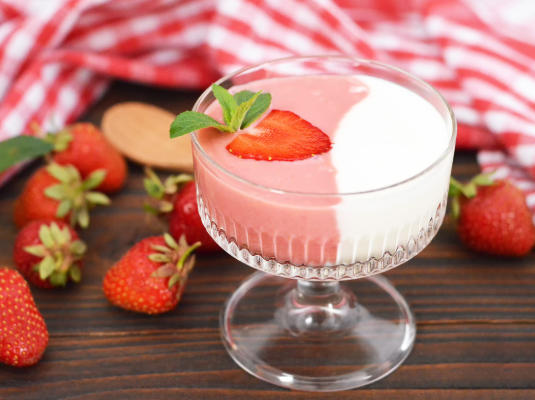
HPMC has been evaluated by international expert committees, which have confirmed its safety when used within established limits and under Good Manufacturing Practice. It has an acceptable daily intake “not specified” and is authorized as a food additive in major markets.
HPMC is widely used in baked goods, sauces, dressings, dairy products, frozen foods, instant foods, plant‑based meats, and confectionery, mainly as a thickener, stabilizer, and film former.
Yes. HPMC can help replace part of gluten's structure‑forming role in gluten‑free baked goods and can act as a plant‑based alternative to gelatin in vegan products, capsules, and confectionery.
For best dispersion, HPMC is usually dry‑blended with other powders and then added to cold water under strong agitation, allowing it to hydrate fully before heating or further processing.
The food additive hydroxypropyl methylcellulose is designated as E464 in the European Union and in many international references, and it appears in Codex GSFA tables for use in a variety of food categories.
1. https://www.kimachemical.com/news/what-is-the-use-of-hydroxypropyl-methylcellulose-in-food/
2. https://www.kimachemical.com/news/application-of-hpmc-in-the-food-industry
3. https://www.kimacellulose.com/what-is-the-use-of-hpmc-in-food.html
4. https://bakerpedia.com/ingredients/hydroxypropyl-methylcellulose/
5. https://www.academia.edu/109483604/Safety_assessment_of_hydroxypropyl_methylcellulose_as_a_food_ingredient
6. https://www.sciencedirect.com/science/article/abs/pii/S027869150700261X
7. https://pubmed.ncbi.nlm.nih.gov/17723258/
8. https://www.fao.org/gsfaonline/additives/details.html?id=65
9. https://foodcom.pl/en/term-e/e464/
10. https://www.kimacellulose.com/products/hpmc-for-food/
11. https://www.celotech.net/food-and-beverage
12. https://www.atamanchemicals.com/hydroxypropyl-methylcellulose-hpmc_u30591/


