


close
Choose Your Site
Global
Social Media


Content Menu
● Understanding HPMC: Basic Definition
● Chemical Structure and Key Properties of HPMC
>> Rheology and Gel Temperature of HPMC
● How HPMC Works in Formulations
>> Interaction With Cement and Gypsum
● Main Grades and Viscosity of HPMC
>> Substitution Types and Functional Differences
● What Is HPMC Used For in Construction?
>> Typical Construction Applications of HPMC
>> Benefits of HPMC in Dry‑Mix Mortars
● What Is HPMC Used For in Pharmaceuticals and Food?
>> HPMC in Controlled‑Release Drug Delivery
● Other Industrial Uses of HPMC
>> HPMC in Coatings, Adhesives, and Other Fields
>> Practical Benefits for Manufacturers and End Users
● HPMC Safety and Regulatory Status
>> Environmental and Handling Considerations
● Selecting the Right HPMC for Your Application
>> Typical Steps in Choosing HPMC
>> 2. What is HPMC used for in construction?
>> 3. What is HPMC used for in pharmaceuticals?
>> 4. Is HPMC safe for human consumption?
>> 5. How do I choose the right HPMC grade?
Hydroxypropyl methylcellulose (HPMC) is a multifunctional cellulose ether widely used as a thickener, water retention agent, film former, binder, and stabilizer in construction materials, pharmaceuticals, food, detergents, paints, and many other industrial formulations. In modern dry‑mix mortars and building materials, HPMC is a key performance additive that directly affects workability, adhesion, open time, and final strength, making it essential for manufacturers like Shandong Shengda New Material Co., Ltd. that focus on high‑quality cellulose ethers for global markets.

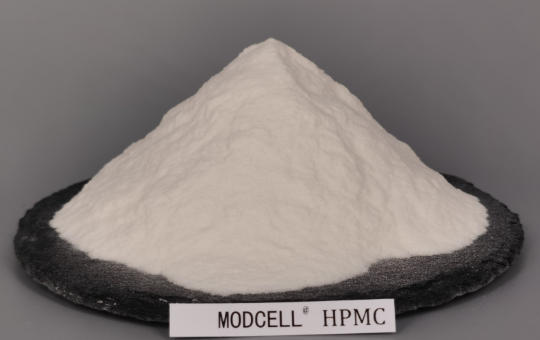
Hydroxypropyl methylcellulose, often abbreviated as HPMC, is a semi‑synthetic, non‑ionic polymer derived from natural cellulose through a controlled etherification process. In this process, part of the hydroxyl groups on the cellulose backbone are substituted with methoxy and hydroxypropoxy groups, giving HPMC its characteristic solubility, film‑forming ability, and rheological behavior. Because HPMC is non‑ionic and does not carry a charge, it shows good compatibility with many other ingredients, including cements, gypsum, pigments, and active pharmaceutical ingredients. HPMC is typically supplied as a white or off‑white free‑flowing powder that dissolves in water to form clear or slightly opalescent viscous solutions. These properties explain why so many formulators across industries keep asking “What is HPMC?” when selecting the right functional polymer for their products.
HPMC belongs to the family of cellulose ethers, where the linear cellulose chain is partially substituted by methoxy (–OCH₃) and hydroxypropoxy (–OCH₂CHOHCH₃) groups. The ratio and degree of substitution of these groups determine the specific grade of HPMC, affecting its gel temperature, viscosity, solubility, and performance in end‑use applications. One of the most important properties of HPMC is its excellent solubility in water; most grades dissolve in cold water to form stable solutions but remain insoluble in typical organic solvents. HPMC solutions show strong thickening behavior, meaning a low dosage can drastically increase viscosity, which is widely used to control flow and stability in mortars, paints, and tablets. In addition, HPMC exhibits outstanding water retention, film‑forming ability, pH stability, salt tolerance, and enzyme resistance, all of which contribute to its robustness in harsh environments like cementitious systems.
The rheological behavior of HPMC is strongly related to its molecular weight and substitution pattern. Higher molecular weight grades provide higher viscosity at the same concentration, which is particularly valuable in applications where strong thickening and sag resistance are required. HPMC solutions often show pseudoplastic or shear‑thinning behavior, meaning viscosity decreases under shear and recovers when shear is removed, resulting in good pumpability and easy application without excessive dripping or slumping. Another important characteristic is the thermal gelation of HPMC; when heated above a certain temperature (gel temperature), aqueous solutions can form reversible gels due to hydrophobic interactions among substituted groups. By adjusting the methoxy and hydroxypropoxy content, manufacturers can design HPMC grades with different gel temperatures and solution behaviors tailored to specific processing and application requirements.
When HPMC is dispersed in water, its polymer chains hydrate and uncoil, creating a three‑dimensional network that increases the viscosity of the system. The hydroxypropyl and methyl groups promote interaction with water molecules, forming a hydration layer that keeps particles separated and prevents sedimentation, which is critical for uniform mortars and coatings. As the water slowly evaporates, HPMC forms a continuous, flexible film that contributes to adhesion, cohesion, and surface protection. In cement‑based systems, the water‑retaining nature of HPMC slows down water loss, giving cement particles more time to hydrate and leading to higher strength and reduced cracking. These combined mechanisms are the main technical reasons why so many product developers want to understand “What is HPMC?” before fine‑tuning workability, open time, and final performance in their formulations.
In cementitious materials, HPMC adsorbs partially on the surface of cement particles and resides mainly in the pore solution, building a viscous medium that slows down bleeding and segregation. The improved water retention prevents premature drying at the surface, reducing plastic shrinkage and early‑age cracking while promoting more complete cement hydration. In gypsum systems, HPMC helps control setting time, reduces water demand by stabilizing the slurry, and improves the cohesion of the paste. It also contributes to better adhesion to substrates and a smoother, denser surface, which is important for finishing quality. Whether in cement or gypsum formulations, the presence of HPMC can significantly influence open time, slip resistance, and final mechanical properties.
Commercial HPMC is available in multiple viscosity grades, typically measured in mPa·s (cPs) for a standard aqueous solution, and in various substitution patterns tailored to specific industries. Low‑viscosity HPMC flows more easily and is used where rapid wetting, low foam, or thin films are required, such as in certain tablet coatings or low‑thickness coatings. Medium‑viscosity HPMC is common in tile adhesives, wall putty, and some pharmaceutical applications where balanced workability and stability are desired. High‑viscosity HPMC offers strong thickening and water retention, which is critical for high‑performance tile adhesives, external insulation systems, and gypsum‑based plasters. Selecting the right viscosity grade is always part of answering “What is HPMC?” in a specific context, because the same polymer family can behave very differently depending on its viscosity and substitution level.
Although all HPMC products share the same basic cellulose ether backbone, subtle differences in methoxy and hydroxypropoxy content lead to notable differences in performance. Grades with higher methoxy content typically show lower gel temperature and stronger film‑forming properties, making them attractive for coating and binding applications. Grades with higher hydroxypropoxy substitution tend to show improved flexibility, better solubility in cold water, and enhanced stability in some salt‑containing systems. For construction, balanced substitution patterns are often preferred to combine good water retention, workable rheology, and robust performance in alkaline cement environments. For pharmaceutical and food uses, substitution is carefully optimized to deliver predictable hydration, swelling, and release profiles in the digestive system.
In construction, HPMC is one of the most important additives in modern dry‑mix mortars. Cement‑based tile adhesives rely on HPMC to increase water retention, improve adhesion, extend open time, and provide anti‑slip properties so tiles do not slide on vertical walls. In cement renders, plasters, and repair mortars, HPMC improves workability, provides lubricity during troweling, reduces sagging, and helps achieve a smoother finish with fewer cracks. Gypsum‑based plasters and joint fillers use HPMC to optimize consistency, reduce bleeding and segregation, and enhance surface quality. External insulation and finishing systems, self‑levelling compounds, and masonry mortars similarly benefit from the rheology control and water retention delivered by well‑chosen HPMC grades.
- Tile adhesives and tile grouts for ceramic, porcelain, and natural stone.
- Cement renders, machine‑applied plasters, and skim coats for interior and exterior walls.
- Gypsum plasters, gypsum board joint compounds, and wall putties.
- Self‑levelling underlayments and floor screeds.
- Masonry mortars, block adhesives, and insulation system mortars.
In each of these systems, formulators constantly evaluate “What is HPMC doing for my mortar?” in terms of water retention, open time, and final mechanical properties, and then adjust grade and dosage accordingly.
Using the right HPMC in dry‑mix mortars brings a long list of practical benefits. Enhanced water retention allows mortars to remain workable longer, which is crucial on hot or windy job sites where water evaporates quickly. Improved consistency and anti‑sag behavior make it easier for applicators to achieve uniform thickness and high coverage rate with less effort. HPMC helps reduce material wastage by minimizing slipping and slumping on vertical surfaces and by reducing cracking or hollow areas under tiles or rendering layers. Good workability and lubricity also decrease tool wear and improve the overall speed and quality of construction work. These advantages explain why, when contractors ask “What is HPMC and why should I care?”, the answer is closely linked to productivity and quality on site.
In pharmaceuticals, HPMC (often called hypromellose) is a widely used excipient for both solid and liquid dosage forms. It acts as a binder in tablet granulation, ensuring that powders compress into stable tablets with sufficient strength. As a film‑forming polymer, HPMC is used for tablet coatings, where it can provide controlled release, taste masking, and moisture protection. Certain grades of HPMC hydrate and swell in gastrointestinal fluids, forming a gel layer that controls the diffusion of active ingredients, making it ideal for sustained‑release and controlled‑release tablets. In liquid formulations and ophthalmic products, HPMC serves as a thickener, lubricant, and stabilizer, improving viscosity and patient comfort.
In food and nutraceutical applications, HPMC functions as a stabilizer, emulsifier, and fat replacer. It can help control texture, prevent phase separation, and stabilize foams or emulsions in products such as dessert mixes, toppings, and bakery items. Since HPMC is non‑ionic, non‑toxic, and derived from plant‑based cellulose, it is widely accepted in vegetarian and vegan capsule shells as an alternative to gelatin. This is another situation where the question “What is HPMC?” is strongly linked to regulatory status, safety, and functionality in ingestible products.
In controlled‑release formulations, HPMC plays a critical role as a hydrophilic matrix former. When a tablet containing HPMC is swallowed, water penetrates the tablet and hydrates the outer layers of the polymer, creating a gel barrier. The active pharmaceutical ingredient then diffuses through this gel or is released as the gel gradually erodes, controlling the rate at which the drug enters the body. By adjusting the viscosity grade, substitution pattern, and concentration of HPMC, formulators can fine‑tune drug release profiles from a few hours to more extended periods. This ability to precisely control release is a key reason why “What is HPMC?” is a common question in the design of modern oral dosage forms.
Beyond construction, pharmaceuticals, and food, HPMC is widely used in many industrial sectors. In paints and coatings, HPMC works as a thickener, stabilizer, and water retention agent, improving brushability, roller spatter resistance, and sag resistance on vertical surfaces. In detergents and household cleaning products, HPMC helps stabilize formulations, build viscosity, and suspend particles or actives uniformly. HPMC is also used in adhesives, agricultural formulations, ceramics, and oilfield chemicals, where it contributes to viscosity control, film formation, and dispersibility. Across these diverse segments, technical teams often start their formulation work by asking “What is HPMC and which grade fits this application best?” because grade selection is crucial for performance and cost‑effectiveness.
In water‑based coatings, HPMC helps maintain a stable distribution of pigments and fillers, preventing settling during storage and application. Its shear‑thinning behavior improves leveling and reduces drips and runs, enhancing overall finish quality. In adhesives, HPMC can act as a protective colloid and rheology modifier, providing suitable flow and bonding properties for paper, textiles, and other substrates. In agriculture, HPMC formulations can improve the suspension and release characteristics of agrochemicals, while in ceramics and extrusion processes it can serve as a binder and plasticizer, improving green strength and shaping behavior. All of these uses reinforce the importance of understanding “What is HPMC?” when selecting multifunctional polymers for industrial processes.
The popularity of HPMC over many decades is due to a combination of performance and safety advantages. First, HPMC offers strong thickening and water retention at relatively low dosages, making it an efficient and cost‑effective rheology modifier. Second, its non‑ionic nature gives excellent compatibility with cationic, anionic, and non‑ionic components, simplifying formulation design in complex systems like mortars and drugs. Third, HPMC is physiologically inert, non‑toxic, and widely accepted in pharmacopoeias and food regulations around the world. Fourth, its film‑forming and adhesive properties provide additional functional benefits, such as surface protection, binding, and controlled release, without needing multiple different polymers. For users trying to fully understand “What is HPMC?” these advantages show why it has become the default cellulose ether for many industries.
For manufacturers, HPMC simplifies inventory and formulation management because a limited number of carefully selected grades can cover a wide range of applications. This flexibility reduces the need for multiple specialized additives, lowering complexity and procurement costs. For end users in construction or pharmaceuticals, products formulated with suitable HPMC grades often show more consistent quality, improved handling, and better performance under demanding conditions. End‑users benefit from mortars that mix more easily, tablets that swallow more comfortably, and coatings that apply more smoothly and evenly. The long history of successful use also means that when specifiers ask “What is HPMC and can I trust it?”, there is abundant experience and data supporting its reliability.
Hydroxypropyl methylcellulose has a long history of safe use in pharmaceuticals and food. It is listed in major pharmacopoeias such as the USP and European Pharmacopoeia as a permitted excipient under the name hypromellose. Toxicological studies show low acute and chronic toxicity, and HPMC is generally recognized as safe in approved applications when used within standard dosage ranges. Because it is not absorbed significantly from the gastrointestinal tract and is largely excreted unchanged, HPMC is considered physiologically inert. This safety profile is one of the reasons that, whenever a formulator asks “What is HPMC?” for an oral or topical product, the discussion quickly turns to its compliance and regulatory acceptance.
From an environmental perspective, HPMC is derived from renewable cellulose and is not classified as hazardous in normal handling and use. It does not release dangerous by‑products under typical processing conditions and is considered low risk for workers when appropriate dust control and good industrial hygiene practices are followed. HPMC powder should be stored in cool, dry conditions, away from moisture and direct sunlight, to maintain performance and flow properties. During handling and mixing, dust generation should be minimized through appropriate equipment design and local exhaust ventilation if necessary. These straightforward storage and handling requirements help answer “What is HPMC like in daily production?” from a practical and safety standpoint.
Choosing the most suitable HPMC grade requires a clear understanding of the application, processing conditions, and performance targets. In construction materials, key parameters include viscosity, substitution pattern, water retention, open time, and compatibility with cement, gypsum, or fillers. In pharmaceuticals, formulators focus on viscosity, substitution pattern, gel strength, and release behavior to design immediate‑release or controlled‑release dosage forms. Paint and coating manufacturers typically examine viscosity profile, shear‑thinning behavior, color, and stability in the presence of pigments and surfactants. Manufacturers specializing in cellulose ethers, such as Shandong Shengda New Material Co., Ltd., can support customers in answering “What is HPMC for my specific formula?” by matching product grades to technical requirements and processing conditions.
When selecting HPMC, formulators usually follow several key steps. First, they clarify the main function required from HPMC, such as thickening, water retention, binding, or controlled release. Second, they choose an initial viscosity range and substitution pattern based on experience or recommendations for similar products. Third, they conduct lab trials to compare different HPMC grades, adjusting dosage and processing parameters to fine‑tune performance. Finally, they validate the selected grade under real production and application conditions before full‑scale adoption. Throughout this process, the practical question “What is HPMC doing in my formulation?” guides decisions on grade selection and optimization.
Hydroxypropyl methylcellulose (HPMC) is a versatile, non‑ionic cellulose ether that plays a central role as a thickener, water retention agent, film former, binder, and stabilizer in many industries. From cement‑based tile adhesives and gypsum plasters to controlled‑release tablets, vegetarian capsules, food systems, paints, detergents, and specialty chemicals, HPMC provides reliable performance and excellent compatibility. Its unique combination of water solubility, rheology control, film formation, safety, and regulatory acceptance explains why so many technical teams start by asking “What is HPMC?” when developing new products. By selecting the right HPMC grade and working with experienced cellulose ether manufacturers, formulators can significantly enhance product quality, processing efficiency, and end‑user satisfaction.
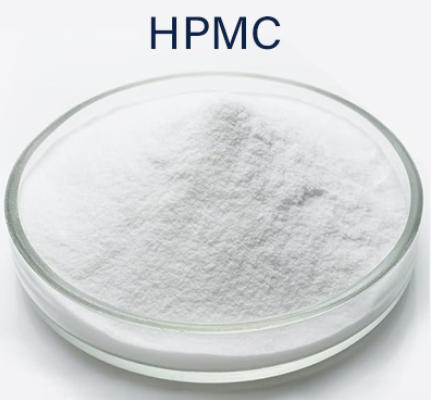
HPMC is made from natural cellulose, usually derived from purified wood pulp or cotton, which is chemically modified through etherification with methyl and hydroxypropyl groups. This modification creates a water‑soluble, non‑ionic polymer with improved thickening, film‑forming, and water‑retention properties compared with unmodified cellulose.
In construction, HPMC is used in tile adhesives, plasters, renders, joint fillers, self‑levelling compounds, and masonry mortars. It improves water retention, workability, adhesion, open time, and sag resistance, helping mortars remain workable longer and reducing cracking or sliding of tiles on walls.
In pharmaceuticals, HPMC (hypromellose) acts as a binder, film‑coating polymer, thickener, and matrix former for controlled‑release tablets. It is also used in hard capsules as a vegetarian shell material and in ophthalmic solutions as a lubricant and viscosity‑enhancing agent.
Yes, HPMC is widely regarded as safe for human consumption within approved limits and is listed as an excipient in major pharmacopoeias. It has low toxicity, is not significantly absorbed by the body, and has been used for decades in tablets, capsules, and some food products.
To choose the right HPMC grade, you should consider viscosity, substitution pattern, solubility, and the specific functions needed, such as water retention, thickening, or controlled release. Working with a specialized manufacturer allows you to match HPMC grades to your formulation, processing equipment, and target performance, ensuring that “What is HPMC?” is answered in a way that fits your real application.


